
Check Valves rarely attract attention until a pump stops, a pipeline reverses, or a system starts hammering. Their job sounds simple: allow flow in one direction and resist backflow. Yet choosing the right design affects pressure loss, maintenance, and equipment protection. In 2026, engineers and buyers still compare swing, lift, ball, dual-plate, and spring-loaded designs. There is no universal winner. A compact dual-plate valve may suit a tight installation, while a swing check can offer a straightforward option for larger lines.
The U.S. Department of Energy and the Hydraulic Institute report that pumping systems can account for 25–50% of electricity use in some industrial facilities. That figure comes from their Improving Pumping System Performance sourcebook; it is not a measurement of check-valve savings. Still, it highlights why flow resistance and system design deserve attention. API 594 addresses check-valve designs, while ISO 5208 sets pressure-testing requirements for industrial valves. These standards help frame comparisons, but they cannot replace application-specific review. Small details matter: fluid cleanliness, installation orientation, closing speed, and available space. A valve that looks right on a specification sheet can perform poorly in the field. That is easy to overlook. This guide compares the leading Check Valves by operating principle, strengths, limitations, and typical applications, while noting where selection depends on actual service conditions.
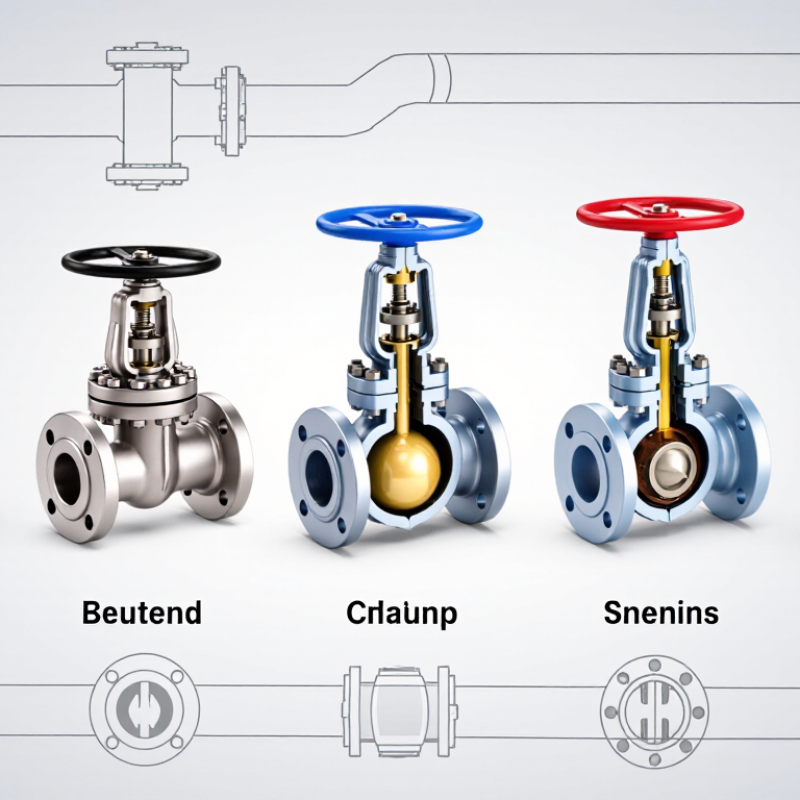
What Are the Top Types of Check Valves in 2026?
How Check Valves Prevent Reverse Flow
A check valve allows fluid to move in one direction and closes when flow reverses. This simple action can help protect pumps, reduce backflow, and keep process lines stable. Swing, lift, dual-plate, and spring-loaded axial designs respond differently to flow and pressure. A swing valve uses a hinged disc; a spring-loaded model closes when pressure falls below its opening threshold. Small differences matter.
Selection depends on fluid, flow speed, pressure, pipe orientation, and the risk of sudden closure. A slow-closing swing check may suit steady water flow, while a compact dual-plate design can fit tight spaces. Spring-assisted designs may close quickly, but fast closure can also create pressure surges if the system is not assessed carefully. No type is ideal everywhere. Installation details can be easy to underestimate.
The U.S. Department of Energy’s Improving Pumping System Performance: A Sourcebook for Industry reports that pumping systems can account for 25–50% of electricity use in some industrial facilities. That figure is not a check-valve savings estimate. It does show why avoiding unnecessary pump strain and reverse rotation deserves attention. Engineers should check the valve’s pressure rating, flow capacity, and maintenance needs against actual operating conditions. A valve that closes reliably on paper may still behave differently in a turbulent line.
Check valves are commonly classified by how the moving element is shaped and how it returns to the seat. A swing check uses a hinged disc that opens with forward flow and swings shut when flow reverses. It often suits larger lines with steady flow, but closure can be slow. That matters.
Lift and piston check valves move a disc or piston along a guide. They can close firmly in suitable piping, though they may create more resistance and need clean, compatible service.
Ball checks use a ball that lifts from its seat, then drops back as flow weakens. They are simple, but their performance depends on fluid properties and installation.
A dual-plate check uses two spring-loaded plates that fold open and close across the passage. Its compact body can help where space is tight. Diaphragm-style designs use a flexible element to control reverse flow and may suit selected low-pressure or solids-bearing applications.
The closing mechanism matters as much as the name: gravity, spring force, or backpressure changes response time and pressure loss. Not always obvious.
In practice, compare operating pressure, flow direction, fluid cleanliness, and the risk of water hammer against the valve’s orientation and maintenance needs. A familiar design is not automatically the right one.
Swing, lift, and piston check valves all limit reverse flow, but their moving parts behave differently. A swing valve uses a hinged disc that opens as forward-flowing liquid pushes it away from the seat. When flow slows or reverses, the disc swings back. In a horizontal pipe, its installation position and hinge design affect how reliably it closes. The mechanism is simple. It still needs room to move.
A lift check valve guides a disc or plug along a vertical path inside the body. Forward pressure raises the moving part; reverse pressure, often assisted by gravity, pushes it onto the seat. These valves suit applications where guided movement and a firm seating action matter. However, they can create more flow resistance than a freely swinging disc. That trade-off deserves attention during sizing.
A piston check valve uses a piston-like element that slides within a chamber, usually against a seat. Flow lifts the piston, while reverse pressure returns it to the closed position. Some designs use a spring, which can help closure when gravity alone is insufficient. The details vary by model, so check the manufacturer’s pressure, temperature, and orientation limits. A valve that looks suitable on a drawing may behave differently with pulsating flow or debris. Real operating conditions matter.
Ball, diaphragm, and dual-plate check valves all prevent reverse flow, but their moving parts behave differently. A ball check lifts a sphere from its seat when forward pressure rises. Gravity or reverse pressure then returns it. Simple construction suits some viscous or solids-bearing services, though low flow can make the ball chatter. Not always quietly. Diaphragm checks use a flexible membrane that bends open under forward pressure and reseats when flow reverses. The design can limit metal-to-fluid contact, but diaphragm material must match the fluid, temperature, and pressure. Elastomers age; that detail is easy to overlook.
Grand View Research’s Industrial Valves Market report estimated a global market value of USD 78.2 billion in 2023, covering multiple valve types. This is broad industry context, not a check-valve-specific estimate. Dual-plate checks use two spring-loaded plates that swing open around a central hinge, then close as flow slows or reverses. Their wafer-style bodies are compact, and their quick closure can help reduce water hammer. But “quick” is not a guarantee: incorrect sizing or unsuitable flow velocity may still cause noise and wear. Compare pressure drop, closing behavior, and service conditions before choosing a design.
What Are the Top Types of Check Valves in 2026?
How to Compare Check Valve Types for Different Applications in 2026
Choosing a check valve means balancing flow resistance, closing speed, installation space, and fluid condition. A swing check valve suits larger, relatively clean water lines; its broad disc opens easily but may slam when flow reverses. Lift checks handle higher-pressure service, though their narrower passage can increase pressure loss. Small details matter.
For compact pump discharge lines, dual-plate valves save space and use spring-assisted closure to limit reverse-flow impact. Axial or nozzle-style valves can close quickly, making them worth evaluating where water hammer is a concern. Compare cracking pressure, pressure drop, and closing behavior at the actual operating flow—not only the nominal pipe size. Solids, viscosity, and mounting orientation can change performance. No type wins everywhere.
Energy use matters, too. The U.S. Department of Energy’s 2006 Improving Pumping System Performance sourcebook estimates that pumping systems account for nearly 20% of global electricity demand. That figure is not check-valve-specific, but it highlights why unnecessary pressure loss deserves attention. A careful selection should use manufacturer test data and project conditions; field behavior can still surprise, especially during pump trips.
Typical number of main closure elements in common check valve designs
Swing, lift, tilting-disc, and ball check valves commonly use one main closure element; dual-plate designs use two. This is a construction comparison, not a performance ranking. For an application, also consider flow conditions, pressure, fluid properties, installation orientation, and the manufacturer’s rated specifications.
It allows fluid to move forward and closes when flow reverses. This can limit backflow and help protect pumps.
Forward flow lifts its hinged disc. Reverse flow swings the disc onto its seat. Closure may be slow. That matters.
Its two spring-loaded plates fold open, creating a compact design. It may fit a tight pump discharge line. Check the operating conditions.
A disc or piston moves along a guide and returns to its seat. These designs can close firmly but may increase flow resistance. Clean, compatible service matters.
Faster closure may limit reverse-flow impact, but it cannot guarantee water-hammer control. Sudden closure can create pressure surges. Assess the full system.
Compare fluid, flow speed, pressure, pipe orientation, capacity, and maintenance needs. Nominal pipe size alone is not enough.
Not necessarily. A poorly matched valve may add pressure loss, while suitable selection can help avoid unnecessary pump strain.
Orientation, turbulence, solids, and viscosity can change how a valve responds. A design that looks suitable on paper may behave differently in a real line. I would verify the details twice.
Check Valves protect piping systems by allowing fluid to move in one direction and closing when flow slows or reverses. Their performance depends on factors such as pressure, flow rate, installation position, closing speed, and the properties of the fluid. Valves can be grouped by their design and the way they close, with each mechanism offering different benefits and operating considerations.
Swing check valves use a hinged disc, while lift and piston designs move a closing element along a guided path. Ball check valves rely on a movable ball, diaphragm valves use a flexible barrier, and dual-plate valves close with two spring-assisted plates. Comparing these options in 2026 means matching their structure and response to the application’s operating conditions, space constraints, maintenance needs, and potential for water hammer or pressure loss. The right choice helps support reliable flow control and system protection.
