
Heavy-Duty Structural & Wear Plate Core Offerings
Direct supply lines connecting heavy engineering projects worldwide with precision rolling mill facilities across Tianjin and Tangshan clusters.
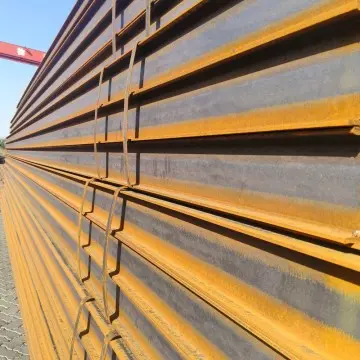
Structural Heavy H-Beam & Columns
Wide-flange hot-rolled structural H-beams designed for severe dynamic load absorption in crushing towers, conveyor supports, and heavy mining superstructures.
- ASTM A36 / Q235B
- Q355B Alloyed
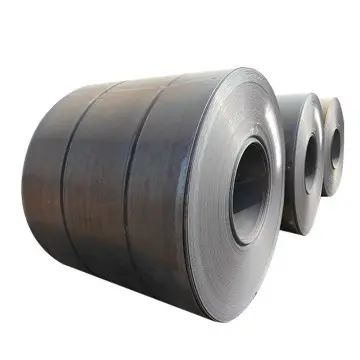
Q235B / Q345B High-Strength Coils
High-tensile coiled feedstock engineered for hydraulic pipe making, chassis fabrication, and heavy roll-forming applications with uniform thickness control.
- Slit Edges
- Mill Clean
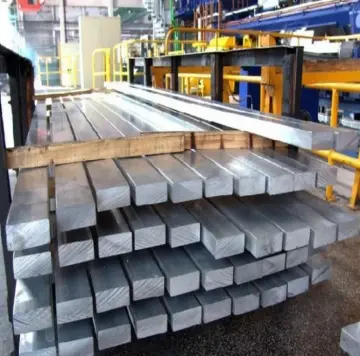
Q355 Wear-Resistant Flat Steel Bars
Heavy solid flat sections precision sawn and treated for wear strip liners, scraper blades, and foundation retaining assemblies under severe friction.
- 3-60mm Gauge
- HDG Available
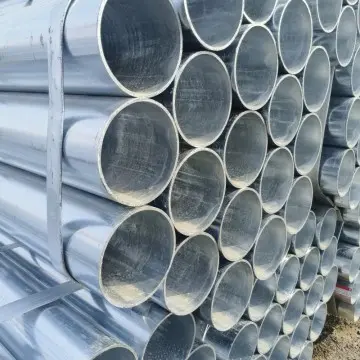
High-Pressure Hollow Steel Pipes
Heavy-wall industrial tubes and galvanized structural pipe modules manufactured for abrasive slurry transport and heavy structural loading.
- ERW / Seamless
- Anti-Corrosion
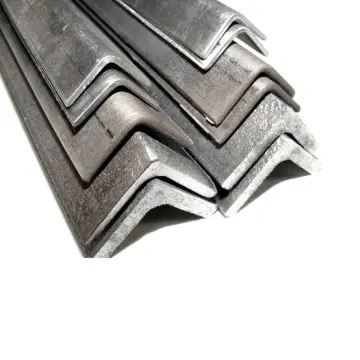
Heavy Equal & Unequal Angle Steel
Engineered structural angles treated for maximum fatigue resistance in earthmover buckets, quarry chutes, and material handling trusses.
- High Rigidity
- Perforated/Solid
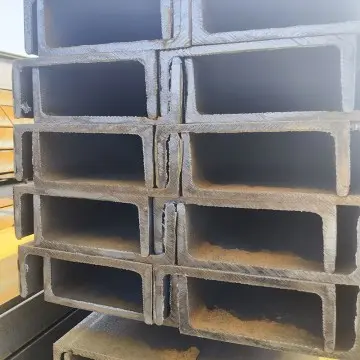
Hot-Rolled Structural Channel Steel
U and C channels calibrated for cross-chassis stiffening, dumper body subframes, and vibration-resistant equipment mounting frames.
- UPE / UPN Profile
- Q235 / Q355
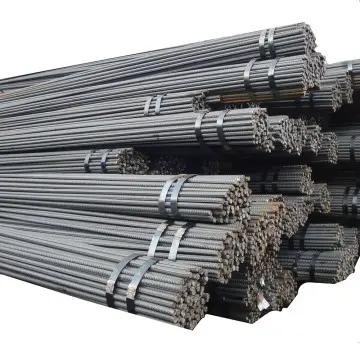
High-Yield Deformed Steel Rebar
Reinforcing ribbed long sections designed for seismic foundation stability, heavy crusher plinths, and industrial blast bunker concrete framing.
- 6mm - 40mm Range
- Grade 60 / B500B
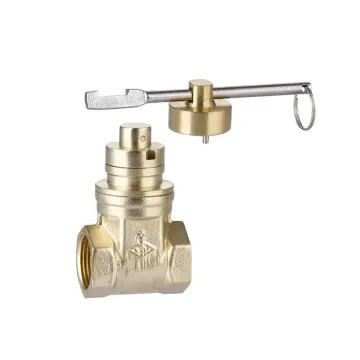
Abrasion-Resistant Slurry & Gas Valves
Cast and forged heavy industrial valves designed to withstand high-velocity particulate abrasive erosion in industrial processing conduits.
- Gate & Butterfly
- Severe Service
Comprehensive Metallurgy of Abrasion Resistant (AR) Steel Plates
Understanding the balance between Brinell hardness (HBW), martensitic grain refinement, low-temperature impact toughness, and field weldability.
Martensitic Transformation Kinetics
The core wear resistance of modern AR plates (such as NM400, NM450, and NM500) originates from precise Quenching and Tempering (Q+T) cycles. By heating steel above the austenite transition temperature (Ac3 ~ 880°C–920°C) followed by accelerated roller-spray high-pressure water quenching, the face-centered cubic austenite phase is rapidly converted into body-centered tetragonal lath martensite. This prevents soft ferrite-pearlite nucleation, locking carbon atoms in supersaturated solid solution and generating an interlocking microstructural barrier against gouging and scratching wear.
Microalloying: Boron, Titanium & Niobium
Direct hardness without toughness creates brittle fracture hazards. HZXY incorporates micro-quantities of Boron (0.0005%–0.003%) to substantially increase steel hardenability through the entire cross-section of plates up to 100mm thick. Titanium additions act as protective scavengers by fixing free nitrogen into inert TiN precipitates, preserving Boron in solid solution. Concurrently, Niobium and Vanadium form fine carbonitrides that pin austenite grain boundaries during thermomechanical hot rolling, preventing grain coarsening and boosting Charpy V-Notch impact absorption down to -40°C.
Wear Mechanisms: Impact vs. Sliding Abrasion
Different industrial operating environments exert vastly different mechanical wear regimes. Low-stress three-body sliding wear occurs when fine abrasive mineral particles move freely across hopper liners, requiring consistent Brinell hardness (400–450 HBW). High-stress two-body grinding occurs under crushing jaws where abrasives crush against metal plates, generating localized surface micro-cutting. Severe gouging impact wear in quarry shovel lips demands balanced ductility (minimum 10% elongation and >27J impact energy at sub-zero temperatures) to prevent brittle spalling.
| Nominal Grade | Hardness Range (HBW) | Yield Strength (MPa) | Tensile Strength (MPa) | Charpy V-Notch (-40°C) | Global Equivalent Standards |
|---|---|---|---|---|---|
| NM360 / AR360 | 330 – 390 | ≥ 1,000 | 1,100 – 1,300 | ≥ 27 Joules | Hardox 360, Fora 360, Raex 360 |
| NM400 / AR400 | 370 – 430 | ≥ 1,100 | 1,200 – 1,450 | ≥ 27 Joules | Hardox 400, XAR 400, Dillidur 400V |
| NM450 / AR450 | 420 – 480 | ≥ 1,200 | 1,300 – 1,600 | ≥ 24 Joules | Hardox 450, Creusabro 4800, Raex 450 |
| NM500 / AR500 | 470 – 540 | ≥ 1,300 | 1,450 – 1,750 | ≥ 20 Joules | Hardox 500, XAR 500, Dillidur 500 |
| NM600 / AR600 | 570 – 640 | ≥ 1,650 | ≥ 1,900 | ≥ 18 Joules (-20°C) | Hardox 600, Everhard 600 |
Proven Performance in Extreme Global Working Environments
Tailored metallurgical specifications matched to heavy industry installations operating across Latin America, the Middle East, Southeast Asia, and Africa.
Surface Mining & Earthmoving Buckets
For open-pit copper mines in Chile and iron extraction complexes in Western Australia, excavators operating with 15 to 40 m³ buckets encounter massive abrasion. Utilizing NM450 and NM500 cutting edges, cheek plates, and heel shrouds cuts overall deadweight compared to conventional Q355B structural steel by up to 35%, drastically increasing shovel payload efficiency while quadrupling service intervals between maintenance welding.
Aggregate Quarries & Cement Processing
Clinker grinding, rotary kiln chutes, and secondary gyratory crusher discharge zones experience constant granular attrition under moderate thermal stress. HZXY provides customized NM400 and NM450 wear plates cut to CAD drawing, incorporating countersunk bolt holes for quick bolted installation, eliminating costly mill shutdown time and preventing plant chute blowouts in continuous cement production lines.
Bulk Terminal Conveying & Port Chutes
Port terminals handling imported metallurgical coal, iron ore fines, and bauxite need exceptional resistance against sliding friction combined with atmospheric salt-fog corrosion. Pre-primed or galvanized wear liners made from tightly grain-controlled AR plates prevent material hang-up, eliminate chute wall thinning, and maintain high terminal throughput without unexpected structural leakage.
Scrap Recycling & Demolition Equipment
Hydraulic shears, shredder rotor boxes, and waste compaction bodies face unpredictable mechanical gouging from high-tensile metal alloys, concrete rebar, and abrasive glass debris. Equipping shredder side liners and crushing hammers with NM550 and NM600 ensures extreme edge stability under unyielding mechanical resistance, keeping scrap volume densification profitable.
Concrete Batching & Asphalt Roadbuilding
Asphalt screed plates, mixer paddle arm liners, and transit mixer drum spirals encounter continuous sliding friction from sharp silicate sand, gravel, and caustic alkaline lime slurries. The high work-hardening capacity of HZXY AR steel plate builds a dense, self-healing polished surface layer that actively slows mechanical wear progression over thousands of batch cycles.
The Tianjin-Tangshan Mega Industrial Cluster Advantage
How concentrated steelmaking infrastructure, integrated raw material supplies, and deep-water port proximity eliminate procurement bottlenecks.
Geographical Synergy in Daqiuzhuang, Tianjin
Headquartered within the Daqiuzhuang steel industrial cluster in Jinghai, Tianjin, with our second massive rolling base in Tangshan, HZXY operates within the world's most concentrated steel ecosystem. Blast furnace molten iron, ladle refining furnaces (LF), vacuum degassing (VD), continuous wide-slab casters, and heavy plate rolling mills operate within a tightly connected perimeter. This industrial proximity reduces transport transit from blast furnace to maritime container berth at Tianjin Port to just a few hours, insulating global buyers from unpredictable multi-vendor delays.
Unmatched Cost-to-Performance Ratio
Traditional Western European and North American AR steel plate producers carry substantial energy, logistics, and legacy overheads, often translating to lead times of 16 to 26 weeks and exorbitant per-ton surcharges. By capitalizing on Tangshan's integrated raw material blast furnaces and Tianjin's automated roller quenching lines, HZXY delivers wear plates matching tight ISO and EN chemistry tolerances at substantial procurement savings, accelerating capital payback for mining fleet owners and equipment OEMs.
Massive Ready Buffer Stock
Unscheduled mining or cement plant shutdowns cost thousands of dollars per hour. Unlike specialized boutique mills that only run wear plate heats semi-annually, HZXY maintains permanent buffer stock of standard NM400 and NM450 plates ranging from 4mm up to 80mm thickness at our 1,500-acre yard. Rapid cut-to-length and profiling services allow emergency order turnarounds to be marshaled, containerized, and sailed within tight production deadlines.
Single-Point Consolidations
Procurement teams for large mining projects do not just need wear plate—they also need structural H-beams for crushing plants, deformed rebar for concrete mill foundations, heavy slurry pipes, and pipeline valves. HZXY provides unified bill-of-materials consolidation, packaging wear plates alongside heavy structural profiles and piping packages inside single ocean bills of lading, saving significant documentation, customs brokerage, and sea-freight costs.
Engineering Roadmap: Next-Generation Wear Protection
How advancements in thermomechanical processing, microstructural tailoring, and green steelmaking are reshaping the industrial wear-plate landscape.
Ultra-Low Carbon Equivalent (CET)
Moving away from conventional high-carbon alloying to advanced Thermo-Mechanical Controlled Processing (TMCP). By lowering the Carbon Equivalent Value (CEV ≤ 0.45%), modern AR steel plates achieve 450–500 HBW surface hardness while permitting cold bending and ambient temperature welding without expensive preheating procedures.
Bainite-Austenite Complex Multiphases
Developing transformational carbide-free bainitic (CFB) matrices interleaved with retained austenite films. Under high dynamic impact, meta-stable retained austenite transforms into fresh hard martensite directly on the working wear face (TRIP effect), creating an impact-activated self-hardening protective shield.
Laser-Clad Chromium-Carbide Overlays
Integrating submerged arc and high-speed laser deposition to weld specialized Chromium Carbide Overlays (CCO) onto tough Q355B or AR400 substrate plates. This provides an ultra-hard exterior layer (58–64 HRC) capable of withstanding severe mineral abrasion at temperatures exceeding 600°C in clinker chutes.
Hydrogen-Enriched Electric Arc Furnace
Transitioning toward low-carbon footprint manufacturing by replacing blast-furnace coke with Direct Reduced Iron (DRI) and green hydrogen electric arc furnace (EAF) melting. This ensures future compliance with the European Carbon Border Adjustment Mechanism (CBAM) and strict global ESG reporting standards.
Global Commercial Dynamics: Total Cost of Ownership (TCO)
Evaluating upfront steel procurement costs against downstream downtime, equipment availability, and lifecycle replacement metrics.
The Flaw of Low Initial Purchase Bias
Procuring standard mild steel (e.g., A36 or Q235B) for abrasive mineral handling appears economical on initial purchase invoices. However, standard carbon steel wears out up to 5 times faster than NM400 in aggregate transfer points. Factoring in crane mobilization fees, certified welder field rates, lost plant production hours, and repetitive freight deliveries, standard steel liners exhibit an operational Total Cost of Ownership (TCO) that is 280% higher over a 36-month timeline compared to investing in proper wear-resistant steel plate.
Hedging Against Regional Mill Lead Times
Global supply chain volatility has introduced severe lead-time spikes across traditional European wear steel suppliers, frequently reaching half a year for non-standard heavy thicknesses (over 50mm). Heavy equipment manufacturers unable to source wear plates on schedule face severe contractual liquidated damages. HZXY acts as a global supply equalizer, leveraging consistent monthly production runs to fulfill custom size orders within predictable 15-to-30 day ocean vessel dispatch windows.
Consolidated Freight Economies of Scale
Wear plate shipments are dense and heavy, frequently incurring high LCL (less-than-container-load) surcharges when purchased from local distributors. HZXY pairs heavy plate orders with hollow sections, pipes, and beams to balance container mass and volume parameters perfectly, achieving optimized ocean freight rates per metric ton delivered straight to major hubs like Santos, Valparaiso, Durban, Jeddah, or Jakarta.
Rigorous Inspection Protocols & Mill Test Documentation
Every single heat and mother plate undergoes comprehensive mechanical, ultrasonic, and chemical validation before port dispatch.
EN 10204 3.1 & 3.2 Certification
All delivered abrasion-resistant plates are accompanied by Mill Test Certificates (MTC) detailing ladle chemical heat analysis (C, Si, Mn, P, S, Cr, Mo, Ni, B, Ti), carbon equivalent formulas (CEV/CET), surface and core Brinell hardness testing, and longitudinal/transverse tensile properties verified to international standards.
Non-Destructive Ultrasonic Testing (UT)
To eliminate subsurface internal defects, laminations, and hydrogen-induced cracking in heavy plates, our automated multi-channel ultrasonic testing systems inspect plates in full conformance with EN 10160 (classes S1E1 to S3E3) and ASTM A578 Level A/B, safeguarding fabrication operations against delamination during laser cutting and bending.
Independent Third-Party Verification
HZXY welcomes pre-shipment inspections from globally recognized third-party agencies including SGS, Bureau Veritas, TÜV, and DNV. Dimensional tolerances, flatness verification (exceeding standard EN 10029 Class N), edge squareness, surface finish, and cold-stamped heat traceability numbers are rigorously audited before port loading.
Engineering Questions Answered by Steel Specialists
Clear, metallurgically accurate guidance on cutting, forming, welding, and specifying abrasion-resistant steel plate grades.
Integrated Engineering Materials & Structural Products
Consolidate your heavy procurement requirements under one verified manufacturer to reduce supply risk and international shipping overhead.
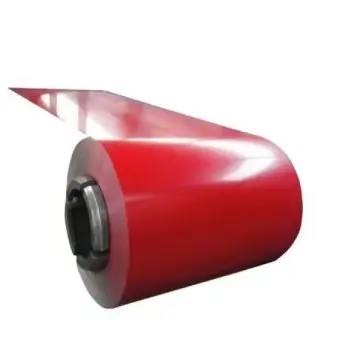
Prepainted Galvanized Steel Coils (PPGI)
Double-coated protective prepainted steel coils in RAL colors for high-durability roofing and wall cladding in tough industrial mining camps.
- PPGI / PPGL
- UV-Resistant
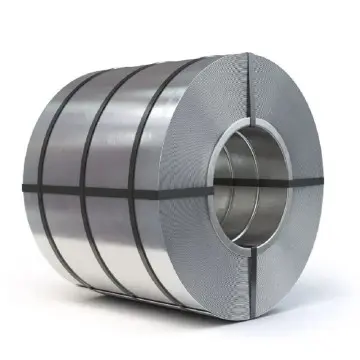
DX51D - DX54D Galvanized Steel Coils
High-purity zinc-coated continuous steel coil stock engineered for structural forming, HVAC ducting, and industrial equipment enclosures.
- EN 10346
- Zero Spangle
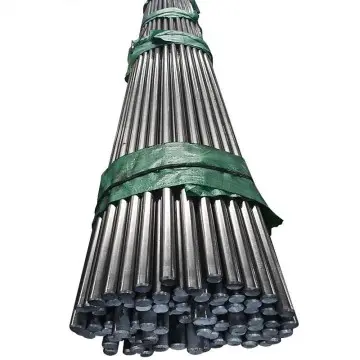
High-Tensile Precision Round Steel Bar
Solid smooth round bar stock hot-dip galvanized or bright drawn, tailored for heavy mechanical shafts, pins, and tie-rod assemblies.
- Machining Grade
- HDG Coated
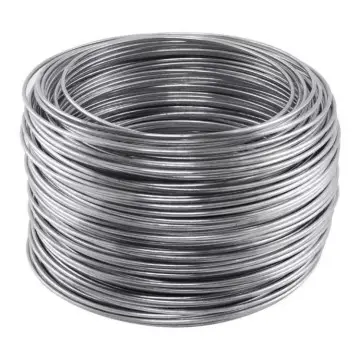
SAE1080 / Q235 Hot-Rolled Wire Rod
Premium low and high carbon coiled wire rods for industrial nail manufacturing, reinforcing mesh, wire drawing, and pre-stressed cables.
- 5.5mm - 16mm
- Coil Form
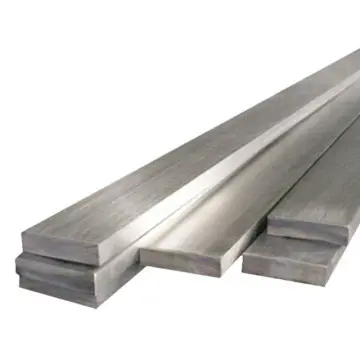
Hot-Rolled Q235B / Q355B Carbon Flat Bar
Precision square-edged flat bar profiles utilized widely across grating manufacturing, machine frames, and earthmoving brackets.
- Mill Finish
- Weld-Ready
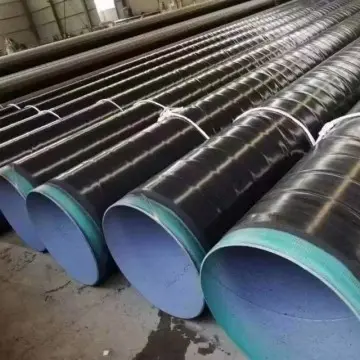
Heavy Slurry & Infrastructure Steel Pipe
Spiral submerged arc welded (SSAW) and longitudinal pipes internally lined and externally 3PE-coated for slurry handling lines.
- API 5L / ASTM
- 3PE Coated
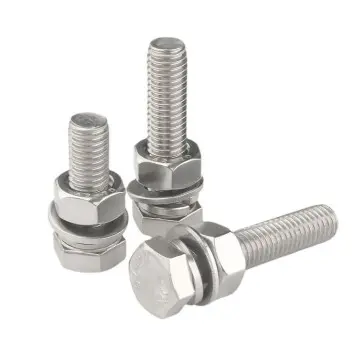
Heavy Fabricated Structural Assemblies
Engineered hardware, custom brackets, anchor assemblies, and wear liner retaining accessories manufactured to engineering drawings.
- Custom Sizes
- Drawing Specific
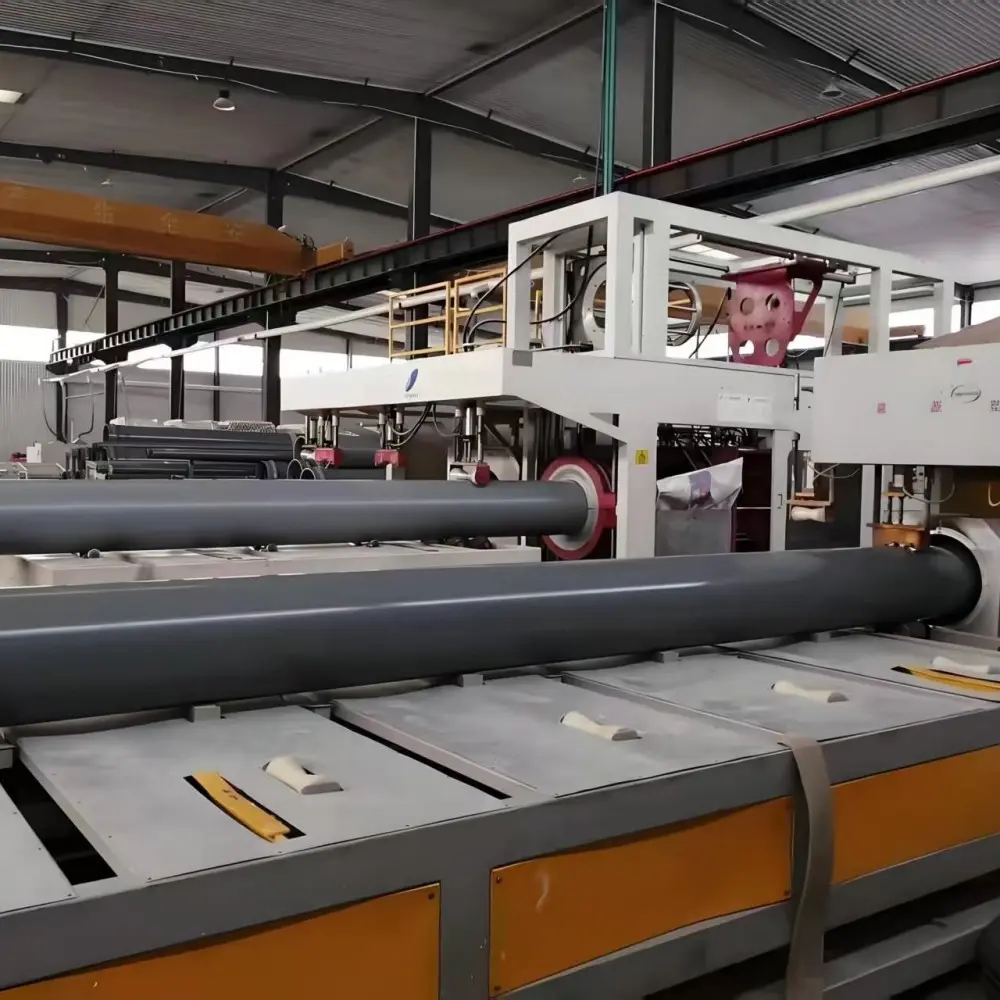
HDPE & PVC Fluid Engineering Pipe Systems
Corrosion-immune thermoplastic pipelines, high-density polyethylene drainage networks, and industrial conduits for mining plant MEP packages.
- Water / Gas
- Chemical Resistant
Direct Technical Engagement with HZXY Metallurgy Team
Whether specifying NM450 bucket liners for open-pit mining operations, NM500 chute wear strips for a cement kiln expansion, or full structural packages (H-Beams, Rebar, Coils, and Pipes), our English-speaking engineering and export specialists provide direct mill quotes, equivalent grade cross-matching, and complete project BOM logistics.