
Featured Industrial Piping & Deep-Buried Infrastructure Series
Engineered for municipal gravity drainage, industrial corrosive effluent discharge, and civil utility networks. Explore factory-direct stock ready for immediate export containerization.

HDPE Reinforced Wound Structured Wall Type B Pipe
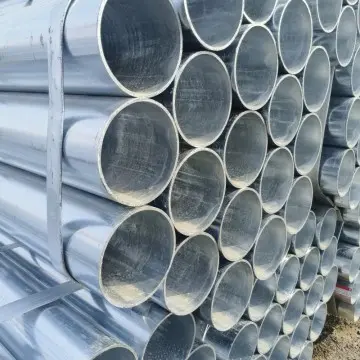
PE100 Potable Water Supply & Pressure Transmission Pipe
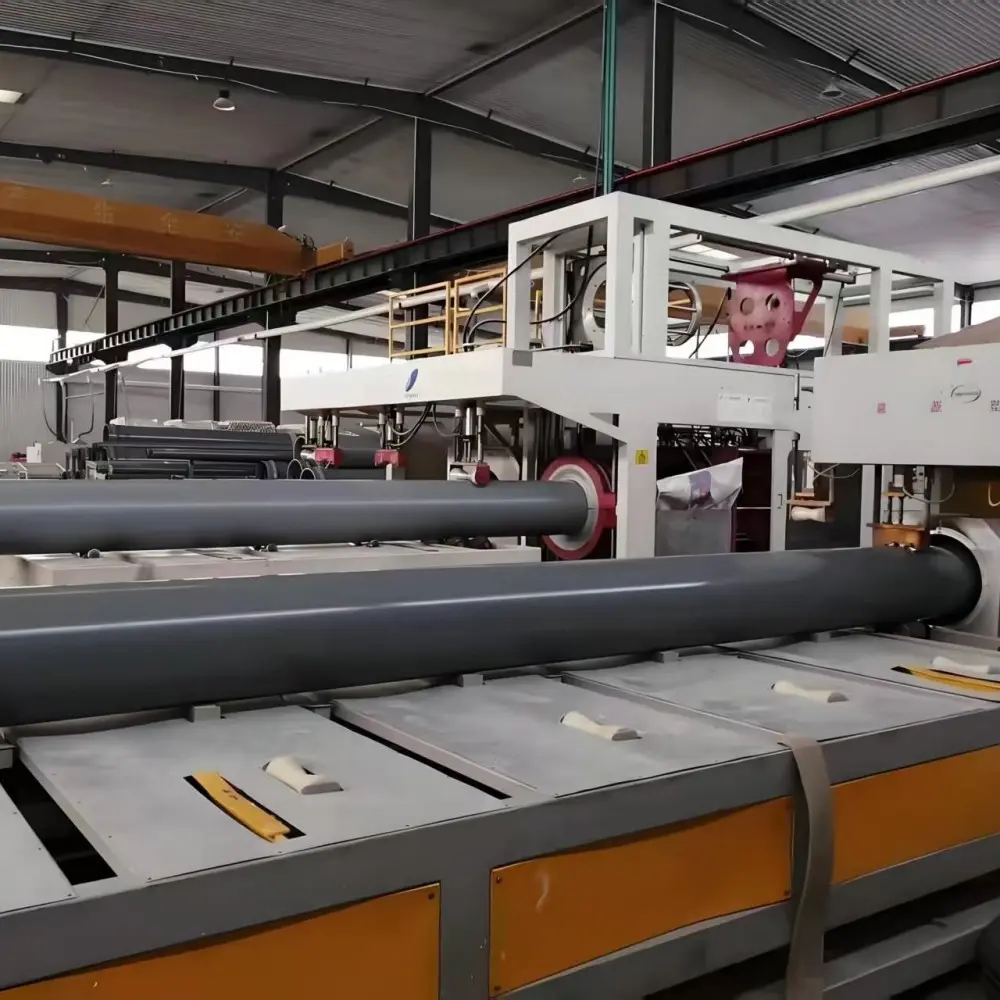
Plastic Building Materials & Drainage Fitting Systems
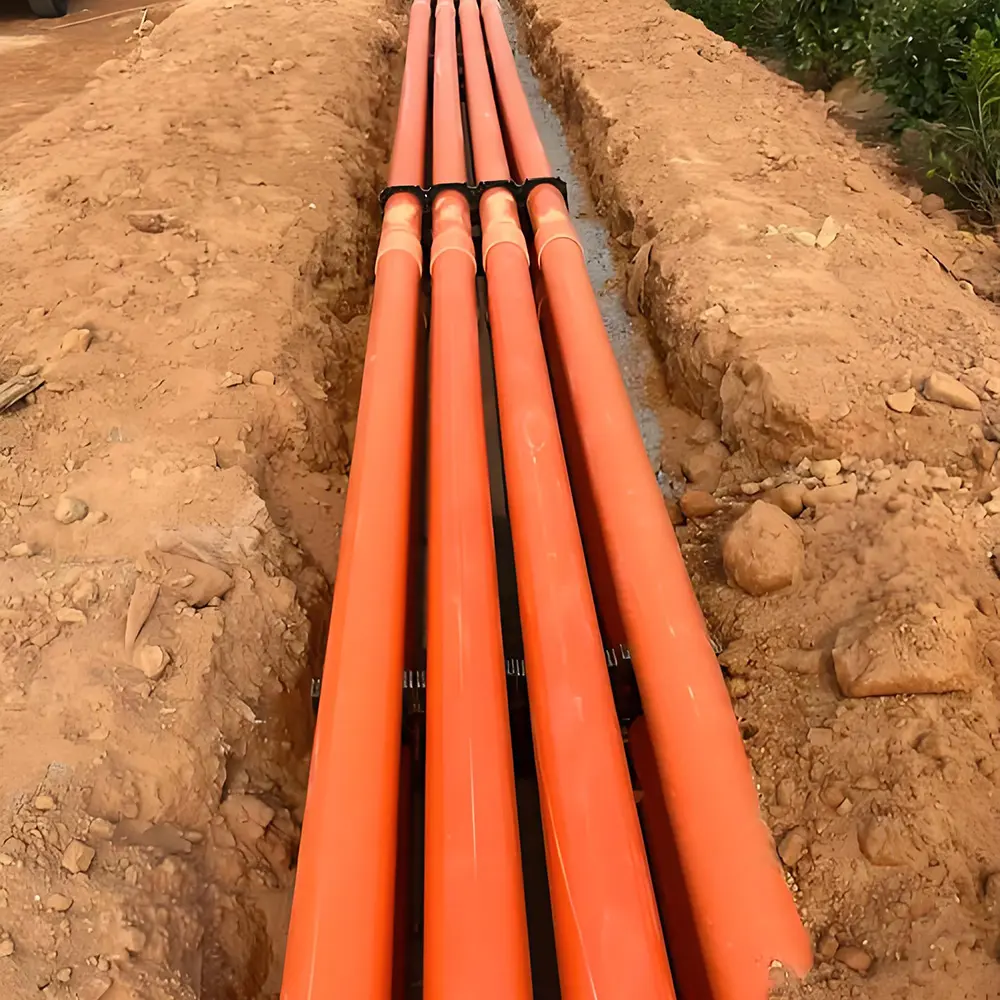
High-Voltage Electrical Conduit & Cable Protection Pipes
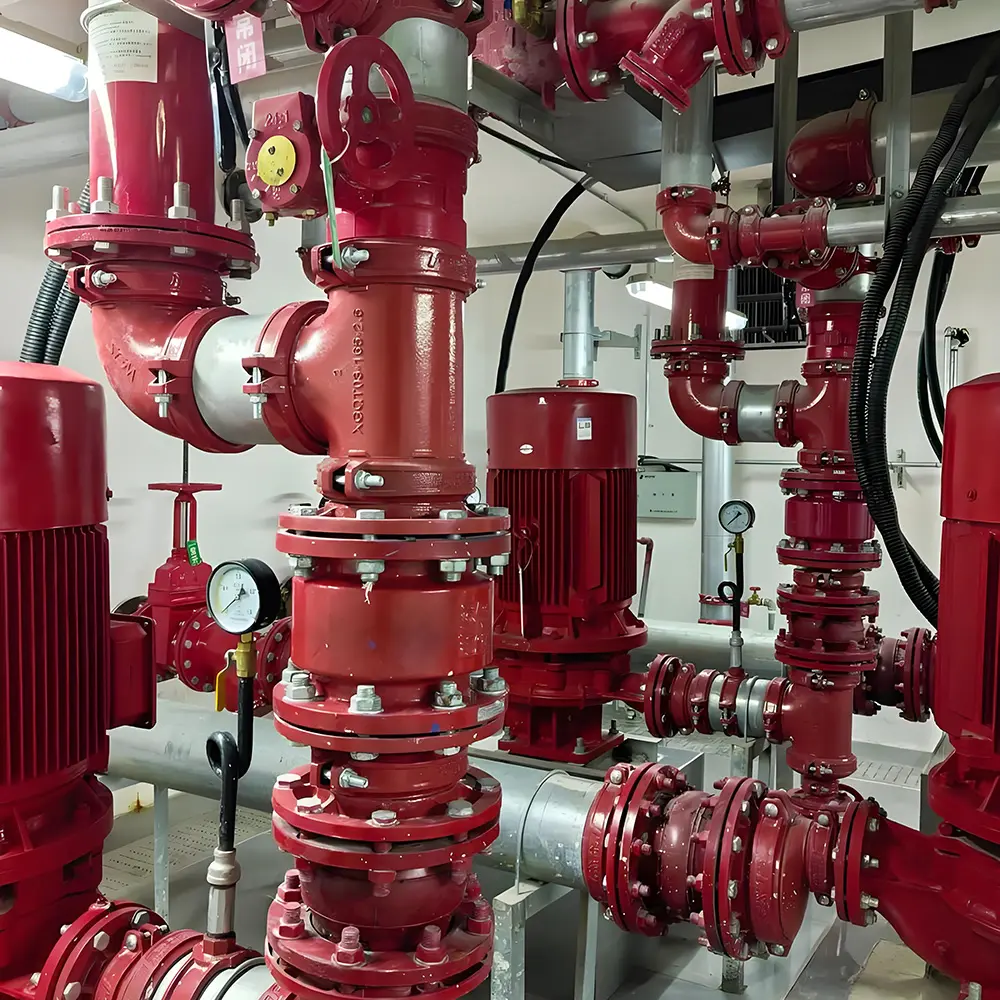
PE100 Natural Gas Transmission & Fuel Distribution Pipe
Communication Duct & 5G Optical Fiber Protection Tubing
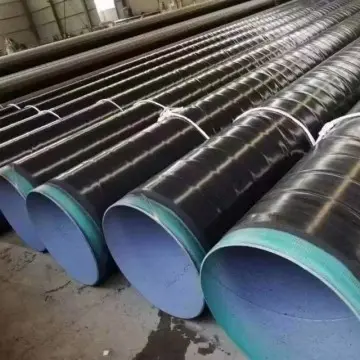
Steel-Reinforced Polyethylene Spiral Drainage Pipe (SRPE)
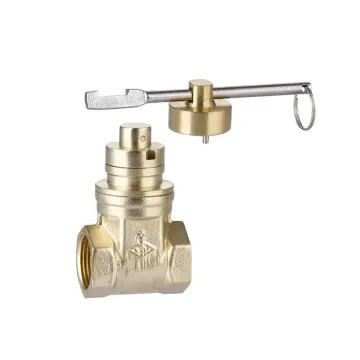
Pressure-Resistant Heavy Gate, Butterfly & Check Valves
HDPE Reinforced Wound Structured Wall Type B Pipe: Technological Fundamentals
Commonly known across European and global municipal sectors as the Krah Pipe or Carat System, Type B wound pipes represent the pinnacle of heavy-duty thermoplastic pipeline engineering.
HDPE Reinforced Wound Structured Wall Type B Pipe is manufactured through an advanced, hot-winding continuous extrusion thermal molding process. Unlike conventional twin-wall corrugated pipes or Type A structural pipes (which typically utilize hollow profiles with glued or elastomeric gasket bell joints), Type B pipes are characterized by a completely monolithic, smooth inner waterway with an integrated outer spiral rib reinforcement. Crucially, the manufacturing technique allows the integral forming of an electrofusion wire pre-embedded in the socket during the winding process, guaranteeing a permanent homogeneous fusion joint on site.
Profile Topologies: PR, SQ, VW, and Custom Hydraulic Ribbing
The core mechanical advantage of Type B technology is its flexible cross-sectional profiling. Depending on design burial depth, live traffic loading (such as AASHTO HS-20 or EN 1433 CL600 aircraft taxiway conditions), and fluid buoyancy, production lines configure the wall profile dynamically:
- Profile PR (Closed Profile Rib): Hollow closed trapezoidal or circular profile ribs wrapped along the outside. Provides superior strength-to-weight ratios for standard municipal storm sewers and low-pressure transmission up to 0.4 MPa.
- Profile SQ (Solid Profile): Monolithic solid thick-walled extrusion designed for high soil friction resistance, trenchless directional drilling (HDD), and deep-shaft microtunneling jack-in sleeves.
- Profile VW (Variable Wall): Multi-layer hollow core geometry with reinforced intermediate webbing, allowing custom ring stiffness configurations from SN2 up to SN16+ without requiring non-standard raw resins.
Monolithic Electrofusion Joint
Unlike mechanical gasket joints that can degrade, slip, or leak under seismic shearing, the Type B joint integrates pre-embedded electric heating wires into the bell socket. Electrofusion turns pipe segments into a single continuous welded conduit resistant to tree root penetration and cyclic ground displacement.
Unmatched Hydraulic Efficiency (n=0.009)
Featuring Manning roughness coefficient n = 0.009, the co-extruded high-density polyethylene inner liner prevents calcification, grease buildup, and bacterial slime adhesion. Smaller nominal diameters can achieve equivalent fluid discharge volumes compared to rough concrete culverts (n=0.013–0.015).
Superior Abrasion & Chemical Resistance
The PE100 matrix provides extraordinary wear resistance (Darmstadt rock wear test verified), outlasting cast ductile iron, vitrified clay, and reinforced concrete by 3 to 5 times when conveying sludge, silica gravel slurries, or aggressive pH 1–14 industrial effluent.
| Pipeline Parameter | HDPE Wound Type B (Krah) | Reinforced Concrete (RCP) | Ductile Iron Pipe (DIP) | Corrugated PVC-U |
|---|---|---|---|---|
| Joint System | Integrated Electrofusion Socket (Welded) | Mortar / Rubber Bell & Spigot | Push-on Tyton Mechanical Gasket | Elastomeric O-Ring Gasket |
| Hydraulic Roughness (Manning n) | 0.009 (Exceptional Flow) | 0.013 – 0.015 (High Friction) | 0.011 – 0.012 (Moderate) | 0.010 (Good Flow) |
| Design Service Life | > 50 to 100 Years | 20 – 30 Years (Acid Vulnerable) | 35 – 50 Years (Prone to Soil Corrosion) | 30 – 50 Years (UV/Cold Brittleness) |
| Seismic & Settlement Tolerance | Flexible Ductility (Elongation > 350%) | Brittle Rigid (Cracks under ground shifts) | Moderate (Prone to joint pullout) | Moderate (Joint displacement risks) |
| Chemical pH Range | pH 1 to pH 14 (Total Immersion) | pH 5.5 to pH 9 (Sulfuric acid degrades) | pH 4 to pH 10 (Coating dependent) | pH 2 to pH 12 (Solvent vulnerable) |
| Handling & Trench Speed | Lightweight (Rapid crane placement) | Extremely Heavy (Heavy crane required) | Heavy (Slower logistics) | Lightweight (Size limited < DN1200) |
China Factory 4.0: Scale, Supply Chain Resilience & Processing Control
Headquartered within the Daqiuzhuang industrial belt with dual mega-facilities across Tianjin and Tangshan, we operate 1,500 acres of advanced manufacturing lines capable of processing over 10 million tons of structural steel, composite piping, and thermoplastic building products annually.
Automated Microprocessor Winding
German-designed PLC servo extrusion tracks continuously monitor melt temperature, feed speed, and winding angle, ensuring zero micro-voids between spiral laminations and continuous outer rib structural geometry.
Tier-1 Certified Virgin Raw Resins
All production uses genuine Sinopec, PetroChina, Borealis, or Sabic certified PE100 and PE100-RC polymer compounds with standardized carbon black dispersion (≥2.25%) for maximum resistance to UV weathering and slow crack growth.
Multi-Stage Inline QA/QC Testing
Our internal testing laboratory is equipped for ring stiffness verification (ISO 9969), ring flexibility tests without delamination (ISO 13968), electrofusion weld peel tests, and creep ratio determinations to deliver certified mill test reports (MTR).
Container Nesting & Freight Optimization
Large-diameter HDPE Type B pipes offer ideal telescopic nesting characteristics (e.g., DN600 inserted into DN1000, inserted into DN1500), lowering sea freight expenses per cubic meter by up to 55% via Tianjin Port container and break-bulk terminals.
Macro-Industry Solutions: Where Type B Pipes Eliminate Engineering Bottlenecks
From deep municipal stormwater collectors to offshore chemical effluent pipelines, HDPE Reinforced Wound Structured Wall Type B pipes solve critical corrosion and structural fatigue challenges.
Smart Sponge Cities & Storm Retention
Type B wound pipes handle ultra-large diameters up to DN4000, serving as modular underground stormwater detention tanks and urban retention conduits. With 100% water tightness, they prevent urban road subgrade collapse caused by pipe infiltration and water table loss.
Industrial Chemical Parks & Mining Effluent
Conveying acidic tailing slurries, brine wastewater, petrochemical effluent, and metal finishing liquids causes standard concrete and metal pipes to disintegrate in months. Type B PE100 matrix handles continuous aggressive chemistry (pH 1–14) without expensive internal coatings.
Coastal Marine Outfalls & Subsea Intake Lines
With high ductile flexural modulus and specific gravity slightly below water (0.94–0.96 g/cm³), Type B pipes are easily floated to location and submerged into dredged marine trenches using precast concrete ballast collars. They are immune to seawater sulfate attacks and marine fouling.
Global Procurement Playbook: Standards, Mill Testing & Trade Terms
Contractors, EPC conglomerates, and municipal concessionaires demand verified technical transparency. We align bidding requirements with comprehensive compliance protocols.
International tenders governed by FIDIC contracts require strict documentation to prevent project halts during third-party inspection stages. When submitting purchase orders or RFQs for HDPE Reinforced Wound Structured Wall Type B pipes, our international trade division verifies and supplies complete certification packages:
Standard Harmonization
We furnish dual-certified test filings cross-referencing European EN 13476-3, German DIN 16961, American ASTM F894, and Chinese GB/T 19472.2 standards, confirming mechanical ring stiffness (SN4, SN8, SN12.5, SN16) and flexibility ratings.
Third-Party Mill Inspection
We welcome independent surveyors such as SGS, Bureau Veritas (BV), TÜV SÜD, and Intertek at our Tianjin facilities. Testing protocols cover wall thickness ultrasonics, raw polymer melt flow index (MFI), carbon black content, and hydro-testing of welded joints.
Flexible Trade & Financial Terms
We support standard Incoterms 2020: FOB Tianjin, CFR/CIF to destination ports across the Middle East, Southeast Asia, Africa, and Latin America. We facilitate Irrevocable Letters of Credit (L/C at sight), T/T staged milestones, and comprehensive cargo marine insurance.
BOM Consolidation: The One-Stop Sourcing Edge
Large infrastructure packages rarely require piping alone. As an integrated manufacturer across Daqiuzhuang, we empower EPC contractors to consolidate mixed Bills of Materials (BOM) into synchronized shipping schedules. Combine large-diameter HDPE Type B drainage pipelines with structural H-beams for culvert shoring, deformed rebar for intake chambers, galvanized steel conduit for electrical lines, and heavy-duty gate/butterfly valves. This consolidation eliminates multi-vendor coordination chaos, reduces port demurrage, and cuts overall ocean logistics overhead by up to 22%.
Technical Roadmap: Smart Pipes, PE100-RC Polymers & Circularity
Pipeline engineering is evolving rapidly. Discover our forward-looking research and developmental horizons designed for 100-year infrastructure resilience.
PE100-RC Crack-Resistant Resins
By integrating PE100-RC (Raised Crack Resistance) polymers into the inner and outer structural wall matrix, pipes withstand Point Load and notch stress crack growth under sand-less, non-gravel trench backfilling. This dramatically slashes municipal aggregate excavation and transport costs.
IoT Embedded Sensor Smart Conduits
Our R&D engineering wing is piloting fiber-optic Distributed Acoustic Sensing (DAS) and distributed temperature monitoring tracks coiled within the hollow rib structure during spiral extrusion. This delivers real-time detection of subsurface subsidence, seismic displacement, and unauthorized tap-ins.
Carbon-Neutral Recyclability & LCA
High-density polyethylene is 100% recyclable. Our closed-loop manufacturing recycles 100% of internal trim cuttings into non-pressure secondary profiling. Compared to carbon-intensive Portland cement pipe production, Type B pipes slash cradle-to-gate embodied carbon emissions by over 45%.
Frequently Asked Questions for Overseas Buyers & Engineers
Authoritative technical answers to common queries regarding joint execution, deflection calculations, and international purchasing procedures.
What is the definitive engineering difference between HDPE Type A and Type B pipes?
Under standards such as EN 13476-3 and GB/T 19472.2, Type A pipes feature structured walls with both a smooth inner and smooth outer surface (or double-wall corrugated profiles) joined primarily with rubber gasket bell-spigot fittings. Type B pipes (commonly known as Krah or Carat pipes) feature a smooth inner bore and an open or closed spiral external rib profile with an integrated, pre-embedded electrofusion socket and spigot. This welded joint provides continuous monolithic axial pullout resistance and completely eliminates root intrusion and leakage under high ground water pressure.
How is the electrofusion joint energized and tested on the construction site?
Every Type B pipe segment is produced with embedded heating wire coils inside the bell socket. On-site, pipes are aligned and pulled together using hydraulic pullers. A dedicated automatic electrofusion control unit connects to the pipe's exterior terminals. Using automated barcode scanning or preset voltage/time parameters, current heats the polyethylene interface to melt and fuse the socket and spigot together. After cool-down, the joint is fully homogeneous and can immediately undergo low-pressure air testing (ASTM F1417) or hydrostatic testing.
Which ring stiffness (SN) rating should be specified for deep burial or highway traffic?
Ring stiffness is chosen based on soil modulus, trench depth, groundwater height, and surface wheel loading. For standard shallow residential footpaths, SN4 (4 kN/m²) may suffice. For standard municipal storm sewers under 2 to 6 meters of cover with highway traffic (AASHTO HS-20 or EN 1433 CL400), SN8 (8 kN/m²) is the global benchmark. For deep culverts exceeding 6 to 10 meters, railway crossings, or airport runways, we engineer custom SN12.5 and SN16+ wall profiles.
Can HDPE Type B pipes be connected to existing concrete manholes or ductile iron pipes?
Yes. We manufacture customized HDPE puddle flange collars, electrofusion branch saddles, and mechanical flange adaptors (flanged stub ends with galvanized steel backing rings). For concrete manhole entries, water-stop rings with non-shrink hydrophilic elastomeric sealants prevent annular seepage. We can also pre-fabricate 100% monolithic HDPE manholes with pre-welded Type B pipe inlets and outlets.
What are the freight containerization and nesting options to reduce shipping costs?
Because Type B pipes feature a smooth inner bore, our logistics loading team executes telescopic nesting configurations. For instance, DN400 or DN500 pipes can be loaded inside DN800 or DN1000 pipes, which are then packed into 40ft High Cube containers. For extra-large diameters (DN1400 up to DN4000), orders are shipped via chartered break-bulk vessels out of Tianjin Port with customized timber saddles and nylon strap bracing.
What documentation is delivered alongside export shipments for customs & consultants?
Every order is accompanied by an official Inspection and Mill Test Certificate (EN 10204 3.1 equivalent), raw material batch traceability sheets, hydrostatic/ring stiffness lab test records, Certificate of Origin (CO, Form E, Form A, or Chamber of Commerce legalized), Commercial Invoice, Detailed Packing List with serial numbers, and Clean On Board Bill of Lading.
Explore Full Product Lines & Combined Export Packages
Streamline your supply chain by procuring certified structural profile steel, reinforced piping systems, civil plastic lines, and flow-control valves under one containerized invoice.
HDPE Large-Diameter Type B Winding Drainage Pipe
PE100 High Pressure Water Mains & Irrigation Pipe
Plastic Building Materials, Prefab Manholes & Chambers
Buried Power Cable Conduit & Mechanical Protection Tubing
SDR11 / SDR17.6 PE100 Gas Distribution Pipeline
Multi-Hole Fiber Optic Communication Microduct Conduit
Steel-Belt Reinforced PE Spiral Culvert Pipeline