
High-Integrity Piping & Structural Materials Stock
Explore production-grade composite piping, heavy section structural members, and industrial fluid transmission lines stocked year-round across our 1,500-acre facility.
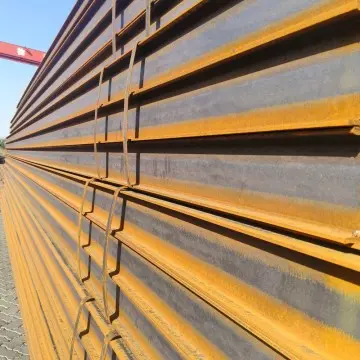
A36 / Q235 Grade Structural H-Beam
Wide-flange H-beams for heavy industrial frames, pipe racks, and municipal water conservancy superstructures.
View Quotation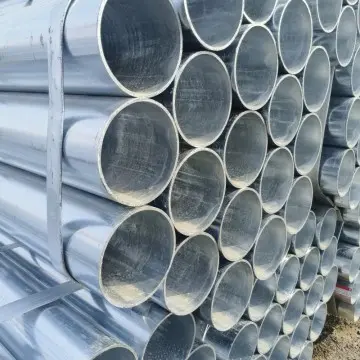
Galvanized Scaffolding Steel Pipe
High-yield round structural steel pipe for scaffolding, load-bearing racks, and heavy pipeline staging.
Explore Line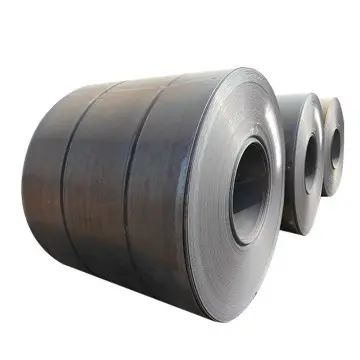
Carbon Steel Coil (Q235B / Q355B)
Feedstock for spirally welded pipes and mechanical fabrication with uniform wall thickness tolerances.
Request Pricelist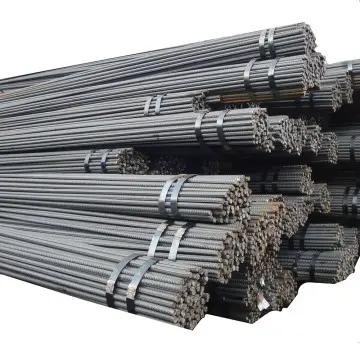
Deformed Concrete Rebar (6–12mm)
High-tensile ribbed reinforcement rebar engineered for pipeline bedding and concrete retaining vaults.
Factory Direct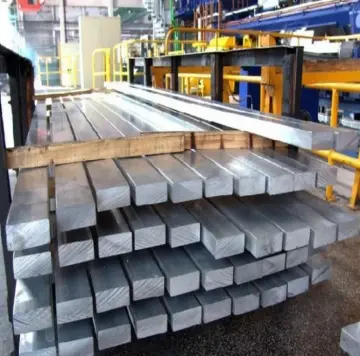
HDG Carbon Flat Steel (3–60mm)
Hot-dip galvanized grounding and joint reinforcement flat bars for corrosive municipal soil deployment.
Order Specs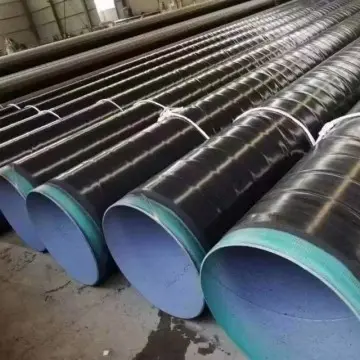
Anti-Corrosion Coated Steel Line Pipe
Engineered multi-layer anti-corrosion barrier piping tailored for high-pressure chemical transport.
Technical Data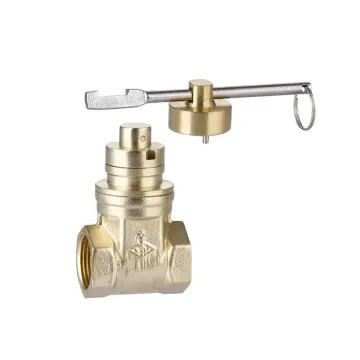
Pressure-Rated Industrial Flow Valves
Precision gate, butterfly, and check valves matched directly with high-pressure PE composite piping lines.
Select Valves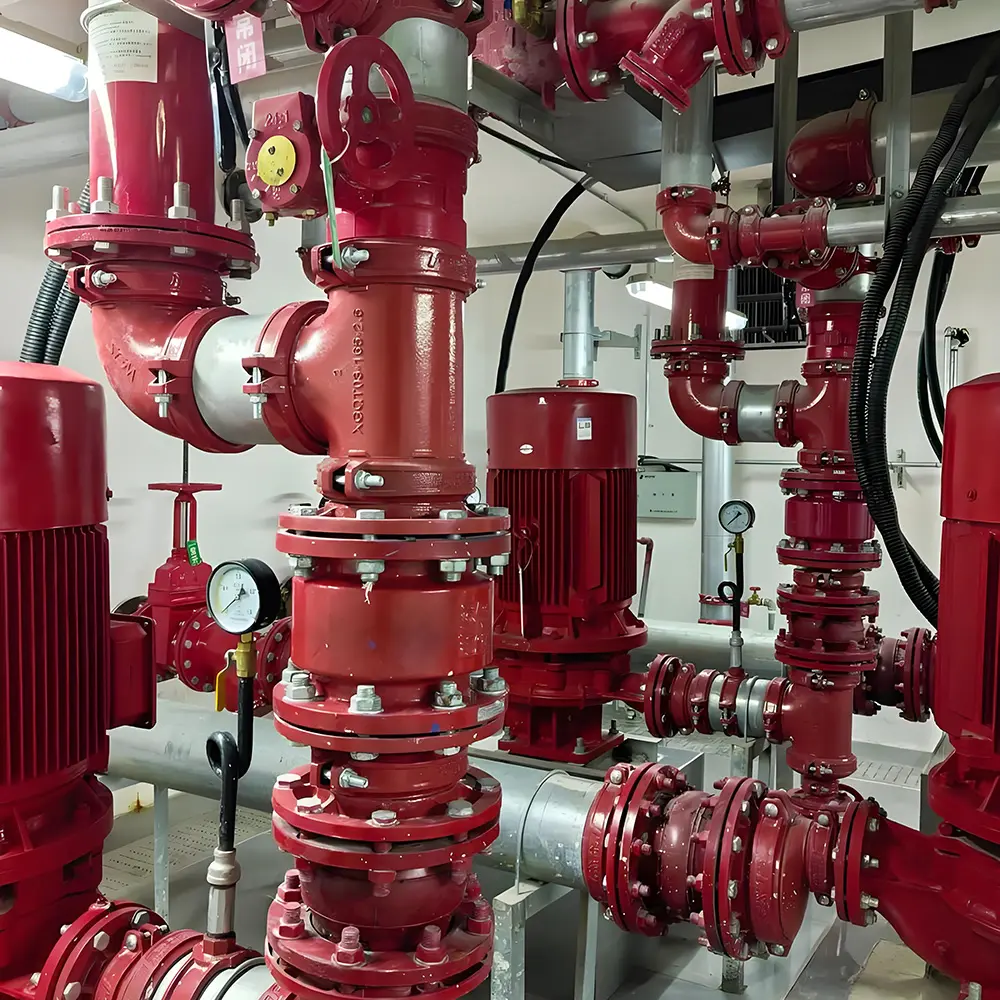
Water Supply & Gas Transmission Pipes
High-density PE and steel mesh composite pipelines certified for potable water networks and pressurized town gas.
Municipal SolutionsGlobal Landscape of PE Steel Wire Mesh Skeleton Composite Pipes
A technical assessment of modern bimetallic thermoplastic pipelines revolutionizing high-pressure fluid conveyance across demanding geological environments.
The Structural Composite Architecture
Polyethylene Steel Wire Mesh Skeleton Composite Pipe (commonly classified under standards like CJ/T 189) represents a major leap over unreinforced solid-wall HDPE (PE100/PE80). By helically winding and resistance-welding high-tensile steel wire into a porous cylindrical skeleton bonded between internal and external layers of high-density polyethylene using a specialized modified adhesive resin, the pipe eliminates brittle fracture risks while increasing creep resistance by over 300% under continuous hydrostatic loading.
Global Market Shift from Ductile Iron
Worldwide infrastructure planners are rapidly transitioning away from ductile iron pipe (DIP) and lined carbon steel in municipal water distribution, desalination plants, and coal-bed methane extraction. Steel wire skeleton composite pipes deliver complete immunity to electrochemical soil corrosivity without cathodic protection, significantly lower pipeline friction losses (Hazen-Williams C=150), and slash installation timelines through lightweight spool lengths and electrofusion coupling mechanisms.
Thermal & Creep Expansion Dynamics
Traditional solid thermoplastic pipes suffer from high thermal linear expansion (typically 0.15–0.20 mm/m·°C), demanding costly expansion loops in above-ground installations. The embedded mesh in steel-polyethylene skeleton composites reduces linear expansion to approximately one-third of pure HDPE values, providing structural axial rigidity comparable to steel pipe while retaining the flexible ground-settlement resilience necessary for seismic fault zones.
Engineering Comparative Evaluation Matrix
Quantitative analysis comparing PE Steel Wire Mesh Skeleton Composite Pipe with traditional municipal and industrial pipeline materials.
| Performance Metrics | PE Steel Wire Mesh Composite Pipe | Solid-Wall PE100 HDPE | Ductile Iron Pipe (DIP) | Seamless Carbon Steel |
|---|---|---|---|---|
| Operating Pressure Range | Up to 3.2 MPa (PN32) | Typically ≤ 1.6 MPa (PN16) | Up to 4.0 MPa (Push-on) | Exceeds 10.0 MPa |
| Long-Term Creep Resistance | Exceptional (Steel mesh absorbs hoop stress) | Prone to stress relaxation at >25°C | Rigid (No creep) | Rigid (No creep) |
| Corrosion & Scaling Resistance | 100% Inert (Internal/External PE) | 100% Inert | Subject to galvanic/tuberculation attack | Requires regular lining/cathodic systems |
| Thermal Expansion Rate | Low (~0.05–0.07 mm/m·°C) | High (~0.18 mm/m·°C) | Minimal (~0.01 mm/m·°C) | Minimal (~0.012 mm/m·°C) |
| Rapid Crack Propagation (RCP) | Arrested by steel wire boundary | Critical temperature/pressure limits apply | Brittle fracture risks under shear | Crack mitigation requires heavy thickness |
| Connection Integrity | Full-restraint Electrofusion (Zero leak) | Butt Fusion or Electrofusion | Push-on Tyton Joints (Restraints extra) | Field Butt Welding (High QA/QC cost) |
Global Project Environments & Localized Utility Scenarios
Field-proven engineering performance adapted across municipal infrastructure, offshore processing, and harsh mining terrains.
Deep-Well Salt Brine & Desalination Networks
In coastal SWRO (Seawater Reverse Osmosis) plants and high-salinity brine transmission, metallic pipes fail within 36–48 months due to severe pitting. PE steel wire composite pipe systems sustain continuous PN25 operating pressures under 45,000 ppm chloride content without needing titanium or super-duplex alloys.
Pressurized Town Gas Distribution
Demanded in urban networks where high density urban traffic generates dynamic vehicle loads over buried utilities. The composite skeleton dampens point loads while offering gas impermeability vastly superior to pure polyethylene, eliminating methane permeation issues across sandy or waterlogged trenching zones.
Mining Tailings & Acidic Slurry Transmission
Transports highly abrasive metalliferous tailings, copper leach slurries, and mine drainage water with pH levels from 1.5 to 13. The smooth non-polar inner PE lining yields higher volumetric throughput while the high-tensile steel wire matrix supports aggressive hydraulic surge and water-hammer impacts.
End-to-End Enterprise Procurement Matrix for Major Contractors
Overcoming cross-border supply fragmentation by unifying high-grade structural steel and advanced thermoplastic composite pipelines.
Turnkey Consolidated Bill of Materials
International contractors frequently suffer 15–20% operational margin erosion by sourcing pipeline packages separately from structural support steel and pump-station valving. We solve this by co-loading PE composite piping lines alongside matching H-beams, channel supports, anchor plates, and industrial valves straight from our Tianjin loading hub.
Stringent QA/QC Testing Protocol
Every spool of PE steel mesh skeleton composite pipe undergoes 100% hydrostatic proof testing, peeling strength peel-adhesion testing between the steel skeleton and PE matrix, Melt Flow Rate (MFR) benchmarking, and X-ray coordinate scans to ensure perfect concentricity of the reinforcement mesh before containerization.
Global Container Nesting Logistics
Optimized freight management minimizes dead-space freight charges. Smaller diameter PE composite pipelines, conduit tubes, or solid flat bars are telescoped directly inside larger pipes (DN315–DN630), lowering CBM freight costs per metric ton by up to 35% on break-bulk and 40HQ ocean containers.
Precision Manufacturing Bases in Tianjin & Tangshan
Operating since 1996 across 1,500 acres of advanced industrial capacity, producing over 10 million tons of certified steel and composite products annually.
Advanced Extrusion Lines
Equipped with computerized, continuous co-extrusion and high-precision steel wire mesh resistance welding lines. Temperature-controlled compounding preserves PE virgin resin properties while securing a cross-ply bond with specialized hot-melt adhesive resins.
Strategically Sited at Tianjin Port Hub
Located in Daqiuzhuang Industrial Zone, Jinghai District, Tianjin, our direct access to Tianjin Port allows bulk logistics to reach international job sites across Africa, Southeast Asia, South America, and the Middle East within minimal shipping turnarounds.
Full In-House Fabrication Services
Our workshops provide end-to-end processing: custom beveling, electrofusion coupling pre-assembly, cut-to-length tailoring, flange adaptors, hot-dip galvanizing, and anti-corrosive external spray finishes for all ancillary steel supports.
Technology Roadmap & Smart Pipeline Horizon
Advancing composite piping systems through material science, sensor-integrated tracking, and decarbonized manufacturing processes.
PE-RT II High-Temp Composites
Integrating Polyethylene of Raised Temperature Resistance (PE-RT Type II) resins with the reinforced wire mesh matrix to boost continuous fluid conveyancing temperatures from 60°C up to 95°C for industrial geothermal and district heating grids.
Sensor-Embedded Smart Piping
Embedding fiber optic strain lines directly into the skeleton mesh layer during the continuous winding stage, enabling automated real-time acoustic leak detection, hoop strain mapping, and ground subsidence tracking via centralized SCADA panels.
Ultra-High-Pressure Hydrogen Blends
Developing specialized barrier liners tailored to transport hydrogen-methane blends up to 100% H2 at pressures exceeding 5.0 MPa, mitigating micro-fissuring and molecular permeation to advance global clean hydrogen pipeline transmission.
Frequently Asked Engineering & Procurement Questions
Clear, practical answers addressing common technical and logistical queries from international procurement managers and project engineers.
How does the steel wire mesh skeleton pipe prevent delamination between layers?
Interlayer bonding relies on high-performance functional polymer adhesive resin. During simultaneous co-extrusion, the resin forms chemical graft bonds with both the non-polar high-density polyethylene and the polar surface of the copper- or zinc-plated steel wire mesh skeleton, delivering peeling strength values exceeding 100 N/cm and permanently preventing delamination under dynamic cyclic pressure surges.
What joining and connection methods are recommended on site?
The standard connection method is Electrofusion (EF). Specially molded electrofusion sleeves with embedded resistance wiring melt both pipe surfaces into a homogeneous mass. For transitions to pumps, valves, or metallic lines, factory-prepared steel-polyethylene flanged transitional joints are used, providing fully restrained, leak-proof performance rated to the pipe's maximum working pressure.
Can HZXY furnish third-party mill test certificates (MTC) and quality reports?
Yes. All factory exports are accompanied by rigorous MTCs under EN 10204 3.1 certification. Independent testing and inspections from agencies including SGS, BV, and Intertek are frequently supported at our Tianjin docks, covering hydrostatic burst tests, raw material virgin PE density, tensile properties, and wire shear resistance.
How can overseas buyers combine structural steel with composite pipes in one shipment?
Because HZXY operates integrated production lines covering section steel, coils, rebar, steel pipe, and plastic/composite piping, project buyers can combine their complete bill of materials into a single PO and ocean shipment. This eliminates dealing with disparate vendors, streamlines customs clearance, and reduces total ocean freight overhead.
What is the maximum internal pressure rating available for these pipes?
Depending on outer diameter dimensions (ranging from DN50 up to DN630), our PE steel wire mesh skeleton composite pipes are designed for pressure ratings of PN10, PN16, PN20, PN25, and up to PN32 (3.2 MPa). Custom configurations can be manufactured upon reviewing project fluid dynamics and temperature ratings.
How does the product perform in sub-zero or freezing environments?
The external and internal PE matrix exhibits low-temperature ductility down to -40°C. If water inside the pipeline freezes, the composite's circumferential elasticity allows controlled radial expansion without brittle fracturing, recovering its original geometry upon thawing—a major advantage over rigid cast iron or unreinforced PVC-U systems.
Associated Infrastructure Components & Specialized Long Steel
Complete your engineering bill of materials with certified companion fittings, profile steel, and mechanical components ready for prompt port loading.
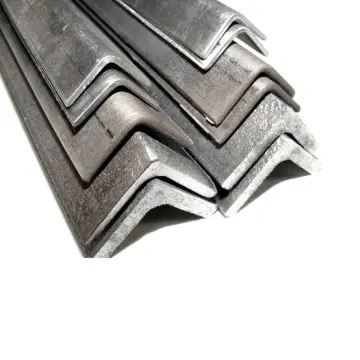
Perforated Galvanized Angle Steel
Equal and unequal angle bars for pipeline support bridges, transmission towers, and industrial framing.
Angle Steel Specs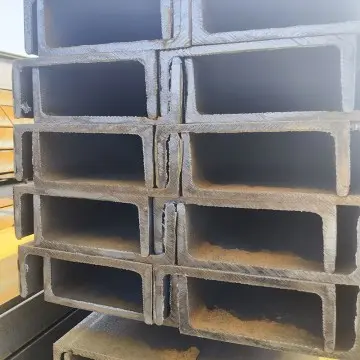
Hot Rolled Galvanized Channel Steel
U and C structural channels built for plant utility corridors, pipe bridging, and civil foundations.
Channel Profiles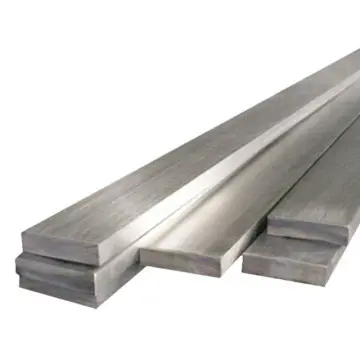
Q235B Solid Structural Flat Bar
Precision hot-rolled carbon steel flats suited for custom flange fabrication and pipe brackets.
Flat Bar Catalog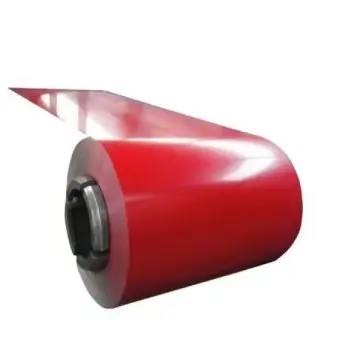
Prepainted Color PPGI / PPGL Coil
High-durability color-coated coils in full RAL ranges for architectural paneling and station housing.
PPGI Coil List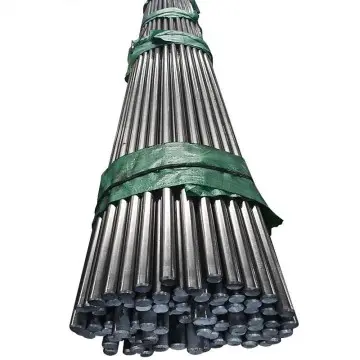
Galvanized Plain Round Steel Bar
Engineered smooth bar stock for structural tie-rods, anchor bolts, and marine utility pinning.
Round Bar Direct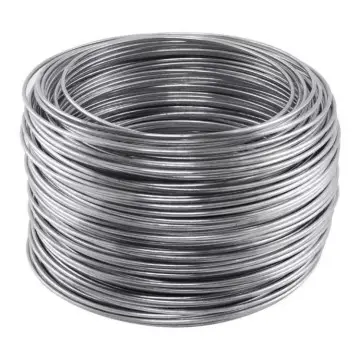
Hot Rolled Industrial Wire Rod
High-tensile wire rod (SAE1008/SAE1080) for drawing and manufacturing reinforced structural skeleton meshes.
Wire Rod Quotes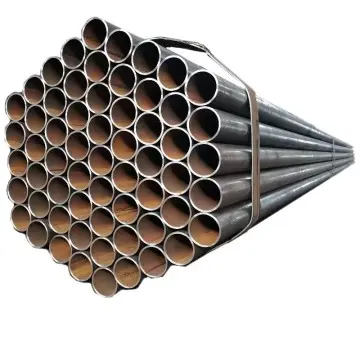
Structural Black Carbon Steel Pipe
Heavy-wall seamless and ERW carbon steel line pipe for plant enclosures, high-pressure steam, and drainage.
Steel Pipe Inventory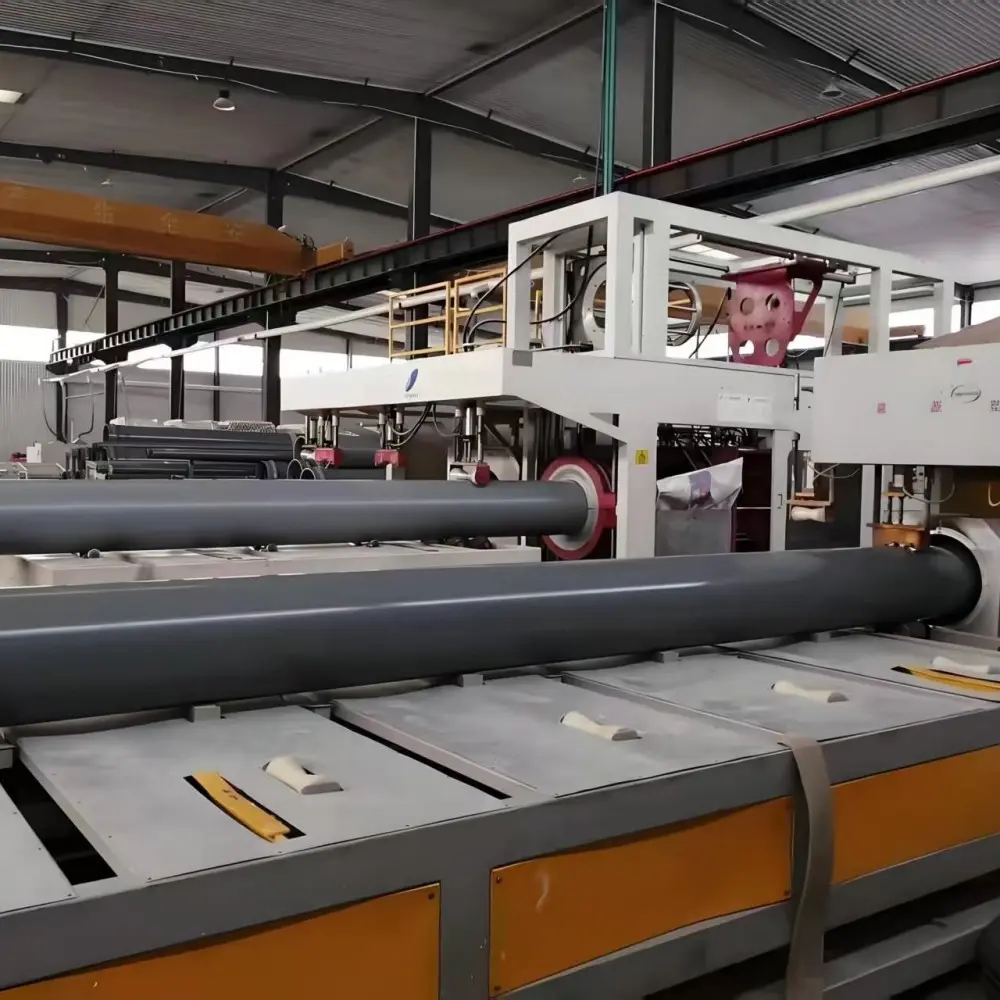
Thermoplastic Conduit & Drainage Pipes
High-grade PVC drainage, telecom conduit, and communication ducting lines for complete MEP utility packages.
Plastic MaterialsDirect Factory Quotations for Engineering Projects
Send your pipe schedule, pressure classes, wall thicknesses, and site drawings to our global export team. We provide verified pricing, freight nesting plans, and full material test reports within one business day.