
Telecom Core
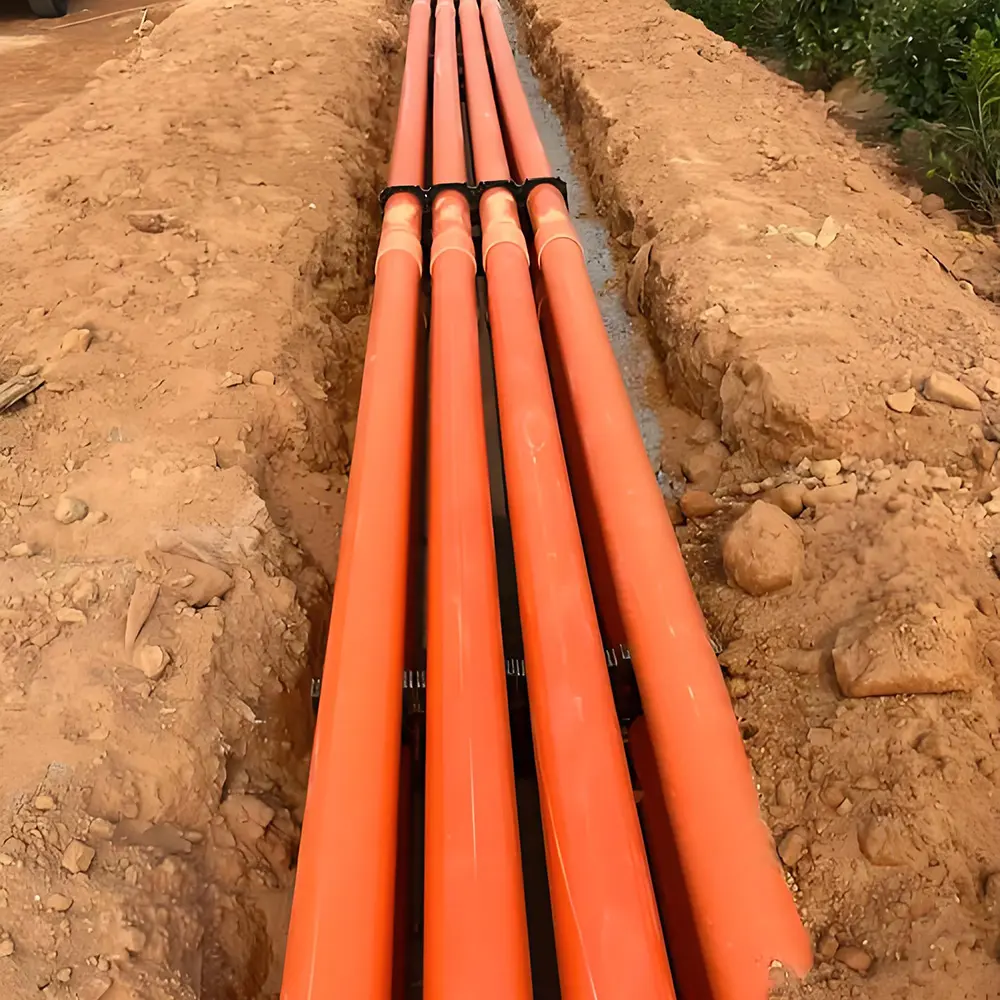
PE Communication Pipes & Ducts
High-density polyethylene subducts and multi-conduit systems engineered for low-friction fiber optic cable air jetting.
Explore Product LinesExplore high-density polyethylene telecom ducts, conduit protections, and structural support assets stocked across 1,500 production acres for rapid global dispatch.
High-density polyethylene subducts and multi-conduit systems engineered for low-friction fiber optic cable air jetting.
Explore Product Lines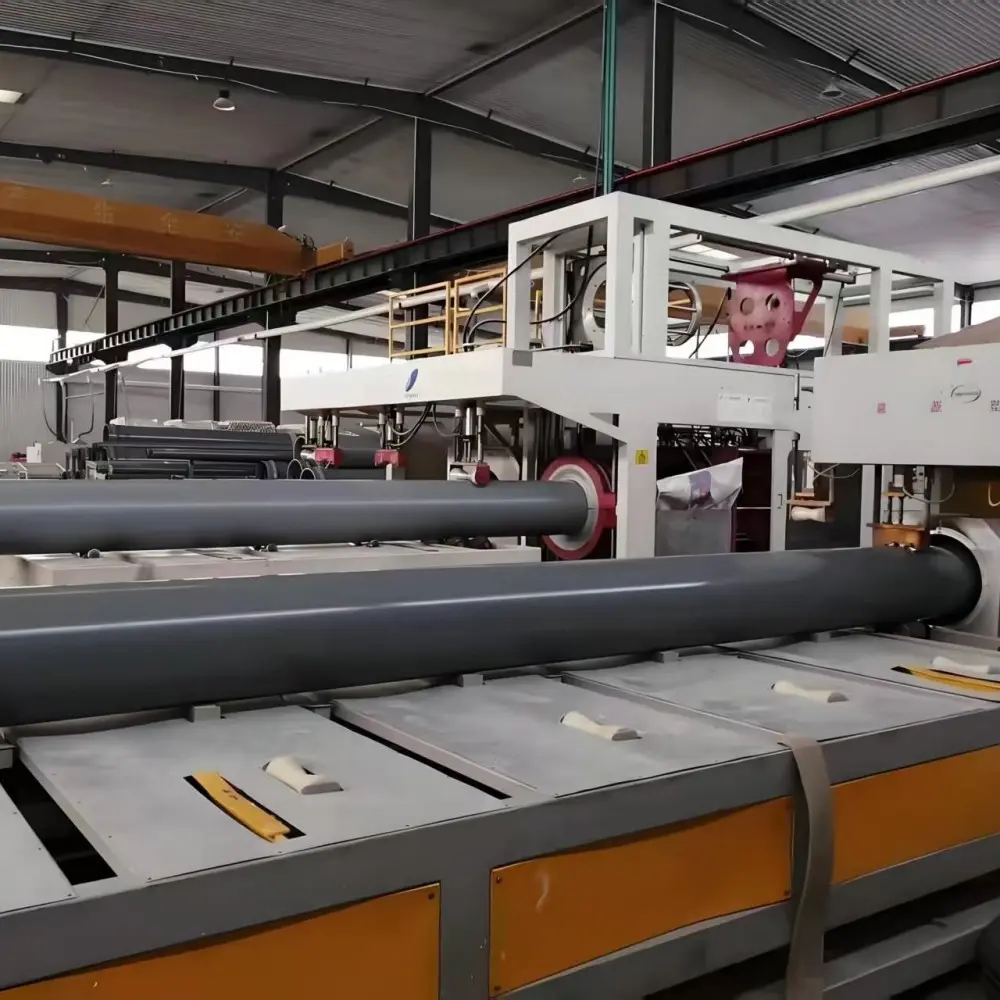
Rigid, impact-modified conduit systems safeguarding medium and low voltage power lines alongside municipal fiber runs.
Explore Product Lines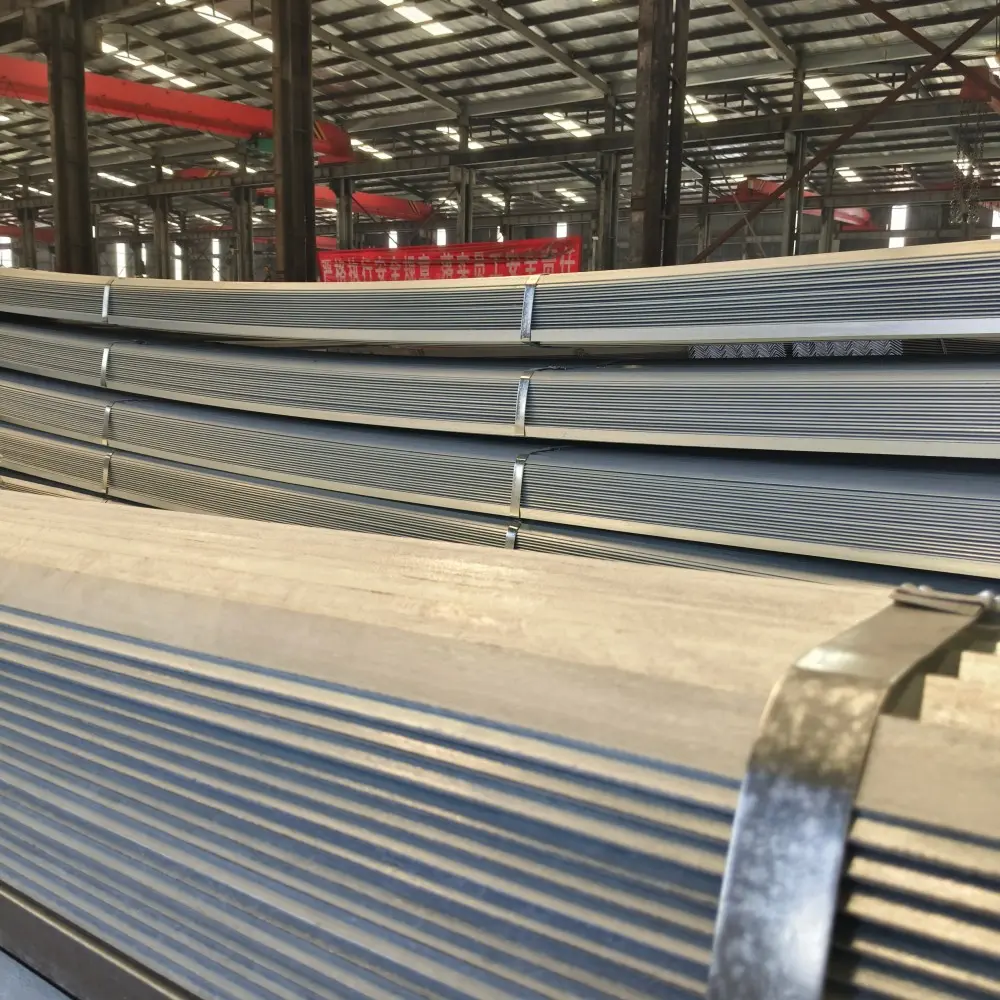
Comprehensive underground utility infrastructure, combining PVC and PE polymer compositions for utility distribution corridors.
Explore Product Lines
PE100 high-density poly pipelines tested against Slow Crack Growth (SCG) and Rapid Crack Propagation (RCP) metrics.
Explore Product Lines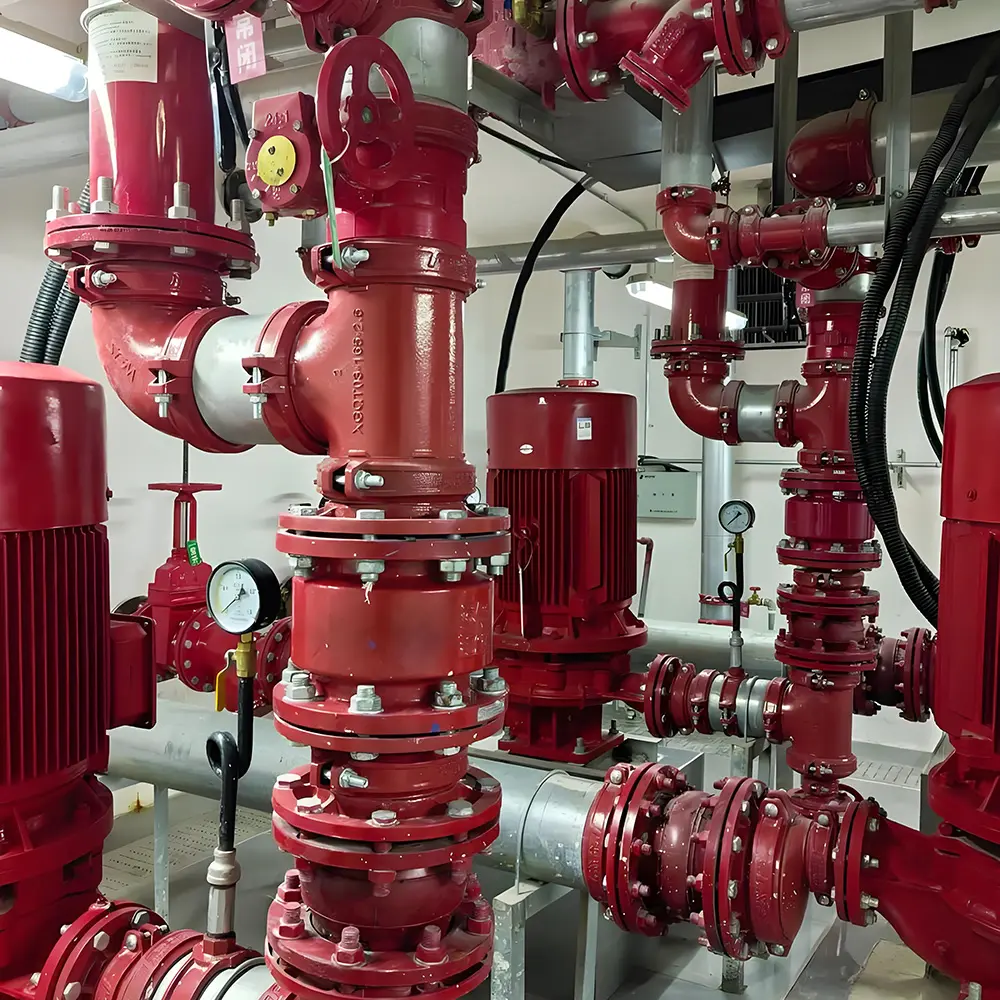
Potable water certified high-durability pipelines serving dual utility corridors in modern smart city civil development.
Explore Product Lines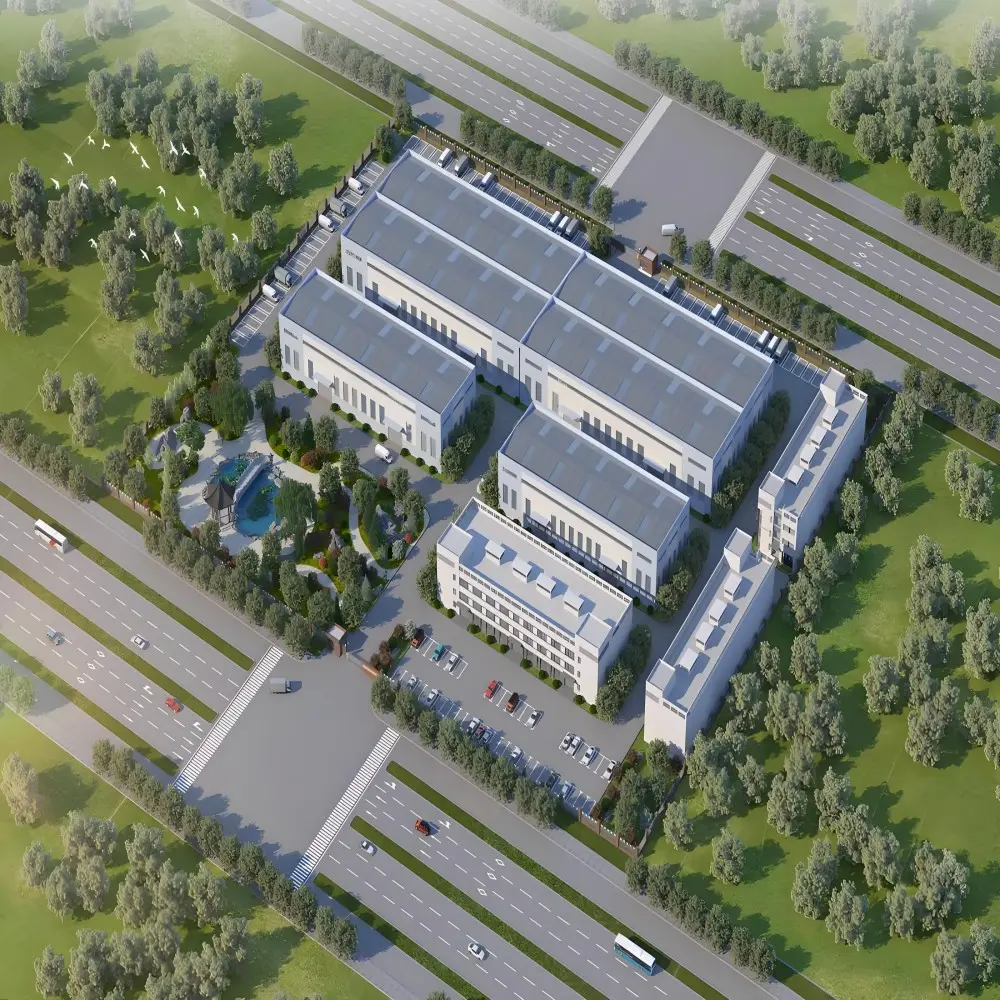
High-stiffness ribbed and smoothwall conduits keeping telecom duct trenches and civil subgrades dry and structurally sound.
Explore Product Lines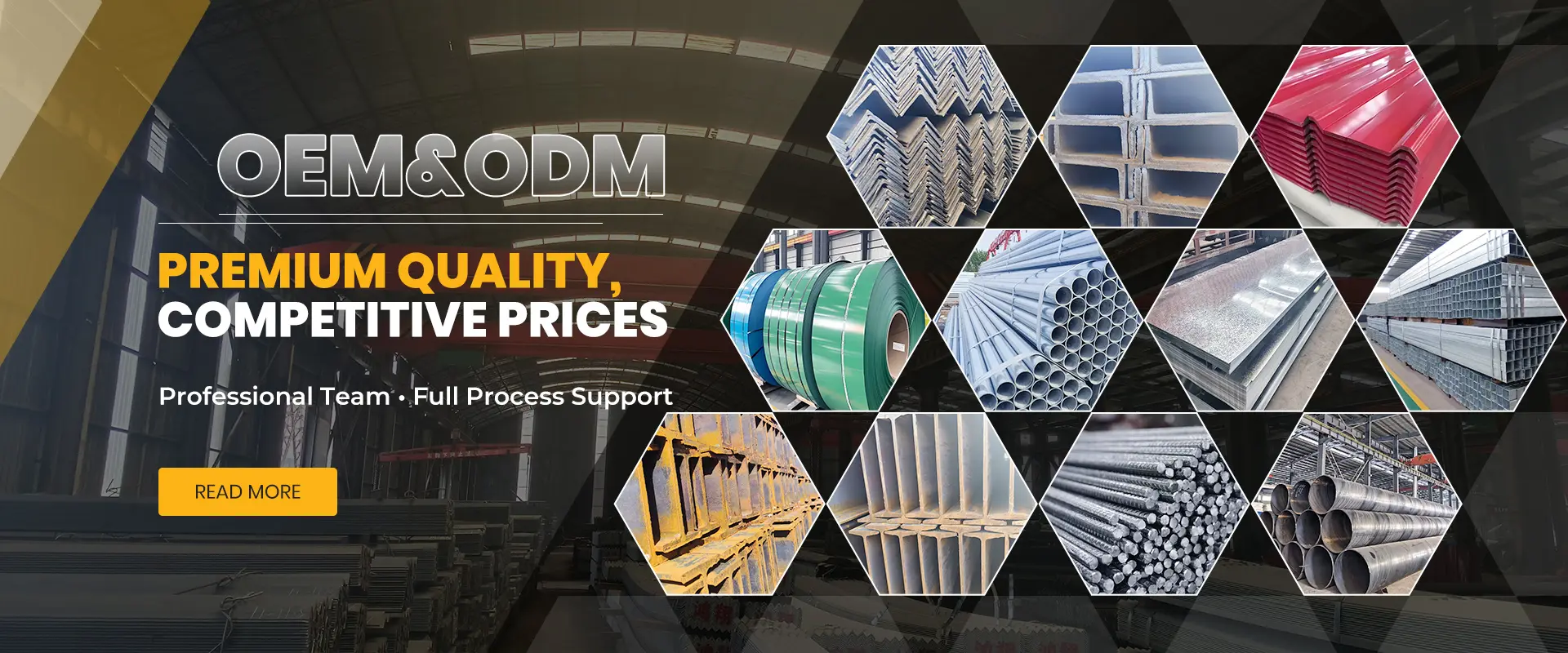
Heavy-duty structural sections for telecommunication transmission towers, equipment shelters, and cable bridge racks.
Explore Product Lines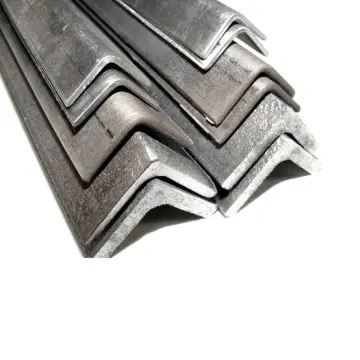
Perforated and solid equal/unequal angles engineered specifically for microwave towers and outdoor cable riser ladders.
Explore Product LinesHow the convergence of 5G microcell densification, national broadband plans, and hyperscale data center clusters has transformed PE conduit manufacturing from a generic plastic extrusions market into a high-precision, mission-critical engineering sector.
Global investments in subsea landing stations and cross-country terrestrial dark fiber backbones have forced engineering procurement teams to reconsider conduit specifications. Standard PVC piping has largely been phased out in favor of virgin HDPE (High-Density Polyethylene) silicon-core ducts. Modern transcontinental links demand continuous, unbroken inner pathways capable of withstanding the dynamic thrust loads of multi-kilometer cable blowing equipment without localized thermal deformation.
Unlike 4G macro towers separated by kilometers, 5G millimetric and mid-band deployments require optical transport nodes placed every 100 to 250 meters across urban cores. This spatial shift has necessitated tight underground bundle configurations. Factories producing PE microduct bundles (7-way, 12-way, 24-way configurations) allow telecom operators to practice "pay-as-you-grow" civil investments, installing high-integrity outer shells while leaving internal microduct pathways open for future fiber jetting.
Global telecommunications EPC (Engineering, Procurement, and Construction) companies increasingly reject fractured vendor models. Sourcing raw resin conduit from one supplier, galvanized pulling boxes from another, and tower structural steel from a third introduces extreme logistics friction, schedule slippage, and conflicting metallurgical-polymer tolerances. The modern industrial model favors integrated industrial clusters like Daqiuzhuang, Tianjin, where heavy metallurgical engineering interfaces smoothly with advanced polymer processing.
Founding Year in Daqiuzhuang, Tianjin
Acres of Industrial Production Bases
Metric Tons Annual Steel & Pipe Capacity
Sovereign Export Destinations Worldwide
Understanding the rheological, mechanical, and co-extrusion parameters governing high-performance underground telecommunication ducts.
The standard failure mode during long-distance fiber optic deployment is excessive pulling tension or air-jet friction caused by conduit wall galling. Premium PE telecom ducts produced in our manufacturing lines utilize a permanent solid silicon lubricant layer co-extruded synchronously with the virgin HDPE outer shell. Unlike temporary liquid paraffin or water-soluble lubricants that dry out, oxidize, or wash away during high-pressure jetting, our solid silicon layer fuses molecularly to the inner conduit surface. This achieves a permanent dynamic friction coefficient below μ ≤ 0.08, permitting continuous blowing distances exceeding 2,500 meters under ambient field temperatures ranging from -30°C to +50°C.
| Duct Profile & Class | Resin Raw Material | Outer Diameter (OD / mm) | Ring Stiffness (SN / kPa) | Inner Wall Geometry | Primary Telecom Field Use |
|---|---|---|---|---|---|
| HDPE Silicon Core Main Duct | PE100 / PE80 High Density | 32 mm – 63 mm | SN8 – SN16 (High Crush) | Permanently Co-extruded Silicon Core | Direct burial highway/railway long-distance trunk lines |
| Direct-Buried Microduct Bundle | Virgin HDPE + Anti-UV Masterbatch | 7/3.5 mm – 16/12 mm | Burst Pressure ≥ 2.0 MPa | Micro-grooved / Longitudinal Ribbed | FTTH metropolitan air-blown fiber distribution |
| Thickwall Single Microduct (DB) | Impact-Modified HDPE | 10 mm, 12 mm, 14 mm | Drop Weight Impact TIR ≤ 10% | Low-Friction Solid Lubricant | Micro-trenching, urban sidewalk pavement slots |
| Multi-Hole Plum Blossom Pipe | Modified PVC / PE Polymer | 5-Hole, 7-Hole (OD 110 mm) | Ring Stiffness ≥ 10 kN/m² | Integrated Multi-Cellular Honeycomb | Subway tunnels, power-communication multi-cable sharing |
| HDPE Double-Wall Corrugated Duct | 100% Virgin High MW PE | 50 mm – 200 mm | SN4, SN8 (Trenchless Compatible) | Smooth Bore, Corrugated Exterior | Sub-surface bridge crossings & road boring casings |
Strategic technological and regulatory evolutions reshaping how network architects, civil authorities, and manufacturing engineers design next-generation optical pathways.
Traditional open-trench excavator deployment is economically non-viable across dense urban commercial zones due to asphalt restoration costs and traffic disruptions. The industry is aggressively adopting micro-trenching—sawing narrow cuts (25–50 mm wide, 300 mm deep) into asphalt road surfaces. This requires specialized thick-walled, impact-modified PE microducts engineered to resist the severe hydrostatic and thermal shocks of hot-pour mastic sealants without bore ovalization.
Under international ESG governance and European Green Deal taxonomies, tier-1 telecommunications carriers (such as Deutsche Telekom, Orange, and Vodafone) now enforce recycled content quotas. Leading factories have developed co-extruded tri-layer architectures: virgin resin with solid silicon for the critical inner core, 30%–50% certified Post-Consumer Recycled (PCR) HDPE in the intermediate core for ring stiffness, and virgin resin with anti-carbon-black UV stabilizers on the outer jacket.
Because non-metallic HDPE conduits cannot be detected by conventional electromagnetic underground pipe locators, accidental contractor excavation strikes represent the #1 cause of fiber outages globally. Modern manufacturing lines now integrate embedded copper tracer wires (1.0–1.5 mm²) directly into the duct web during extrusion, or integrate surface RFID transponders enabling ground-penetrating mapping crews to pinpoint subduct depth and identity with sub-decimeter accuracy.
Tailoring polymer duct formulations and structural mechanical dimensions to the geological and mechanical stresses of specialized installation topologies.
When crossing navigable rivers, arterial highways, or railway embankments, open excavation is prohibited. Civil contractors utilize trenchless HDD rigs to bore paths up to 1,200 meters. PE ducts used in HDD pullback strings must possess exceptional tensile yield strength and environmental stress crack resistance (ESCR > 1,000 hrs under ASTM D1693 Condition B).
Cross-country direct burial requires piping that accommodates uneven ground subsidence, seismic shear movements, and rocky backfill without localized point-load puncturing. Polyethylene's high elongation at break (> 350%) allows our conduits to flex with seismic soil liquefaction where brittle concrete duct banks shatter.
How HZXY solves the single largest headache for global telecommunication and transportation EPCs: cross-material vendor fragmentation and logistics disconnects.
A typical modern fiber optic corridor or wireless base station build requires two fundamentally different material domains: Heavy Structural Steel (lattice towers, guyed masts, antenna bracketry, H-beam equipment platforms, rebar concrete foundations, bridge cable trays) and Polymer Underground Infrastructure (HDPE silicon-core main ducts, FTTH microduct bundles, conduit sweeps, PVC road crossings, drainage channels). Typically, a general contractor must vet, negotiate, inspect, and schedule shipments across 5 to 8 separate Chinese suppliers.
Direct contract coverage from our Tianjin and Tangshan headquarters spanning section steel, deformed rebar, galvanized pipe, and extruded PE conduits eliminates multi-party finger-pointing during project audits and guarantees coordinated port-of-loading timelines.
Heavy steel profiles (H-beams, rebar, channel steel) are dense and quickly hit vessel weight limits while leaving excess volume. Conversely, PE telecom coils and conduits consume vast volume but very little weight. By consolidating steel and plastic within integrated packing layouts at our freight yard, buyers achieve optimal container weight-cube density, reducing ocean freight expenses by 18% to 32% per project kilometer.
Every shipment comes verified with standardized mechanical yield, tensile, chemical, and hydro-pressure mill test reports. Third-party visual and laboratory inspections (SGS, BV, Intertek, TÜV) are executed simultaneously in a single yard prior to container drayage to Tianjin Port.
The materials, production workflows, and logistics mechanisms supporting our telecommunication duct exports have been vetted on major national infrastructure undertakings.
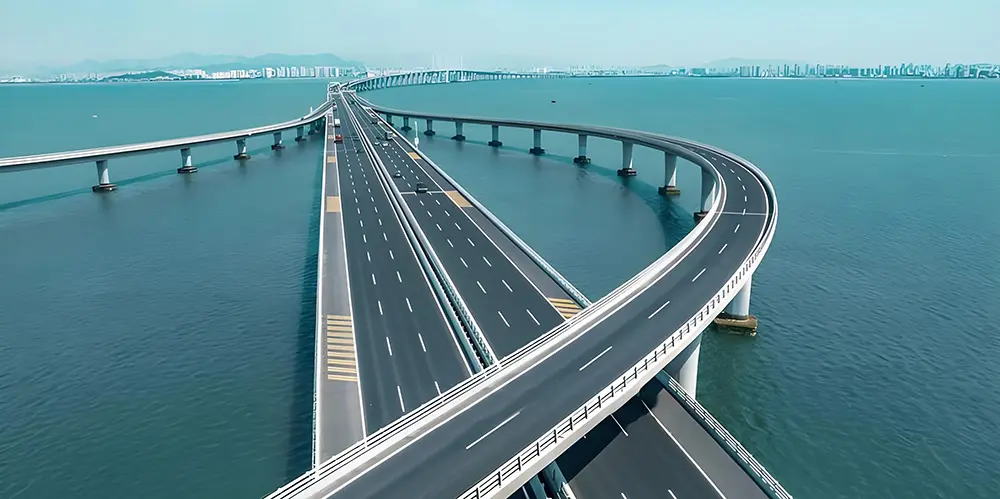
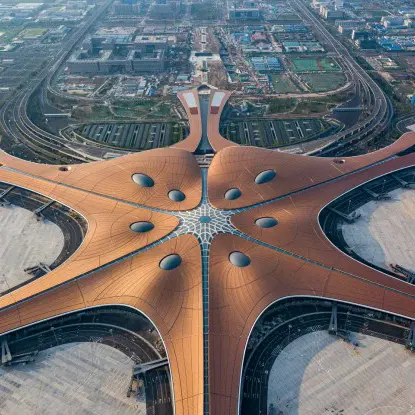
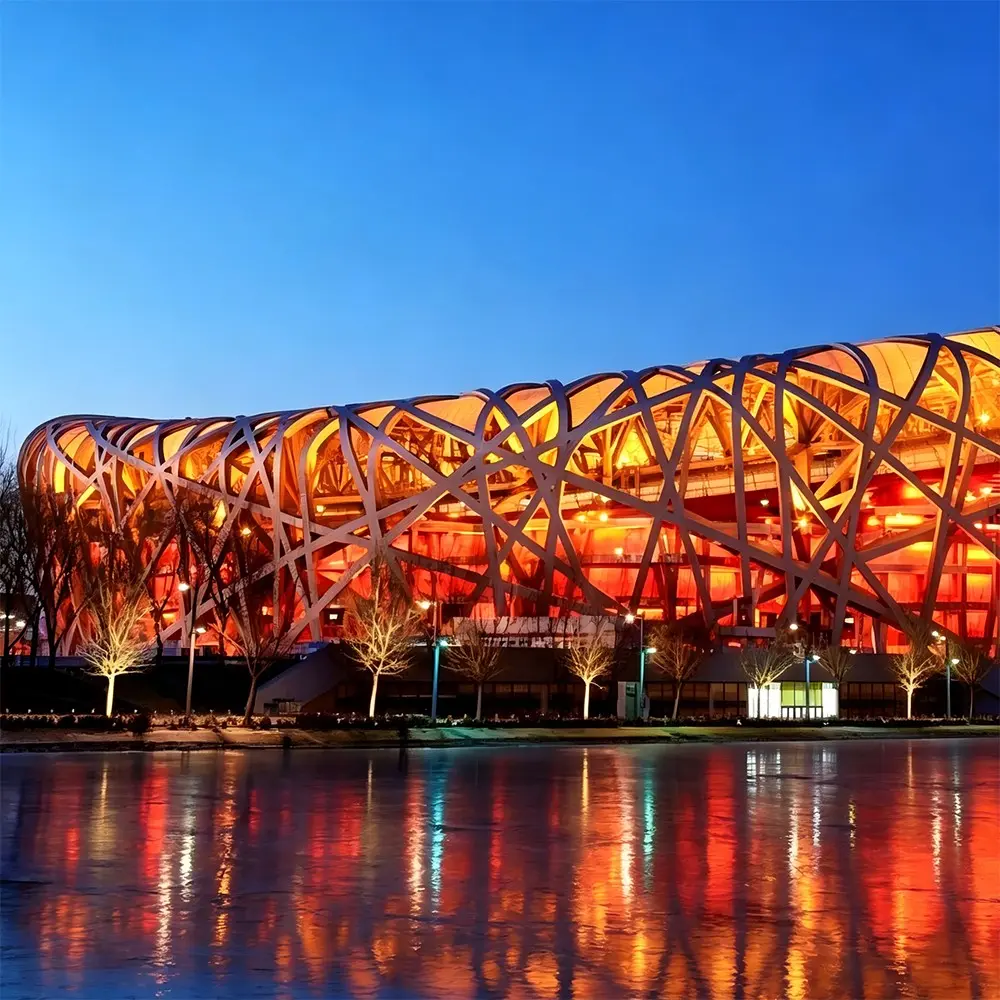

Straightforward answers regarding resin chemistry, testing protocols, custom printing, container optimization, and order fulfillment from our industrial export directors.
Select any structural or pipeline category below to request technical specification sheets, wall thickness tolerances, and factory mill pricing.
Immediate-dispatch structural steels, telecom conduit reels, and civil pipe fittings maintained in constant factory inventory.
Explore Product Lines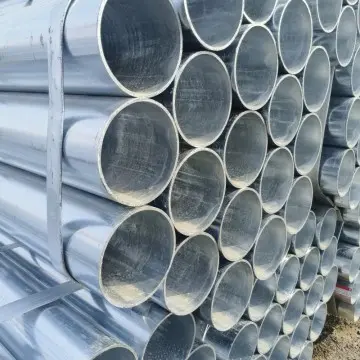
Galvanized scaffolding, ERW casing, and heavy steel utility pipes protecting critical fiber runs across bridges and overpasses.
Explore Product Lines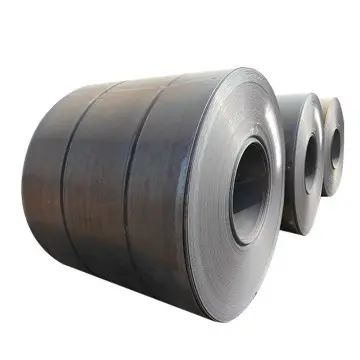
DX51D–DX54D and Q235B/Q355B coils for roll-forming outdoor telecommunication shelter cladding, enclosures, and brackets.
Explore Product Lines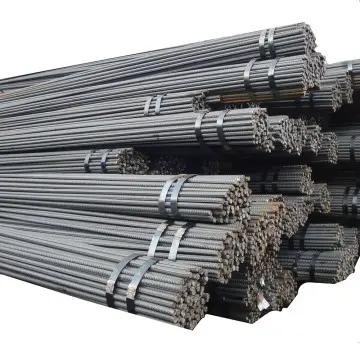
Deformed reinforcement bars (6 mm–32 mm) and wire rods securing manhole structures, tower bases, and heavy conduit vaults.
Explore Product Lines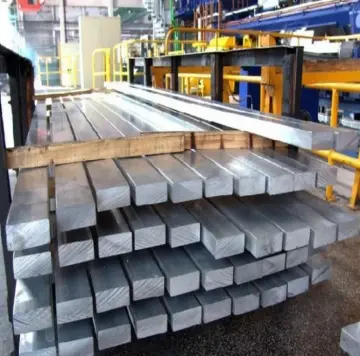
Hot-dip galvanized flat bar (3–60 mm thickness) providing lightning earthing networks along telecom trenches and substations.
Explore Product Lines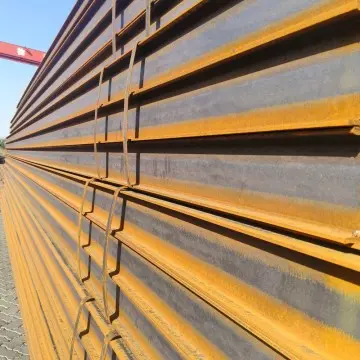
Wide-flange structural members for utility building frames, data center central halls, and heavy utility pipe racks.
Explore Product Lines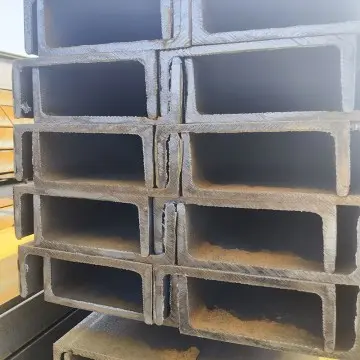
C-channel and U-channel sections engineered for civil cable duct support brackets, equipment skids, and outdoor cabinets.
Explore Product Lines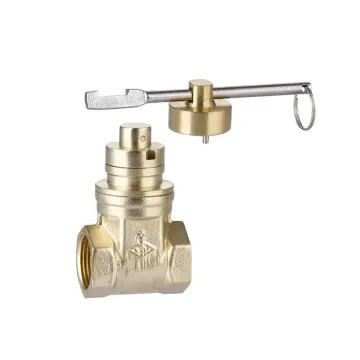
High-pressure gate, butterfly, and check valves completing multi-utility civil MEP and fire protection packages.
Explore Product LinesConnect with direct factory engineers in Daqiuzhuang, Tianjin. Review our comprehensive 2026/2027 export catalog featuring PE telecom ducts, PVC utility conduits, structural steel profiles, and full consolidated bill-of-materials logistics.