Product Verification
Featured Telecom Ducts & Infrastructure Solutions
Precision-extruded unplasticized polyvinyl chloride (uPVC) communication conduits and civil infrastructure materials engineered for 50+ year sub-surface service lifetimes.
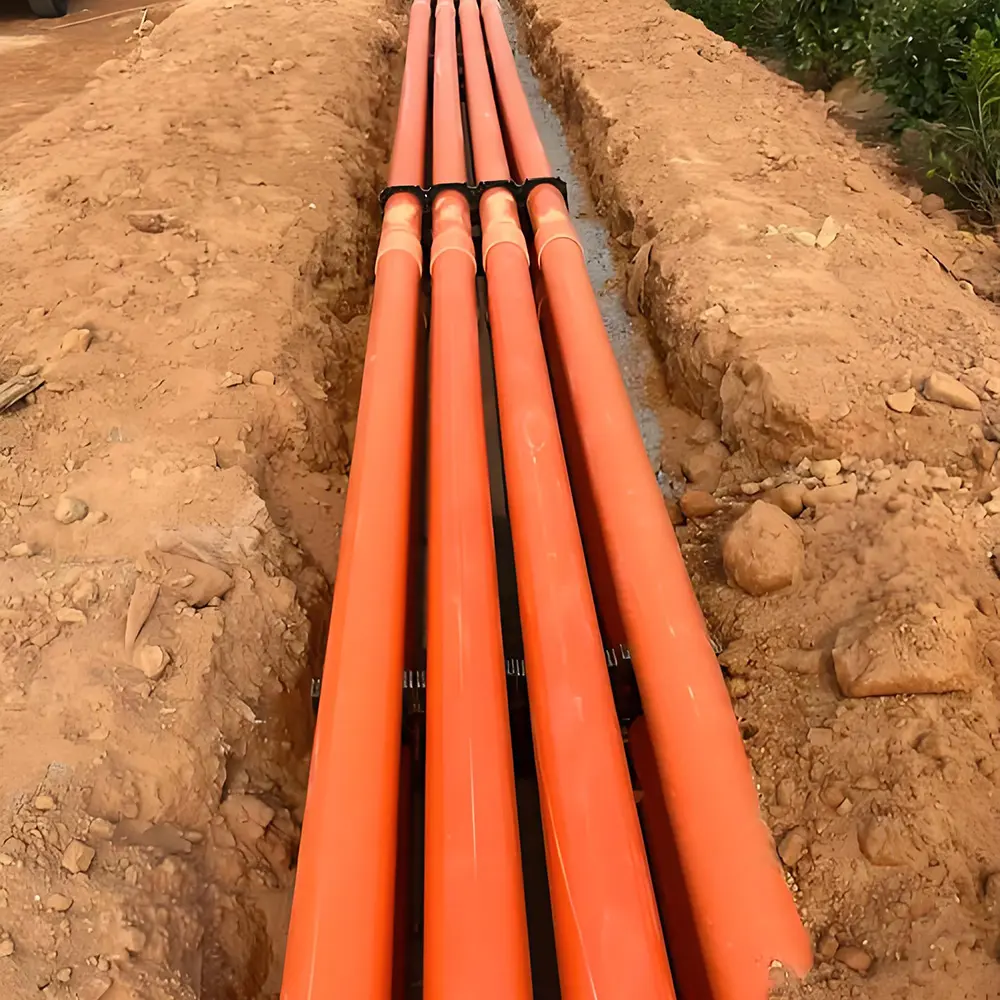
High-Impact PVC Cable Protection Conduit
Explore Conduit Pipes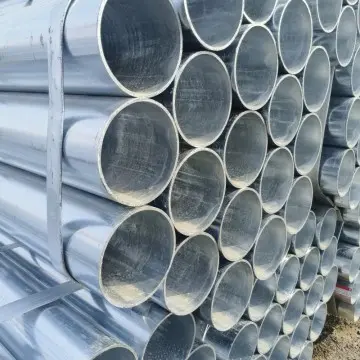
Galvanized Utility Conduit & Scaffolding Pipe
View Steel Pipes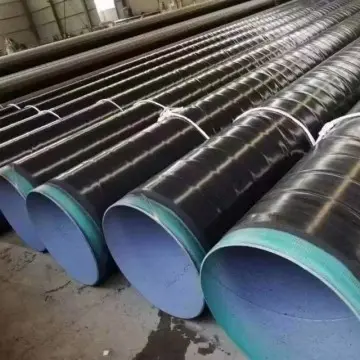
Anti-Corrosion Coated Steel Casing Pipe
Explore Casing Pipes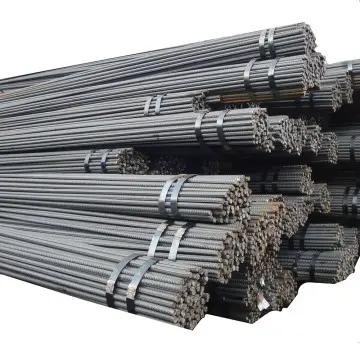
Deformed Rebar for Telecom Vault Manholes
View Rebar Bundles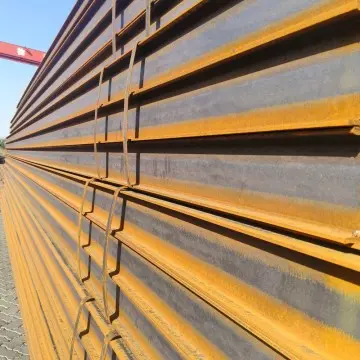
A36 / Q235B Structural H-Beam Framework
Request H-Beam Data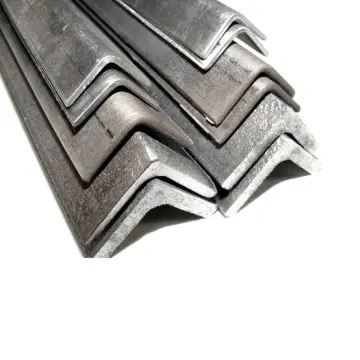
Slotted Galvanized Angle Steel for Manhole Racks
Inspect Angle Steel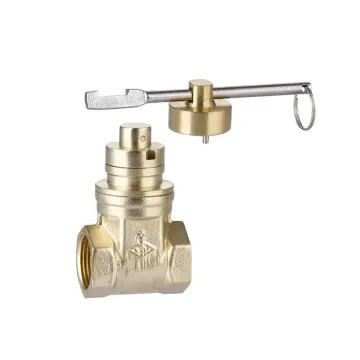
Industrial Enclosure & Chamber Drainage Valves
Procure MEP Valves
Technical Whitepaper
Engineering Architecture: The Modern uPVC Telecom Conduit
Evaluating virgin resin composition, mechanical ring stiffness, and friction coefficients in gigabit fiber backbones and smart city communication duct banks.
Polymer Integrity & Additive Chemistry
Unplasticized Polyvinyl Chloride (uPVC) engineered for telecommunication applications requires strict chemical equilibrium. By completely eliminating plasticizers, HZXY achieves high flexural modulus and shore hardness, preventing cross-sectional deformation under deep earth loads.
- 100% Virgin suspension PVC resin (K-value 65-67)
- Organotin or Ca-Zn environmentally compliant stabilizers
- Micro-dispersed Titanium Dioxide (TiO₂) for UV resistance
Dynamic Friction Reduction (COF < 0.15)
Fiber blowing and cable pulling distances depend directly on internal pipe friction. Our extrusion dies incorporate co-extruded inner boundary lubricating liners that maintain a dynamic friction coefficient below 0.15, enabling continuous 2,000-meter fiber jetting without intermediate manholes.
- Longitudinal micro-groove bore geometry option
- Silicone polymer dry-lubricant composite coating
- Elimination of internal burn marks and burrs
Mechanical Ring Stiffness & Impact Resilience
Underground optical paths must withstand static overburden pressure, groundwater hydrostatics, and heavy vehicular dynamic loads (H-20 / HS-20 traffic ratings). Our pipes deliver deflection resistance exceeding 50 psi at 5% pipe deflection without structural cracking or ovality fatigue.
- Vicat softening temperature ≥ 79°C (ISO 306)
- Charpy impact strength rating ≥ 10 kJ/m² at 0°C
- Modulus of Elasticity ≥ 3,000 MPa for long-term creep control
1996
Founded in Daqiuzhuang Industrial Cluster
1,500+
Acres of Integrated Production Bases
10M+
Tons Annual Throughput Capacity
50+
Global Export Nations Served
Compliance Protocol
Global Standards, Specifications & Equivalencies
Engineering procurement specifications mapped across ASTM, NEMA, DIN, ISO, and GB national regulatory frameworks for international project contractors.
| Standard Code | Specification Scope | Wall Structure / Class | Min. Pipe Stiffness | Typical Engineering Application |
|---|---|---|---|---|
| NEMA TC-2 / TC-6 / TC-8 | Electrical & Telecom PVC Conduit | EPC-40 / EPC-80 / DB-60 / DB-120 | 60 psi – 120 psi | Direct burial and concrete encased telecom infrastructure across North America. |
| ASTM F512 | Smooth-Wall PVC Conduit for Underground | Type EB-20 (Encased) / DB-60 / DB-120 | 35 psi – 140 psi | Utility duct banks, airport runway optical communication rings. |
| ISO 1452 / EN 1452 | Plastics Piping Systems for Underground Lines | SDR 26, SDR 21, SDR 17 (Class 1-5) | Ring Stiffness SN4 – SN16 | Pan-European fiber backbones and Latin American municipal broadband trunking. |
| DIN 8061 / 8062 | Unplasticized Polyvinyl Chloride Pipes | Series 3, 4, 5 (Thick Wall Industrial) | ≥ 3,200 MPa modulus | Industrial heavy plant cabling and railway signaling ducts. |
| GB/T 5836 / GB/T 10002 | National Pipeline Quality Standards | Plum Blossom Multi-Hole & Solid Wall | Ring Stiffness > 8 kN/m² | Telecom operators (China Mobile, Telecom, Unicom) standard multi-way subduct. |
Factory Supply Chain
Why Buy From HZXY: The Daqiuzhuang Industrial Advantage
Located inside China's largest processing cluster in Jinghai District, Tianjin, with dual facilities in Tangshan spanning 1,500 acres.
Vertical Upstream Chemical Integration
Situated within northern China's chemical and metallurgical epicenter gives HZXY immediate proximity to high-grade chlor-alkali and PVC suspension plants. This guarantees stable, zero-filler raw resin access even during volatile global chemical price fluctuations.
- Zero calcium carbonate overload; purity verified via batch ash testing
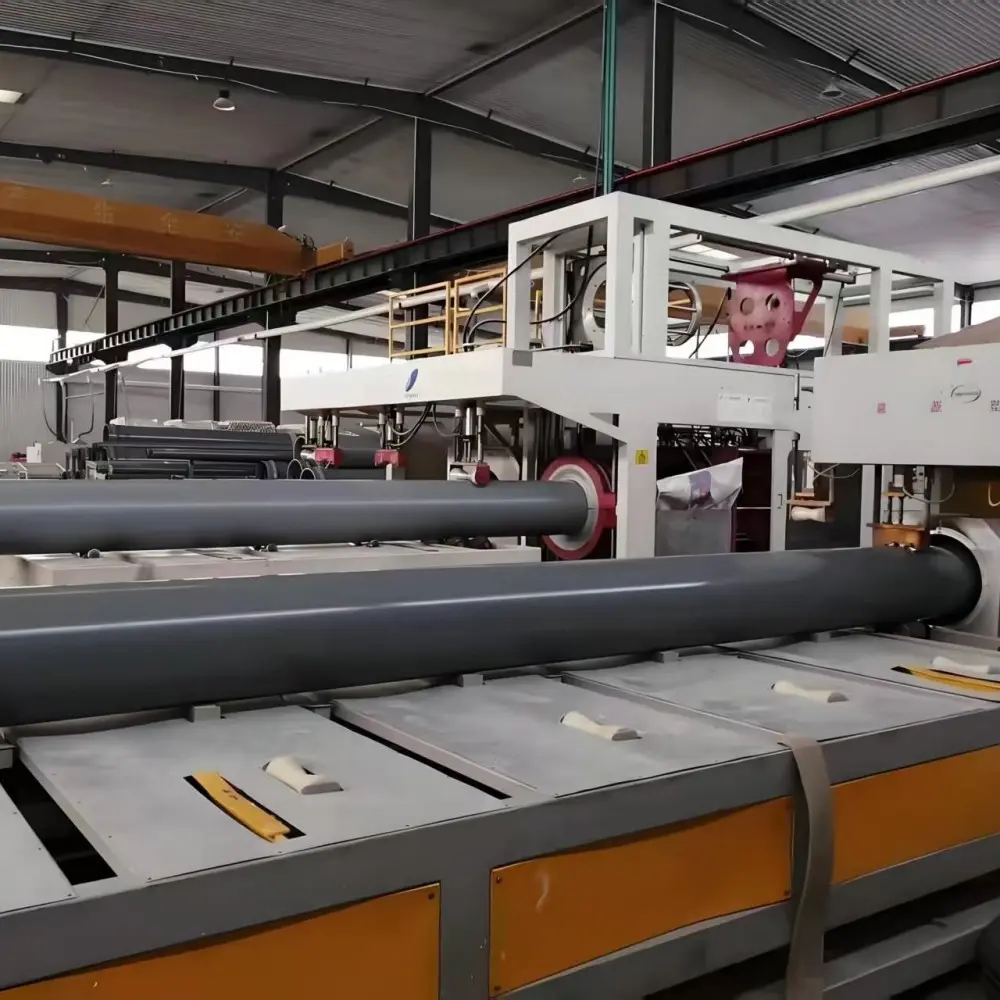
- Fully automated high-speed KraussMaffei twin-screw extruders
- Precise gravimetric wall thickness ultrasonic monitoring
Mixed Bill of Materials (BOM) Consolidation
Unlike specialized plastic-only workshops, HZXY delivers full project procurement under a unified bill of lading. A civil telecommunication contractor can bundle structural steel H-beams, manhole rebar cages, galvanized protective steel casings, and PVC telecom subducts in one single shipment.
- Reduces international procurement overhead by over 30%
- Optimized container nesting (smaller pipes inside larger conduits)
- One unified customs declaration and QA document package
Port Proximity & Logistics Advantage
Our Tianjin headquarters sits within a short trucking corridor from Tianjin Xingang Port—one of the largest deep-water shipping gateways on earth. This proximity allows immediate break-bulk or containerized maritime departure with minimal overland transit costs and near-zero handling damage.
- Direct berthing links to Southeast Asia, Middle East, Africa, and Americas
- Standard wooden crating, banded bundles, or shrink-wrapped coils
- Emergency tender dispatch capability within 7 to 10 days
Civil Engineering Applications
Localized Underground Installation Scenarios
Engineered for diverse geological strata, trenchless civil engineering methodologies, and high-density municipal duct arrays.
Direct Burial (DB-60 / DB-120)
Installed directly in unpaved or light traffic earth trenches without concrete enbasement. Thick solid walls resist soil settlement pressures and localized stone puncture hazards.
Concrete Encased Duct Banks (EB-20)
Configured with multi-tier duct spacers and encased in concrete underneath major highways, high-speed rail tracks, and airport runways to handle maximum dynamic load vectors.
Multi-Hole Plum Blossom Ducts
Integrated multi-bore geometry (3-hole, 5-hole, 7-hole) allowing simultaneous routing of multiple micro-optical cables without risk of cable tangling during maintenance blowing.
Bridge Suspended & Aerial Casing
Engineered with special UV inhibitors and matched with thermal expansion joints, ensuring non-sagging longevity when attached to municipal bridge girders and overpasses.
Procurement Assurance
Global Procurement Checklist: Auditing uPVC Conduit Suppliers
Key quality assurance benchmarks for international EPC procurement executives, telecom tier-1 operators, and civil consulting engineers.
1. Ash Content & Resin Density Testing
Unscrupulous manufacturers lower costs by substituting calcium carbonate (CaCO₃) filler for virgin PVC resin. HZXY provides ISO 3451-5 ash content verification below 8%, ensuring the material maintains its rated tensile elasticity, flexural yield strength, and long-term hydrostatic durability.
- Density test: 1.40 – 1.46 g/cm³ strictly maintained
- Melt flow rate and heat reversal stability tests
2. Bell-and-Spigot Joint Reliability
Underground optical runs fail if joints leak silt or water. Our conduits feature precision-formed integral bell ends with precision-machined rubber gasket ring grooves (elastomeric sealing) or solvent-cement socket tolerances conforming to ASTM D2672, guaranteeing IP68 ingress protection.
- Zero water leakage at 0.5 bar external hydrostatic pressure
- Chamfered spigots prevent O-ring displacement during site insertion
3. Comprehensive Mill Certification & 3rd-Party Verification
Every export shipment from HZXY is backed by verified mill test reports (MTR) covering dimensional ovality, wall thickness variance, Vicat softening temperature, and flatten resistance. Independent testing by SGS, BV, or Intertek is routinely conducted prior to Tianjin port loading.
- EN 10204 3.1 certification supplied with each batch
- Detailed traceability codes printed every 1 meter along the pipe
Future Outlook
Technological Trends Reshaping the Telecom Pipe Sector
How 5G densification, smart city sensors, and sustainable recycling criteria are transforming subsurface infrastructure planning.
5G Small Cell Densification & Micro-Conduits
5G architecture demands ultra-dense fiber connections linking micro-cells every 100 meters. The telecom piping industry has responded with low-profile multi-way microduct assemblies, allowing existing civil trenches to expand capacity tenfold without street excavation.
Sustainable Formulations & Recyclability
International environmental mandates demand the elimination of heavy metal stabilizers (lead, cadmium). HZXY leads the shift with 100% calcium-zinc stabilized compounds and closed-loop internal regrind reclamation systems that achieve net-zero scrap generation during pipe extrusion.
Smart Pre-Lubricated Micro-Groove Engineering
High-speed fiber installation uses pneumatic blowing compressors. Next-generation uPVC telecom pipes incorporate helical or straight internal ribs that minimize surface contact area, reducing pneumatic backpressure and enabling longer single-pull runs.
Technical Advisory
Frequently Asked Questions by Overseas Buyers
Direct engineering and commercial clarifications covering standards, export terms, packaging logistics, and material behavior.
What is the practical difference between PVC telecom conduit and standard PVC drainage pipe?
PVC telecom pipes require distinct mechanical formulations: high impact resistance, tight roundness tolerances, precise internal lubrication (low friction coefficient), and enhanced Vicat softening temperatures. Standard PVC drainage pipe focuses on gravity-fed liquid transport and lacks the dynamic crush resistance and smooth bore essential to prevent snagging delicate fiber optic glass cores during high-speed blowing.
Can HZXY bundle steel products and plastic PVC conduits in the same container?
Yes. Consolidating full project material packages is a key HZXY advantage. Our 1,500-acre yard integrates heavy steel stock (H-beams, rebar, pipes) alongside our plastic conduit extrusion shops. We nest PVC conduits inside protective steel tubes or position them securely above structural steel bundles using customized maritime bracing, minimizing dead space and saving significant ocean freight expenditure.
How does HZXY ensure conduit dimensional tolerances during bulk extrusion?
Our extrusion lines utilize continuous ultrasonic gauging scanners that inspect outer diameter, wall thickness, and ovality across 360 degrees in real time. Any pipe segment exceeding ±0.2mm tolerance is automatically flagged and rejected. All pipes are extruded according to ISO, ASTM, or custom tender dimensional drawings.
What Incoterms and payment terms are supported for international telecom tenders?
We regularly export under FOB Tianjin, CFR, CIF, and DDP terms. Payment options include Irrevocable Letters of Credit (L/C at sight), T/T bank transfers, and staged payment schedules for large-scale EPC infrastructure contracts. Our export documentation team manages all bills of lading, certificates of origin, and SASO/SGS/CE compliance filings.
Comprehensive Catalog
Full Infrastructure Procurement Series
Access our complete inventory of steel profiles, flat bars, coils, and specialty pipelines manufactured to international project requirements.
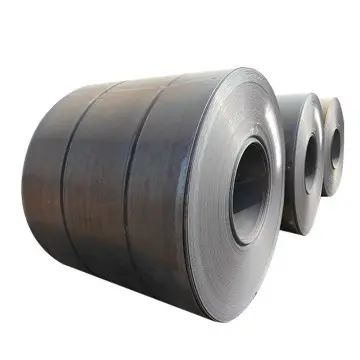
Q235B / Q355B Hot & Cold Rolled Carbon Steel Coil
View Steel Coils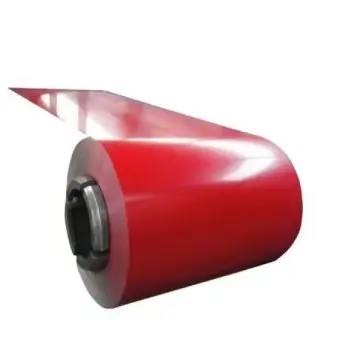
Prepainted Galvanized PPGI / PPGL Coil
Inspect PPGI Coil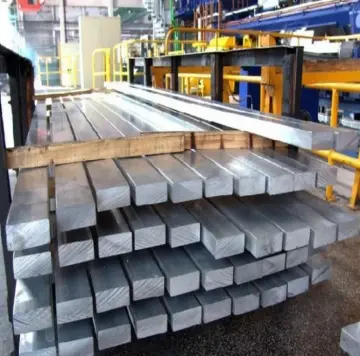
HDG Galvanized Flat Steel Bar (3–60 mm)
Explore Flat Steel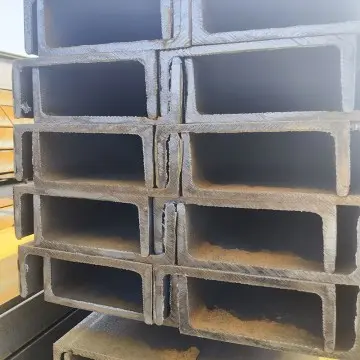
Galvanized Structural U / C Channel Steel
View Channel Steel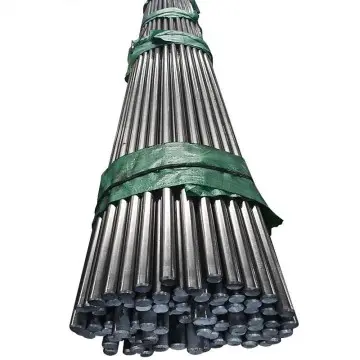
Galvanized Plain Solid Round Steel Bar
View Round Bar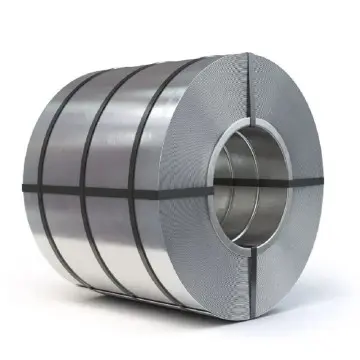
DX51D – DX54D Zinc-Coated Steel Coil
Inspect DX51D Stock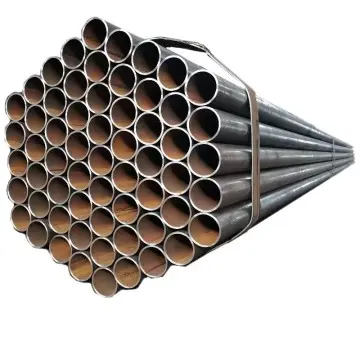
Industrial Carbon Steel ERW Black Pipe
View Black Pipe