
Featured Certified Infrastructure & Conduit Systems
Explore our CE and international certified solutions spanning heavy industrial conduits, modified polypropylene systems, and integrated metal structural components.
High-Voltage Trenchless MPP Conduit Pipe
View Conduit Specs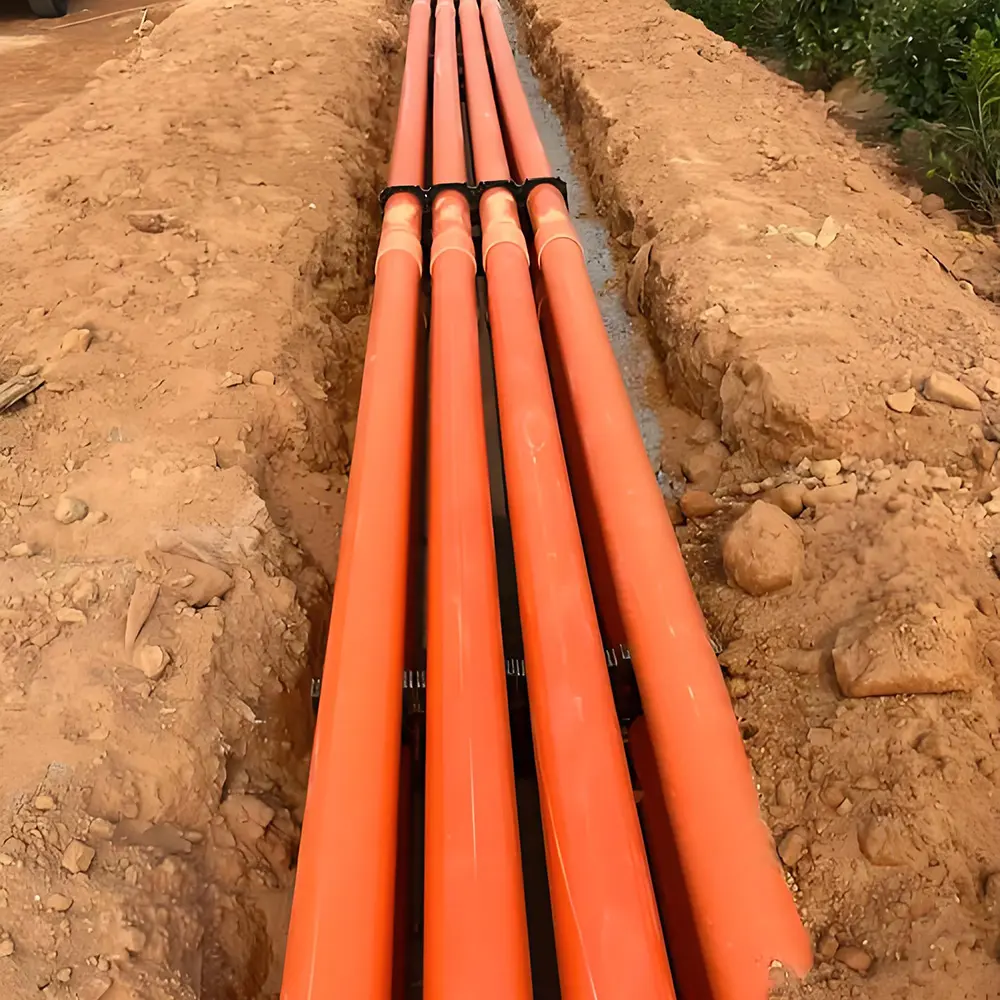
Optical Fiber Sub-Duct & Communication Pipe
Explore Sub-Ducts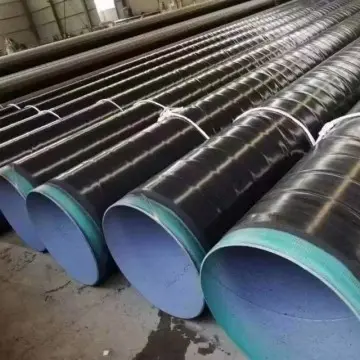
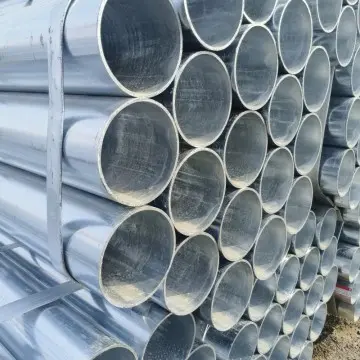
Hot-Dip Galvanized Encasement Steel Pipe
View Steel Pipes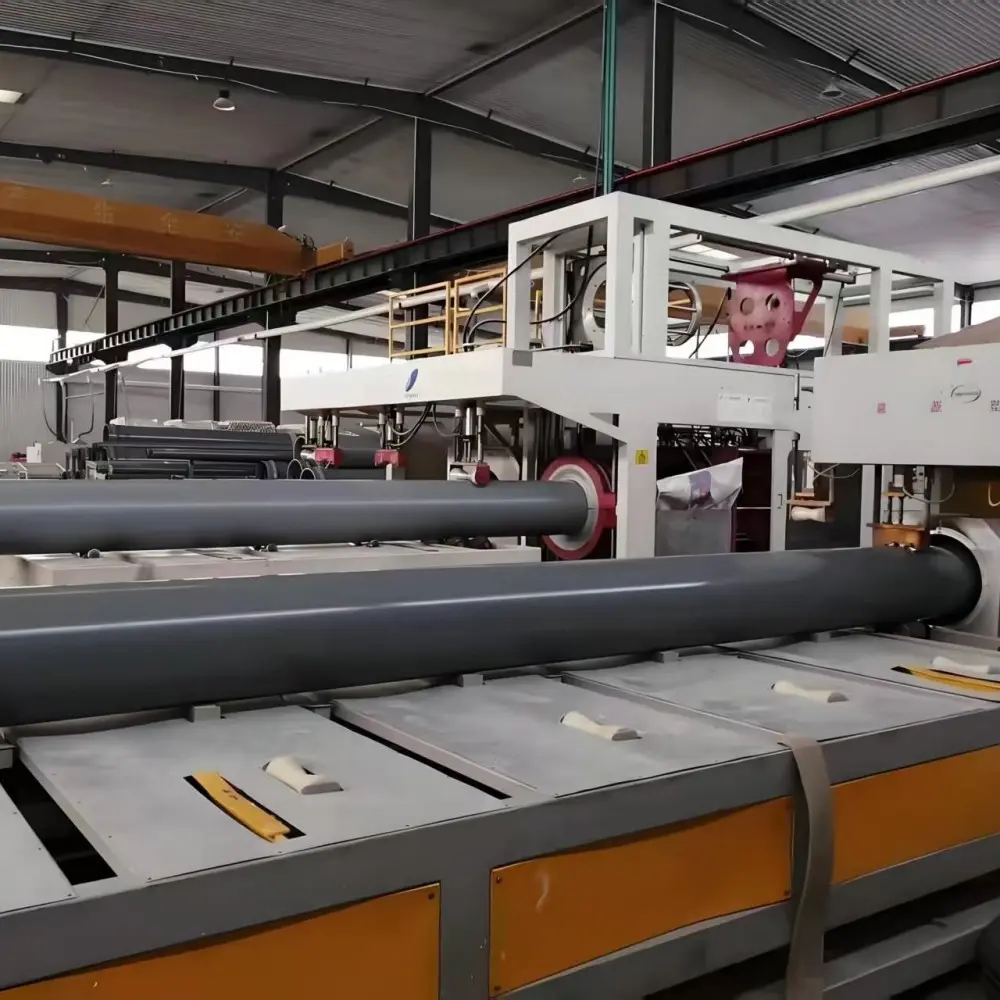
Civil & Municipal Plastic Piping Packages
See Plastic Range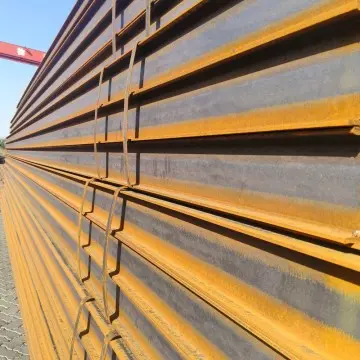
A36 / Q235B Heavy Structural H-Beam
Configure H-Beams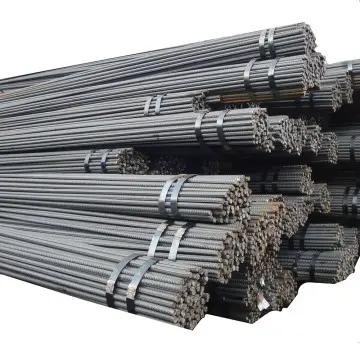
Deformed Steel Rebar (6mm – 12mm)
Order Concrete Rebar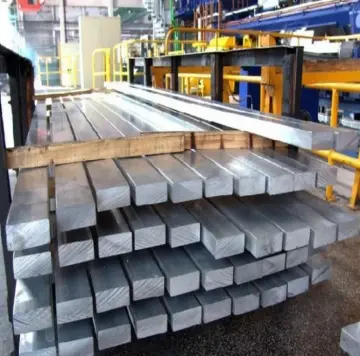
Hot-Dip Galvanized Flat Steel Bar (3-60mm)
Select Flat Bar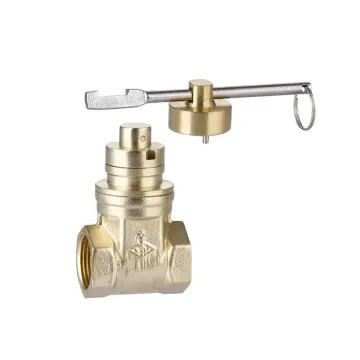
Pressure-Resistant Control Valves & Fittings
Access Valve CatalogEngineering Superior Underground Power: The MPP Paradigm Shift
Why modern high-voltage power transmission and urban underground utility networks are replacing traditional PVC and HDPE with Modified Polypropylene (MPP) power conduits.
Thermal Superiority Under Dynamic High Load
Unlike standard HDPE pipelines that soften at approximately 60°C to 70°C, Modified Polypropylene (MPP) maintains rigid structural stability beyond 130°C. In modern smart grids, transmission cables experience intermittent thermal spikes during peak loads. MPP prevents localized pipe collapse, thermal deformation, and cable entrapment under extreme operating conditions.
- Vicat Softening Temperature: ≥ 130°C
- Zero chemical softening during cable overheating incidents
- Optimized dielectric properties eliminate stray ground currents
Trenchless HDD Pullback Tensile Integrity
Urban density makes open-trench excavations economically non-viable and environmentally disruptive. CE certified MPP conduits feature exceptional elastic modulus and axial tensile load resistance, ensuring pipes endure massive pullback forces across 200m+ horizontal directional drilling bores without necking, shearing, or ovality failure.
- Tensile Yield Strength: ≥ 24.0 MPa
- Smooth internal wall (Friction coefficient < 0.35)
- Minimal cable pulling tension prevents insulation wear
Corrosion Immunity & Geotechnical Resilience
Underground installations in reclaimed land, coastal belts, or chemically aggressive soils rapidly deteriorate metallic and low-grade polymer systems. MPP conduits provide complete chemical immunity across pH 2 to 12 environments while exhibiting excellent ring stiffness to withstand cyclic heavy traffic loads.
- Ring Stiffness Grades: SN8 to SN16+
- High resistance to environmental stress cracking (ESCR)
- Design operational lifespan exceeding 50+ continuous years
Comparative Physical & Electrical Performance Metric
Independent laboratory comparison between CE-certified MPP, standard industrial HDPE, and traditional rigid PVC conduits.
| Performance Parameter | Test Standard Reference | CE Certified MPP Conduit | High-Density Polyethylene (HDPE) | Rigid PVC-C / PVC-U |
|---|---|---|---|---|
| Vicat Softening Temperature | ISO 306 / ASTM D1525 | ≥ 130 °C | 75 °C – 85 °C | 90 °C – 95 °C |
| High-Temperature Ring Stiffness (60°C) | EN ISO 9969 Mod. | Retention > 80% | Retention < 40% (Severe deflection) | Brittle failure risks |
| Tensile Yield Strength | ISO 527-2 / GB/T 8804 | ≥ 24.5 MPa | 19.0 – 22.0 MPa | ≥ 40.0 MPa (Low ductility) |
| HDD Pullback Elongation Tolerance | Tensile Rupture Test | High Ductility (> 150%) | Very High (> 350%, necks easily) | Extremely Low (< 20%, snaps) |
| Dielectric Breakdown Voltage | IEC 60243-1 | ≥ 30 kV / mm | ≥ 22 kV / mm | ≥ 20 kV / mm |
| Internal Friction Factor (Dry Cable) | ASTM D1894 | 0.25 – 0.32 | 0.35 – 0.45 | 0.40 – 0.50 |
| Environmental Stress Crack Resistance | ASTM D1693 (Condition B) | > 5,000 Hours (No crack) | > 1,000 Hours | Susceptible to solvent crazing |
Global Supply Footprint & Regulatory Verification
Integrating large-scale manufacturing capacity in Tianjin and Tangshan with international accreditation to serve global EPC contractors and distributors.
CE European Harmonized Standards (EN 61386)
Every batch of our MPP conduit pipes complies with European Union Low Voltage Directive standards and EN 61386 conduit systems for cable management. Qualification files encompass non-flame propagation characteristics, compression test ratings under 750N / 1250N loads, and complete thermal cycling reports.
- Full conformity assessment & CE Declaration of Performance
- RoHS & REACH compliant raw materials
- Traceable batch serialization stamped directly on pipe bodies
Dual Production Hubs: 1,500 Acres Capacity
Operating out of the Daqiuzhuang Industrial Zone (Jinghai, Tianjin) and Tangshan bases, our integrated multi-facility footprint outputs over 10 million tons across long steel sections, pipeline networks, and modified polymer systems annually. Our proximity to Tianjin Port ensures uninterrupted break-bulk and containerized supply lines.
- Over 30 operational high-speed extrusion lines
- Automated real-time ultrasonic wall thickness monitoring
- Expedited global dispatch across 50+ export destinations
Third-Party Verification & Inspection Protocol
We provide full transparency by facilitating independent factory audits and third-party pre-shipment inspections through internationally accredited agencies including SGS, Bureau Veritas, and TÜV Rheinland. Dimensional verification, tensile checks, and hydrostatic testing are fully documented.
- Mill Test Certificates (MTC) supplied with every Bill of Lading
- Independent witnessed pullback tensile verification
- Comprehensive chemical stability validation
Mission-Critical Deployment Scenarios
Demonstrated engineering value across global smart cities, major utility corridors, and critical transport junctions.
Subsurface River & Highway Trenchless Crossings
HDD crossings under major navigation canals, expressways, and urban railway tracks where surface interruption is strictly prohibited. MPP's low tensile creep protects high-voltage lines under heavy overburden soils.
Urban Ultra-High Voltage (110kV–220kV) Duct Banks
Deep underground grid modernization. MPP prevents thermal aging of cable jackets and maintains dielectric isolation between multi-circuit configurations embedded within concrete encased duct banks.
Renewable Wind & Solar Transmission Lines
Corrosive, open-terrain collection lines connecting utility-scale solar arrays and offshore wind terminal landings through saline soils, wetlands, and variable subsurface water tables.
High-Density Smart City Telecom Encasement
Multi-way microduct and optical fiber containment systems providing lightning surge protection and clean pathways for future automated cable replacement and bandwidth expansion.
Technological Roadmap: The Future of Underground Cable Protection
How next-generation polymer science and smart monitoring will redefine underground power infrastructure through 2030.
Graphene & Nano-Silica Modified Polypropylene
Incorporating functional nano-fillers into raw PP compounds to achieve higher thermal dissipation rates, allowing cables to carry up to 12% higher continuous ampacity without exceeding thermal thresholds.
Smart Co-Extruded Fiber-Optic Sensing Conduits
Integration of micro-grooved pathways along the pipe crown to accommodate distributed acoustic sensing (DAS) and distributed temperature sensing (DTS) lines for live subsurface monitoring.
Closed-Loop PCR-Compounded High-Yield Blends
Advanced re-engineering of post-consumer resins to yield high-strength conduit systems compliant with European Environmental Product Declarations (EPD) and green building taxonomies.
Frequently Asked Questions by Transmission Engineers & Buyers
Clear, authoritative technical answers addressing specification nuances, jointing techniques, and supply chain logistics.
What distinguishes CE-certified MPP conduit from traditional HDPE pipes in directional drilling?
Which jointing methods are utilized for underground MPP conduits?
Can project procurement consolidate steel infrastructure, rebar, valves, and MPP pipes in one shipment?
What dimensional specifications and standard wall thicknesses are manufactured?
What documentation and Mill Test Reports are provided prior to export dispatch?
Full Infrastructure Procurement Catalog
Complement your power conduit networks with verified civil construction profiles, heavy steel framing, and municipal pipeline systems.
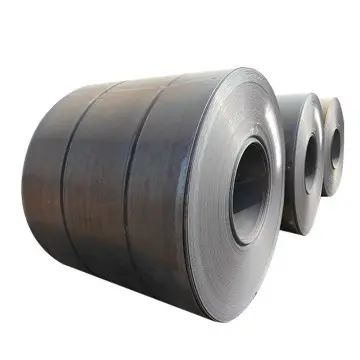
Carbon Steel Coil (Q235B / Q355B)
View Steel Coil
Structural Steel I-Beam Profiles
Explore I-Beams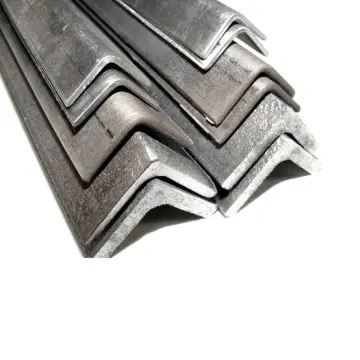
Hot-Dip Galvanized Angle Steel
Select Angle Steel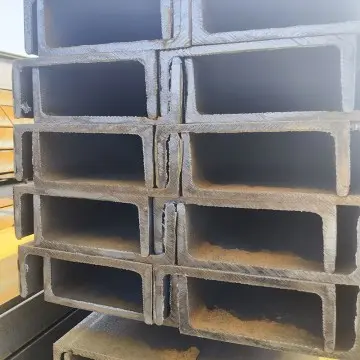
U & C Profile Structural Channel Steel
View Channels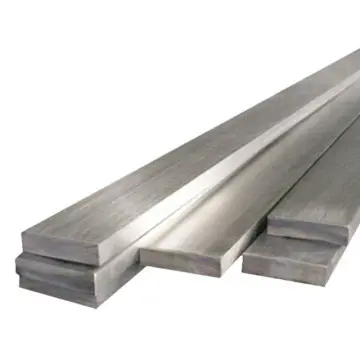
Hot-Rolled Solid Square Steel Bar
Check Square Bar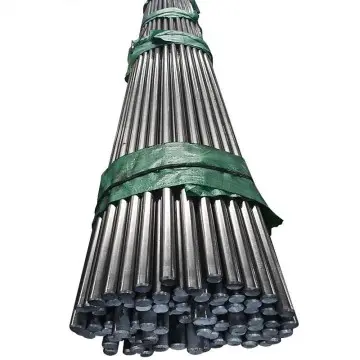
Corrosion-Resistant Plain Round Bar
Order Round Bar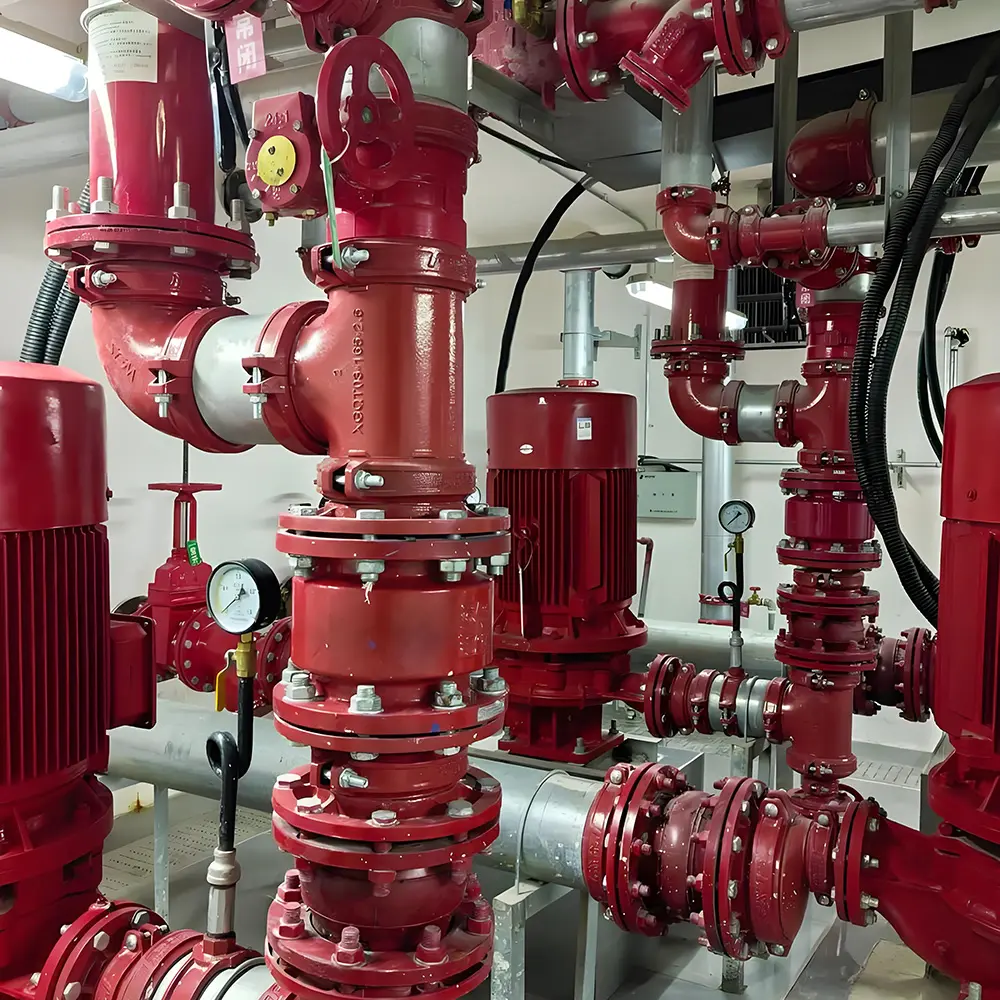
Municipal PVC & HDPE Drainage Pipelines
See Drainage Pipes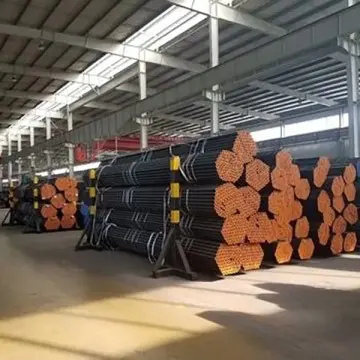
Pressure-Rated Water Supply Pipes
View Water SupplyReady to Secure Your Underground Transmission Package?
Contact our engineering export department to request CE documentation, empirical test certificates, or direct factory FOB/CIF quotations.