
Precision Engineering Pipeline & Section Portfolio
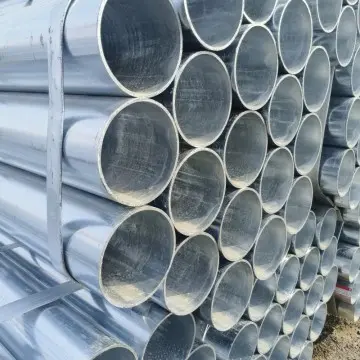
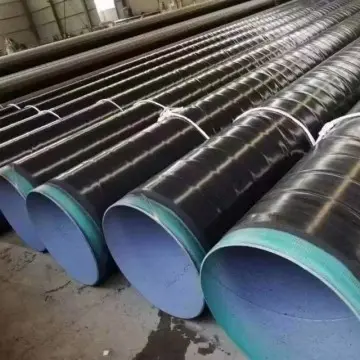
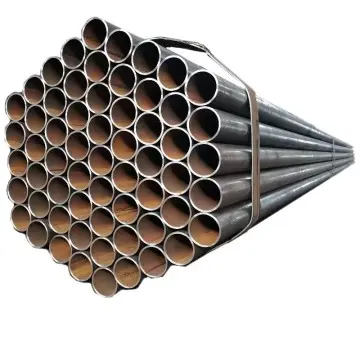
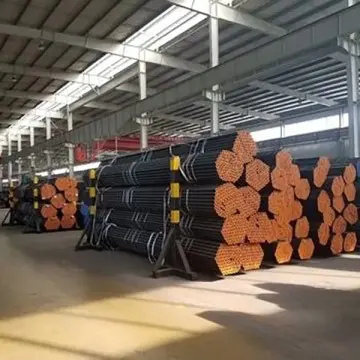
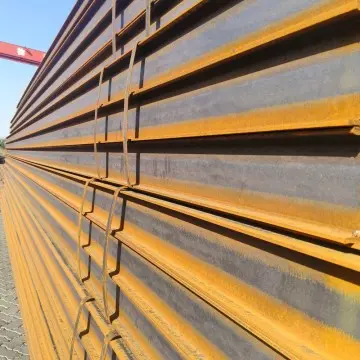
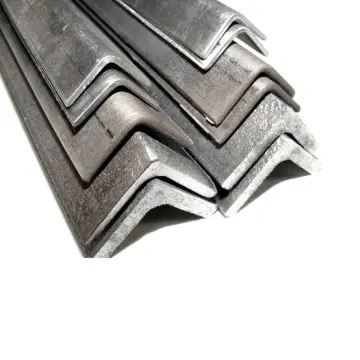
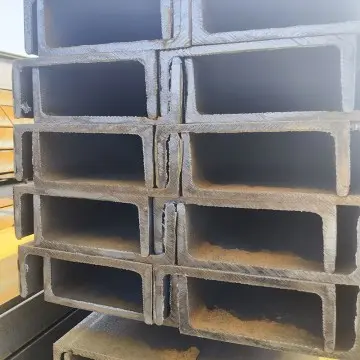
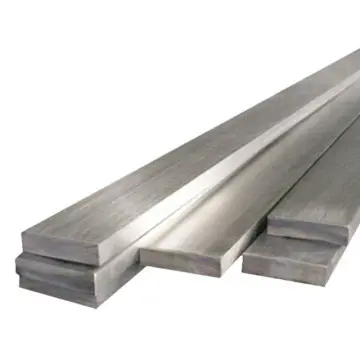
Precision-machined structural and pressure piping inventory available for direct export container loading from Tianjin and Tangshan logistics hubs.
Industry Whitepaper: The Evolution of Multilayer Composite Piping Systems
A deep dive into how CE-certified PPR-AL-PPR architectures bridge the thermodynamic divide between rigid metallic structural performance and chemically inert thermoplastic fluid dynamics.
Molecular Impermeability & Oxygen Lock
Traditional single-layer polyolefin pipelines suffer from continuous gas permeation, resulting in cavitation wear and accelerated oxidation across boiler loops and circulation pumps. Incorporating an ultrasonic overlap or butt-welded longitudinal aluminum core creates a complete zero-diffusion gas barrier (0.00 mg/L·d O2 permeation rate per DIN 4726), eliminating inner biological growth and ferrous component scaling.
Linear Thermal Expansion Mitigations
Unreinforced polyolefins carry a thermal expansion coefficient exceeding 0.15 mm/(m·K), demanding expensive expansion loops and continuous saddle supports. The intermediate aluminum barrier of PPR-AL-PPR reduces linear coefficient metrics to ~0.026 mm/(m·K)—closely mimicking copper and carbon steel pipelines—slashing structural bracketing footprints by up to 45%.
Long-Term Hydrostatic Stress Design
Certified to EN ISO 21003 and validated via 8,760-hour hoop stress regression testing, our composite configurations pair co-extruded high-crystallinity Polypropylene Random Copolymer (Type 3) with high-shear polymer melt adhesives. The result is zero inter-layer delamination across rapid cyclic operational shifts between -20°C and 95°C under continuous PN25 design loads.
Global Commercial Landscape & Supply Chain Dynamics
How evolving international construction standards, carbon pricing, and material longevity mandates are reshaping hydraulic system procurement globally.
Supply Shifting: Copper Displacement
Escalating copper volatility and site theft have pushed commercial MEP engineering firms toward engineered hybrid composites. PPR-AL-PPR delivers equivalent mechanical strength and oxygen tightness at a 60% reduction in installed gross tonnage, optimizing dead loads on high-rise architectural slabs.
Embodied Carbon & Building Lifecycles
Under European green building frameworks (BREEAM, LEED v4.1), hydraulic pipe lifecycle analysis (LCA) requires demonstrable circularity. The energy profile of continuous cold-formed laser-welded aluminum sandwich tubing requires significantly lower smelting and processing energy inputs than traditional ductile iron and heavy-gauge galvanized conduit.
Total Integrated Bills of Materials
Tier-1 procurement teams avoid fragmented vendors. Sourcing through our unified Tianjin cluster permits simultaneous multi-product container consolidation—integrating heavy structural H-beams, channel foundations, reinforced deformed bar, and advanced PPR-AL fluids into a unified single-bill-of-lading logistics flow.
Engineered Regional Implementation Frameworks
Adaptive design parameters configured for differing microclimatic, seismic, and chemical operating environments.
High-Ambient GCC District Cooling
Engineered to resist blistering slab-surface thermal loads in arid installations, mitigating inner sweating via low-conductivity wall interfaces while maintaining interior PN20 core structural rigidity.
Nordic Deep Radiant & Geothermal
Features zero cross-migration micro-fissuring down to -30°C transport thresholds, sustaining dynamic freeze-thaw soil shifts in low-enthalpy geothermal ground loops.
Southeast Asian Industrial Chemical
Unsurpassed resistance to acidic fluid streams, industrial waste effluvia, and corrosive atmospheric marine fog along heavy coastal petrochemical corridors.
High-Rise Mechanical Riser Integrity
Zero hydraulic water hammer degradation through vibration-attenuating core construction, simplifying multi-story vertical riser anchor design.
Technical Roadmap: 5-Layer Extrusion Architecture
Advanced co-extrusion technology delivering molecularly integrated metal-polymer mechanical performance.
Tier 1: Internal PPR Liner
Co-extruded virgin random copolymer resin offering hydraulic roughness of k = 0.007 mm. Prevents microbiological bio-film formation and scale crystallization under continuous fluid shear.
Tier 2: Solid-State Tie-Layer
Maleic anhydride-grafted functional adhesive melt layer generating chemical covalent bonds across polar metal interfaces and non-polar polyolefin structures, yielding peel strengths > 50 N/cm.
Tier 3: Laser-Welded Al Core
Continuous thin-wall aluminum tape (0.2–0.4mm) with seam ultrasonic/butt fusion. Delivers axial tensile resistance and forms an impenetrable molecular shield against ultraviolet and gas penetration.
Factory Production & Value-Add Processing
In-house mechanical conversion, finishing, and testing protocols executing customer CAD specifications prior to container loading.
Fixed-Length Precision Cutting
High-speed planetary cutting and squaring machines execute custom-cut segments. Removes jagged end burrs to prevent O-ring tear during electro-fusion and mechanical press-fitting assemblies.
Certified Robotic Welding & Splicing
Automated MIG/TIG structural fabrication setups deliver heavy load-bearing structural frames, custom flanges, base-plates, and complex header assemblies matching strict client shop drawings.
Continuous Deep Galvanizing
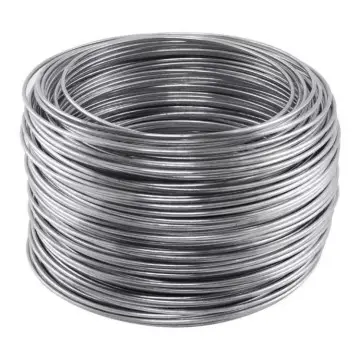
Immersion hot-dip galvanizing lines with thermal bath control produce uniform 500g/m² zinc coats on structural elements, guaranteeing multi-decade durability in severe industrial climates.
Demonstrated Engineering Performance
Supplying mission-critical structural elements and hydraulic distributions to the world's most demanding engineering feats.
Beijing Daxing International Airport
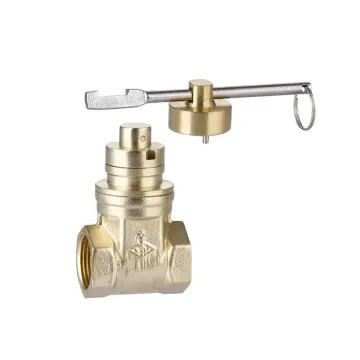
Delivered thousands of tons of high-yield structural sections, heavy pipeline systems, and high-pressure valve controls to China's premier international aviation hub.
National Stadium (Bird's Nest)
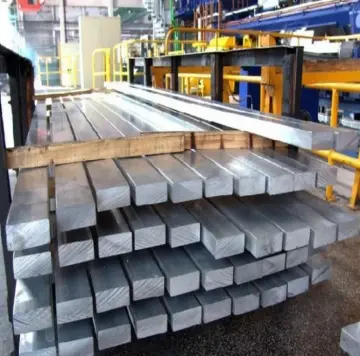
Structural profile packages fabricated to tight dimensional tolerances, supporting long-span frameworks for one of the world's iconic sporting venues.
Jiaozhou Bay Marine Cross-Sea Bridge
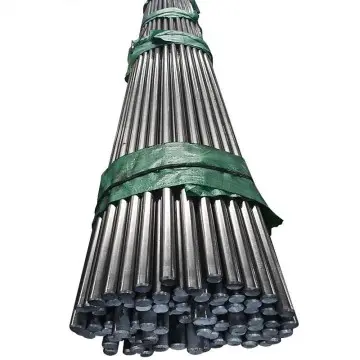
Supplied high-corrosion-resistant steel bar and structural piping built to withstand continuous saline spray and cyclical tide stresses over an extended design life.
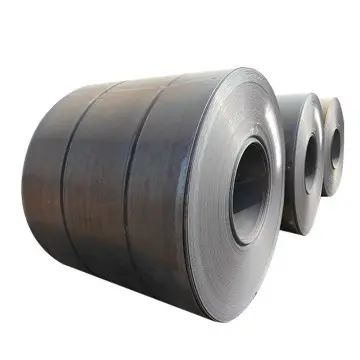
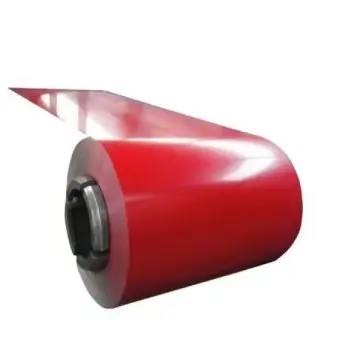
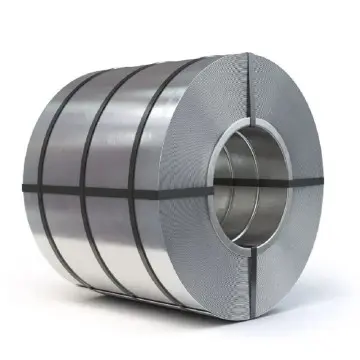
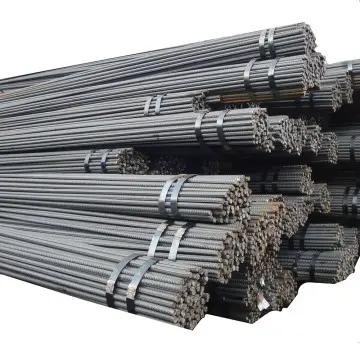
Complete Project Bill of Materials: Structural, Reinforcing & Valving
Consolidate your purchasing: order engineered fluid management alongside standard structural steel packages on a single bill of lading.
Technical & Sourcing Frequently Asked Questions
Essential technical, compliance, and logistical inquiries addressed by our export engineering team.
What specific CE harmonized standards govern your composite pipes?
Our multilayer composite pipeline solutions are certified in accordance with EN ISO 21003 (Multilayer piping systems for hot and cold water installations inside buildings), satisfying Construction Products Regulation (EU) No 305/2011. Testing encompasses long-term internal hydrostatic pressure tests, thermal cycling durability under Class 1/2/4/5 application parameters, and mechanical interlayer peel resistance.
How does the aluminium layer handle continuous thermal shear delamination?
We deploy maleic anhydride functionalized polyolefin tie adhesives within a computerized 5-layer co-extrusion feedblock. This creates strong chemical graft linkages between the non-polar PPR matrices and the oxidized surface of the etched aluminum foil, maintaining bond strengths well above the 15 N/mm EN threshold through extensive thermal cycles (-20°C to +95°C).
Can composite pipeline runs ship inside the same containers as heavy steel profiles?
Yes. By dispatching from our integrated Daqiuzhuang, Tianjin manufacturing base, we coordinate multi-material stowing. Heavy cargo such as H-beams, channel steels, and rebar bundles are seated along bottom dunnage rails, while crated PPR-AL piping and delicate brass/bronze valve elements occupy upper structural tiers, maximizing container utilization without physical damage.
What mill test certifications accompany each batch delivery?
Every shipment is delivered with verified EN 10204 Type 3.1 Mill Test Certificates. Testing records include full melt chemistry, mechanical yield and tensile limits, 8,760-hour hoop stress regression data, coating thickness verification, and hydrostatic hold reports. Third-party testing by agencies like SGS, BV, and Lloyd's Register is readily arranged prior to dispatch from Tianjin Port.