Power Protection
CE Certified PVC-C High-Voltage Power Cable Protection Pipe
Vicat Softening >93°C, Ring Stiffness SN8/SN16, Superior Dielectric Strength.
View Specifications
Full-range production of high-performance PVC-C conduits, structural sections, and pipeline protection engineering products manufactured to international CE and ASTM directives.
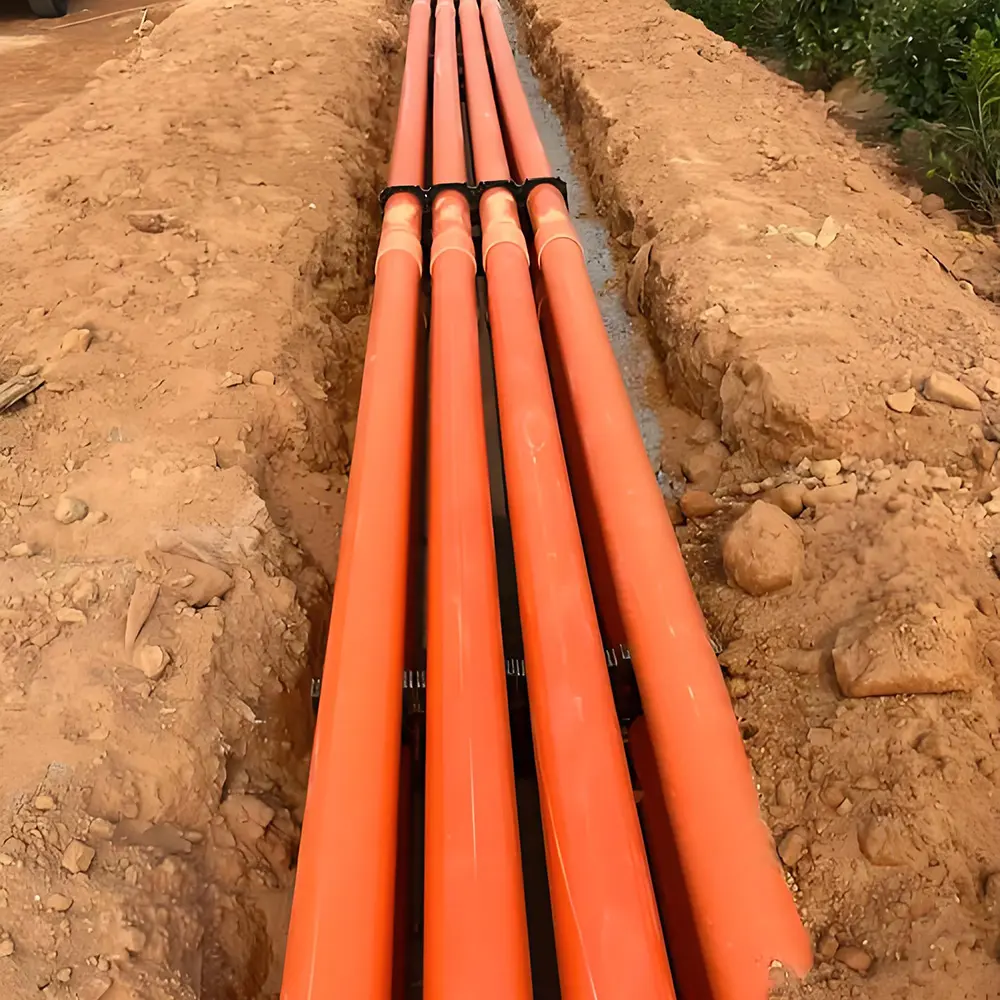
Why modern high-voltage power grids (10kV to 220kV) are shifting systematically away from standard PVC-U, HDPE, and fiberglass toward chlorinated polyvinyl chloride (PVC-C) duct networks.
Under heavy current load, underground cables generate sustained joule heat. Standard PVC-U softens at 75°C, risking wall deflection and cable jamming. Our CE-certified PVC-C maintains structural rigidity up to 93°C–105°C Vicat Softening Point, preventing duct collapse during peak transmission and short-circuit faults.
Chlorination raises chlorine content to 67%, conferring superior self-extinguishing capabilities. With a Limiting Oxygen Index (LOI) >40%, PVC-C cannot sustain flame independently. It will not propagate underground trench fires or emit combustible droplets inside critical concrete duct banks.
Engineered for direct subterranean burial without continuous concrete encasement. PVC-C provides superior ring stiffness against deep overburden soils, high groundwater hydrostatic head, and direct heavy axle traffic loadings (AASHTO H-20 / European EN 124 Class D400).
Unlike metal conduits that require galvanizing or cathodic protection against stray subway currents and aggressive acidic soils, PVC-C is completely dielectric. It acts as an auxiliary electrical insulator, preventing capacitive eddy current losses in three-phase transmission.
| Performance Characteristic | CE Certified PVC-C | Standard PVC-U | High-Density PE (HDPE) | Glass-Reinforced Plastic (FRP) |
|---|---|---|---|---|
| Vicat Softening Temperature (°C) | ≥ 93 – 105 °C | ≤ 76 °C | ≤ 65 °C | ≥ 130 °C (Resin dependent) |
| Limiting Oxygen Index (LOI %) | ≥ 40% (Self-extinguishing) | ~ 32% | < 18% (Readily combustible) | 25% – 30% |
| Tensile Strength (MPa at 23°C) | ≥ 50.0 MPa | ≥ 40.0 MPa | ≥ 22.0 MPa | ≥ 65.0 MPa |
| Direct Burial (Without Concrete Casing) | Excellent (SN8/SN16 Rated) | Moderate (Crush risk) | Good (Subject to creep) | Good (Brittle under impact) |
| Pulling Friction Factor (μ) | 0.20 – 0.25 (Ultra-low) | 0.30 – 0.35 | 0.28 – 0.32 | 0.35 – 0.45 |
| Long-term Design Life Span | 50+ Years Underground | 30–40 Years | 50 Years | 30–50 Years |
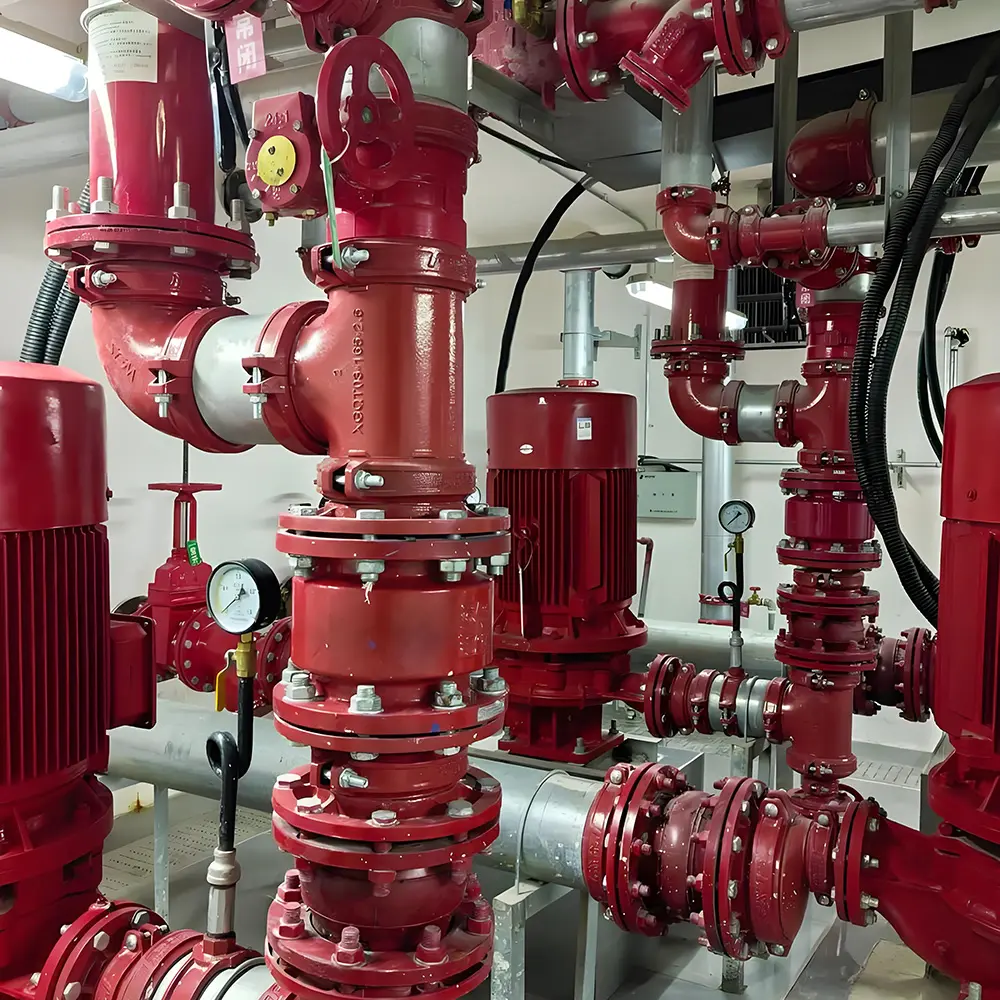
HZXY solves complex procurement bottlenecks by delivering synchronized packages of civil materials, steel profiles, cable ducts, and flow-control systems direct to mega-project sites globally.
Undergrounding overhead lines in high-density urban areas requires non-conductive, fire-resistant duct banks. Our PVC-C pipes house 110kV–220kV XLPE cables beneath heavy transport corridors, offering thermal dissipation that prevents cable de-rating during summer peaks.
Utility-scale solar farms and wind parks require extensive subterranean medium-voltage cabling across alkaline soils and corrosive wetlands. PVC-C provides 100% resistance to soil sulfates, hydrocarbons, and aggressive fertilizers without chemical degradation.
Traction power lines generate intense electro-magnetic induction. Using metallic ducts induces heavy eddy losses, while PVC-C ensures zero eddy currents and superior impact resistance along vibration-heavy railway embankments and tunnel linings.
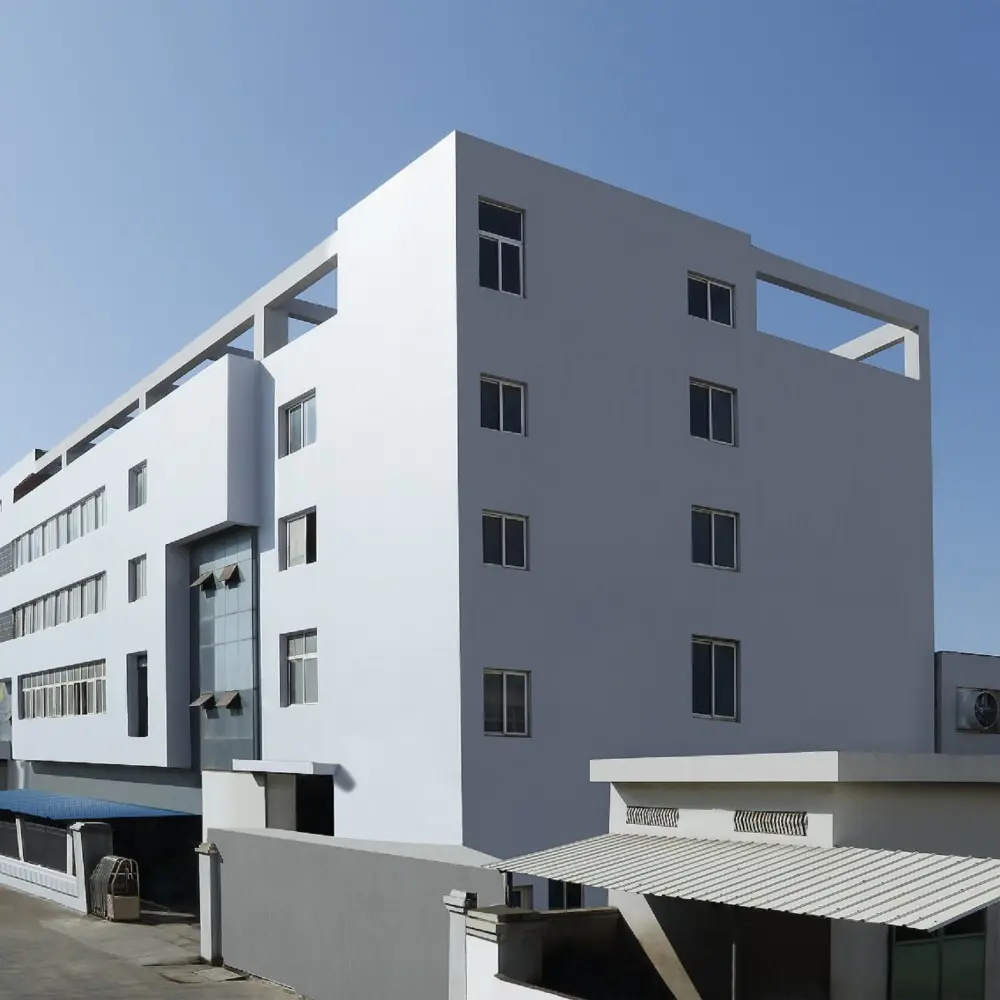
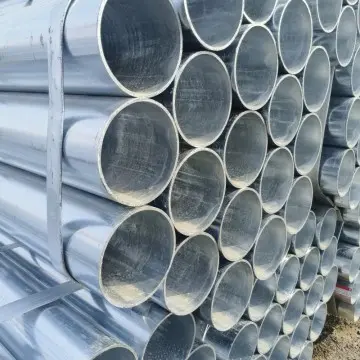
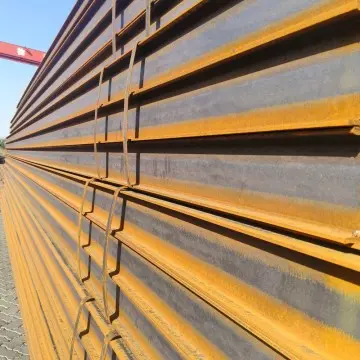
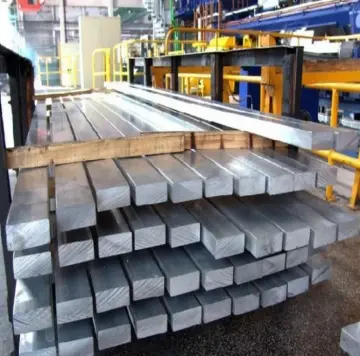
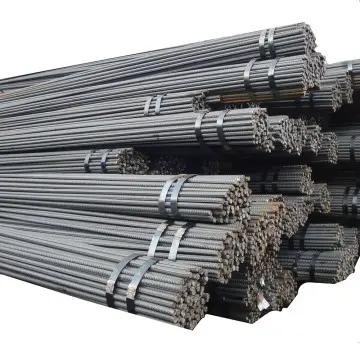
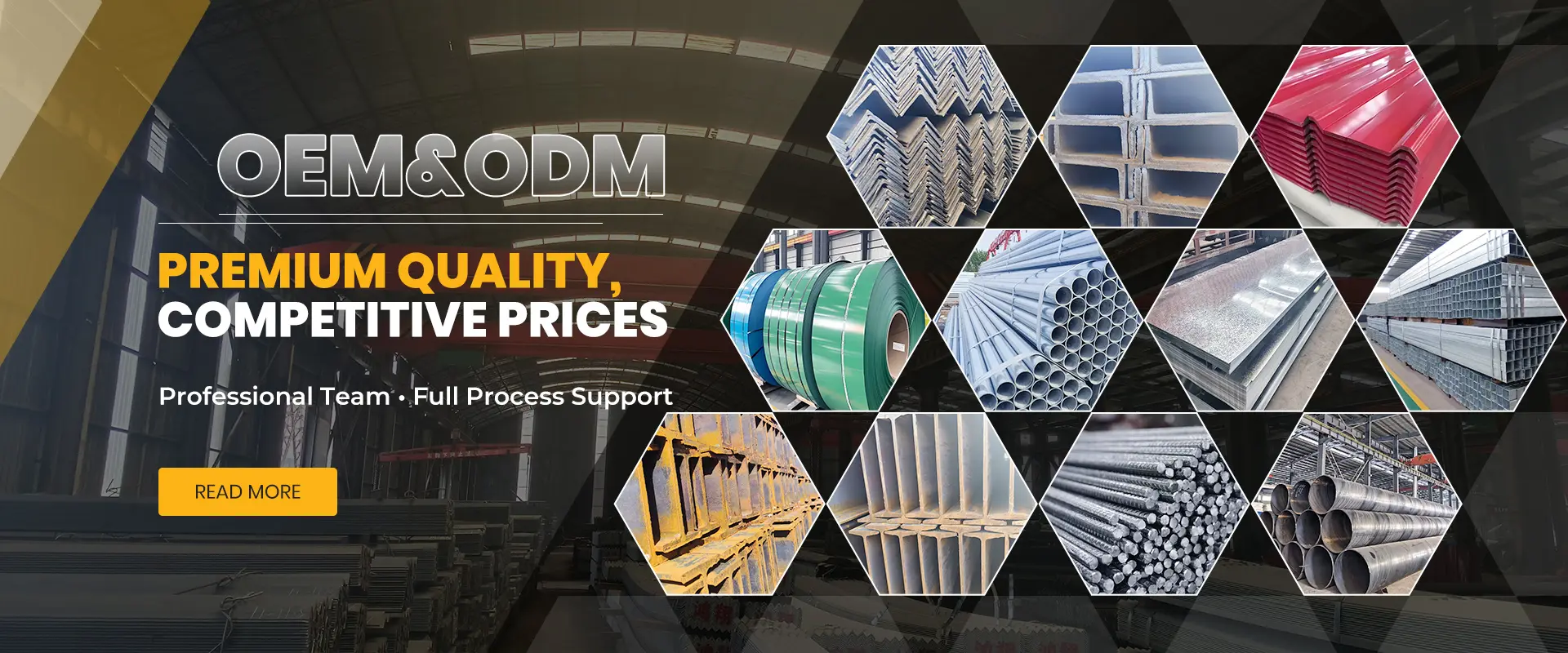
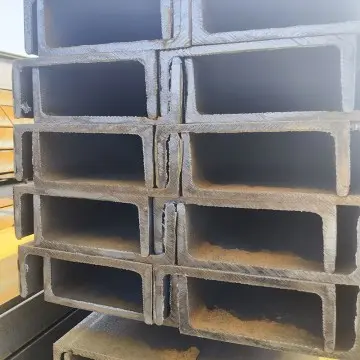
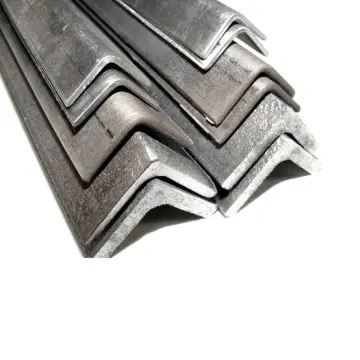
Rather than managing distinct factories for structural steel, earthing flats, conduit ducts, and drainage, EPCs consolidate their procurement under HZXY. We ship coordinated container loads of PVC-C conduits alongside substation H-beams and grounding bars.
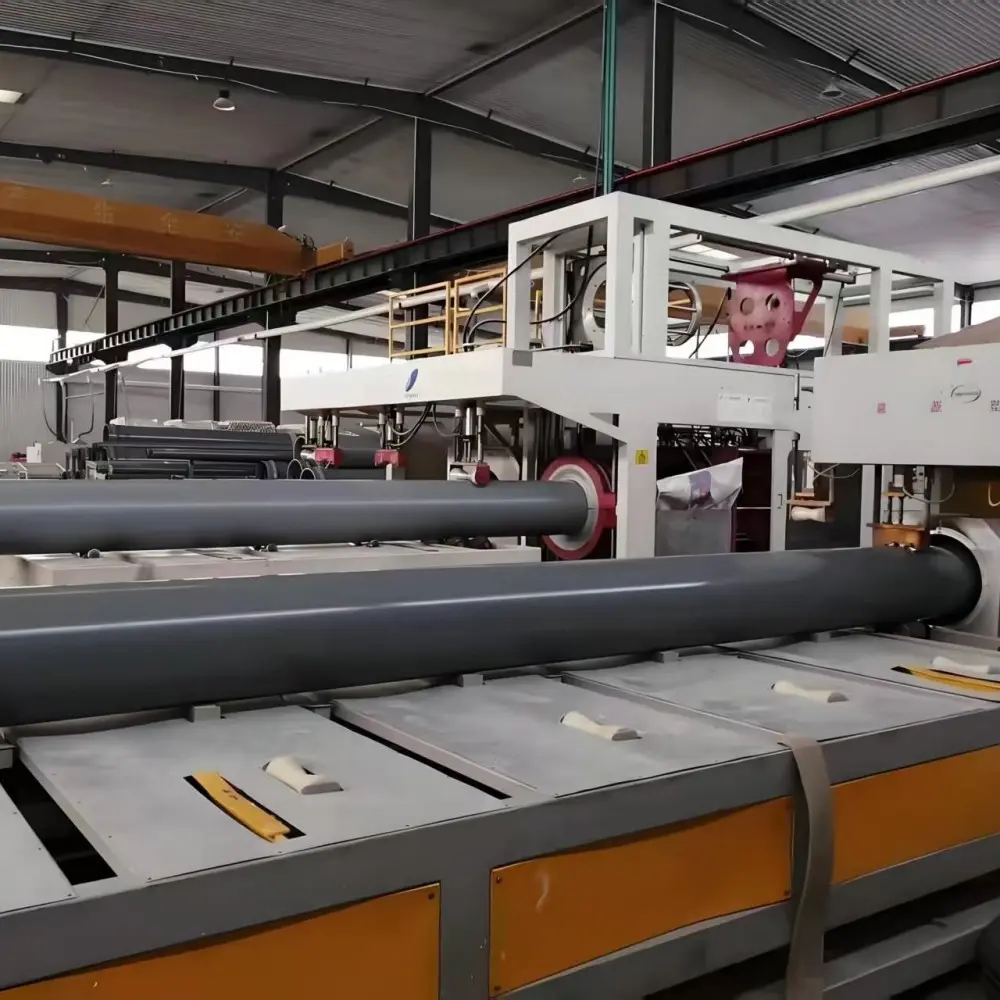
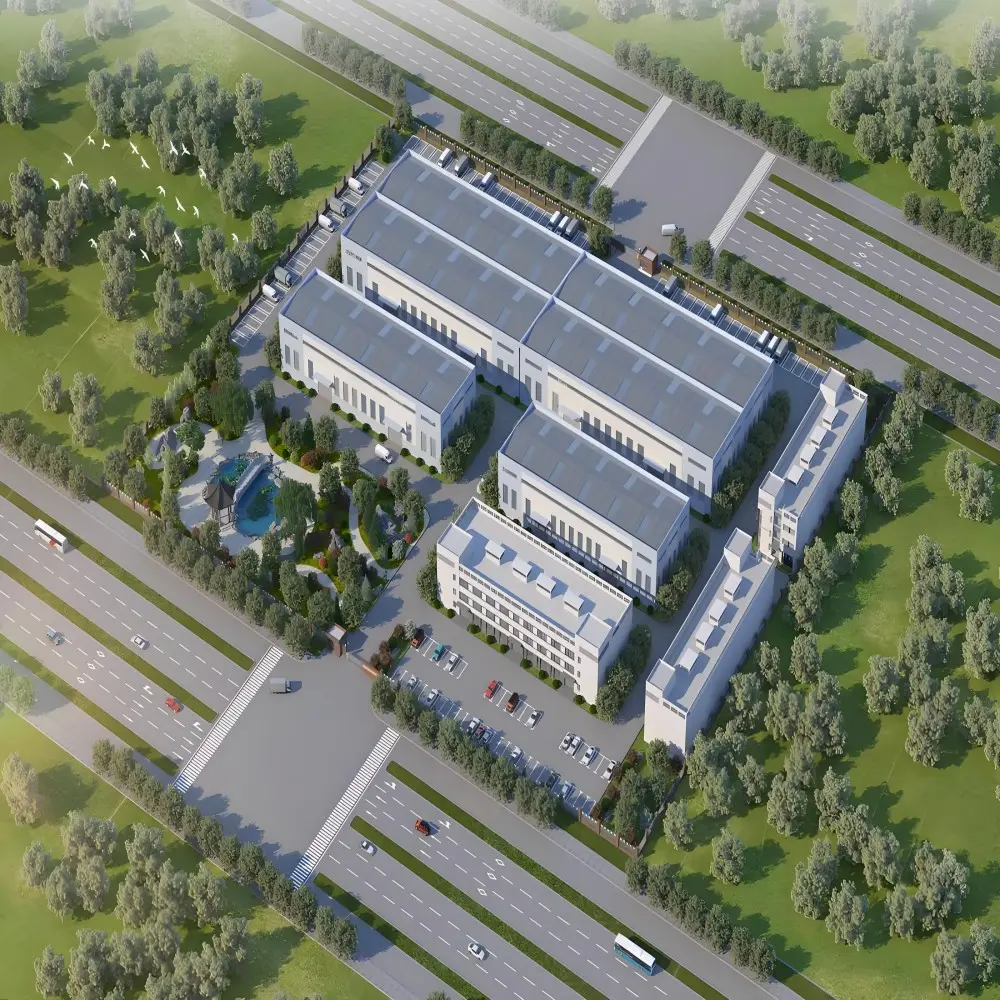
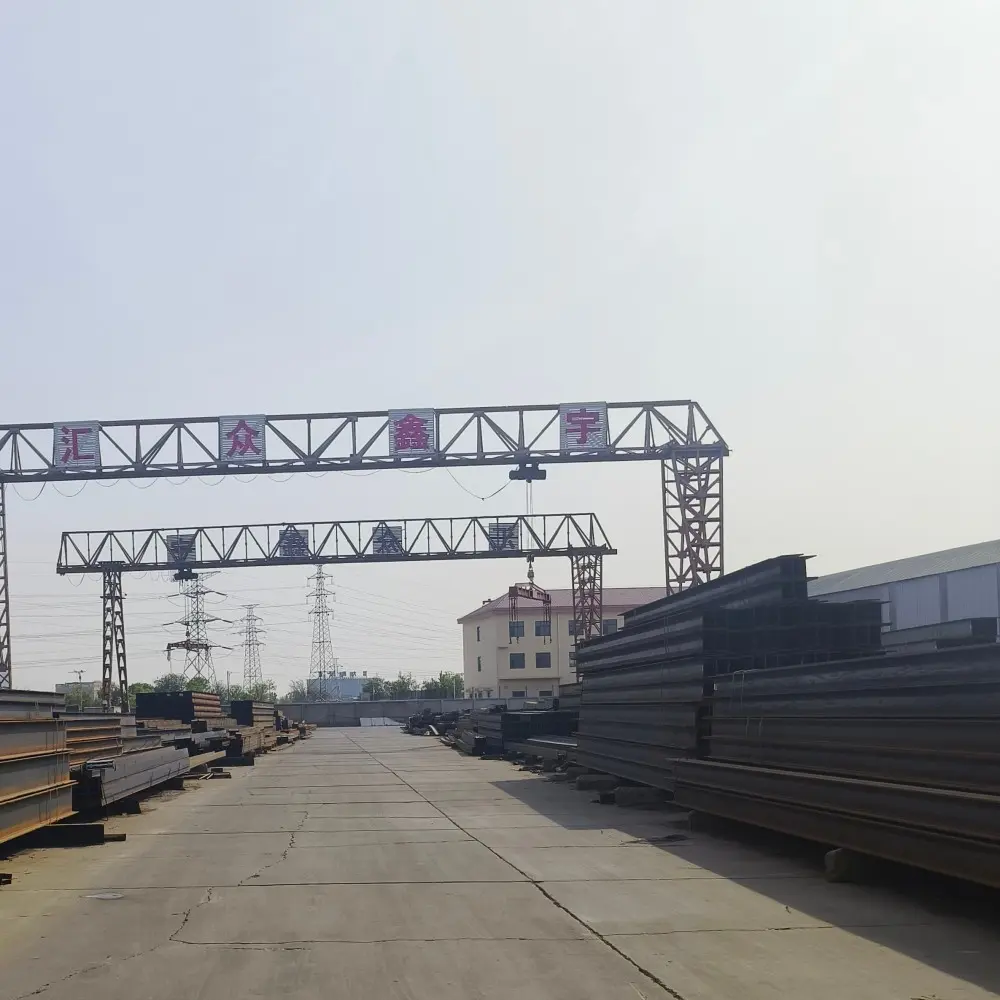
Take a tour of our specialized extrusion halls, raw material chlorination compounding, and heavy structural yards servicing key international hubs.
Supplying world-class energy and infrastructure contractors with complete material traceability, factory test reports (MTR), and stringent EN compliance.
Our PVC-C conduit systems fully comply with EN 61386-24 (Conduit systems buried underground) and the EU Low Voltage Directive (LVD). Each shipment includes genuine Declarations of Performance (DoP) and Type-Test certifications from accredited testing bodies.
We routinely facilitate inspection mandates from SGS, Bureau Veritas, TÜV, and Intertek. Tests cover dimension accuracy, wall thickness uniformity, Vicat softening temperature, drop weight impact at 0°C, and ring stiffness testing.
Headquartered adjacent to Tianjin Port, our team coordinates bulk cargo chartering, container nesting, and specialized bundling that prevents pipe ovalization during ocean voyages. Complete export documentation covers L/C, Form E, CO, and SASO.
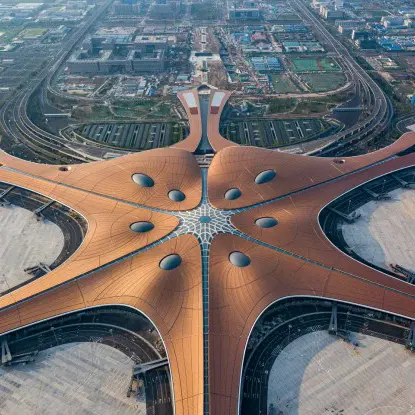
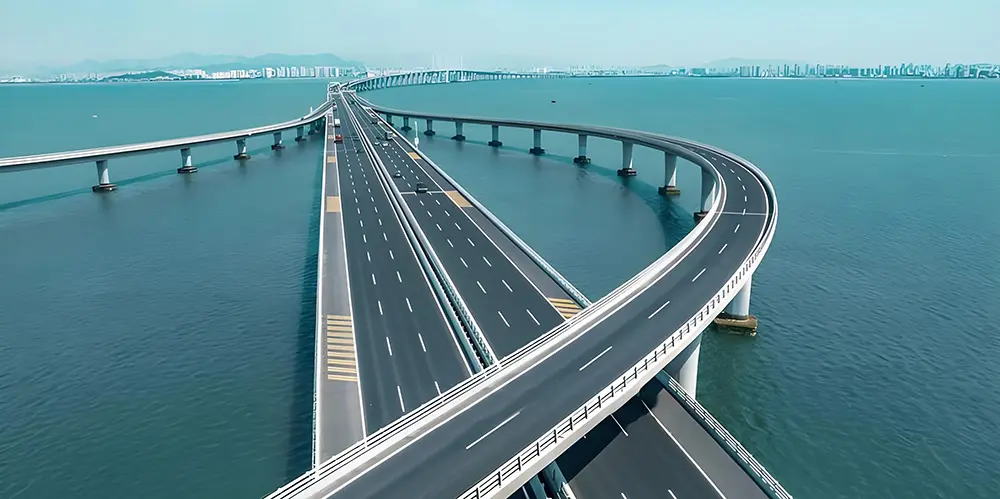
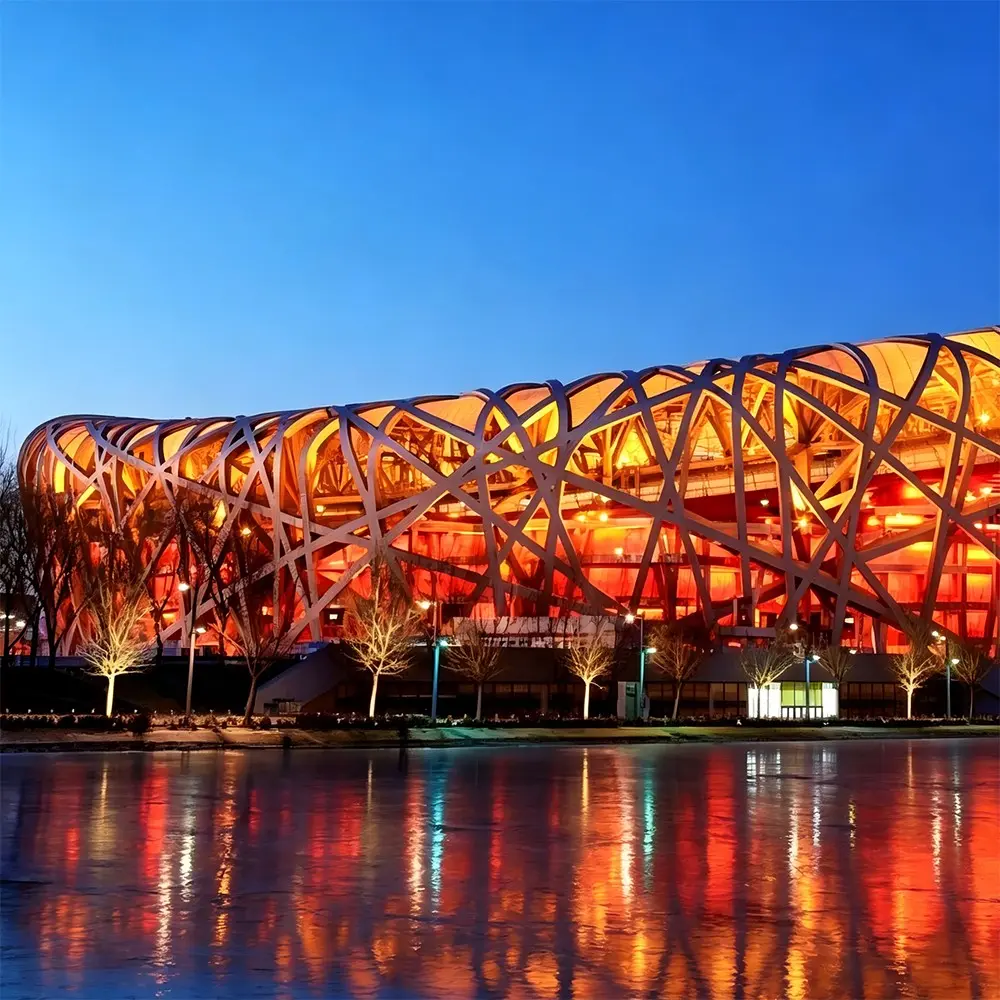
From state-of-the-art international transit hubs to iconic stadiums, HZXY engineering materials stand the test of time under severe operating conditions.
Pioneering sustainable, low-carbon resin formulations and IoT-integrated smart underground cable duct networks.
In accordance with evolving EU REACH and RoHS mandates, our new extrusion lines exclusively utilize advanced calcium-zinc (Ca-Zn) and organic-based stabilizers. This guarantees zero heavy metal leaching during long-term buried lifecycle operations.
By blending nano-scale rubber-elastomer modifiers into the chlorinated vinyl polymer matrix, our R&D team has elevated low-temperature (-10°C) impact toughness by over 45%, resolving cold-weather brittleness during winter trenching.
Co-extruded micro-channels embedded within the PVC-C pipe wall allow the simultaneous installation of distributed fiber-optic temperature sensors (DTS), enabling power grid operators to monitor cable heat distribution in real-time.
Clear answers on mechanical properties, joint sealing, international standards compliance, and mixed container shipping.
PVC-C (Chlorinated Polyvinyl Chloride) undergoes a post-chlorination reaction raising chlorine content from ~57% to ~67%. This fundamentally elevates its heat resistance: PVC-C has a Vicat softening point exceeding 93°C (up to 105°C), compared to just 75°C for PVC-U. Under high-voltage cable heating, PVC-C retains compressive ring stiffness, ensuring zero pipe sag or collapse.
Our PVC-C cable protection pipes comply with European standard EN 61386-24 (Conduit systems buried underground), alongside ISO 9001 quality management standards and ASTM F441 / ASTM D2846 testing metrics. Every production lot is delivered with comprehensive Mill Test Certificates and 3.1 quality inspection documents.
We supply two standard jointing configurations: 1) Integrated Bell-and-Spigot with pre-installed EPDM rubber sealing rings, which allow rapid installation in wet trenches and accommodate thermal expansion/ground settling; 2) Solvent-weld socket joints using high-strength PVC-C solvent cement for completely hermetic, pressure-tight duct banks.
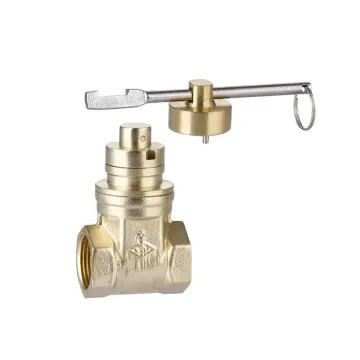
Yes. As an integrated producer operating 1,500 acres of production in Tianjin and Tangshan, we specialize in complete project bills of materials. We bundle PVC-C conduits inside or alongside structural H-beams, deformed rebar, galvanized grounding flats, and pipeline valves, drastically lowering total logistics costs and port handling fees.
HZXY is headquartered in the Daqiuzhuang Industrial Zone, Jinghai District, Tianjin, China, one of the world's foremost steel and polymer fabrication hubs. All ocean exports are primarily loaded via Tianjin Port (Xingang), with secondary routing through Qingdao or Shanghai as dictated by customer shipping requirements.
Yes, absolutely. We regularly host independent inspection agencies such as SGS, Bureau Veritas, Intertek, and TÜV. Inspectors verify wall thickness tolerances, mechanical tensile strength, Vicat softening points, impact behavior, and export bundling integrity prior to container stuffing.
Complete your electrical substation, underground duct bank, and utility civil works with high-grade components manufactured in our Tianjin and Tangshan clusters.
Request customized technical submittals, factory test certifications, or project bids for CE Certified PVC-C conduits and companion structural materials.