
Engineered Composite Pipes & Critical Infrastructure Series
Explore cost-efficient piping, long steel sections, and composite structural materials directly supplied with mill certificates and global export credentials.
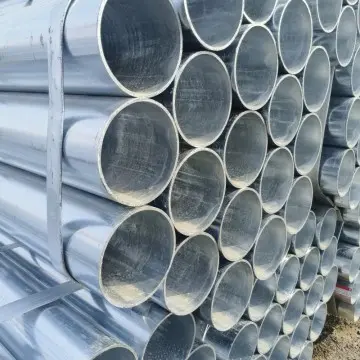
Galvanized Scaffolding Steel Pipe for Load-Bearing Structures
View Product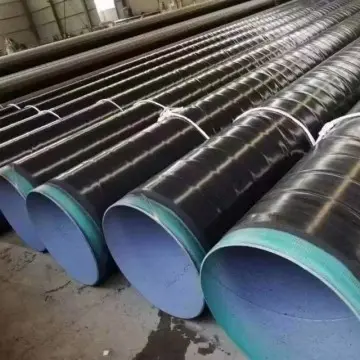
Industrial High-Strength Anti-Corrosion Coated Steel Pipe
View Product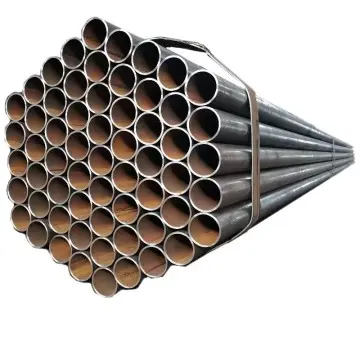
In-Stock Black Structural Steel Pipe for Construction
View Product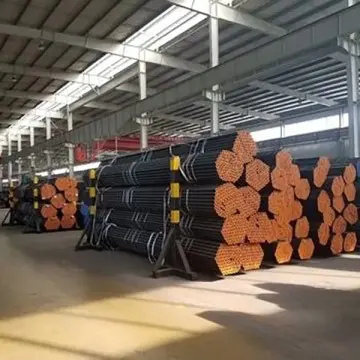
Color Painted Anti-Corrosion Sprayed Steel Pipe
View Product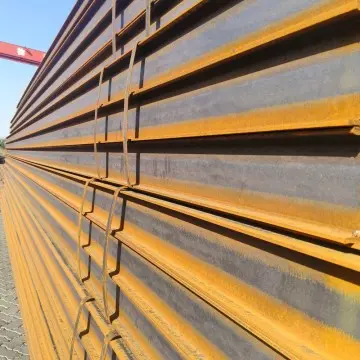
A36 / Q235 Grade Hot Rolled H-Beam Structural Profiles
View Product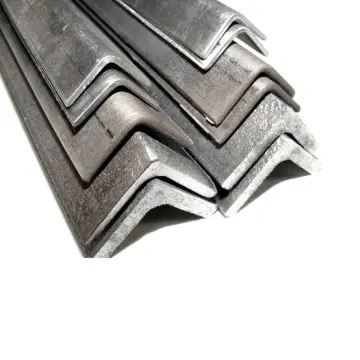
Perforated Galvanized Carbon Steel Angle Bar
View Product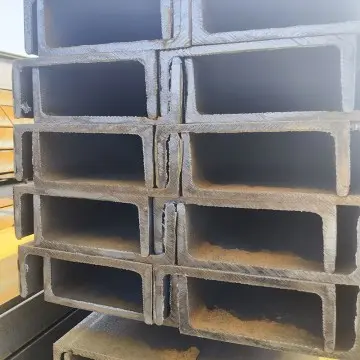
Hot Rolled Galvanized Channel Steel for Engineering
View Product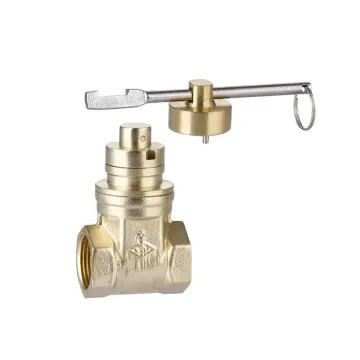
Pressure Resistant Industrial Valves for Fluid Networks
View ProductPPR Multilayer Composite Technology: Engineering Anatomy & Physics
Analyzing cross-linked microstructures, thermal expansion mitigation, and mechanical adhesion between polymer layers and reinforcing cores.
Thermal Expansion Control
Standard PPR piping suffers from a thermal expansion coefficient of approximately 0.15 mm/m·K. PPR Multilayer Composite Pipes (such as PPR-AL-PPR and PPR-Fiberglass-PPR) integrate a core intermediate layer that reduces thermal linear expansion by up to 75%, matching the stability of metallic lines while retaining pure plastic chemical neutrality.
100% Oxygen Impermeability
Continuous ultrasonic lap-welded or butt-welded aluminum barrier layers prevent oxygen molecules from permeating into the closed-loop heating or chilling systems. This critical function eliminates the risk of electrochemical corrosion on metallic boiler elements, radiators, circulation pumps, and downstream valves.
Inter-Layer Adhesive Integrity
Cheap or low-grade multilayer pipes frequently delaminate under sustained hydraulic thermal cycling. Industrial-grade manufacturers utilize high-performance functional copolymer adhesive resins that create chemical cross-linking bonds between the inner Polypropylene Random copolymer and the reinforcement core.
China Industry 4.0: Why "Cheap" Means Cost Advantage, Not Compromised Quality
Demystifying the economies of scale, automated co-extrusion clusters, and logistics efficiency driving down export unit economics.
Upstream Cluster Proximity
Operating within dense industrial nodes like Daqiuzhuang, Jinghai, and Tangshan delivers zero-distance raw polymer feeding, immediate hot-dip galvanizing partnerships, and shared bulk transport corridors. Raw material purchasing costs remain unburdened by multi-hop freight margins.
Automated Co-Extrusion Lines
Modern 5-layer co-extrusion systems utilize laser ultrasonic wall-thickness gauges and gravimetric dosing units to dynamically monitor and adjust polymer thickness in real time. Scrap rates are curbed under 0.8%, substantially dropping conversion costs below European benchmarks.
Maritime Port Integration
Direct logistical corridors to Tianjin Port enable instant container stuffing and automated bonded warehousing. Turnaround times from factory test completion to ship hatch loading are reduced to hours, giving international procurement teams unmatched delivery agility.
Engineering Roadmap & Multi-Standard Verification
A rigorous cross-standard mechanical and thermal matrix illustrating performance compliance across DIN, ISO, ASTM, and Chinese GB certifications.
| Performance Metric | Monolayer Standard PPR | PPR-AL-PPR (Multilayer) | PPR-Fiberglass (FR-PPR) | Compliance Test Standards |
|---|---|---|---|---|
| Linear Expansion (mm/m·K) | ~0.150 (Requires loops) | ~0.026 - 0.030 | ~0.035 - 0.040 | DIN 8077 / 8078, ISO 15874 |
| Oxygen Barrier Diffusion | Permeable (>3.6 mg/m²·d) | Zero (100% Non-Permeable) | Low to Moderate | DIN 4726 Barrier Protocol |
| Long-term Hydrostatic Strength (70°C) | 50 Years @ 1.0 MPa | 50 Years @ 1.25 - 1.6 MPa | 50 Years @ 1.25 MPa | ISO 9080, ASTM F2389 |
| Pipe Rigidity / Support Span | Frequent brackets required | Extended spans (+100%) | Extended spans (+70%) | GB/T 18742.2 |
| Direct Jointing Method | Standard Socket Fusion | Peeling Fusion / Overlap Socket | Standard Fusion (No Peeling) | DVS 2207-11 Thermal Fusion |
Integrated Engineering Solutions by Industrial Sector
One-stop procurement bridging thermoplastic composite piping networks, structural profiles, high-pressure valves, and secondary systems.
HVAC & District Radiant Heating
Multi-story residential and commercial district loops require continuous resistance against thermal sag and micro-leakage. Combining PPR-AL-PPR supply loops with our industrial gate, ball and check valves preserves pump efficiency and eliminates cavitation caused by vapor locking.
Municipal Utilities & Drainage Systems
Urban civil and industrial complexes leverage our complete plastic building packages, seamlessly consolidating water supply lines, drainage piping, and heavy-duty structural steel into unified, cost-effective containerized shipments.
Fire Mains & High-Pressure Distribution
Complete MEP infrastructure projects demand interoperable systems. We supply high-specification galvanized steel pipe networks alongside our multilayer thermoplastic supply corridors to satisfy municipal firefighting and gas delivery mandates.
Factory Tour & Automated Production Verification
1,500 acres of high-capacity production workshops, heavy extrusion lines, galvanizing bays, and rapid-loading freight facilities.
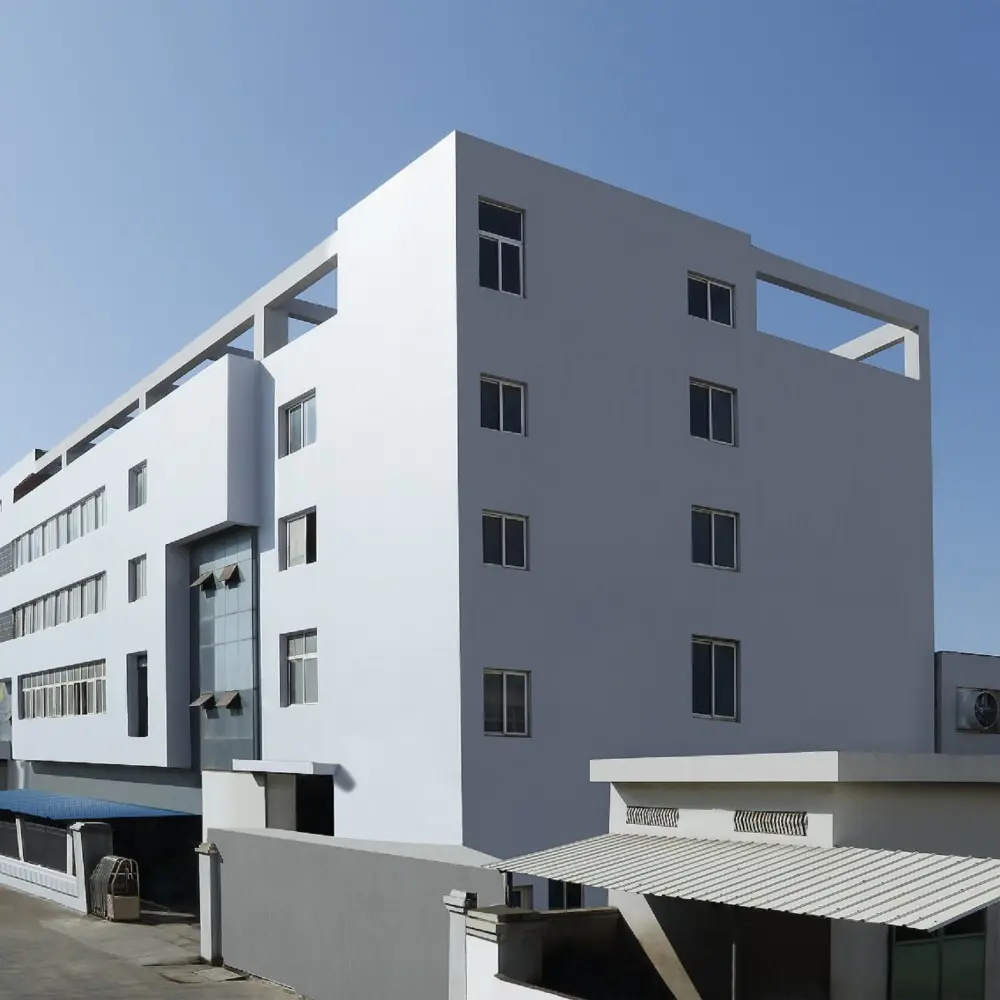 Headquarters Complex & R&D
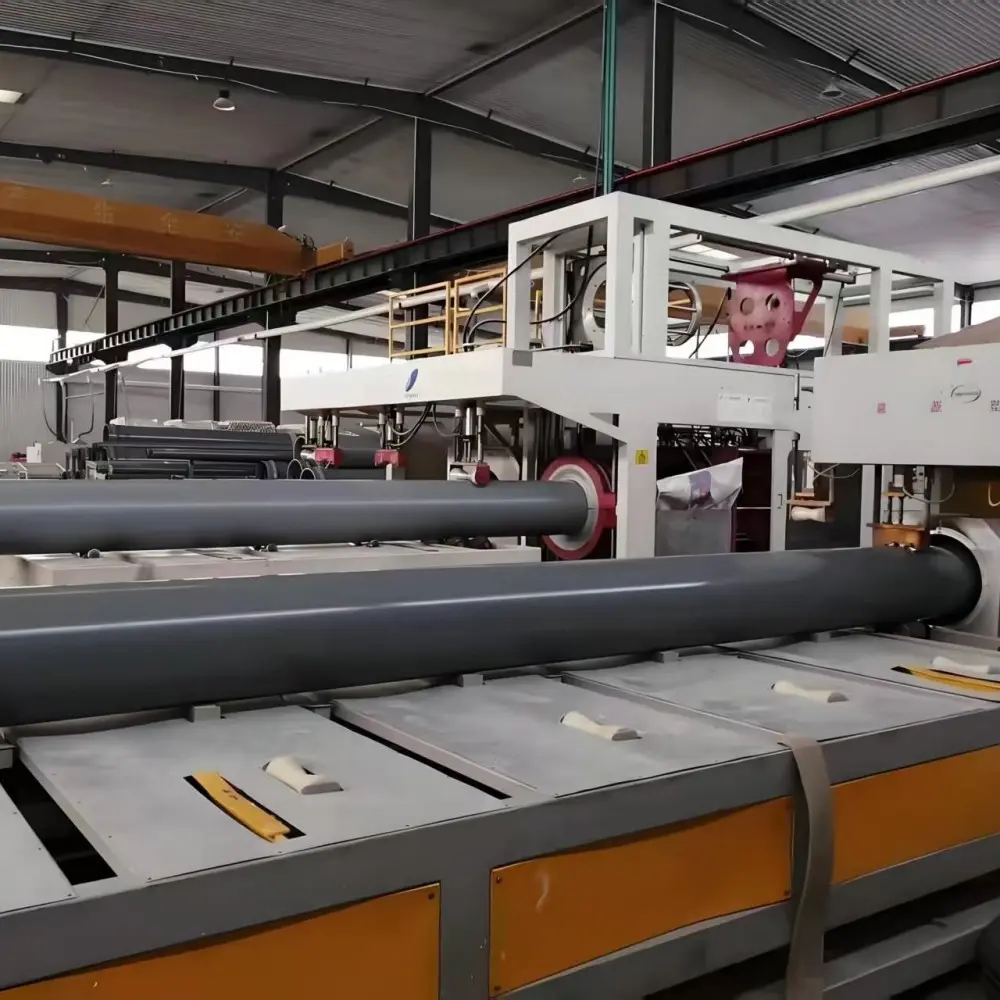 Pipe & Fitting Co-Extrusion Workshop
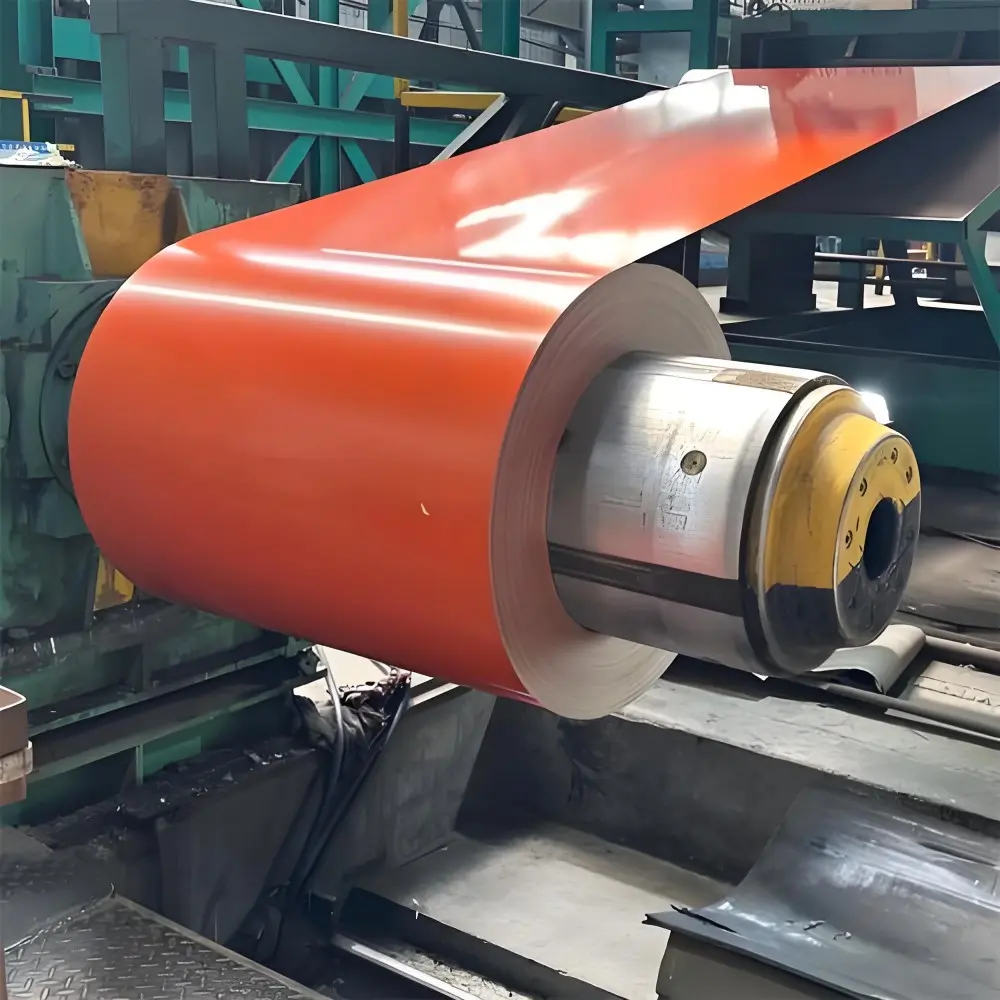 Automated Spraying & Coating Line
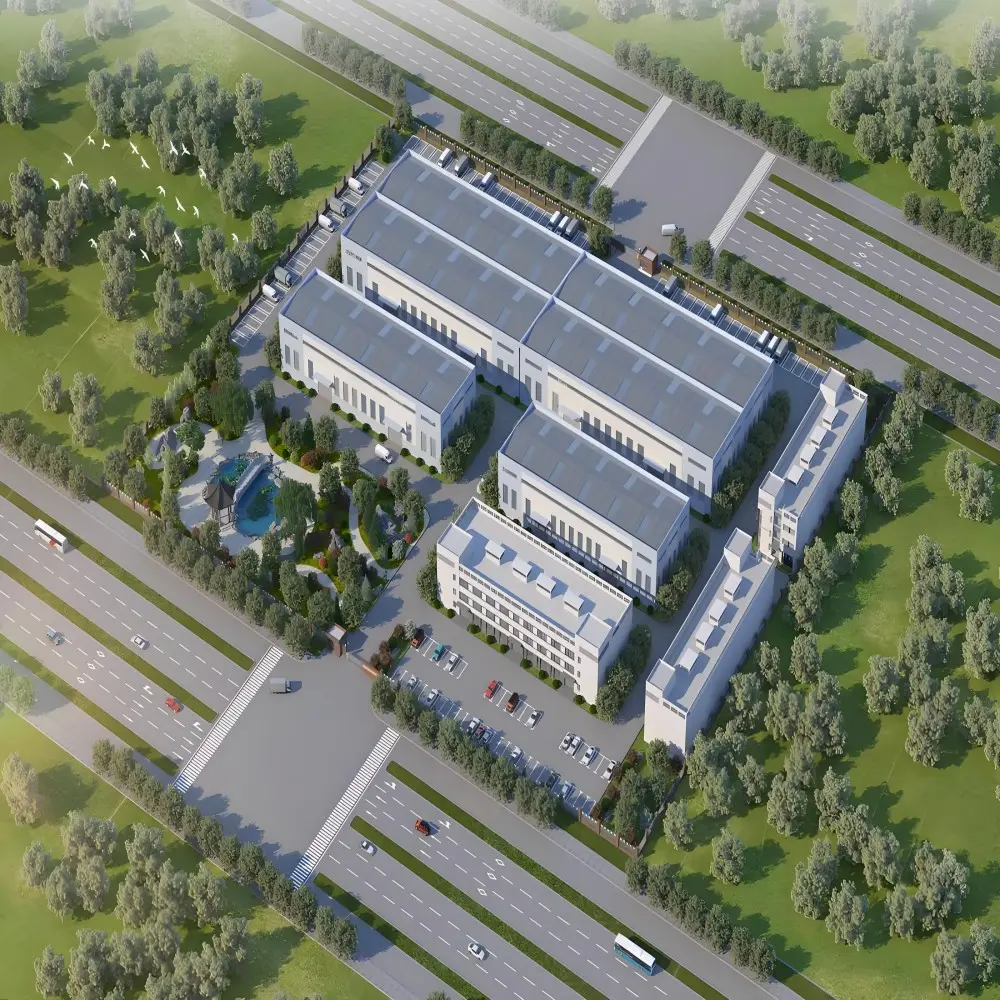 Tangshan Heavy Industrial Facility
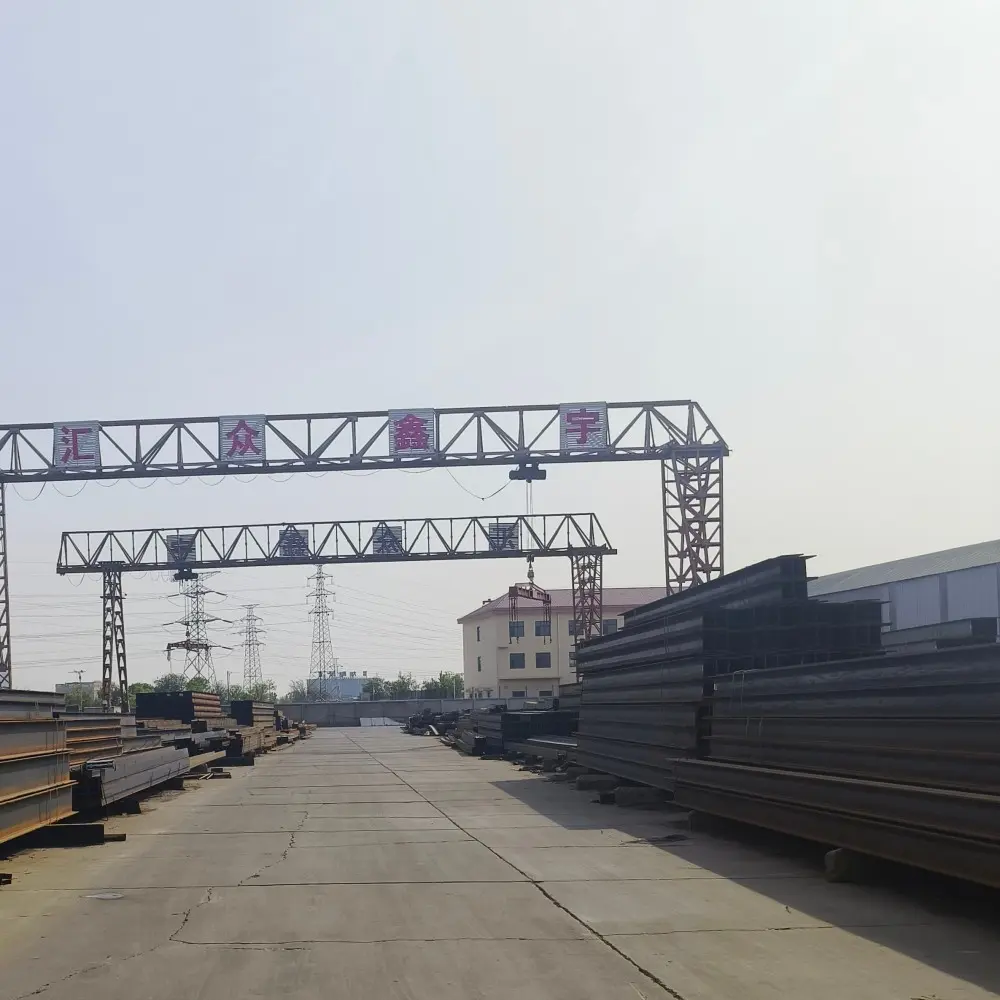 Tianjin Dedicated Freight Yard
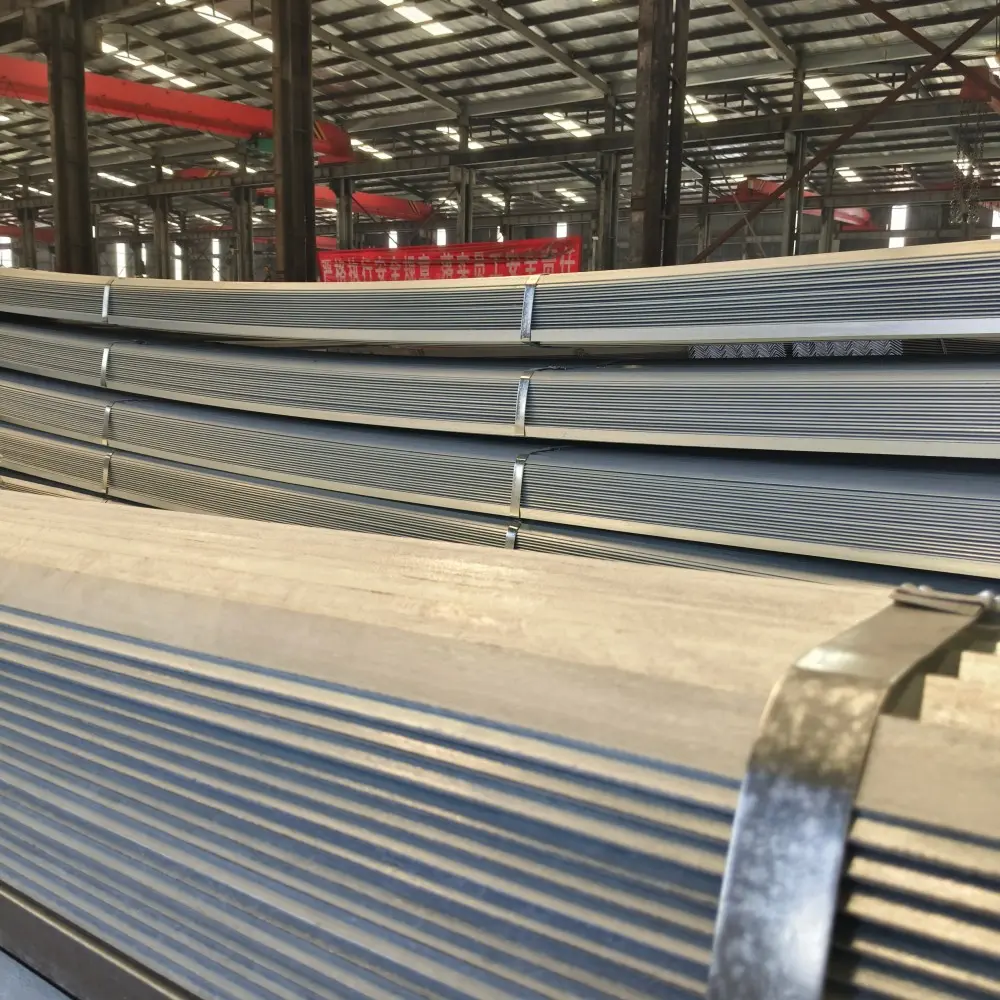 Automated Inventory Warehouse
Headquarters Complex & R&D
Pipe & Fitting Co-Extrusion Workshop
Global Enterprise Procurement: Risk Mitigation & Cross-Border Compliance
Addressing international customs, raw material tracing, third-party lab authorizations, and incoterm logistical safeguards.
Full Mill Test Traceability
Every shipment is accompanied by complete EN 10204 3.1 Mill Test Certificates, hydrostatic batch burst test curves, and raw material melt flow index (MFI) verifications. All lots bear laser-etched batch indices for lifetime structural accountability.
Third-Party Inspection Ready
We welcome third-party oversight from globally accredited authorities, including SGS, BV, TÜV, and Intertek. Dimensions, peel strengths, hydrostatic pressures, and packaging seals are authenticated prior to issuance of loading documents.
Bilingual Engineering Support
Our dedicated international trade coordinators have 5+ years of hands-on technical export experience. From handling LC at sight conditions to formulating mixed-container stowage strategies, we eliminate transaction risks end to end.
Frequently Asked Questions on Sourcing PPR Multilayer Pipes
Authoritative technical and logistical clarifications to guide engineering teams and foreign trade managers.
Why are Chinese suppliers able to provide "cheap" PPR multilayer composite pipes without sacrificing durability?
Cost advantage in China is driven by industrial clustering and advanced automation rather than cheapened materials. Concentrated production bases like Daqiuzhuang house raw resin suppliers, tooling shops, and packaging fabricators within single industrial districts, heavily minimizing logistics overhead. Furthermore, high-speed multi-layer co-extrusion technology enables high throughput and near-zero material scrap rates.
What is the fundamental difference between PPR-AL-PPR and PPR-FR (Fiberglass) composite pipes?
PPR-AL-PPR integrates a middle aluminum layer that completely eliminates oxygen diffusion (essential for boiler systems) and offers the lowest linear thermal expansion, though it requires peeling tools before jointing unless overlap designs are deployed. PPR-FR pipes feature a middle fiberglass-reinforced polypropylene composite layer, achieving excellent rigidity and expansion control without requiring layer peeling during socket fusion, thus cutting installation labor time.
Can I consolidate PPR multilayer composite pipes with structural steel in one container shipment?
Yes. As a comprehensive group supplying structural H-beams, channel steels, coils, carbon pipes, and thermoplastic building products, HZXY specializes in mixed-load container optimization. Lighter composite pipes can nest inside or ride atop heavy structural elements, significantly lowering cubic meter freight costs per ton.
What quality control procedures guarantee that multi-layer pipes will not delaminate over time?
Delamination prevention is governed by peel strength and thermal cycle testing conforming to DIN 8078 and ISO 15874. Our manufacturing lines use high-grade copolymer tie-adhesives and subject batches to rapid temperature alternation tests (95°C to 20°C under continuous hydrostatic pressure for thousands of cycles) to guarantee uniform adhesion over a 50-year design life.
Where is HZXY located, and which ports are used for export dispatches?
We are headquartered in the Daqiuzhuang Industrial Zone, Jinghai District, Tianjin, China, with extensive secondary production hubs in Tangshan. Almost all overseas shipments are directly loaded through Tianjin Port (Xingang), with secondary routing through Qingdao or Shanghai accessible upon buyer request.
Consolidated Procurement Portfolio: Coils, Rebar & Structural Solutions
Fulfill your complete engineering bill of materials from a single responsible exporter. Inspect our primary long and flat steel offerings below.
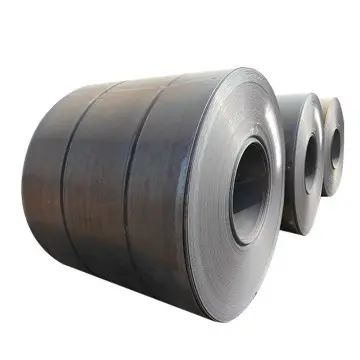
Q235B / Q345B Hot Rolled & Cold Rolled Carbon Steel Coil
View Product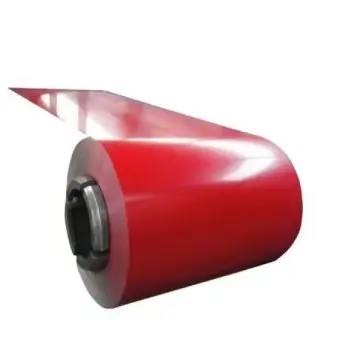
Double-Coated Prepainted PPGI Steel Coil for Roofing
View Product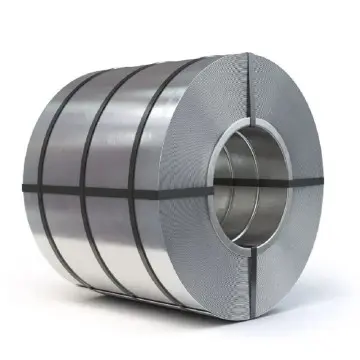
DX51D–DX54D High Tensile Galvanized Steel Coil
View Product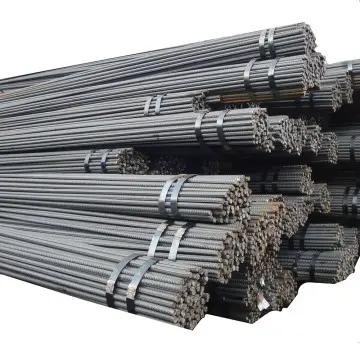
Deformed Concrete Steel Rebar 6 mm – 12 mm
View Product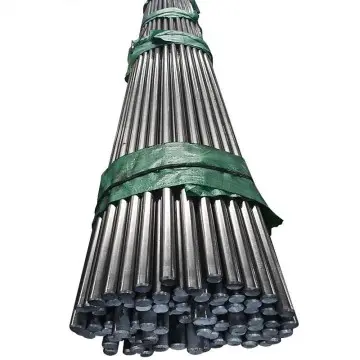
Galvanized Plain Round Bar, High Corrosion Resistance
View Product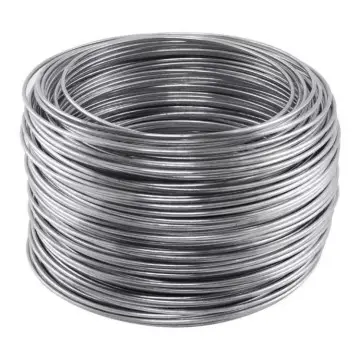
SAE1080 / Q235 High Quality Hot Rolled Wire Rod
View Product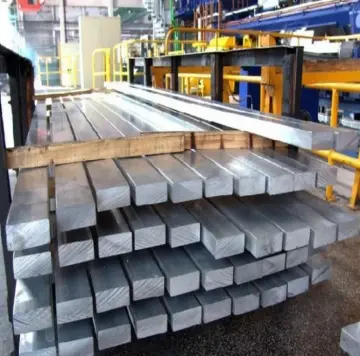
Q235 / Q355 Hot-Dip Galvanized Flat Steel, 3–60 mm
View Product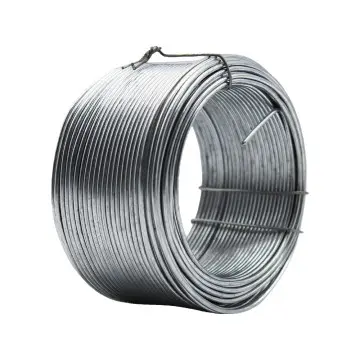
SAE1006 / SAE1008 Cold Drawn Wire for Nail Making
View ProductRequest Factory Pricing & Comprehensive Product Specifications
Access our direct manufacturer catalog, request customized dimensional slicing, or arrange mixed container export schedules through our technical trade team.