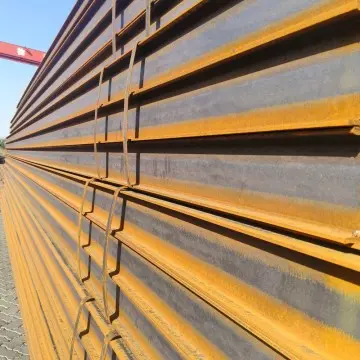
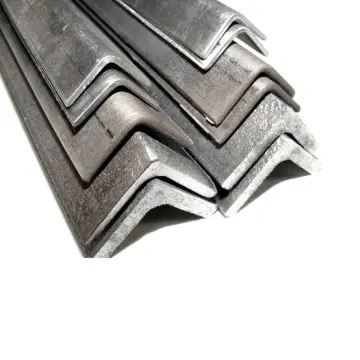
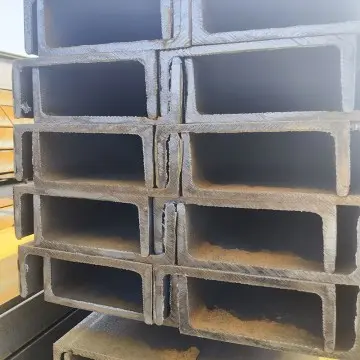
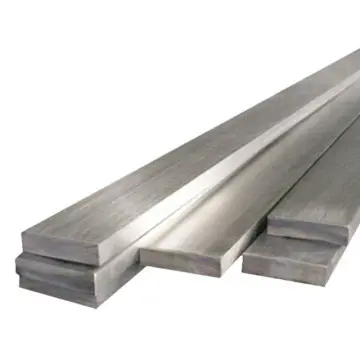
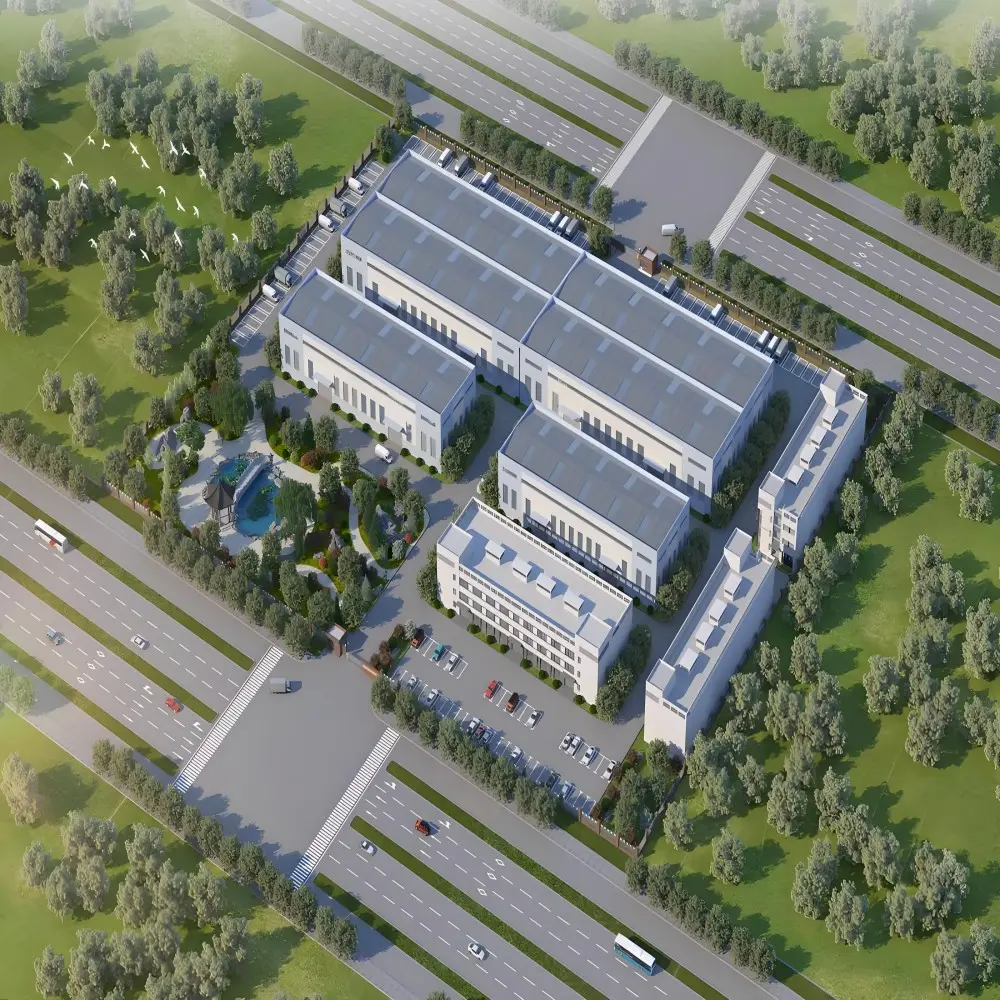
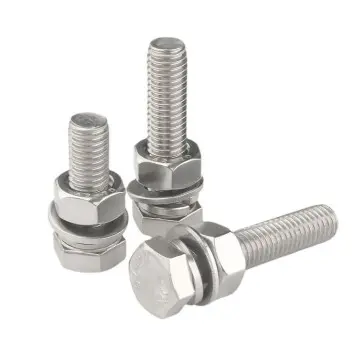
The contemporary demand for low-cost, rapidly deployable industrial infrastructure has positioned steel pre-engineered buildings (PEBs) at the forefront of global commercial development. What market procurement managers define as "cheap steel prefab buildings" is not a compromise on structural resilience, but rather the systematic optimization of structural metallurgy, raw material proximity, automated manufacturing tolerances, and reduced site construction timelines. By transitioning the structural load calculation from oversized cast-in-place concrete or non-standard welded girders to computer-modeled, tapered structural sections, material waste is reduced by up to 30%, producing dramatic capital expenditure savings across multi-hectare industrial parks.
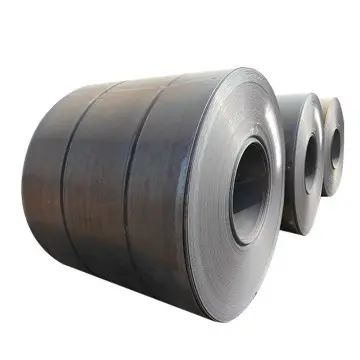
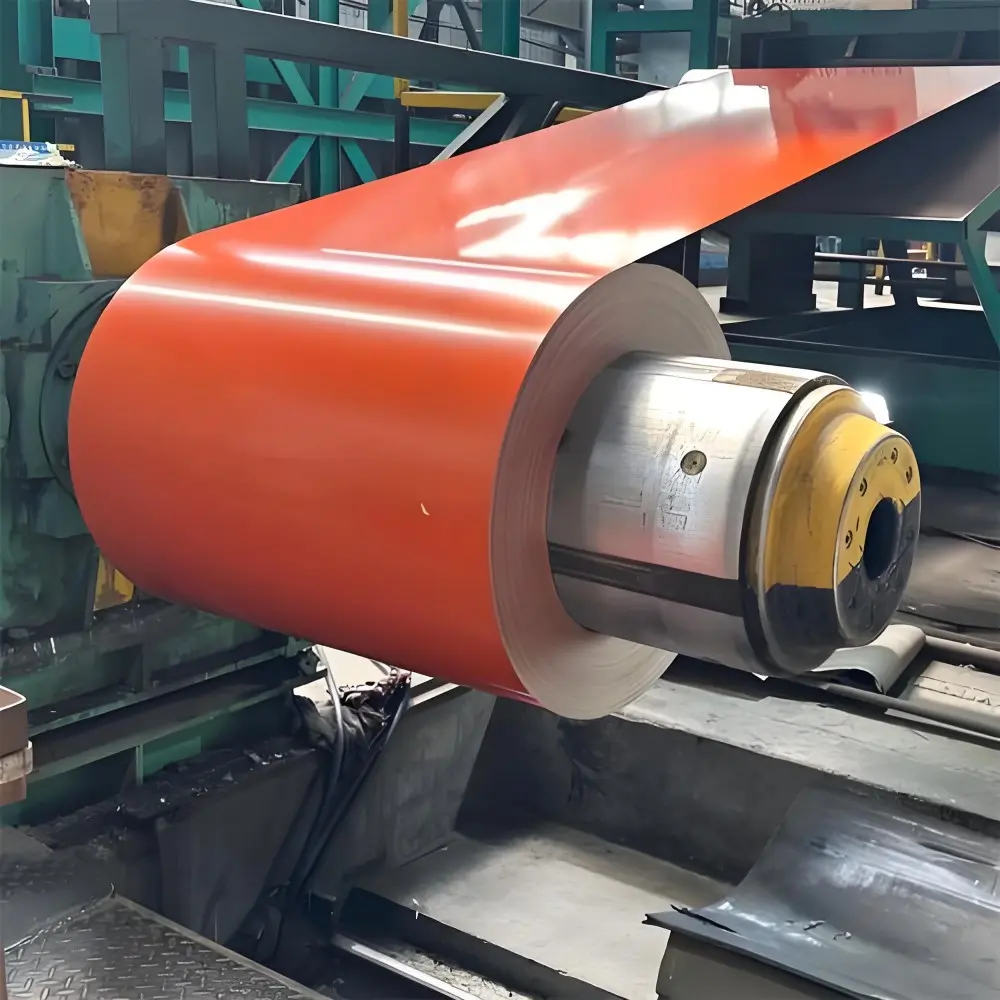
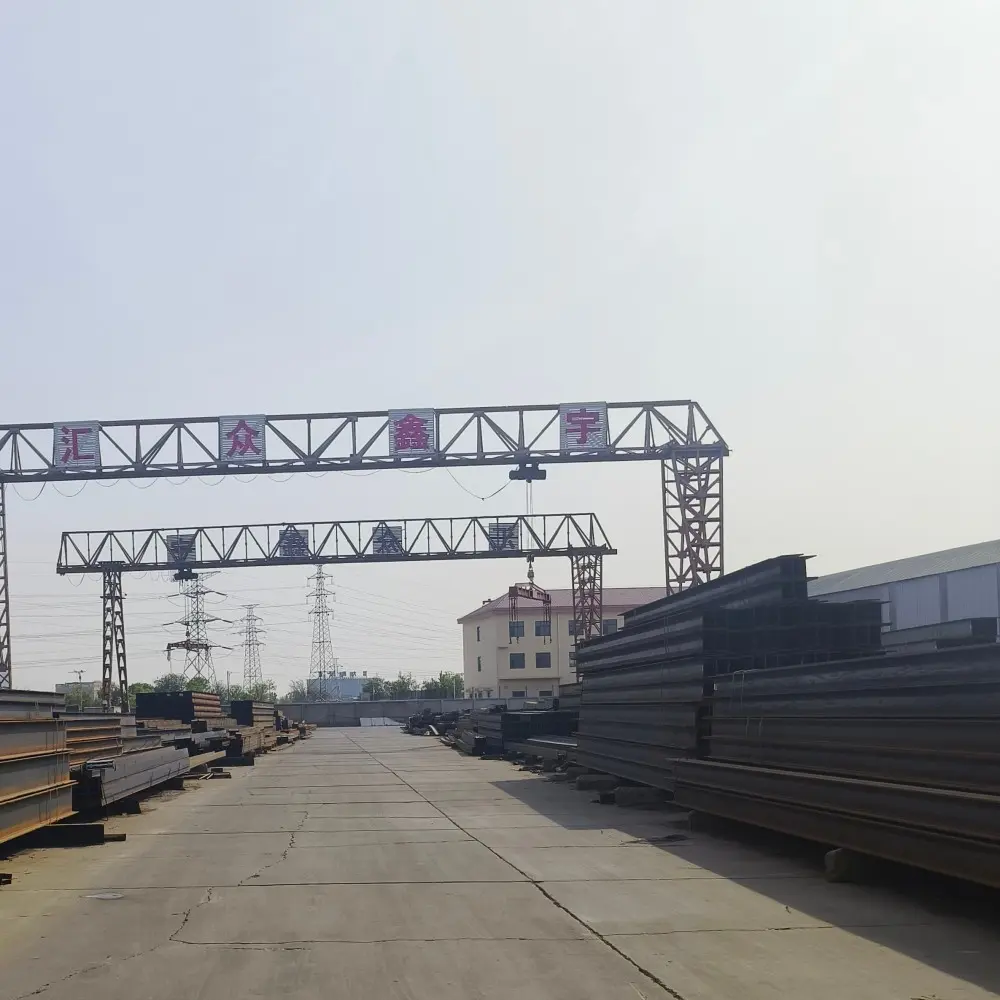
In developing logistics centers across Latin America, expanding mining operations in Sub-Saharan Africa, and dynamic warehousing corridors in Southeast Asia, steel prefab assemblies represent an unmatched return on investment. The capability to manufacture columns, purlins, wall skins, fasteners, and MEP systems under single-source mill conditions eliminates supply-chain fragmentation. By leveraging China's dense industrial integration—specifically clustered in Daqiuzhuang, Tianjin—contractors bypass multiple middleman markups, capturing raw hot-rolled coil and H-section pricing directly off high-capacity continuous rolling lines.
Optimized Mass-to-Clearance Ratio
Tapered steel members and built-up H-beams maximize internal vertical clearances without redundant dead-weight. This structural efficiency cuts total steel tonnage required per square meter of sheltered footprint.
Capital-Efficient Procurement
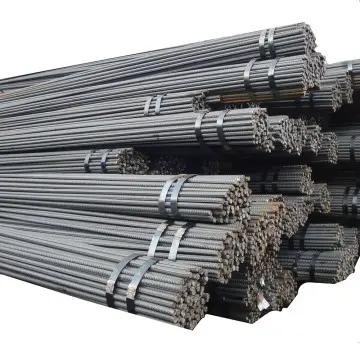
By sourcing raw structural stock straight from manufacturing clusters with multi-million-ton annual capacity, buyers capture bulk billet, plate, and coil rates shielded from spot speculative escalation.
Accelerated Revenue Generation
Bolt-together framing details, pre-punched connector brackets, and cut-to-length purlins compress site erection timelines, enabling asset owners to commission storage or assembly lines months ahead of conventional methods.