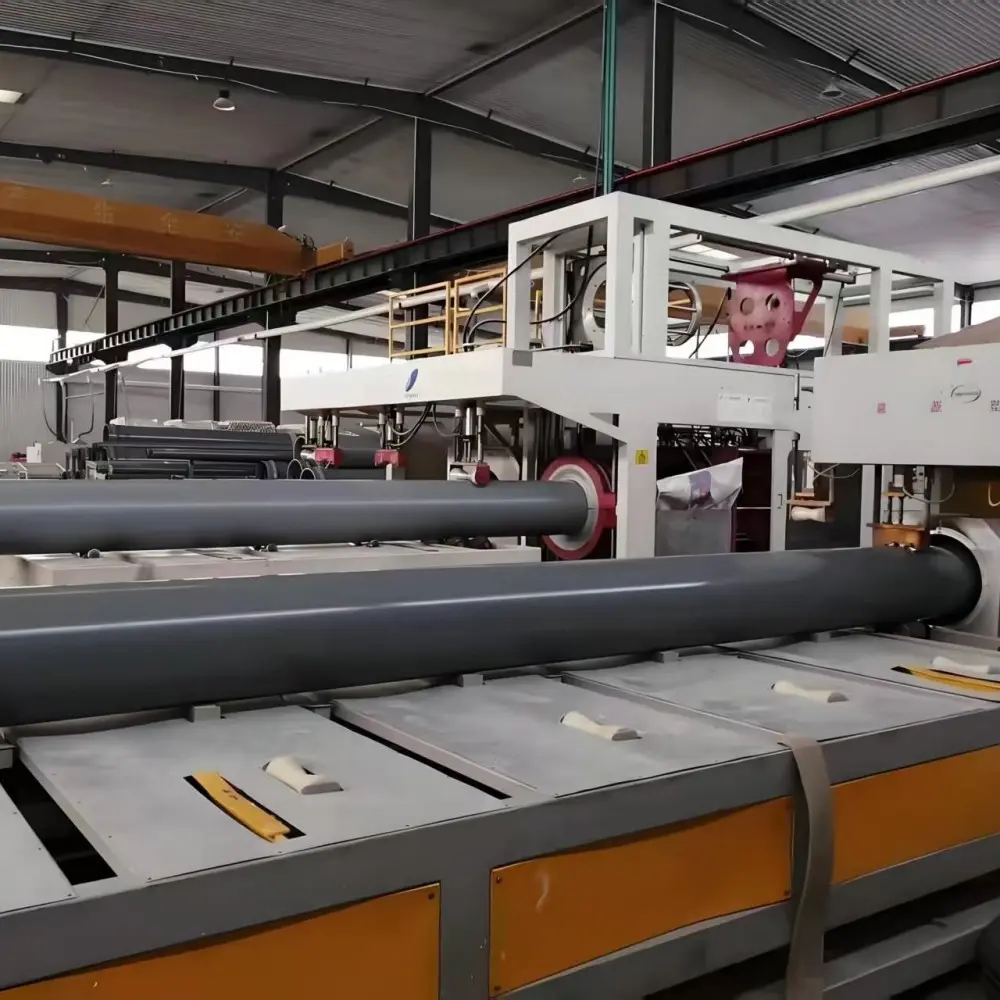
High-Performance Piping & Structural Steel Solutions
Engineered to ISO, ASTM, DIN, and GB standards for municipal water grids, mining slurries, and industrial fluid transmission.
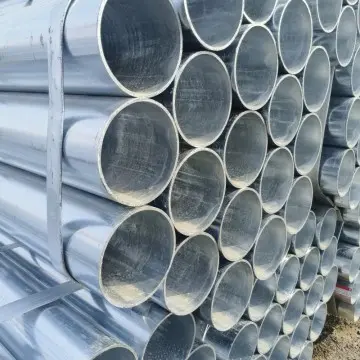
Galvanized Scaffolding Steel Pipe
Request Pipeline Quote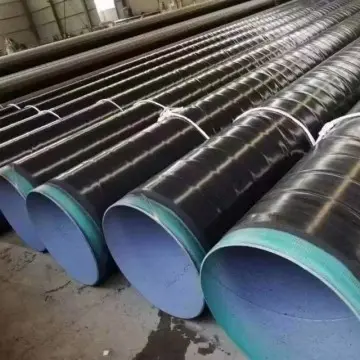
Industrial Anti-Corrosion Coated Pipe
Request Pipeline Quote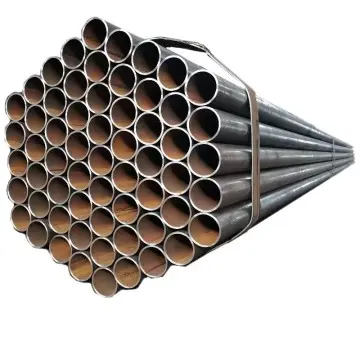
In-Stock Black Seamless/ERW Steel Pipe
Request Pipeline Quote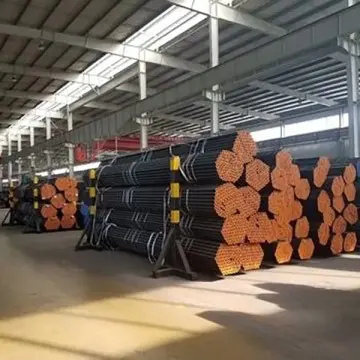
Color-Painted Anti-Corrosion Sprayed Pipe
Request Pipeline Quote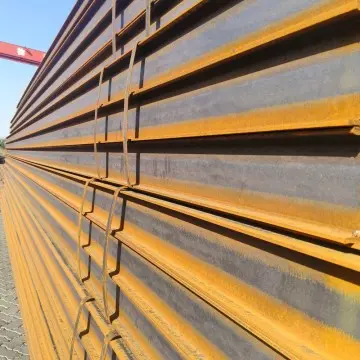
A36 / Q235 Grade Hot Rolled H-Beam
Request Beam Quote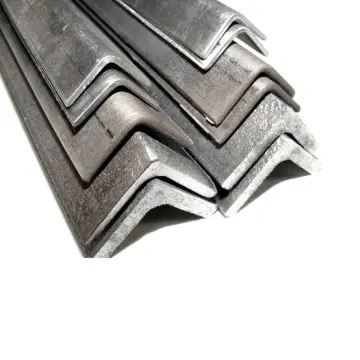
Perforated Galvanized Carbon Steel Angle
Request Angle Quote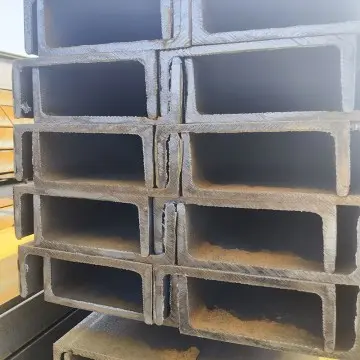
Hot Rolled Galvanized Channel Steel
Request Channel Quote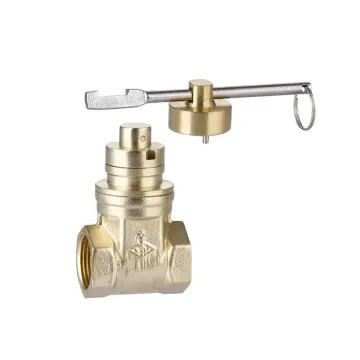
High-Pressure Pipeline Valve Packages
Request Valve QuoteDeep Analysis: Steel Wire Mesh Reinforced PE Composite Pipelines (SRPE)
Combining the hydrostatic creep resistance of high-tensile carbon steel with the anti-abrasion and chemical inertness of high-density polyethylene.
Steel Wire Mesh Reinforced Polyethylene (SRPE) Composite Pipe has revolutionized medium-to-high pressure industrial fluid conveyance across extreme municipal and heavy-industrial topographies. Unlike conventional unreinforced solid-wall HDPE (PE100/PE80) pipes that suffer from rapid wall-thickness escalations, structural creep, and significant environmental stress cracking (ESCR) under elevated hydrostatic pressures (>1.6 MPa), SRPE utilizes a helically wound, high-tensile continuous steel wire mesh skeleton. This skeleton is embedded cleanly between inner and outer matrices of high-density polyethylene, bonded seamlessly via a specialized high-performance modified adhesive copolymer resin.
Information Gain: Composite Mechanics & The "Zero Delamination" Threshold
The core vulnerability of traditional multi-layer composite piping resides at the polymer-to-metal shear boundary. Tianjin Huizhong Xinyu (HZXY) deploys twin-screw extrusion with continuous corona and thermal plasma surface activation on the high-strength wire mesh (tensile strength ≥ 1,900 MPa). Combined with maleic anhydride grafted polyethylene (PE-g-MAH) adhesive layers, this guarantees interlaminar shear bond strengths exceeding 15.0 N/mm, permanently eradicating delamination risks under cyclically pulsing pressures, water hammer shockwaves, or ground subsidence.
This hybrid construction significantly slashes wall thickness by 30% to 50% compared to PE100 pipes of identical nominal pressure (PN) ratings. Consequently, hydraulic inner diameter cross-sections increase, mitigating Darcy-Weisbach head loss and cutting lifetime pumping operational expenses (OPEX) across decades of severe service.
| Performance Metric | Steel Wire Mesh Reinforced PE (SRPE) | Solid Wall PE100 High-Pressure | Ductile Iron (DI) Poly-Lined | Carbon Steel Pipe with 3PE |
|---|---|---|---|---|
| Hydrostatic Pressure Ceiling | 0.8 MPa up to 5.0 MPa (DN50 - DN1200) | Max 1.6 - 2.0 MPa (Heavy Wall Thickening) | Up to 4.0 MPa (Rigid Joint Deflection) | Up to 10.0+ MPa (Requires Cathodic Prot.) |
| Hydrostatic Creep Resistance | Exceptional (Carried via Steel Skeleton) | Moderate (Viscoelastic strain over 50 yrs) | High (Subject to joint seal creep) | Negligible creep (Susceptible to pitting) |
| Hydraulic Hazen-Williams 'C' | 150 - 155 (Non-scaling, zero tuberculation) | 150 - 155 (Smooth, anti-fouling) | 130 - 140 (Mortar liner degradation) | 100 - 120 (Internal corrosion scaling) |
| Installation Weight vs Steel | ~60% to 70% Lighter than Steel Pipe | ~75% Lighter (Low-PN), Heavy at High-PN | 2.5x - 3.5x Heavier than SRPE | Heavy; Requires heavy crane lifting rigging |
| Joint Structural Integrity | Integrated Electrofusion Couplers / Flanged | Butt Fusion / Electrofusion | Spigot & Socket Push-fit Rubber Gasket | Full Penetration Field Butt Welded |
Localized Heavy-Industrial Application Scenarios
Engineered to resolve systemic corrosion, cyclic ground shifting, and high dynamic pressure challenges across varying regional topographies.
Deep Mining Tailings & Slurry Transport
Engineered for high-abrasion copper, lithium, and gold tailings. The internal PE protective layer exhibits a micro-sliding coefficient that outperforms carbon steel pipe by 4x against abrasive slurry scour, eliminating internal scouring damage.
- Operating pressure: PN 2.5 MPa to 4.0 MPa
- No scale buildup with highly saturated acidic tailings
- Lightweight spool routing in challenging mountain terrains
Coastal Desalination & Sea Outfalls
Hyper-saline brine and high ambient chloride coastal soils aggressively degrade unprotected ductile iron and welded carbon steel. SRPE composite offers complete chemical passivity inside and out, surviving direct subsea burial without cathodic maintenance.
- Immune to microbiological and galvanic corrosion
- Wave-surge flexural flexibility without structural fracturing
- Continuous spool lengths up to 12 meters per pipe
Municipal High-Head Potable Transmission
Long-distance inter-city water transfer crossing undulating elevations often encounters devastating water hammer transients. The elastomeric modulus of the external polyethylene dampens kinetic pressure spikes, shielding the internal steel mesh.
- Safe non-toxic certification (GB/T 17219 / NSF 61 aligned)
- Electrofusion joints eliminate field leakage risks completely
- Lowest life-cycle pumping head resistance loss
Oilfield Reinjection & Frac-Water Gathering
Conveying sour water containing hydrogen sulfide (H2S), carbon dioxide (CO2), and crude aromatic traces causes catastrophic embrittlement in standard line pipes. SRPE provides a cost-effective alternative to costly nickel-based CRA alloys.
- Full structural barrier against sour gas permeation
- Pressure ratings qualified up to PN 5.0 MPa
- Tough impact tolerance for remote desert and permafrost laying
Chemical Plant Effluent & Hazardous Drainage
Industrial wastewater streams laden with acids, alkalis, chlorinated compounds, and high salt concentrations require reliable containment. Dual-containment electrofusion weld systems ensure zero toxic seepage into municipal water tables.
- pH operational breadth across 1.0 to 14.0
- Temperature stability engineered up to 70°C
- High mechanical ring stiffness (SN8 to SN16+)
Subsurface Fire Mains & Industrial Ring Networks
High-security plant facilities, tank farms, and container terminals demand fire-main networks with zero rupture hazards under seismic shifts. SRPE pipe provides certified burst safety margins exceeding 3x working pressure.
- Rapid installation with pre-engineered fittings
- Zero need for external painting, wrapping, or galvanizing
- Withstands cyclic vehicle traffic shock loading
China Factory Cluster Resilience: Daqiuzhuang Ecosystem
Leveraging Northern China's dense industrial integration to outpace global procurement lead times and cost benchmarks.
Radial Mill Raw Material Proximity
Operating inside Daqiuzhuang, Jinghai District, Tianjin, alongside direct upstream wire-rod and hot-rolled coil mills in Tangshan, eliminates inter-provincial shipping bottlenecks. High-tensile steel wire rod (SAE1008/1080) and raw bimodal PE100 polymer resins are staged within a 4-hour trucking perimeter.
Automated High-Speed Dual-Extrusion
Modernized multi-axis winding machines automatically wind, weld, and pre-heat the continuous steel wire skeleton before continuous vacuum plasticization. Real-time ultrasonic wall thickness scanning and laser mesh alignment prevent eccentricities and structural void defects.
Tianjin Port Freight Consolidation
Just 75 kilometers from Tianjin Xingang (Port of Tianjin), export orders are containerized (20GP, 40HQ, 45HQ nesting) or bundled for break-bulk charters with zero inland demurrage. Steel piping, SRPE lines, PVC conduit, and heavy valve suites ship together on one Bill of Lading.
Future Horizons: Smart Reinforced Composite Pipelines
The convergence of advanced metallurgy, polymer chemistry, and IoT sensing in continuous industrial pipe extrusion.
Embedded Fiber-Optic DTS Sensing
Co-extruding micro distributed temperature and strain sensing (DTS) lines directly inside the adhesive matrix. Real-time laser interrogation pinpoints external geotechnical shifting, micro-leaks, and thermal anomalies over hundreds of pipeline kilometers.
Graphene-Enhanced Outer Shells
Integrating chemical-grade nano-platelet graphene into the outer PE protective cover. This reduces UV degradation in exposed above-ground installations while increasing scratch resistance and dissipating electrostatic charges in flammable mines.
PE-RT II High-Temperature Formulations
Replacing traditional PE100 with Polyethylene of Raised Temperature Resistance (PE-RT Type II) polymer matrices. This extends the continuous operating temperature boundary from 40°C to 80°C, enabling deep geothermal and chemical process deployments.
Hydrogen Blending & High-Pressure Gas
Validating multi-layer micro-mesh geometries to prevent polymer blister collapse and decompression failure during sudden pipeline pressure releases. Certified as low-permeation distribution piping for pure and blended hydrogen carriers.
Global Standards Compliance & Material Cross-Reference
Bridging Chinese National Standards (GB/T) with international ISO, ASTM, and DIN frameworks for seamless project engineering sign-offs.
| Standard Body | Specification Reference | Scope & Qualification Verification | HZXY Mill Compliance Status |
|---|---|---|---|
| China GB | GB/T 32439 / CJ/T 189 | Steel wire mesh reinforced polyethylene composite pipes and electrofusion fittings | Fully Certified (In-house hydro-burst tested) |
| International ISO | ISO 21138 / ISO 13953 | Thermoplastics piping systems for non-pressure and pressure drainage & fluid lines | Audited and compliant for third-party export |
| ASTM (USA) | ASTM F1281 / ASTM D3350 | Standard Specification for Crosslinked Composite Piping & Polyethylene Cell Classes | Grade equivalence certified via MTC documentation |
| DIN / EN (Europe) | DIN 8074 / DIN 8075 / EN 12201 | High-density polyethylene pressure tubes; physical properties and dimensions | Dimensional tolerance compliant (Class A tolerance) |
| Structural Profiles | GB/T 1591-2018 (Q355B) vs A36 / S355JR | Structural steel profiles, H-beams, channel, rebar & cold-rolled plates | Full Mill Test Certificates (MTC EN 10204 3.1) |
*Under GB/T 1591-2018, historical structural grade Q345 was updated to Q355 with 355 MPa minimum yield strength, corresponding to European S355JR and American ASTM A572 Grade 50.
End-to-End Compliance & Global Field Support
How HZXY delivers project security from pre-order engineering verification to overseas job-site commissioning.
Full Lot Mill Test Certificates (MTC)
Every order ships with accredited metallurgical and polymer test documentation. We provide complete resin melt flow index (MFI), carbon black dispersion, carbon wire tensile verification, peel tests, and 100-hour hydrostatic burst certs conforming to EN 10204 Type 3.1.
Independent Third-Party Verification
We welcome international inspecting agencies (SGS, Bureau Veritas, Intertek, TÜV SÜD) directly to our Daqiuzhuang and Tangshan bases. Inspectors verify dimensional concentricity, ultrasonic weld bonding, wall tolerances, and load strapping before container release.
Electrofusion Equipment & Field Guidance
We supply project contractors with matched electrofusion control units, bar-code smart welding tooling, pipe peelers, and hydraulic clamp rigs. Complete digital welding parameter profiles (voltage, cycle time, cool down) prevent joint failure in remote fields.
Frequently Asked Questions: SRPE Procurement & Specifications
Essential technical clarifications for EPC procurement directors, consulting engineers, and import authorities.
Where is HZXY located, and which ports handle your export pipeline and steel dispatches?
HZXY (Tianjin Huizhong Xinyu) is headquartered in the Daqiuzhuang Industrial Zone, Jinghai District, Tianjin, China—renowned worldwide as the most concentrated steel pipe and profile cluster. Our second large production base is located in Tangshan. Over 90% of our export orders ship directly through Tianjin Port (Xingang), situated within 75 kilometers, saving inland trucking costs. Other major ports including Qingdao and Shanghai can also be arranged per charter requirements.
How does Steel Wire Mesh Reinforced PE compare against ordinary Solid-Wall HDPE (PE100) at 2.5 MPa?
At operating pressures exceeding 1.6 MPa, standard PE100 pipe requires an extremely thick wall (SDR 9 or SDR 7.4), which drastically reduces internal flow diameter, adds excessive weight, and increases raw material consumption. In contrast, SRPE composite pipe relies on its high-tensile steel wire skeleton (tensile strength ≥ 1,900 MPa) to resist internal hoop stress, lowering wall thickness by 30-50% while preserving a wider hydraulic flow cross-section, reducing Darcy-Weisbach head friction loss, and cutting overall shipping freight weight.
Can multiple product lines (SRPE pipe, steel profiles, rebar, valves) be consolidated in a single shipment?
Yes. Consolidating full Bills of Materials (BOM) is our primary export strength. Because HZXY operates integrated lines for H-beams, structural angles, channel steel, rebar, steel coils, plastic pipelines (PVC and SRPE), and matching industrial valves, buyers can consolidate multiple product lines into shared containers or break-bulk vessels. This eliminates dealing with multiple middle-tier brokers, centralizes trade finance (L/C, T/T), and slashes administrative overhead.
What joining methods are utilized for Steel Wire Mesh Reinforced PE Pipe systems in the field?
SRPE pipes are joined using specialized electrofusion couplers containing embedded copper heating coils, or factory-flanged mechanical joints for valve connections. The pipe ends are machined to seal the steel mesh from medium contact. During electrofusion welding, the inner PE surface of the fitting and the outer PE layer of the pipe melt together under regulated voltage, creating a homogeneous, pressure-tight joint that matches the burst rating of the pipe body itself.
What testing certificates are provided, and do you support independent inspection by third-party labs?
All production batches are accompanied by certified Mill Test Certificates (EN 10204 Type 3.1) covering hydrostatic pressure holding, short-term burst strength, carbon black dispersion, raw resin MFR, steel wire tensile modulus, and dimensional geometry. We routinely accommodate independent third-party inspections from organizations like SGS, Bureau Veritas, Intertek, and client-appointed engineering agencies before container dispatch.
How can overseas buyers request a custom manufacturing quote or complete engineering catalog?
You can submit project schedules, required nominal diameters (DN), pressure classes (PN), and volume requirements via email to [email protected], or contact our engineering coordination desk via WhatsApp at +86 189 2063 7962 or phone at +86 176 9548 5299. Our engineering and international commercial team will prepare a formal FOB/CIF quote with full dimensional drawings within 24 business hours.
Full Project Supply Catalog: Flat Bars, Coils, Wire & Sections
Direct mill inventory available for single-order consolidation and fast containerized loading at Tianjin Port.
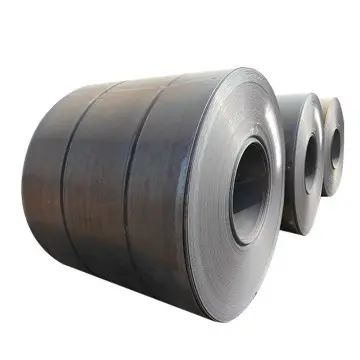
Hot & Cold Rolled Carbon Steel Coil
Request Coil Quote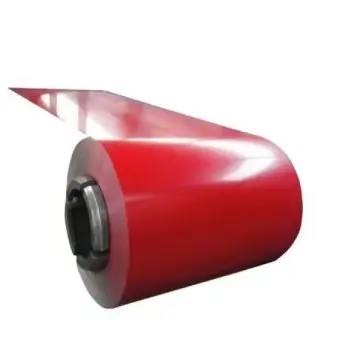
Prepainted PPGI / PPGL Color-Coated Coil
Request Coil Quote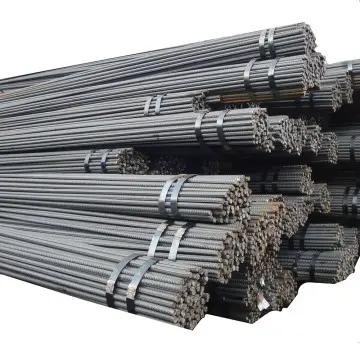
Deformed Steel Rebar (6 mm - 32 mm)
Request Rebar Quote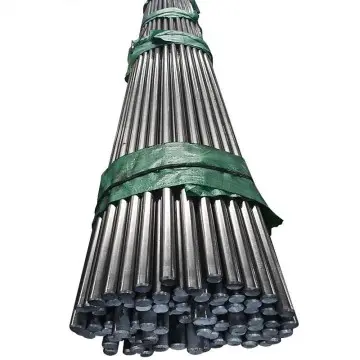
Galvanized Plain Round Steel Bar
Request Bar Quote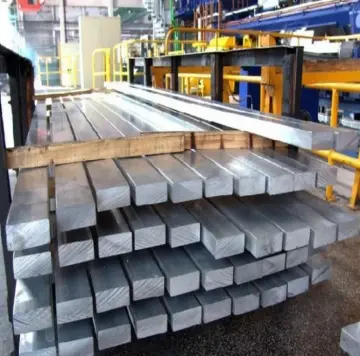
Hot-Dip Galvanized Flat Steel Bar
Request Flat Bar Quote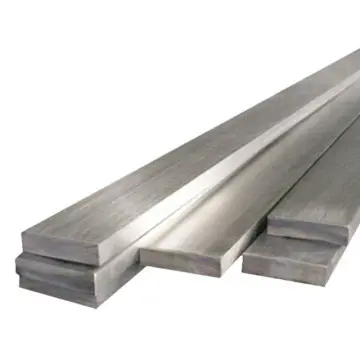
Hot Rolled Q235B Black Carbon Flat Bar
Request Flat Bar Quote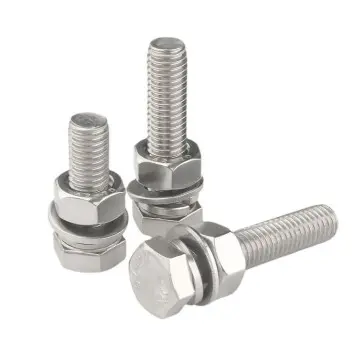
Precision Metal Construction Accessories
Request Hardware Quote