
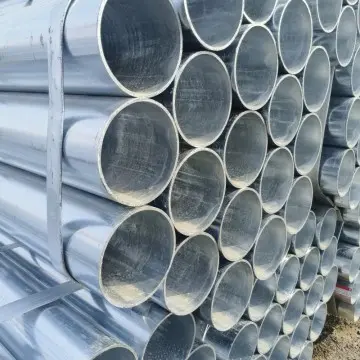
Galvanized Gas & Scaffolding Pipe
Hot-dip zinc coating protects against harsh outdoor oxidation and aggressive soil chemistry for mainline and utility bypass loops.
Explore Steel Pipe RangePrecision-engineered ERW, LSAW, SSAW, and high-density PE-100 gas distribution conduits. Manufactured under strict ISO 9001, API 5L, and EN 1555 standards with comprehensive testing and complete global supply chain orchestration.
Engineered for integrity under cyclic stress, sour-gas exposure, and complex geotechnical shifts. Ready for containerized or break-bulk global delivery.
Hot-dip zinc coating protects against harsh outdoor oxidation and aggressive soil chemistry for mainline and utility bypass loops.
Explore Steel Pipe Range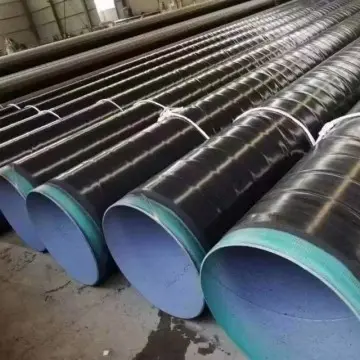
Tri-layer exterior coating provides mechanical shear protection and cathodic disbondment resistance for high-pressure gas transport.
Explore Gas Transmission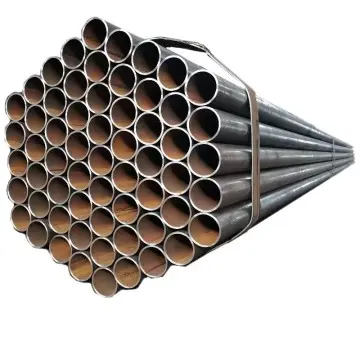
Uniform wall thickness and tight beveling make this carbon steel conduit ideal for internal plant distribution, boiler headers, and metering stations.
Explore Pipe Solutions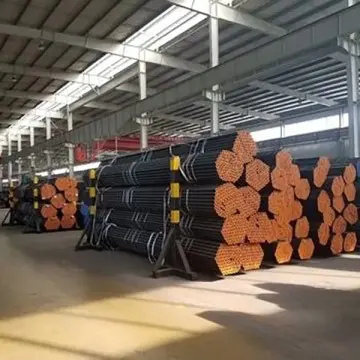
Sprayed and cured with industrial polymer coatings to meet regional municipal identification codes for gas transmission lines.
View Specification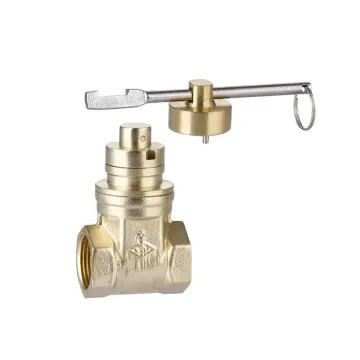
Trunnion and floating valves precisely calibrated to match our pipe dimensions, eliminating mismatch risks at gas pressure reduction stations.
View Matching Valves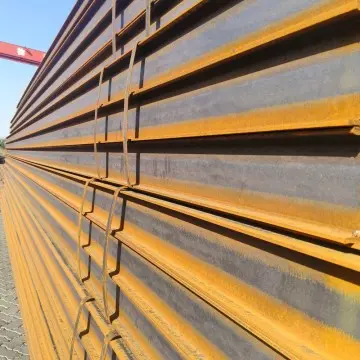
Hot-rolled heavy wide-flange profiles engineered to bear long-run gas manifold headers and multi-tier overland piping trusses.
View H-Beam Range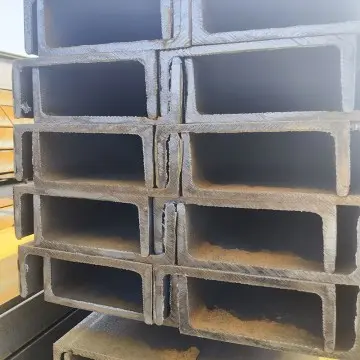
Corrosion-protected profile steel fabricated into seismic bracing, structural pipe clamps, ground sleepers, and line anchoring points.
Explore Channel Profiles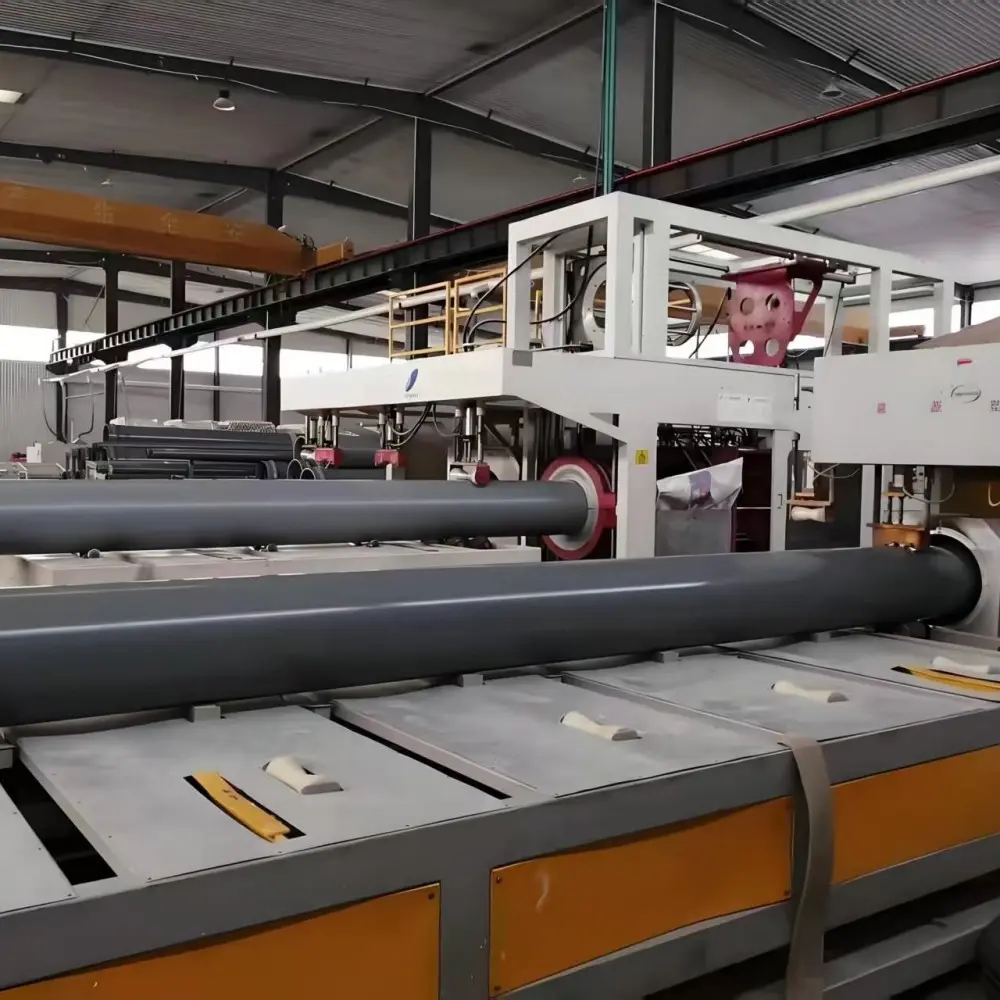
Corrosion-proof polyolefin and PVC pipes built for low-to-medium pressure city gas loops, utility sleeves, and municipal service lines.
Explore Plastic ConduitsDecarbonization, hydrogen-blend readiness, and offshore ultra-deepwater challenges are driving systemic upgrades in global pipeline manufacturing.
Global utilities are transitioning existing methane pipelines to transport 5% to 20% hydrogen blends. This shift requires microstructural steel design that resists hydrogen embrittlement (HE) and mitigates localized microcracking at weld boundaries.
Unconventional extraction and high-H2S/CO2 reservoirs demand pipeline materials tested for Sulfide Stress Cracking (SSC) and Hydrogen-Induced Cracking (HIC) to avoid brittle catastrophic failures under deep overburden loads.
To reduce linear tonnage weights without sacrificing hoop tensile strength, modern gas networks use high-strength line pipes (X65 to X80) manufactured through controlled accelerated cooling rather than expensive alloying elements.
Tier-1 procurement teams and EPC contractors must resolve strict technical trade-offs between pressure ratings, metallurgy, and delivery schedules.
Procuring line pipes, valves, structural supports, and fittings from separate vendors often leads to bevel mismatches, misaligned schedule wall tolerances, and conflicting mill cert documentation. HZXY solves this via single-source manufacturing and testing at our Tianjin and Tangshan clusters.
| Gas Application Sector | Pipeline Standard | Common Steel Grades | Yield Strength (MPa) | Standard Coating / Lining |
|---|---|---|---|---|
| High-Pressure Transmission Mainline | API 5L / ISO 3183 / GB/T 9711 | PSL2 X52N, X65Q, X70M | 360 - 555 MPa | 3LPE / 3LPP / FBE (Fusion Bond Epoxy) |
| City Gas Distribution & Regulation | ASTM A53 / ASME B36.10M / GB 50028 | Grade B / Q235B / Q355B | 240 - 355 MPa | Hot-Dip Galvanized / Bitumen / Liquid Epoxy |
| Corrosive Sour Service Gas Lines | NACE MR0175 / API 5L Annex H | X52MS, X65MS (Low S, Low P) | 360 - 450 MPa | Dual-layer FBE + Abrasion Resistant Overcoat |
| Civil & Municipal Low Pressure Gas | ISO 4437 / EN 1555 / CJJ 63 | PE100 / High-Density Polyethylene | Viscoelastic Elastic | Co-extruded Yellow Identification Striping |
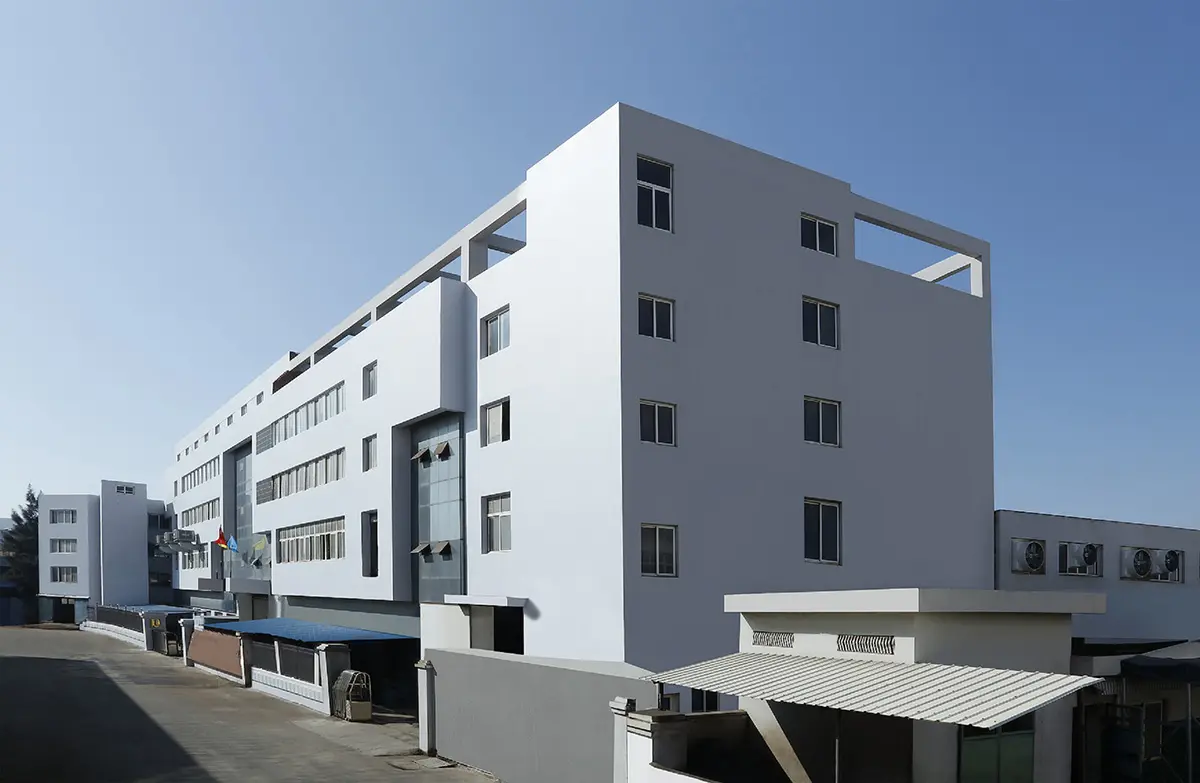
Located in the Daqiuzhuang Industrial Zone, Jinghai, Tianjin, HZXY delivers unmatched raw coil integration and pipeline deep processing.
Our online inspection lines feature phased-array ultrasonic weld inspection, offline hydrostatic proof testing up to 50 MPa, and magnetic flux leakage (MFL) flaw detection to verify baseline seam integrity before line dispatch.
Our facility runs thermal immersion galvanizing vats producing zinc weights above 610 g/m² (85 μm average thickness). This ensures gas conduits, riser pipes, and structural framing withstand aggressive marine and subsoil environments.
Every batch is backed by EN 10204 3.1 Mill Test Certificates. We document full heats, chemical analysis, ladle breakdown, Charpy impact absorption energies, hardness ratings, and third-party inspection (SGS/BV/TÜV) sign-offs.
Tianjin Port is a key hub for bulk steel handling, and our close proximity eliminates long inland transport delays and coastal weathering risks.
Located in Daqiuzhuang, our fleet transfers fabricated products to Tianjin Port docks within hours. We use heavy lifting cradles, padded dunnage, and steel-banded bundling to prevent pipe out-of-roundness during ocean transit.
Our trade team has over two decades of experience handling LC at sight, Usance drafts, Form E/FTA origin certificates, and SASO, SONCAP, or CE attestations, ensuring smooth border clearances without demurrage penalties.
Beyond standard mill rollings, we provide precision CNC coping, hole-punching, localized swaging, and welding of flanges, lifting lugs, and transition spools so components arrive ready for direct site erection.
Our R&D investments focus on smart infrastructure, composite internal linings, and sustainable steel production.
Integrating high-definition internal laser profilers to log inner diameter roundness, weld seam height, and wall thickness down to 0.05 mm tolerances. This geometric metadata exports directly into pipeline operator GIS systems for lifecycle tracking.
Developing mechanically bonded CRA (Corrosion Resistant Alloy) liners (such as Inconel 625 and 316L stainless) within API carbon steel bodies to provide high-salinity and wet-H2S resistance at a fraction of solid-alloy costs.
Upgrading raw billet feeds with Electric Arc Furnace (EAF) processing and scrap-fed induction melts, lowering embedded carbon by up to 40% to help global engineering partners hit stringent Scope-3 emissions reduction targets.
Essential guidance on tolerances, raw material chemistries, testing protocols, and global consolidation.
PSL2 enforces mandatory Charpy V-notch fracture toughness testing, tighter chemical composition limits (including strict Carbon Equivalent limits for on-site weldability), non-destructive testing through the entire length, and mandatory traceability from raw melt heat to delivered pipe. PSL1 is generally suitable for low-pressure structural and secondary utility tasks, whereas PSL2 is the standard for flammable gas transmission.
For sour service environments, we use calcium-treated, vacuum-degassed vacuum killed steels with ultra-low sulfur levels (S ≤ 0.002%). Finished products undergo full-immersion crack testing per NACE TM0284 Solution A, ensuring CLR (Crack Length Ratio) and CTR (Crack Thickness Ratio) values comfortably clear critical thresholds.
Yes. Many clients combine large-bore gas lines with structural H-beams for pipe bridges, galvanized channel supports, and high-pressure matching valves into a single shipment. Consolidating orders helps lower port handling fees, streamline customs clearances, and reduce total freight costs.
We welcome third-party inspectors chosen by the client—such as SGS, Bureau Veritas (BV), TÜV, DNV, or Lloyd's Register. These inspectors can independently audit dimensional tolerances, coating thickness, ultrasonic weld testing, and material test certificates prior to container sealing.
Our advanced high-frequency ERW and double submerged arc (LSAW/SSAW) mills use precision laser triangulation gauge systems to maintain wall tolerances well within standard API 5L and ASTM specifications (consistently within ±5% to ±8% of nominal wall, outperforming standard mill allowances).
Standard stocked pipe schedules take roughly 7 to 10 days for external multi-layer coating. For custom rollings with special melt chemistry, typical mill run lead times are 25 to 35 business days, including third-party testing, bevel prep, and port staging at Tianjin Port.
Procure your entire structural bill of materials from one accountable source—ensuring uniform delivery times and coordinated mill test reports.
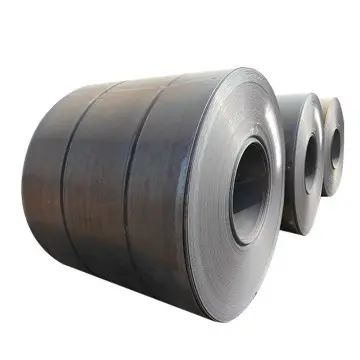
Hot-rolled carbon coils and slit bands suited for cold forming, spiral pipe rolling, and mechanical equipment enclosures.
Explore Steel Coils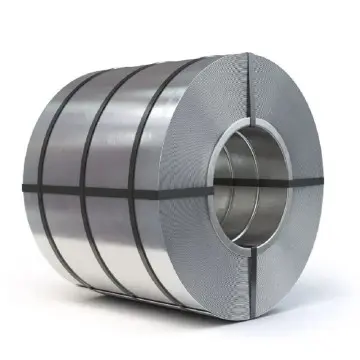
High-adhesion galvanized sheet steel for pipeline jacketing, HVAC ducting, and electrical switchgear assemblies.
View Galvanized Coil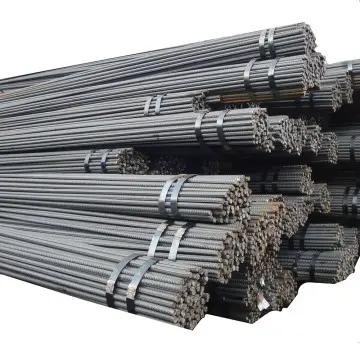
Ribbed reinforcement steel for turbine beds, gas processing foundations, containment dykes, and civil anchoring piles.
Explore Long Sections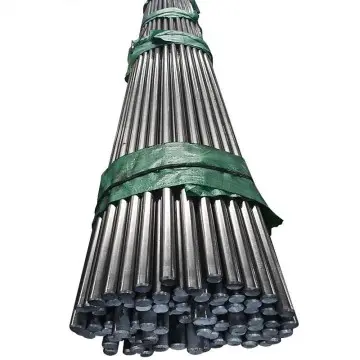
Corrosion-resistant solid carbon bars for pipe support hangers, seismic anchor bolts, tie rods, and valve mechanical linkages.
View Round Bars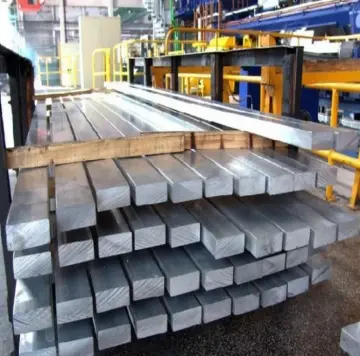
High-conductivity galvanized flat bars used for gas compression grounding networks, site lightning arrestors, and mounting brackets.
Explore Flat Steel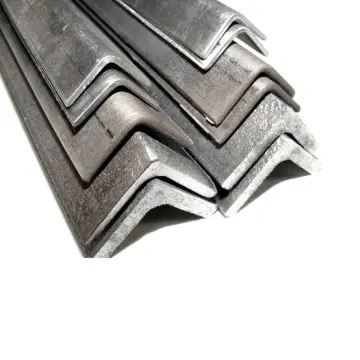
Slotted and perforated L-sections for rapid modular assembly of pipeline maintenance walkways, bridge trays, and cable brackets.
View Angle Steel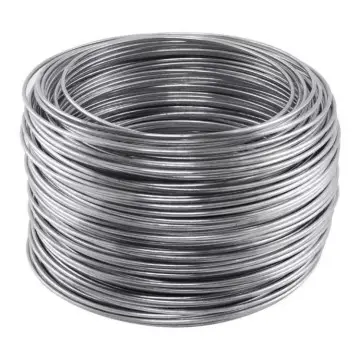
Drawn wire feedstocks for fabrication of subsea pipeline concrete weight-coating mesh, tie wires, and civil reinforcement.
Explore Wire Rods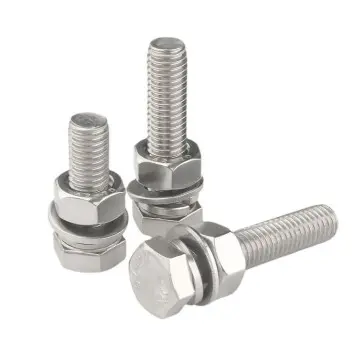
Guide clamps, cryogenic pipeline shoe saddles, anchor plates, and hardware fabricated directly to EPC project drawings.
Explore AccessoriesSpeak directly with our technical sales engineers in Tianjin. We provide transparent price matrices, mill run schedules, equivalent grade comparisons, and comprehensive delivery terms tailored to your regional port.