A36 / Q235 Grade Structural H-Beams
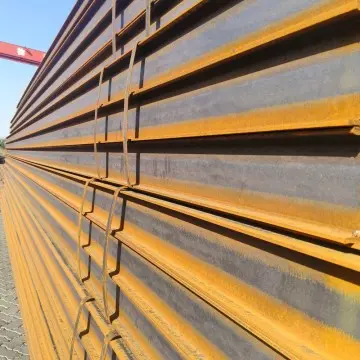
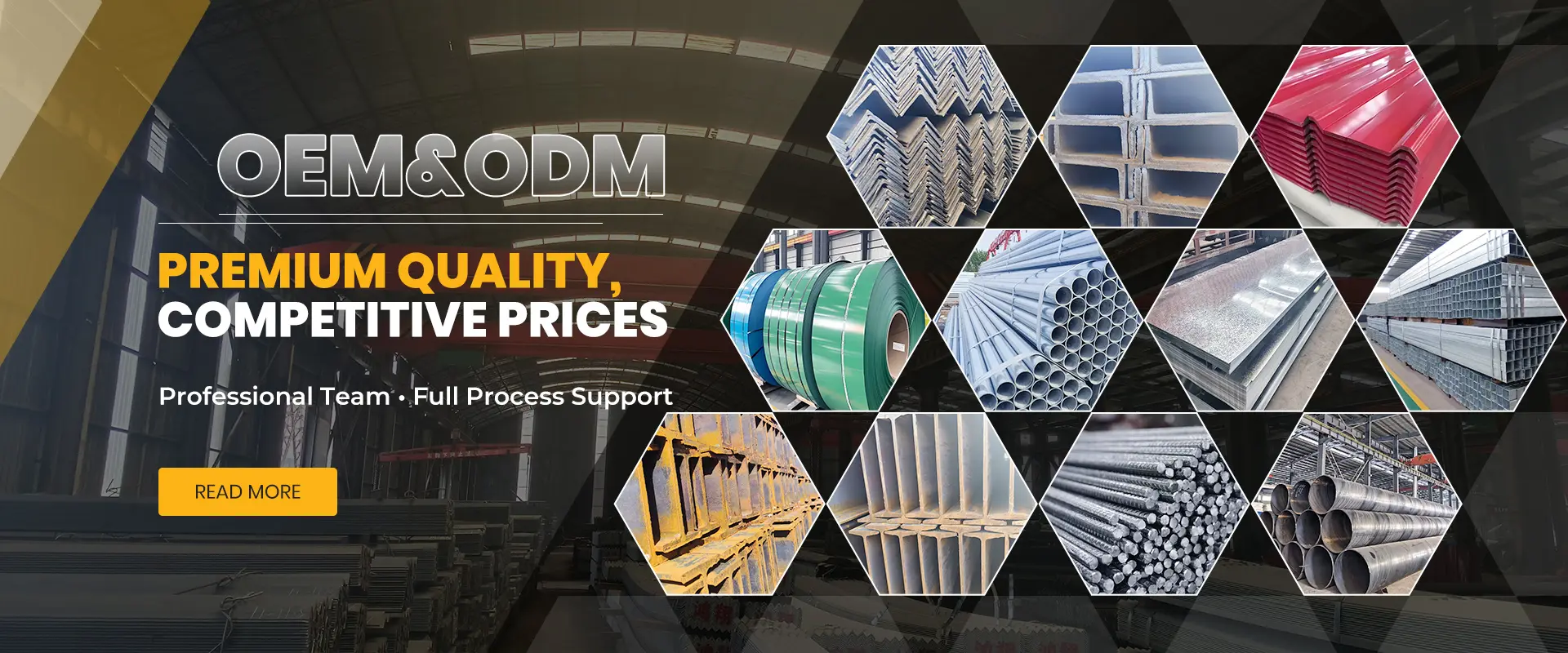
Wide-flange carbon structural beams offering maximum flexural rigidity for multi-story workshop framework, bridge girders, and pipeline rack platforms.
Our heavy manufacturing facilities in Tianjin and Tangshan integrate rolling mills, cold-drawn wire lines, hot-dip galvanizing baths, and continuous composite extrusion lines for immediate export fulfillment.
Wide-flange carbon structural beams offering maximum flexural rigidity for multi-story workshop framework, bridge girders, and pipeline rack platforms.
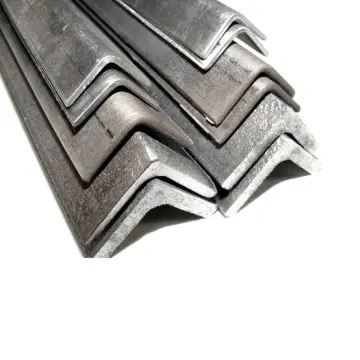
Hot-dip zinc protected equal and unequal angle bars configured for pre-bolted mechanical assemblies, utility cable bridging, and bracing supports.
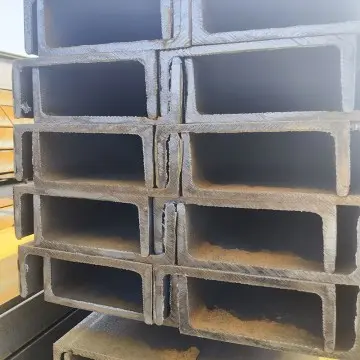
Structural U and C profile channels manufactured according to GB/ASTM specifications for equipment baseplates, civil purlins, and heavy conduit tracks.
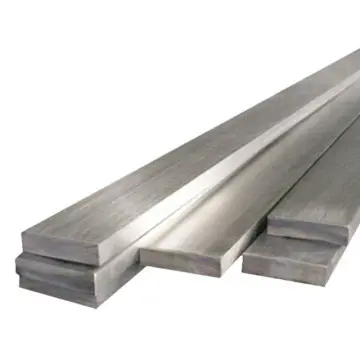
High-ductility carbon steel flat bars for lightning grounding grids, bracket fabrication, structural flange rings, and welded flange fabrications.
Consolidated structural packages including I-beams, T-bars, channel sections, and custom weldments processed in-house to customer project drawings.
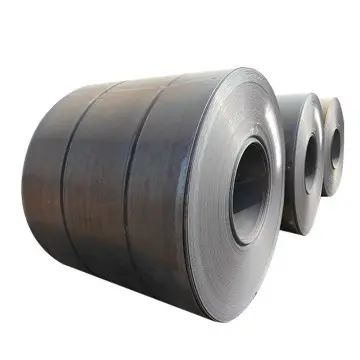
Prime grade structural coils with consistent mechanical elongation, tight gauge control, and slitting services available for spiral pipe and composite cores.
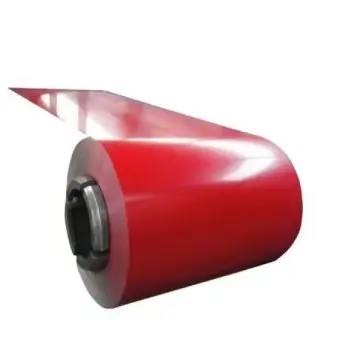
Pre-painted galvanized steel coils in standard RAL palettes formulated with anti-chalking polymer coatings for corrosive plant environments.
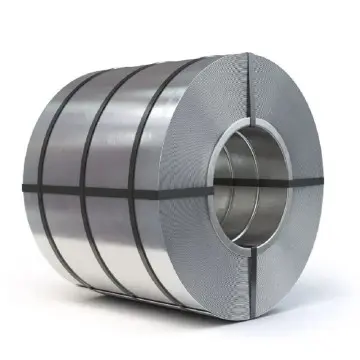
Ultra-deep drawing zinc-plated coils meeting EN 10346, engineered for ducting systems, automotive pressings, and equipment enclosures.
A rigorous examination of macro trends, metallurgical-polymer interfacial bonding mechanics, and hydraulic performance metrics across municipal, mining, and oil & gas transmission networks.
Global civil engineering authorities are undergoing a systemic transition away from non-reinforced polyolefins and legacy cast/ductile iron pipes. Rapid urbanization, deep-well water injection, and seismic-zone trenchless installations (Horizontal Directional Drilling - HDD) require operating pressures surpassing 3.2 MPa (PN32) without sacrificing hydraulic efficiency. Standard solid-wall PE100 pipes designed for such high-pressure thresholds require ultra-thick wall profiles (low Standard Dimension Ratios, e.g., SDR 7.4), causing internal bore constrictions, excessive weight, and poor heat dissipation during butt-fusion. Steel Mesh Reinforced HDPE Composite Pipe (SRTP) solves this limitation by introducing a high-strength helically wound, resistance-welded steel wire mesh skeleton encased in high-performance adhesive resin.
The mechanical longevity of composite piping systems hinges directly on the interfacial peel strength between the carbon steel core and the polymer layers. Unmodified HDPE exhibits near-zero chemical affinity toward steel. Our manufacturing methodology incorporates maleic anhydride grafted polyethylene (PE-g-MAH) hot-melt adhesive layers applied at 210°C–230°C. This chemical grafting generates covalent bonding across the zinc-plated or phosphated steel wire mesh and the inner/outer bimodal HDPE matrix. The resulting three-layer co-extrusion creates peel strengths exceeding 150 N/cm, ensuring absolute structural unity under severe hydraulic water-hammer events, sustained cyclic surges, and extreme temperature fluctuations from -40°C to +60°C.
With an inner bore formed exclusively of virgin bimodal PE100 resin, steel-mesh reinforced composite pipes deliver a Hazen-Williams roughness coefficient of C = 150 and an absolute surface roughness (k) of less than 0.007 mm (Manning's n = 0.009). Compared to cement-lined ductile iron (C = 120–130) or unlined welded steel lines (C = 100), composite pipes reduce fluid friction head loss by over 28%. This fluid mechanic superiority allows pump stations to operate at lower heads, translating into lifetime electrical power savings that frequently exceed the capital cost of the piping asset. Furthermore, zero scaling and biological bio-fouling guarantee stable flow profiles over a 50+ year operational lifespan.
How operating within China's foremost industrial steel hub enables Tianjin Huizhong Xinyu (HZXY) to outperform global fabricators on lead times, dimensional tolerances, and cost economics.
Established in 1996 across 1,500 acres of manufacturing facilities in Daqiuzhuang (Tianjin) and Tangshan, HZXY possesses raw material economies of scale unattainable by standalone plastic extrusion plants. We draw our own high-tensile carbon reinforcement wire (SAE1006 / SAE1008 / Q235B) with strict yield thresholds (tensile strength ≥ 1000–1200 MPa). Combined with direct bulk resin silos of certified bimodal PE100 from Sinopec and PetroChina, our supply chain eliminates mid-tier processing markups and insulates global EPC contractors from international commodity price shocks.
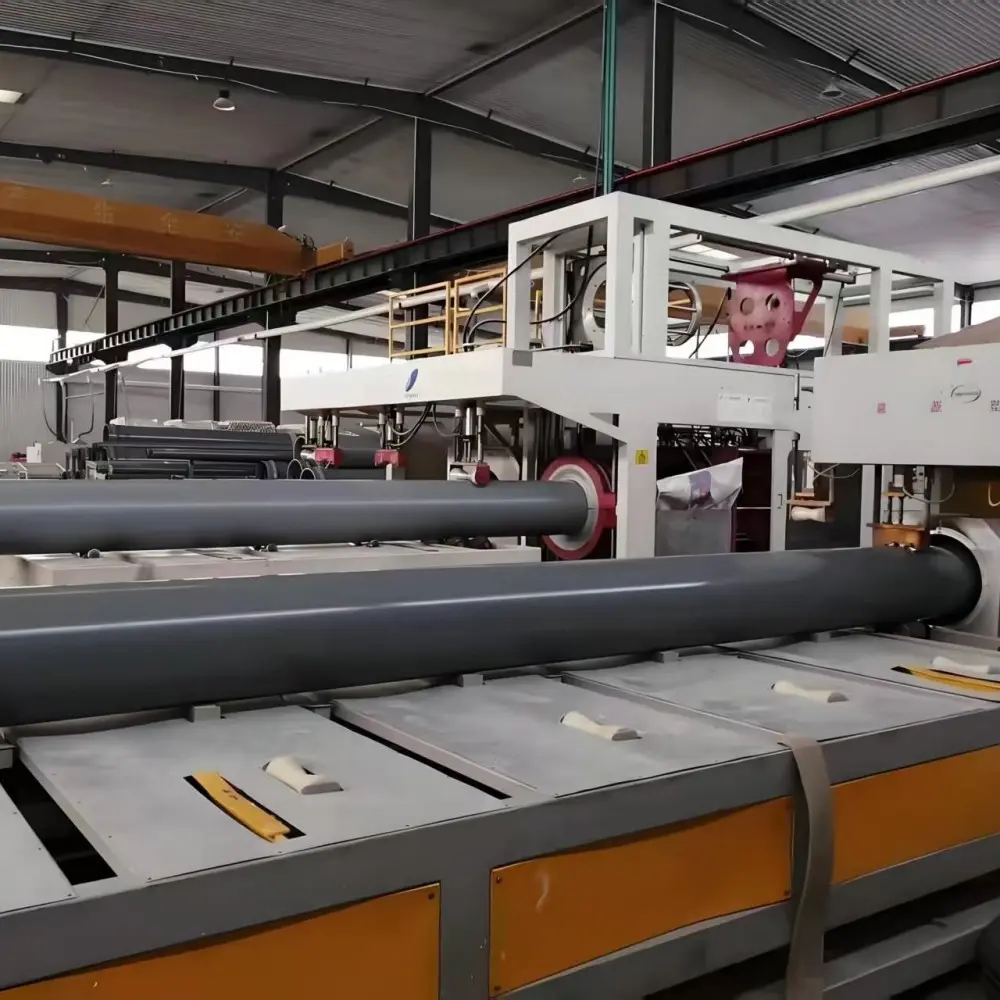
Our workshop houses digitalized composite extrusion bays featuring multi-axis helical wire winding systems with computerized pitch modulation and real-time high-frequency resistance micro-spot welding. Continuous laser diameter gauges and ultrasonic wall-thickness monitors measure polymer distribution at 0.01 mm increments. Hydrostatic burst test stations perform continuous 100-hour and 1000-hour internal pressure qualification at 1.5× to 2.0× maximum design thresholds to ensure zero creep rupture prior to container dispatch.
Located within a 50 km logistics radius of Tianjin Port (one of the largest deep-water export gateways globally), HZXY manages multi-product project bills of materials under single customs clearances. Clients can consolidate custom-diameter steel-mesh reinforced HDPE composite pipes, structural steel H-beams, angle braces, corrugated sheets, valves, and electrofusion fittings into unified 40-foot HQ containers or break-bulk vessels, dramatically lowering freight costs and eliminating multi-vendor tracking risks.
Quantitative benchmarks contrasting Steel Mesh Reinforced HDPE (SRTP), Standard Solid Wall PE100, Glass Fiber Reinforced Plastic (GRP), and Ductile Iron Pipe (DIP).
| Performance Parameter | Steel Mesh Reinforced HDPE (SRTP) | Solid Wall HDPE (PE100 SDR 11) | Fiberglass Reinforced (GRP) | Ductile Iron Pipe (DIP Class K9) |
|---|---|---|---|---|
| Working Pressure Rating (PN) | 1.0 MPa to 3.5 MPa (10 to 35 Bar) | 0.6 MPa to 1.6 MPa (6 to 16 Bar) | 0.6 MPa to 2.5 MPa (6 to 25 Bar) | 1.6 MPa to 4.0 MPa (16 to 40 Bar) |
| Ring Stiffness (ISO 9969) | SN8 to SN16 (High dynamic load) | SN2 to SN8 (Dependent on wall gauge) | SN5 to SN10 (Brittle under impact) | Very High (> SN30, but rigid) |
| Wall Thickness Ratio (SDR Equivalent) | Reduced by 35%–45% vs Solid HDPE | Standard SDR profile (Thick wall) | Medium composite wall gauge | Heavy metallic wall profile |
| Peel Strength (Composite Interface) | ≥ 150 N/cm (Covalent Grafted MAH) | Not Applicable (Homogeneous) | Resin shear dependent (< 80 N/cm) | Not Applicable |
| Hydraulic Hazen-Williams (C) | C = 150 (Smooth, non-scaling) | C = 150 (Smooth, non-scaling) | C = 145 (Subject to internal wear) | C = 120 - 130 (Degrades over time) |
| Corrosion & Cathodic Protection | Zero Corrosion / No Anodes Needed | Zero Corrosion / No Anodes Needed | Chemical inert / UV sensitive | Requires zinc coat + sacrificial anodes |
| Axial Flexibility & Seismic Deflection | High Elastic Recovery (Up to 3° bend) | High Flexibility | Low (< 0.5° joint deflection) | Rigid joints / Susceptible to shear |
| Connection Methodology | Electrofusion Coupler / Flanged Adaptor | Butt Fusion / Electrofusion | Bell & Spigot with O-rings / Laminated | Mechanical Push-on / Restrained Joint |

From deep-sea desalination brines to high-abrasion copper tailings, HZXY composite piping delivers verifiable durability across demanding global project sites.
Installed across primary municipal trunk networks operating at PN16 to PN25. The lightweight profile drastically cuts handling and crane hire costs in dense urban cores. Due to the high-tensile steel skeletal support, the pipe resists ring buckling under deep overburden backfills (up to 8 meters depth) and high groundwater tables, preventing cave-ins without concrete encasement.
Abrasive mine slurries containing sharp silica, copper, or gold ores rapidly erode carbon steel walls within 18 to 24 months. The internal virgin PE100 bore of our composite pipe exhibits an abrasion resistance index 4× higher than carbon steel. The steel winding reinforcement prevents the wall from sagging or ballooning under heavy particulate loads and periodic slurry line surges.
Reinforced composite pipe is impervious to aggressive H2S (sour gas), CO2, and high chloride content encountered in produced water reinjection and chemical processing lines. The complete elimination of cathodic protection systems and biocide flushing routines slashes operating expenditures across upstream oilfield infrastructure.
Key quality checks, tender documentation requirements, and next-generation composite innovations every engineering procurement team must mandate.
Procurement directors must ensure vendors supply comprehensive third-party Mill Test Certificates (MTC) matching ISO 4427-2, ASTM F714, and GB/T 32439. Vital checks include: 100-hour hydrostatic burst pressure at 20°C (≥ 2.0× PN), oxidation induction time (OIT ≥ 20 min at 200°C), carbon black dispersion (≤ grade 3), and peel strength between layers (≥ 150 N/cm). On-site third-party inspections (SGS, BV, Intertek) should be contractually specified prior to port release.
Next-generation composite pipes now integrate conductive copper tracer wires or optical fiber sensor channels co-extruded along the steel skeletal layer. This technology converts underground pipeline networks into intelligent sensing arrays. Real-time distributed acoustic sensing (DAS) and distributed temperature sensing (DTS) allow pipeline operators to pinpoint minute pressure drops, ground subsidence, or unauthorized excavations to within 1 meter of accuracy.
As natural gas grids transition toward green hydrogen carriage, standard steel lines suffer from hydrogen embrittlement micro-cracking. Reinforced composite HDPE structures utilize modified EVOH (ethylene vinyl alcohol) barrier films embedded within the co-extruded polymer sandwich. This blocks micro-molecular hydrogen permeation, qualifying HZXY composite pipes for blended hydrogen distribution networks and geothermal heat transfer applications up to 85°C.
Combining heavy metallurgical production scale with advanced precision polymer composite engineering.
Established in Daqiuzhuang, Tianjin Steel Processing Cluster
Acres of Integrated Production Across Tianjin & Tangshan
Tons Annual Integrated Structural & Pipe Capacity
Export Destination Countries with Direct Technical Service
Detailed technical responses to common questions submitted by civil engineers, utility directors, and procurement teams.
Combine high-tensile rebar, flat bars, structural piping, composite conduits, and control valves from one accountable Chinese source.
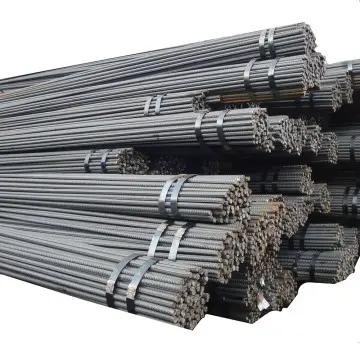
High-yield deformed reinforcing rebar for retaining walls, pipeline anchor blocks, precast inspection vaults, and heavy civil foundations.
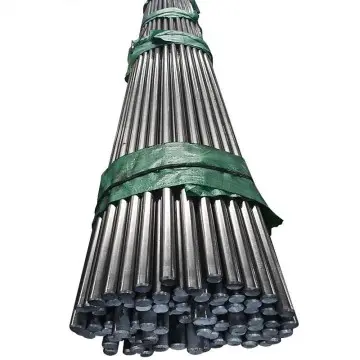
Smooth surface carbon bars treated with hot-dip galvanizing for marine anchoring ties, hardware pins, pipe hangers, and machining rods.
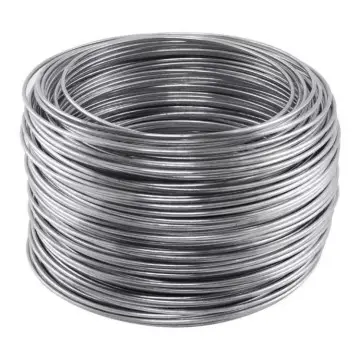
Low and medium carbon wire rods supplied in tightly strapped coils, engineered for wire mesh weaving, fasteners, and pre-stressing applications.
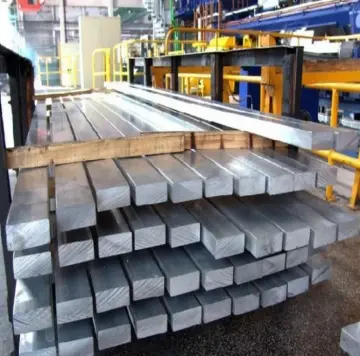
Hot-dip zinc structural flat bars designed for outdoor corrosion resistance across transformer sub-stations, pipe brackets, and flanges.
ERW welded precision round tubes with high compressive yield for temporary access framing, shoring falsework, and agricultural greenhouses.
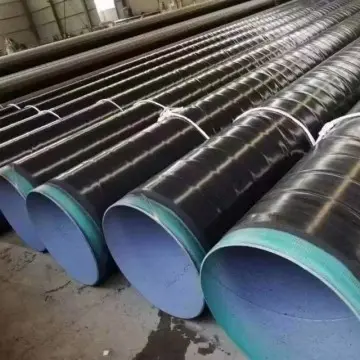
Epoxy and 3LPE coated high-pressure carbon steel pipelines matching ASTM and API-5L standards for cross-country hydrocarbon transport.
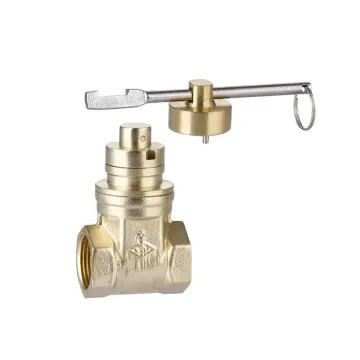
Resilient seated gate valves, triple-eccentric butterfly valves, check valves, and air release units matched to composite pipeline flanges.
Complete MEP pipe packages covering PVC drainage pipes, electrical conduits, PE water supply mains, and communication multi-ducts.
Download our complete composite pipe and structural steel catalog, complete with mechanical properties, standard sizing charts, and packing weights.