
High-Performance Steel-Reinforced & Infrastructure Solutions
Direct mill supply from China's Daqiuzhuang industrial corridor. Explore our certified high-density polyethylene steel wire composite line, structural profiles, and complementary piping products designed for long-cycle reliability.
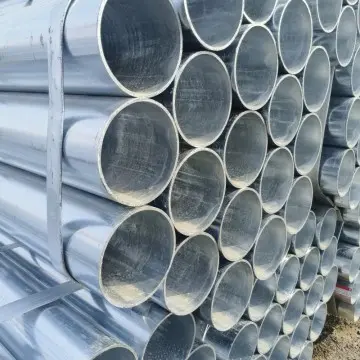
Steel Wire Mesh Reinforced HDPE Composite Pipe
Helically wound high-tensile wire skeleton bonded between virgin PE100 layers via grafted adhesive copolymer for extreme pressure handling.
View Product Details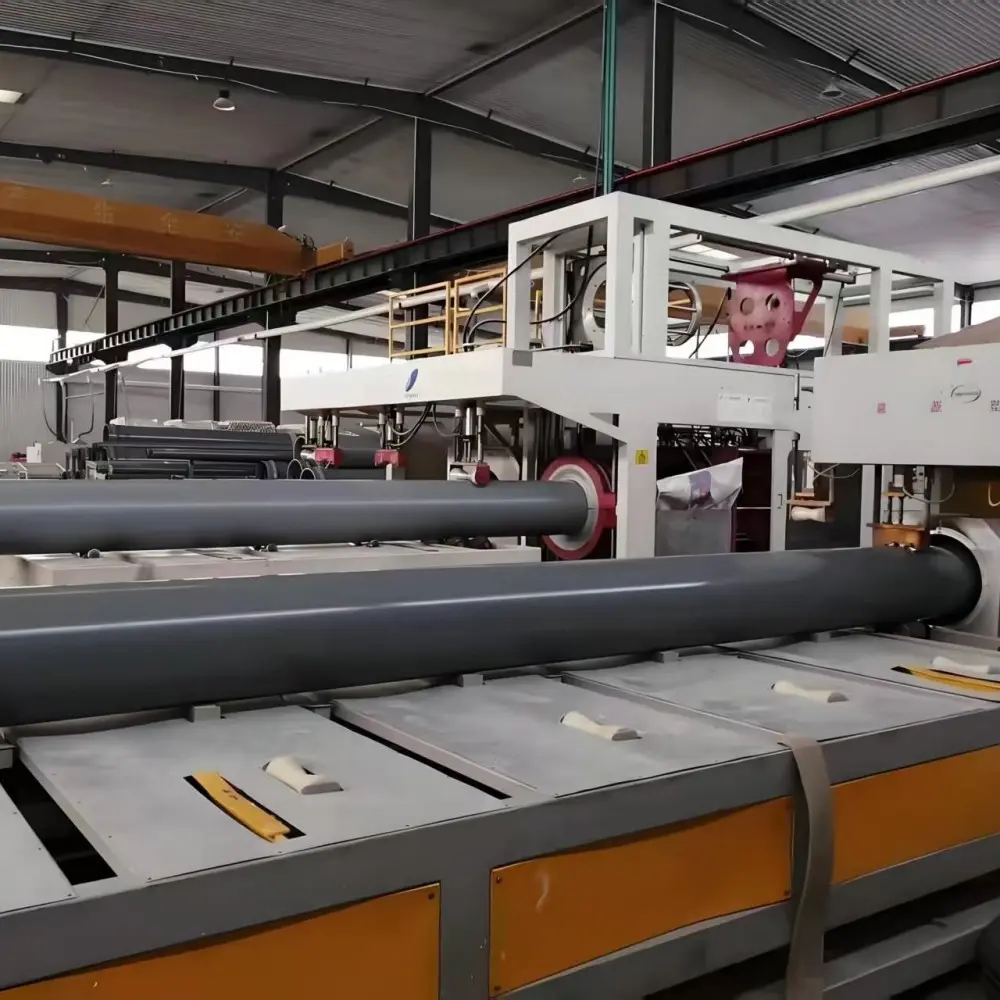
Electrofusion Reinforced Couplers & Reducers
Precision-molded polyethylene electrofusion sleeves equipped with embedded heating resistance coils for zero-leakage, 50-year joint cohesion.
View Product Details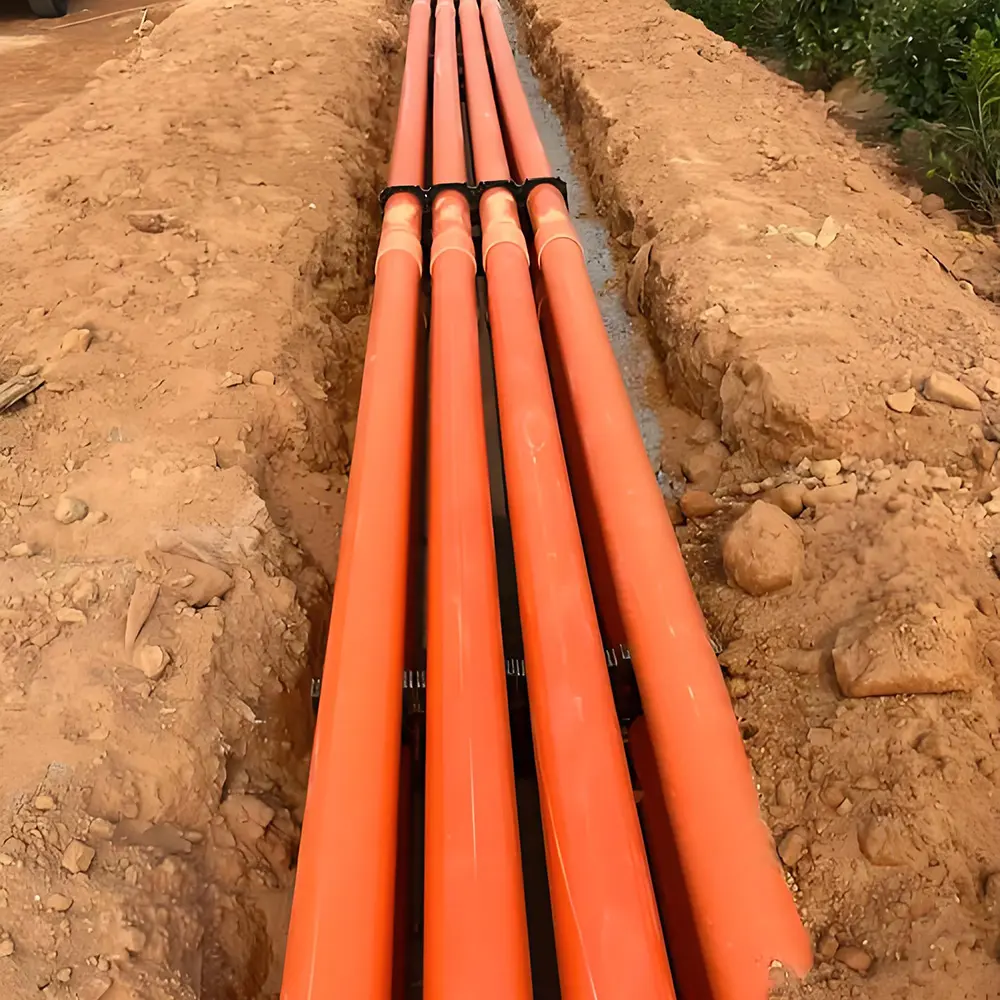
Municipal Potable Water Composite Pressure Pipe
Hygienic, anti-fouling continuous feed line engineered to withstand hydraulic surge, heavy road loading, and expansive soil shear.
View Product Details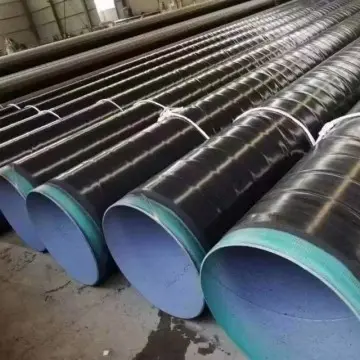
Underground Fuel & Gas Transmission Composite Pipe
Engineered anti-permeation barrier pipe incorporating high-carbon steel wire reinforcement for subterranean natural gas networks.
View Product Details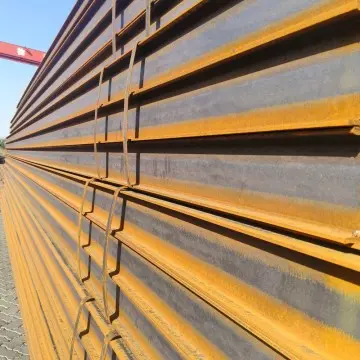
Wide-Flange Heavy Structural Steel H-Beams
Hot-rolled structural steel sections for pipe rack supports, plant framing, bridge pilings, and industrial foundation retaining walls.
View Product Details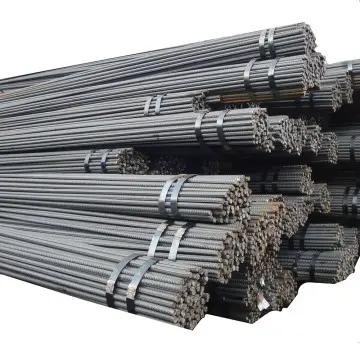
High-Tensile Deformed Steel Rebar Bundles
Mill-certified ribbed reinforcement bars matching global infrastructure benchmarks for culvert vaults, retaining structures, and slabs.
View Product Details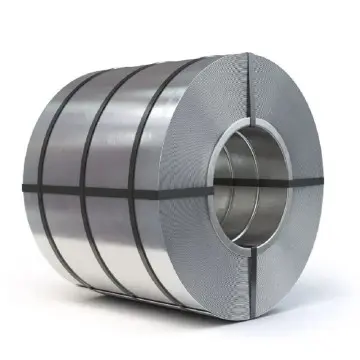
Hot-Dip Galvanized & High-Spangle Steel Coil
Continuous zinc-coated carbon steel coil for ducting, trench shielding, casing bands, and weather-resistant industrial building panels.
View Product Details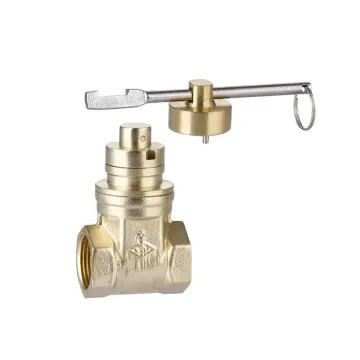
Pressure-Rated Pipeline Valves & Flanged Manifolds
Cast ductile iron and carbon steel gate, butterfly, check, and control valves engineered to mate seamlessly with composite pipe flanges.
View Product DetailsComposite Morphology: Synergistic Steel Skeleton & Thermoplastic Matrix
HDPE Steel Wire Mesh Reinforced Composite Pipe (SRPE/SRHDPE) represents a paradigm shift in fluid conveyance mechanics, resolving the classic dilemma between the tensile strength of ferrous metals and the chemical inertness of high-density polymers.
Tri-Layer Co-Extrusion Mechanics
The pipe structure comprises an inner virgin PE100 core, a high-carbon spirally interwoven brass-plated or galvanized steel wire mesh, and an exterior PE protection skin. Interfacial integrity is sustained by a specialized Maleic Anhydride Grafted Polyethylene (MAH-g-PE) coupling agent that chemically bonds metal to plastic, preventing delamination under cyclic vacuum or thermal stress.
Creep & Surge Suppression
Traditional non-reinforced HDPE suffers from viscoelastic creep under continuous hoop stress, requiring excessive wall thicknesses (low SDR) for high pressures. The steel mesh absorbs over 70% of circumferential burst stresses, suppressing long-term creep rupture while lowering pipe weight by 30% to 50% compared to equivalent SDR9 solid-wall HDPE.
Thermal Coefficient Moderation
Pure polymers expand and contract dramatically with temperature fluctuations (α ≈ 1.8 × 10⁻⁴ /°C). The integrated longitudinal and radial steel wire skeleton acts as an internal constraint grid, diminishing linear thermal expansion by over 60% down to approximately 0.4 × 10⁻⁴ /°C, minimizing the necessity for complex expansion loops in aboveground or bridge runs.
| Performance Dimension | HDPE Steel Wire Mesh Pipe (SRPE) | Solid Wall HDPE (PE100 SDR11) | Ductile Iron Pipe (Class K9) | Filament Wound GRP / FRP |
|---|---|---|---|---|
| Operating Pressure Capacity | 0.8 MPa to 3.2 MPa with light wall | Limited (up to 1.6 MPa standard) | High (2.5 MPa to 4.0 MPa) | Medium to High (up to 2.5 MPa) |
| Corrosion & Cathodic Protection | Zero external/internal corrosion; No CP | Immune; No CP required | Requires external zinc/epoxy + CP | Resistant; prone to resin microcracking |
| Linear Expansion (mm/m·°C) | ~0.04 (Low due to steel grid) | 0.18 to 0.20 (Very High) | 0.011 (Very Low) | 0.015 to 0.03 (Low) |
| Ring Stiffness & Deep Burial | SN8 to SN16+; resists trench collapse | SN4 to SN8; thick wall needed | Rigid; highly dependent on soil sidefill | Semi-rigid; brittle under point loads |
| Installation Weight & Handling | Lightweight (35% of Ductile Iron) | Moderate to Heavy at high pressure | Extremely Heavy; crane required | Lightweight; fragile handling required |
| Roughness Factor (Hazen-Williams) | C = 150–155 (Zero calcification) | C = 150–155 | C = 130–140 (Degrades over decades) | C = 145–150 |
Engineered for Demanding Localized Infrastructure Environments
Across seismic faults, coastal hypersaline marine estuaries, deep open-pit mining tailings, and congested metropolitan trenchless crossings, custom steel-mesh HDPE provides fail-safe structural integrity.
Mining Tailings & Slurry Transport
Engineered for copper, gold, and iron ore extraction operations across South America and Central Africa. The internal virgin PE layer provides abrasion resistance exceeding steel by fourfold, while the embedded wire core reliably withstands high head pumping pressures (up to 3.2 MPa) across rough, uneven terrain without brittle shock rupture.
Trenchless HDD & Pipe Jacking
In congested urban utility corridors where open-cut excavation is impossible, Horizontal Directional Drilling (HDD) subjects pipelines to immense axial tensile pull-forces. The interwoven high-tensile steel wire framework safely absorbs pulling loads, preventing plastic yield elongation and preserving diameter roundness under dynamic pullback stress.
Deep Municipal Sewer Gravity Mains
Buried deeper than 8 meters beneath major metropolitan motorways, gravity sewage channels encounter crushing hydrostatic and earth overburden pressures. HZXY's custom reinforced conduit achieves ring stiffness profiles beyond SN16 without wall buckling, guaranteeing zero groundwater infiltration or hazardous effluent leakage.
Seawater Desalination Intake & Outfall
Marine brine discharge pipelines suffer from severe chemical aggression, dissolved oxygen attacks, and marine bio-fouling. Unlike stainless steels that pit under hypersaline warm effluents (Middle East Gulf installations), composite HDPE offers lifetime immunity to galvanic degradation while retaining stiffness against offshore tidal surges.
Next-Generation Composite Extrusion & Smart Sensing Paradigms
As global infrastructure transitions toward asset lifecycle intelligence and low-carbon materials, HZXY is advancing digital sensing integration, bio-copolymer research, and automated molecular fusion kinetics.
Smart IoT Embedded Sensing Grids
We are piloting smart composite conduits with interwoven distributed optical fiber sensors (DTS) and acoustic monitoring traces positioned directly beside the steel wire matrix. This empowers municipal operators with real-time leak detection, ground shifting alerts, and temperature profiling before catastrophic pipe shear can occur.
Automated Electrofusion Traceability
Next-gen fittings feature encrypted ISO 13950 barcode data microchips that communicate directly with cloud-synchronized electrofusion welding generators. Critical fusion variables—including pre-heating cycles, ambient temperature compensation, voltage modulation, and cooling timers—are locked to eliminate contractor welding error.
High-Modulus Polymer Formulations
Collaborative development with premier resin manufacturers (Borouge, PetroChina) is yielding bimodal high-stress crack resistance (PE100-RC) materials. When combined with our automated multi-axis wire positioning lattices, this enables wall thickness reductions while pushing burst pressure ratings beyond 4.0 MPa.
The Daqiuzhuang Industrial Synergy: Unrivaled Capacity & Logistics
Founded in 1996, Tianjin Huizhong Xinyu operates from the heart of the world's most concentrated steel and piping manufacturing hub. Our fully integrated value chain removes third-party markups and guarantees rapid project delivery.
Vertical Metallurgy & Polymer Sourcing
Unlike standard composite pipe assemblers who purchase wires from external dealers, HZXY draws its high-tensile wire directly from parent-cluster wire rod coils (SAE1008/1080). This direct backward integration guarantees stringent mechanical wire ductility, uniform copper/zinc corrosion plating, and uninterrupted raw material reserves.
10 Million Tons Cluster Throughput
Spanning 1,500 acres across Tianjin and Tangshan production campuses, our infrastructure provides dedicated rolling lines, precision slitters, multi-layered spiral extrusion units, and massive inventory staging areas. EPC contractors can consolidate structural steel, rebar, valves, and composite pipelines under a single Bill of Materials (BOM).
Port Proximity & Consolidated Freight
Situated within 40 kilometers of Tianjin Xingang Port—Northern China's primary maritime gateway—our logistics operations cut domestic inland transport times. By nesting smaller diameter composite tubes inside larger structural pipe sections or bundling profiles, container cubic space is maximized, saving thousands in ocean freight.
Strict Regulatory Conformance & Independent Quality Verification
International tenders demand unyielding certification. HZXY provides end-to-end traceability with Mill Test Certificates (EN 10204 3.1) and welcomes SGS, Bureau Veritas, and TÜV Rheinland third-party inspections prior to dispatch.
Standard Specifications
Manufactured and verified in full compliance with CJ/T 189 (Steel mesh reinforced polyethylene composite pipe), ISO 21138 (Plastic piping systems for non-pressure drainage), ASTM F2619, AWWA C906, and EN 12201 criteria for potable, municipal, and industrial installations.
Mechanical QA Rigor
Every production batch undergoes 100-hour and 1000-hour continuous hydrostatic burst testing at elevated temperatures (80°C), ring flexibility flattening deformation assessments without delamination, and peel-force tests on the adhesive copolymer-steel boundary.
Field Joint Assurance
We provide full-package field jointing kits including high-output electrofusion control boxes, pipe scraping tools, alignment clamps, and customized flanged transition stub-ends backed by hot-dip galvanized ASTM A36/Q235 ductile steel backing rings.
Precision Turnkey Order Fulfillment Process
A proven five-tier supply sequence developed over three decades, keeping engineering leads, EPC directors, and procurement controllers completely informed.
Engineering Inquiry
Submit pressure ratings, fluid medium, operating temperature, SDR/wall thickness, and bill of materials (BOM).
Technical Matching
Our engineers confirm equivalent international standards (ASTM, ISO, GB), fitting schedules, and tooling allocations.
Composite Extrusion
Automated wire braiding, co-extrusion bonding, laser sizing, and cut-to-length packaging according to container constraints.
Testing & QA Sign-Off
Hydrostatic batch testing, wall thickness ultrasonic audits, and optional SGS/BV third-party site verification.
Export Shipment
Protective capping, seaworthy bundle lashing, customs clearance documentation, and direct departure from Tianjin Port.
Integrated Steel Profiles, Piping & Structural Packages
Streamline your supply chain by procuring complementary structural steel, specialized fluid conduits, and project hardware in unified shipments directly from our Tianjin manufacturing complex.
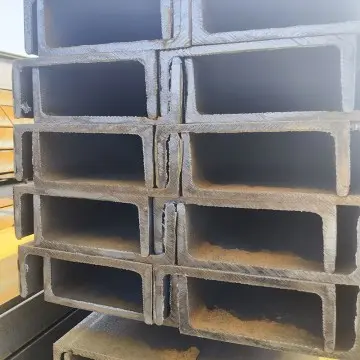
Hot-Rolled Galvanized Channel Steel
High-yield U and C channels for pipe support trestles, drainage frame supports, and industrial platform staging.
View Product Details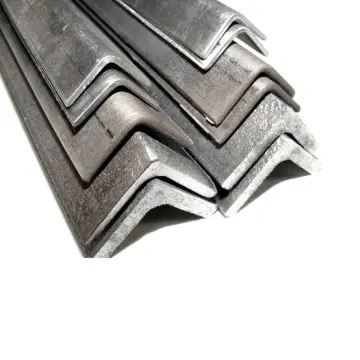
Equal & Unequal Galvanized Angle Bar
Hot-dip zinc structural angles for piping brackets, communication towers, foundation frames, and structural trusses.
View Product Details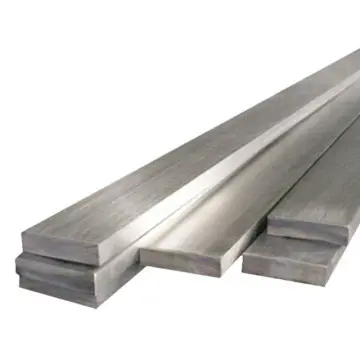
Carbon Steel Flat Bar for Backing Rings
Solid hot-rolled flat steel engineered for machining heavy backing rings, slip-on flanges, and pipe support saddles.
View Product Details
Standard Structural Steel I-Beams
Load-bearing hot-rolled I-sections optimized for pipe bridge crossbars, industrial gantry cranes, and plant foundations.
View Product Details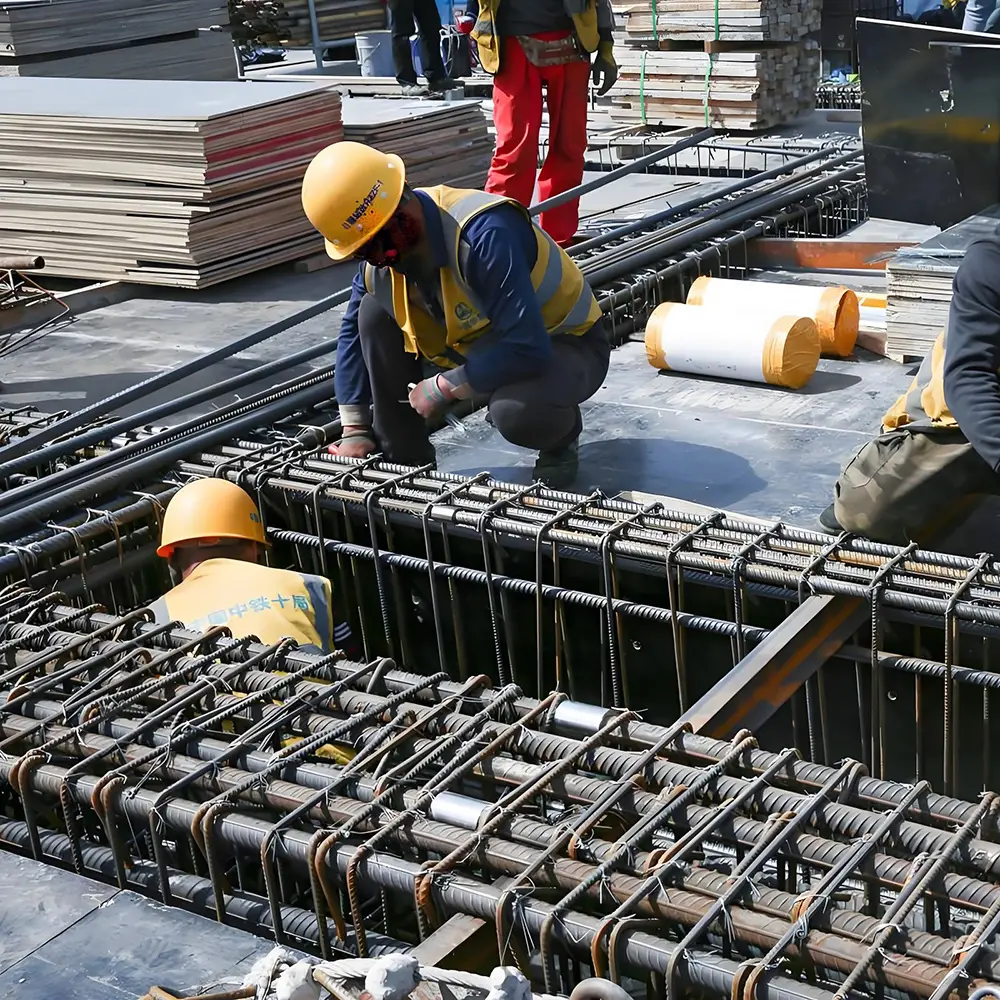
High-Rigidity Electrical Cable & Conduit Pipes
Engineered protective plastic conduit protecting subterranean fiber optics, power lines, and automated sensory grids.
View Product Details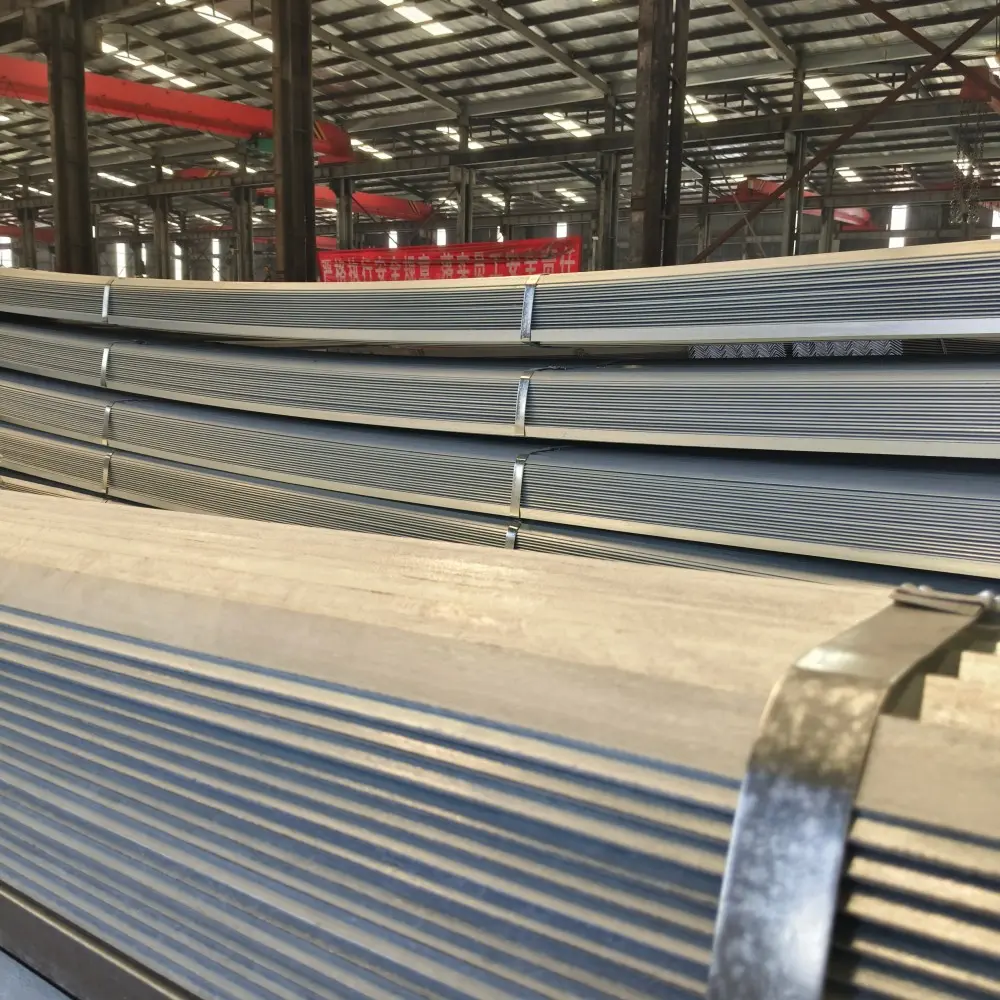
Multi-Sub-Duct Telecom Communication Pipes
Composite and PVC multi-chamber tubing allowing simultaneous high-speed fiber-optic deployment without cable jamming.
View Product Details
Galvanized Plain Round Steel Bar
Hot-dip zinc protected solid carbon steel round bar for tie-rods, anchor bolts, pipe hangers, and municipal shafts.
View Product Details
Solid Carbon Square Steel Bar
Hot-rolled square solid sections for fabrication of valve wrench stems, structural grating, and reinforcement anchors.
View Product DetailsFrequently Asked Questions on Steel Wire Mesh HDPE Pipelines
Deep-dive engineering and procurement insights addressing pressure ratings, joining techniques, chemical compatibilities, and shipping logistics.
What differentiates Steel Wire Mesh Reinforced HDPE from traditional Spiral Welded Steel Pipe or standard PE100?
Standard PE100 pipe relies strictly on wall thickness to withstand internal pressure. At high pressures (e.g., >1.6 MPa), the pipe wall becomes exceptionally thick, leading to excessive material weight, reduced internal hydraulic diameter, and difficulties in thermal butt fusion. Traditional steel pipe provides tensile strength but is severely vulnerable to soil galvanic corrosion, acid/base attacks, and internal tuberculation, requiring cathodic protection and external epoxy coatings.
Steel Wire Mesh Reinforced HDPE Pipe combines the best of both: the high-carbon steel mesh skeleton absorbs hoop stress, enabling thinner wall profiles and lower weights, while the interior and exterior virgin polyethylene layers offer complete corrosion resistance, zero scaling (C=150), and superior chemical inertness.
How are joints welded and inspected to prevent joint delamination or leakage?
The primary joining technique is Electrofusion Coupler Welding. The ends of the composite pipe are planed and scraped to expose clean PE resin. An electrofusion sleeve containing embedded heating elements is slid over the joint. An automated welding processor applies controlled current, melting the outer pipe wall and the inner sleeve sleeve interface into a single homogenous molecular matrix.
For transitions to valves, pumps, or metallic pipe schedules, flanged electrofusion adapters with hot-dip galvanized ductile iron backing rings (compliant with ASME B16.5 or EN 1092-1) are utilized. Non-destructive ultrasonic testing and 1.5× working pressure hydrostatic field hold tests ensure complete seal integrity.
Can this composite pipe tolerate high temperature and chemical fluid transmission?
The maximum continuous operating temperature for standard PE100 composite pipes is 60°C, with pressure derating coefficients applied above 20°C in compliance with ISO 13761. For elevated chemical temperatures (up to 80°C or 95°C), we customize the inner core using raised-temperature polyethylene (PE-RT) or cross-linked polyethylene formulations upon request.
It exhibits outstanding chemical compatibility with dilute acids, inorganic salts, caustic alkalis, municipal sewage, brine, and abrasive slurry mixtures. However, for highly concentrated aromatic hydrocarbons or chlorinated solvents, our technical laboratory provides immersion exposure testing before specification sign-off.
What standards govern manufacturing, sizing, and quality testing?
Our composite pipes are manufactured in compliance with CJ/T 189 (Chinese National Standard for Steel Mesh Reinforced Polyethylene Composite Pipes) and adhere to structural testing benchmarks under ISO 21138, ASTM F2619, and AWWA C906. Flanges and hardware follow ASTM A36, GB/T 700, and EN 10025 structural specifications.
How does HZXY manage mixed product orders containing both structural steel and composite pipes?
As an integrated manufacturing group with 1,500 acres of production across Tianjin and Tangshan, HZXY eliminates the coordination overhead of dealing with multiple distinct suppliers. Project clients can consolidate structural H-beams, channel steels, rebar bundles, valves, and steel wire reinforced pipes into a single export purchase order.
Our staging yards pack smaller pipes inside larger structural hollow sections or arrange balanced container loading plans, optimizing total shipping volume and lowering customs documentation complexity.
What is the minimum bending radius and installation guidelines for seismic zones?
Due to the internal steel wire mesh, the permissible bending radius is typically between 100D and 150D (where D is external pipe diameter), which is stiffer than unreinforced HDPE but significantly more flexible than ductile iron or steel pipe. In active seismic fault crossing zones or marine estuaries subject to severe differential settlement, the pipe flexes without joint dislocation or sudden brittle shear.
What are standard production lead times and shipping terms from Tianjin Port?
Standard diameter composite pipes (DN50 to DN630) maintain continuous semi-finished raw component inventories, enabling order processing and export delivery within 14 to 21 business days. Custom wall thicknesses, higher pressure classes (PN2.5/3.2 MPa), or tailor-made spools with factory-welded flange stubs typically ship within 25 to 30 days. We routinely execute FOB (Tianjin Xingang), CFR, CIF, and DDP contracts with complete consular documentation.
Request Technical Data Sheets, Quotations & Engineering Catalogs
Connect directly with HZXY’s Daqiuzhuang technical engineering team. We supply complete pipeline stress analysis, standard equivalent mappings, CAD dimensional drawings, and mill-direct container pricing.