
Featured PVC-U Piping & Related Material Catalog
Explore HZXY’s primary thermoplastic and integrated construction lines. Below are 8 prioritized product categories engineered to meet rigorous international standards for municipal, commercial, and heavy industrial applications.
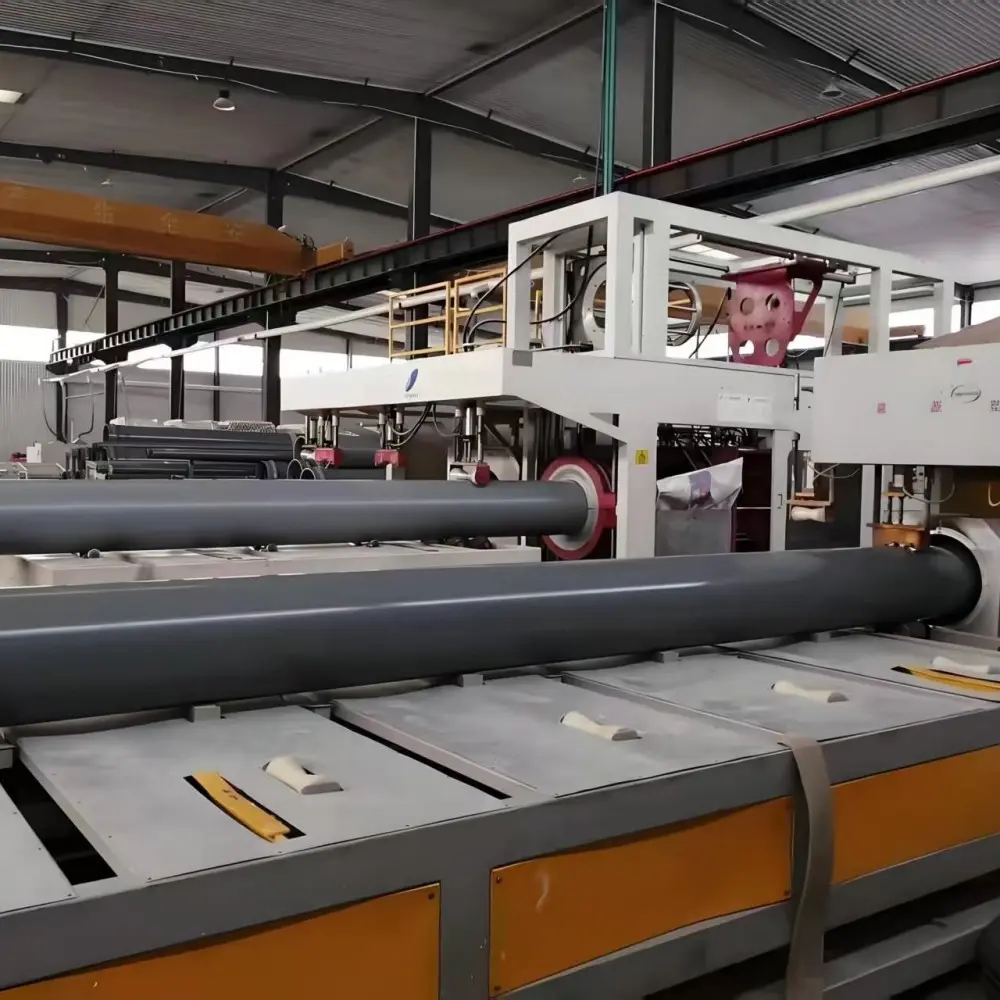
PVC Drainage Pipe Systems
High-impact DWV (Drain, Waste, Vent) PVC-U pipes featuring smooth interior bores to eliminate scaling and flow resistance in multi-story infrastructure.
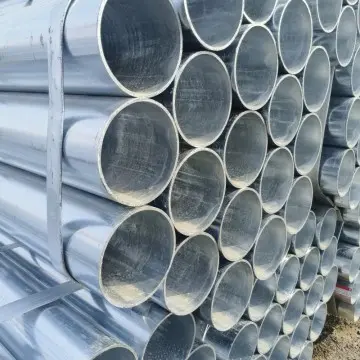
PVC Water Supply Pipes
NSF/ANSI 61 certified non-toxic pressure pipes (PN6–PN25). Engineered for municipal drinking water distribution and high-pressure liquid transfer.
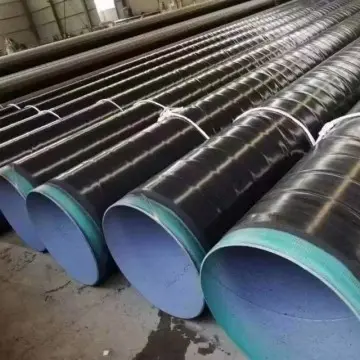
Electrical PVC Conduit Pipes
Flame-retardant, high-dielectric strength PVC ducts designed for structural concrete embedment and underground high-voltage wire protection.
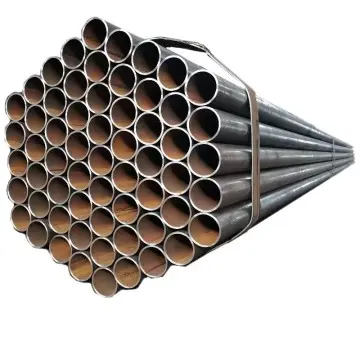
Communication Cable Pipes
Multi-hole fiber optic micro-ducts and heavy-duty PVC casing safeguarding urban telecommunication backbones against earth settlement and pressure.
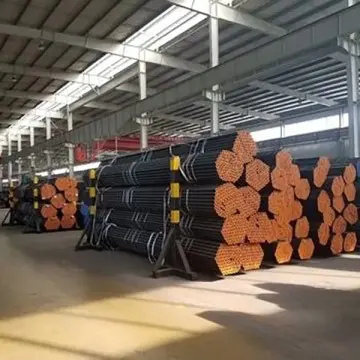
Gas Transmission Piping
Engineered thermoplastic and composite piping systems optimized for low-pressure gas utility routing, chemical vapor ventilation, and industrial exhaust.
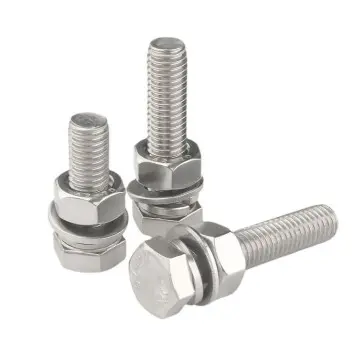
Plastic Building Materials
Comprehensive portfolio of PVC, PE, and PPR profiles, sheets, and structural fittings manufactured for long-life architectural and MEP projects.
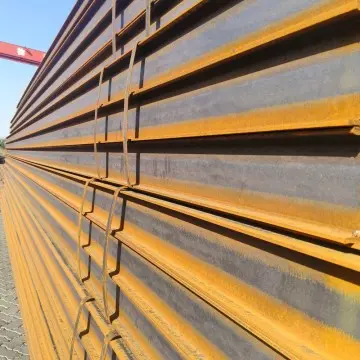
Structural H-Beam Profiles
Hot-rolled ASTM A36 / Q235B wide-flange steel H-beams designed for structural frame integration alongside underground utility networks.
Galvanized Steel Pipe Series
Hot-dip zinc coated steel pipe for load-bearing structures, fire sprinkler mains, and hybrid metal-plastic industrial fluid systems.
1. Executive Summary & Global PVC-U Market Dynamics
Unplasticized Polyvinyl Chloride (PVC-U), also known as rigid PVC, remains the cornerstone of modern civil engineering, municipal water distribution, industrial effluent routing, and electrical ductwork worldwide. By excluding plasticizers from the polymer formulation, PVC-U achieves an exceptional tensile modulus, elevated Vicat softening temperature, superior mechanical rigidity, and unmatched resistance to chemical degradation. As global infrastructure initiatives accelerate across Asia-Pacific, the Middle East, Africa, and Latin America, the procurement landscape for standard and custom PVC-U piping has evolved into a strategic discipline requiring accurate cost tracking, strict specification compliance, and reliable supply-chain execution.
At Tianjin Huizhong Xinyu International Trade Co., Ltd. (HZXY), backed by our 30-year manufacturing heritage operating from 1,500 acres of production capacity in Tianjin and Tangshan, we combine advanced twin-screw extrusion technologies with comprehensive international trading workflows. This whitepaper serves as an authoritative procurement guide and technical reference for EPC contractors, engineering consultants, municipal authority buyers, and industrial distributors seeking deep visibility into PVC-U pipe pricing mechanics, structural formulations, international quality standards, and volume quotation strategies.
1.1 Raw Polymer Economics & Cost Driver Breakdown
Formulating realistic quotes for custom PVC-U piping requires understanding the macro-economic variables that drive factory-gate pricing. Unlike basic metallic piping, which is primarily tied to iron ore and billet indices, PVC-U pricing is directly influenced by ethylene cracking dynamics, chlor-alkali production cycles, resin K-value selection, and specialized thermal stabilizer additives.
S-PVC Resin Index (K-67)
Suspension-grade PVC resin with a K-value of 67 serves as the structural polymer matrix for rigid pressure pipes. Fluctuations in raw vinyl chloride monomer (VCM) spot prices directly impact base resin costs, representing approximately 60%–70% of total pipe production cost.
Eco-Stabilizer Systems
Modern non-toxic formulations replace traditional lead-based heat stabilizers with Calcium-Zinc (Ca-Zn) or Organic-Based Stabilizers (OBS). These eco-friendly additives increase raw material input costs slightly, but guarantee compliance with NSF/ANSI 61 and European REACH regulations.
Impact Modifiers & Fillers
Ultrafine Calcium Carbonate ($\text{CaCO}_3$) loading optimizes ring stiffness and reduces volumetric cost. However, excessive filler reduces impact strength. HZXY maintains strict filler limits ($\le 5\%-10\%$) to preserve long-term hydrostatic design basis (HDB) integrity.
Energy & Logistics Freight
Twin-screw extrusion lines consume significant electrical power during melt homogenization. HZXY’s facility adjacent to Tianjin Port reduces inland transport costs, giving global buyers a competitive FOB price structure.
2. Technical Specifications & Material Formulation Science
The performance of PVC-U piping under mechanical load, internal hydrostatic pressure, and aggressive environmental conditions depends on polymer formulation and wall thickness ratios. HZXY extrudes PVC-U pipes using computerized dosing systems that combine virgin PVC resin with processing aids, lubricant packages, and titanium dioxide ($\text{TiO}_2$) for UV stabilization.
| Physical / Mechanical Property | Test Standard | Benchmark Engineering Metric | Operational Significance for Engineers |
|---|---|---|---|
| Density ($\rho$) | ISO 1183 / ASTM D792 | $1.38 - 1.43 \text{ g/cm}^3$ | Lightweight design reduces freight weight and manual handling costs compared to ductile iron ($7.2\text{ g/cm}^3$). |
| Tensile Strength at Yield ($\sigma_y$) | ISO 527 / ASTM D638 | $\ge 48.0 \text{ MPa}$ (N/mm²) | Ensures robust wall resistance against internal surge pressure and tensile stresses during trench installation. |
| Modulus of Elasticity ($E$) | ISO 178 / ASTM D790 | $\ge 3,000 \text{ MPa}$ | Provides high structural rigidity, minimizing pipe deflection under external earth loads. |
| Vicat Softening Temperature | ISO 306 / ASTM D1525 | $\ge 80.0 ^\circ\text{C}$ (under 50N load) | Guarantees dimensional stability in hot climates and elevated industrial fluid process lines. |
| Long-Term Hydrostatic Strength (MRS) | ISO 9080 / EN 1452 | $\sigma_{\text{LTHS}} \ge 25.0 \text{ MPa}$ ($50\text{ yrs @ }20^\circ\text{C}$) | Forms the foundation for a 50+ year continuous operational lifespan under nominal pressure. |
| Hazen-Williams Roughness ($C$) | Hydraulics Standard | $C = 150$ (Ultra-Smooth) | Reduces friction head loss, allowing smaller nominal pipe diameters and lower pumping energy requirements. |
2.1 Hydrostatic Pressure Rating & Standard Dimension Ratio (SDR)
Internal working pressure capability is governed by the relationship between outside diameter ($D_o$) and minimum wall thickness ($e$), expressed as the Standard Dimension Ratio ($\text{SDR} = D_o / e$). According to Barlow’s Formula, the hoop stress ($\sigma$) developed in a thin-walled cylinder under internal pressure ($P$) is defined as:
*Where $C_s$ represents the overall service design coefficient (typically $1.25$ for cold water systems up to $25^\circ\text{C}$).
3. Custom PVC-U Pipe Pricelist & RFQ Calculation Matrix
To streamline budgeting for major engineering projects, HZXY provides an indicative pricing matrix across key nominal diameters (DN/OD), wall thickness profiles, standard dimension ratios (SDR), and pressure ratings (PN). Please note: Actual container-load prices vary dynamically based on raw PVC resin spot rates and order quantities.
| Nominal Size (OD) | Pressure Class | SDR Ratio | Wall Thickness ($e$) | Weight (kg/m) | Indicative Price (USD/m, FOB Tianjin) |
|---|---|---|---|---|---|
| DN20 (1/2") | PN 16 (Bar) | SDR 11 | 1.9 mm | 0.17 kg | $0.28 – $0.35 |
| DN50 (1-1/2") | PN 10 (Bar) | SDR 21 | 2.4 mm | 0.56 kg | $0.85 – $1.10 |
| DN110 (4") DWV | Non-Pressure / Gravity | SDR 41 | 2.7 mm | 1.38 kg | $2.10 – $2.60 |
| DN110 (4") Pressure | PN 12.5 (Bar) | SDR 17 | 6.6 mm | 3.15 kg | $4.80 – $5.70 |
| DN200 (8") | PN 10 (Bar) | SDR 21 | 9.6 mm | 8.75 kg | $12.90 – $15.20 |
| DN315 (12") | PN 12.5 (Bar) | SDR 17 | 18.7 mm | 26.40 kg | $39.50 – $46.00 |
| DN400 (16") | PN 10 (Bar) | SDR 21 | 19.1 mm | 35.10 kg | $52.00 – $61.50 |
| DN630 (24") | PN 8 (Bar) | SDR 26 | 24.1 mm | 70.80 kg | $105.00 – $124.00 |
3.1 Factors Influencing Volume RFQ Discounts
1. Container Space Optimization
Pipes extruded in standard 5.8m or 11.8m lengths maximize load density inside 20ft and 40ft High Cube containers. Nesting smaller diameter pipes inside larger ones reduces total freight cost per meter by up to 30%.
2. Custom Lengths & Color Batching
Standard stock colors are white, blue (potable water), grey (drainage), and orange/brown (underground sewer). Custom color runs require minimum order volumes of 5 metric tons per extrusion batch.
3. Joint Configuration Selection
Plain-end pipes, Solvent Cement Socket Ends, or Rubber Ring Joint (RRJ / Z-Joint) bell ends impact labor overhead and machine cycle times, slightly influencing unit prices.
4. Global Commercial & Industrial Application Scenarios
HZXY's PVC-U piping solutions are specified across diverse civil, industrial, agricultural, and municipal projects. The inert chemical structure of rigid unplasticized PVC ensures long-term service without corrosion, scaling, or bio-fouling.
Municipal Water Networks
NSF-approved PVC-U pressure pipes serve as trunk lines and distribution loops for urban and rural drinking water. Smooth internal surfaces maintain hydraulic flow and reduce pumping energy consumption.
High-Rise DWV Systems
Gravity drainage, waste, and vent systems in tall commercial towers benefit from PVC-U’s structural stiffness, sound dampening properties, and chemical resistance to aggressive household effluents.
Industrial Process Fluid Transfer
Used extensively in chemical processing plants, electroplating facilities, and mining operations for transferring acids, alkalis, brine solutions, and industrial wastewater without metallic corrosion risk.
Agricultural Irrigation & Drainage
Large-diameter PVC-U low-pressure pipes and perforated subsoil drainage pipes optimize water conveyance in drip irrigation networks, agricultural reclamation projects, and flood control systems.
5. Localized Compliance, Standards & Regulatory Frameworks
Global project compliance requires strict adherence to international quality management and material specification standards. Every batch of PVC-U pipe manufactured at HZXY’s production base undergoes rigorous laboratory testing before export loading.
ASTM D1785 / D2241 (North America)
Covers Schedule 40, Schedule 80, and SDR-series rigid PVC pressure pipes. Standard metrics govern burst pressure resistance, flattened deflection integrity, and acetone immersion tests to verify complete resin fusion.
ISO 1452 / EN 1452 (European & Global)
Defines unplasticized PVC piping systems for water supply, buried drainage, and sewerage under pressure. Specifies nominal pressure ratings (PN6 to PN25) and elastomeric ring seal performance.
DIN 8061 / 8062 (German Industrial)
Precision dimensional requirements and technical delivery conditions for rigid PVC pipes. Rigorous compliance testing includes impact resistance (Charpy test) and longitudinal heat reversion limits ($\le 5\%$).
NSF/ANSI Standard 61 & WRAS
Health effects certification ensuring zero extraction of heavy metals (Lead, Cadmium), organic chemicals, or toxic compounds into drinking water systems. Fully compliant with international public health standards.
6. Technical Roadmap & Next-Generation Piping Innovations
As global infrastructure demands higher sustainability, increased pressure ratings, and extended lifespans, HZXY invests continuously in advanced polymer processing technologies. Our technical R&D roadmap focuses on four key innovations:
Molecularly Oriented PVC (PVC-O)
Biaxial orientation realigns amorphous PVC polymer chains into a layered structure. PVC-O doubles pipe tensile strength ($\ge 50\text{ MPa}$), dramatically increases impact resistance, and reduces wall thickness by up to 40% compared to traditional PVC-U.
Triple-Layer Low-Noise DWV
Co-extruded three-layer drainage pipes featuring a micro-foamed acoustic insulation core. Designed for luxury hotels and high-end residential towers, reducing fluid flow noise levels by up to $15\text{ dB}$.
Bio-Based Resins & Recycled Cores
Incorporating mass-balance bio-attributed PVC resin and structured-wall technology (EN 13476) with post-industrial recycled middle cores, reducing carbon footprint while preserving outer wall strength.
Nano-Composite Structural Monitoring
Integrating conductive nano-carbon strips within the pipe wall during extrusion, allowing real-time strain monitoring, ground motion detection, and automated leak localization in critical municipal trunklines.
7. Enterprise Material Integration: Combining Steel & Thermoplastics
Managing multiple vendors for structural materials, pipeline networks, and civil accessories creates project delays and administrative friction. As an integrated industrial group headquartered in Daqiuzhuang, Tianjin, HZXY enables EPC project buyers to consolidate complete Bill of Materials (BOM) into unified procurement contracts.
The HZXY Consolidated Supply Advantage
By combining PVC-U piping shipments with structural steel profiles (H-Beams, Channels, Angles), foundation steel rebar, sheet plates, and industrial valves, buyers achieve significant logistics efficiency:
- Optimized Container Utilization: Heavy steel components form lower floor ballast, while lightweight PVC-U pipes nest safely above, minimizing dead freight space.
- Single Bill of Lading & Customs Clearance: Unified shipping documentation reduces import port handling fees and speeds customs clearance.
- Single Point of Quality Accountability: Mill test reports, pressure certifications, and dimensional compliance documents are audited by one dedicated technical coordinator.
Complete Project Material Portfolio (Preserved Catalog)
In addition to PVC-U pipe extrusion, explore HZXY's long-established steel manufacturing and processing product lines. Click any product below to access detailed technical specifications and live price schedules.
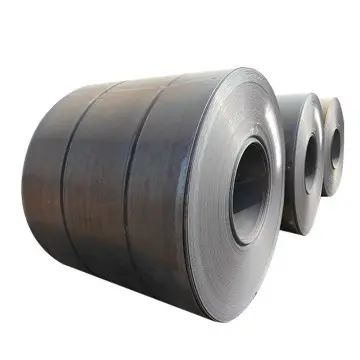
Hot & Cold Rolled Steel Coils
Q235B, Q355B, and DX51D galvanized/PPGI coils engineered for metal stamping, structural framing, and pipe manufacturing applications.
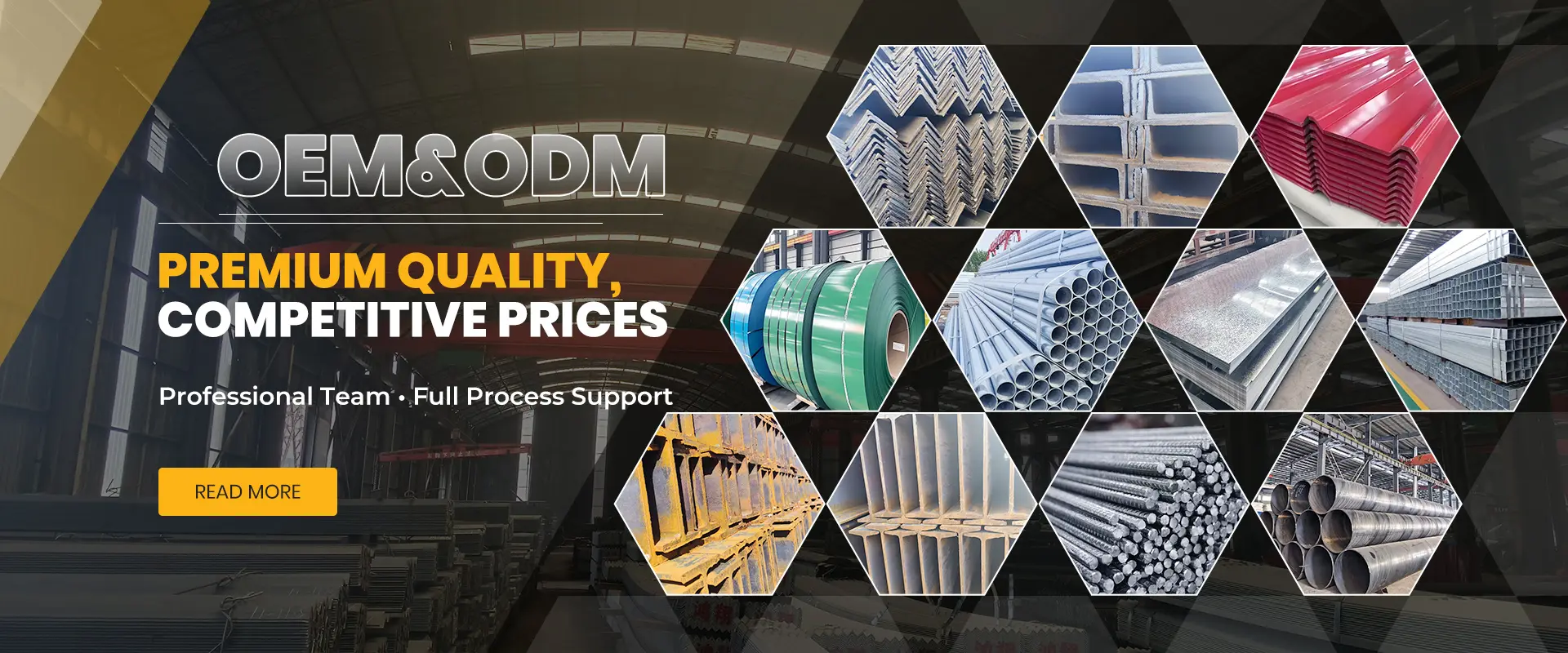
Structural Steel Profiles
Full portfolio of wide-flange beams, structural angles, channel sections, and structural hollow sections cut to exact drawing lengths.
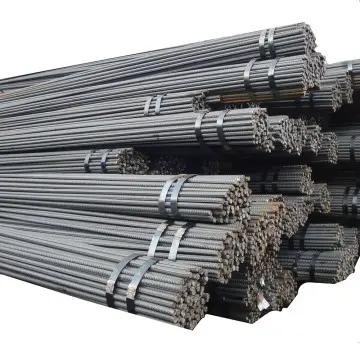
Deformed Steel Rebar & Rods
High-tensile deformed rebar (6mm–40mm) and wire rods for foundation pile caps, heavy civil structures, and precast concrete elements.
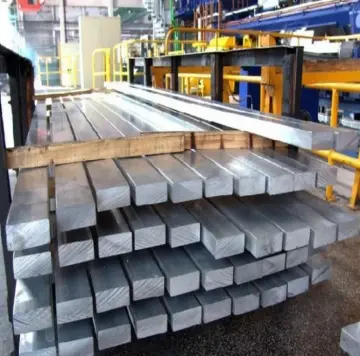
Hot-Dip Galvanized Flat Bar
Solid Q235/Q355 carbon flat steel bars (3mm–60mm thickness) for grounding grids, equipment brackets, and outdoor security structures.
Standard Structural I-Beams
Hot-rolled structural steel I-beams for industrial workshop frames, crane gantry girders, and heavy infrastructure bridging.
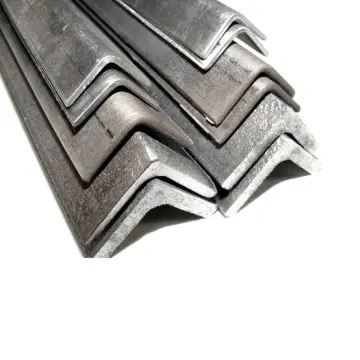
Equal & Unequal Steel Angles
Perforated and standard hot-dip galvanized L-shaped angle steel for transmission towers, framing assemblies, and machinery supports.
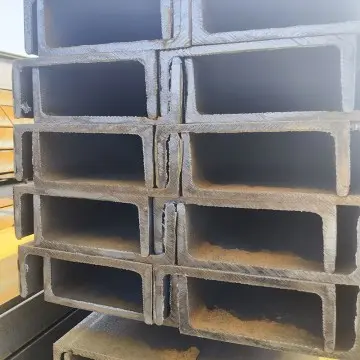
Hot Rolled C/U Steel Channel
Standard UPN and C-channel steel profiles engineered for structural building purlins, vehicle chassis framing, and wall purlin framing.
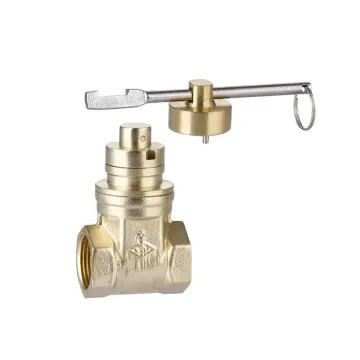
Industrial Pipeline Valves & PPE
Pressure-resistant gate, ball, and check valves matched to PVC-U and steel pipelines, alongside industrial personal protective hardware.
8. Custom PVC-U Pipe Procurement FAQ
Technical, pricing, and shipping questions frequently asked by overseas engineering procurement teams prior to placing bulk contracts.
How do I request an exact custom quotation for PVC-U pipes from HZXY?
What is the difference between PVC-U, PVC-C, and PVC-O pipes?
Can HZXY consolidate PVC-U plastic pipes with steel beams and coils in one container?
What mill test certificates and third-party inspection options are provided?
Where is HZXY located, and what is your standard shipping lead time?
Request Complete Product Catalogs & Live Volume Quotes
Connect directly with HZXY’s international engineering sales managers to finalize technical drawings, verify ASTM/ISO cross-references, and lock in competitive FOB/CIF container pricing.