
Featured Industrial Piping & Structural Materials (Batch 1)
Premium Polypropylene Random Copolymer (PPR Type 3) piping modules, composite pipelines, and structural materials manufactured under rigorous Chinese export cluster standards.
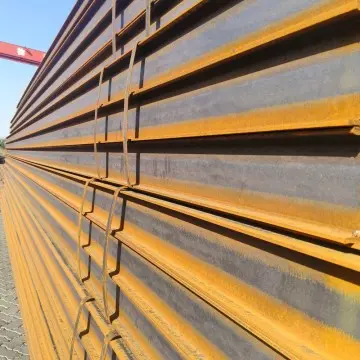
A36 / Q235 Grade Structural H-Beam Columns
Wide-flange heavy load-bearing structural members ideal for pipe racking, pump-house supports, and industrial infrastructure framing.
View Product Specs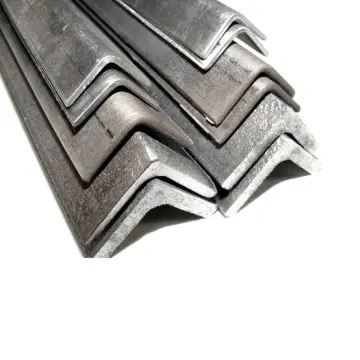
Perforated Galvanized Carbon Steel Angle Bar
Precision-punched slotted bracket systems tailored for MEP modular piping suspension, conduit routing, and seismic supports.
View Product Specs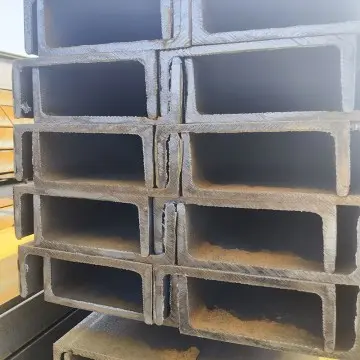
Hot Rolled Galvanized Channel Steel
Heavy-gauge zinc-passivated channels providing anti-deflection structural integrity for chemical processing pipelines.
View Product Specs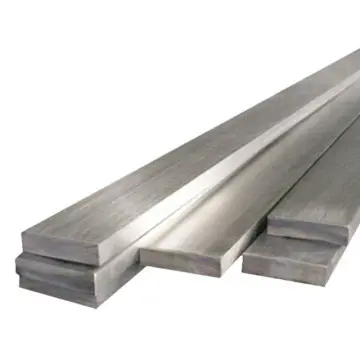
Hot Rolled Carbon Steel Flat Bar
High weldability ground and earthing flat profiles, easily formed for mechanical pipe clamping collars and industrial anchoring.
View Product Specs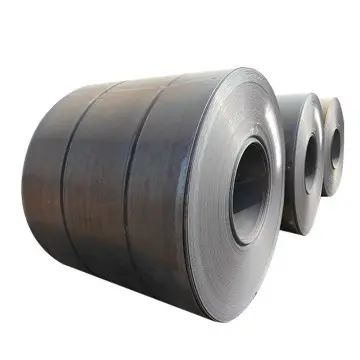
Q235B / Q345B Carbon Steel Coils
Hot rolled coil substrate formulated for continuous spiral pipe forming, ERW structural tubes, and containment enclosures.
View Product Specs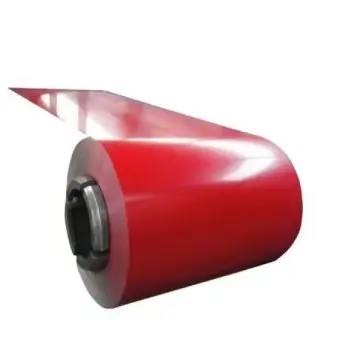
Double-Coated Prepainted PPGI Steel Coils
Fluorocarbon-coated sheeting delivering maximum weatherability and insulation claddings over outdoor piping networks.
View Product Specs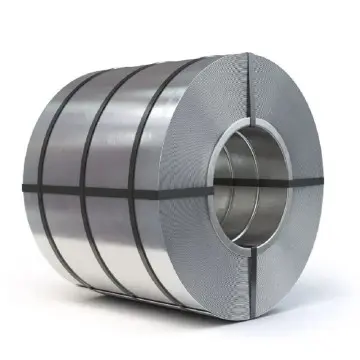
DX51D+Z Continuous Galvanized Coils
High ductile sheet steel certified to EN 10346, engineered for ducting jackets, HVAC manifolds, and protective pipeline wraps.
View Product Specs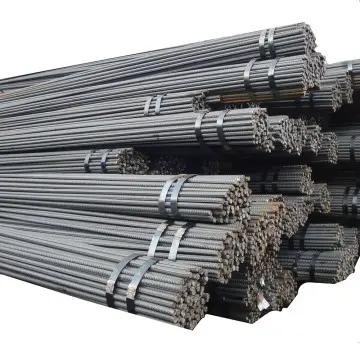
High-Tensile Deformed Concrete Rebar
Ribbed reinforcement carbon steel bar indispensable for concrete culverts, reservoir foundations, and water treatment tanks.
View Product SpecsPolypropylene Random Copolymer Pipe: Macromolecular Architecture & Hydrostatic Resilience
A technical breakdown of why Polypropylene Random Copolymer (PPR Type 3) has replaced metallic and brittle polyolefin conduits in high-stress municipal, residential, and industrial fluid systems.
Random Polymerization Kinetics
Unlike homopolymers (PP-H) or block copolymers (PP-B), PPR is synthesized through a low-pressure fluidized catalytic copolymerization process where ethylene monomer units (typically 2.0% to 4.5% by weight) are statistically distributed across the propylene backbone. This disordered chain conformation suppresses excessive crystallization, granting the pipeline extraordinary impact absorption at temperatures down to -10°C while preventing rapid crack propagation (RCP).
Thermal & Creep Rupture Dynamics
Engineered in compliance with DIN 8077/8078 and ISO 15874, HZXY's PPR pipes provide continuous 50-year service life at 70°C with internal operating pressures up to 1.0 MPa (PN10/PN16/PN20/PN25 ratings). During emergency operational spikes, our multi-layer fiberglass-reinforced (PPR-FR) and aluminum-barrier composites tolerate short-term peaks up to 95°C without creep cavitation or delamination.
Molecular Homogeneous Fusion (Socket Welded)
Joint failures represent over 80% of plumbing insurance claims globally. PPR pipes resolve this via thermofusion socket, butt, or electrofusion joints. Heating the fitting and pipe surface to 260°C (+/- 10°C) causes the semicrystalline matrices to interdiffuse within 4 to 8 seconds. Upon cooling, the joint becomes a monolithic molecular continuum, completely eradicating O-ring rot, mechanical thread leaks, and biological biofilm niches.
Unrivaled Scale: China's Industrial Mega-Supply Chain Advantage
Why Tier-1 international contractors and wholesale buyers achieve 18-28% net procurement savings through our integrated factory ecosystem.
Petrochemical Polymer Sourcing
Operating inside Tianjin's specialized cluster enables pipeline direct access to virgin polymer feedstocks (Sinopec, PetroChina, Borealis RA130E, and Hyosung R200P). We eliminate intermediaries, ensuring melt flow rate (MFR) consistency between 0.20-0.35 g/10min (230°C/2.16kg) with zero recycled regrind contamination.
1,500-Acre Multi-Material Consolidated Shipping
Procuring from HZXY means you can combine polypropylene random copolymer pipes, hot-dip galvanized structural profiles, deformed bars, and brass valve fittings into a single consolidated ocean container. This minimizes port handling charges, streamlines single-bill-of-lading (B/L) customs clearance, and lowers transit insurance burdens.
Tianjin Port Maritime Connectivity
Situated within Daqiuzhuang Industrial Zone, our transport radius to Tianjin Xingang Port is under 60 minutes. Direct express berths connect directly to Rotterdam, Jebel Ali, Lagos, Santos, and Singapore, guaranteeing standard lead times of 7-14 business days from order confirmation to vessel loading.
Full Traceability, Potable Safety & Local Market Approvals
Meeting and surpassing the world's most rigorous civil engineering health covenants, toxicological thresholds, and hydrostatic pressure metrics.
Potable Water Hygiene (NSF/WRAS/DVGW)
HZXY PPR conduits contain zero heavy metal stabilizers (lead, cadmium, or organotins). Materials undergo continuous cytotoxicity and organoleptic testing to guarantee zero taste, odor, or chemical migration, meeting NSF/ANSI 61, British WRAS, and German DVGW W270 potable drinking water certifications.
Hydrostatic Stress Verification
Every extrusion batch is subjected to ISO 1167 long-term hydrostatic pressure validation: 20°C @ 16.0 MPa for 1 hour, 95°C @ 3.5 MPa for 1,000 hours, and 110°C @ 1.9 MPa for 8,760 hours (equivalent to full 50-year extrapolation curves). Mill Test Certificates (MTC) EN 10204 3.1 accompany every single export shipment.
Bespoke OEM / ODM Tolerances
From custom metric sizing (20mm through 160mm) and Imperial IPS transitions to color-coded multi-layer lines (Green for potable, White for export, Blue for chilled water, and Grey for greywater harvesting), our CNC tooling setups allow rapid tooling switches with ultra-tight tolerance limits (±0.2mm wall concentricity).
HZXY Polypropylene Random Copolymer Engineering Matrix
Comprehensive comparative specifications according to DIN 8077/8078 and ISO 15874 structural pipeline classification.
| Physical / Mechanical Property | Testing Standard | PPR Type 3 (Potable Cold/Hot) | PPR-FR (Fiberglass Reinforced) | PPR-AL (Stabi Aluminum Composite) |
|---|---|---|---|---|
| Density (g/cm³) | ISO 1183 | 0.900 - 0.910 | 0.940 - 0.965 | 1.150 - 1.250 |
| Melt Mass-Flow Rate (MFR) | ISO 1133 (230°C/2.16kg) | 0.25 - 0.35 g/10min | 0.25 - 0.35 g/10min | 0.25 - 0.35 g/10min |
| Linear Thermal Expansion (α) | DIN 53752 | 0.15 mm/(m·K) | 0.035 mm/(m·K) [-75%] | 0.030 mm/(m·K) [-80%] |
| Thermal Conductivity (λ) | DIN 52612 | 0.24 W/(m·K) | 0.26 W/(m·K) | 0.45 W/(m·K) |
| Modulus of Elasticity (MPa) | ISO 527 | 800 - 900 | 1200 - 1400 | 2200 - 2500 |
| Continuous Max Operating Temp | ISO 15874 Class 1/2 | 70°C (Emergency: 95°C) | 80°C (Emergency: 95°C) | 85°C (Emergency: 95°C) |
| Oxygen Permeability | DIN 4726 | Standard Diffusion | Reduced Diffusion | 100% Oxygen Impermeable (0.0 mg/l·d) |
Localized Application Scenarios & Project Deployments
Field-proven versatility from hyper-sanitary pharmaceutical plants to municipal radiant cooling towers.
High-Rise Potable Water Reticulation
Zero-scaling hydraulic interiors sustain friction coefficient (Hazen-Williams C=150) for decades. Eliminates lime and calcium encrustations common in copper or cast-iron lines, decreasing hydraulic pump wattage consumption by up to 14%.
District Hydronic Radiant & HVAC
By leveraging our 3-layer PPR Fiberglass Composite (PPR-FR), contractors achieve structural rigidity comparable to metal pipe with only a fraction of the thermal expansion. Ideal for high-temperature underfloor manifolds and rooftop chiller coils.
Aggressive Chemical & Effluent Transport
Inert non-polar polymer properties provide total resistance to pH 1 through pH 14 acidic/basic effluents, saline brine, demineralized water, and abrasive slurries found across galvanizing lines, mining leaching, and industrial paper plants.
Macro-Trends Driving PPR Pipe Market Dominance
The global piping landscape is experiencing an accelerated technological migration away from legacy metallurgy towards engineered polymeric copolymers.
Low Embedded Carbon (LEED v4.1 Alignment)
The smelting and galvanizing of steel or electrolytic refining of copper generates massive CO2 footprints. In contrast, PPR resin extrusion consumes less than 35% of the total embodied energy required for metallic equivalents, substantially elevating Green Building and LEED rating compliance.
Prefabricated Pre-Insulated Modules
Construction labor costs in Europe, North America, and Australia have triggered huge demand for pre-fabricated PPR spools. HZXY factory facilities execute robotic cutting, flanging, and insulation wrapping under cleanroom conditions, shrinking on-site mechanical installation schedules by over 40%.
Antimicrobial & Self-Cleaning Nanotech
HZXY R&D is pioneering nano-silver and zinc-doped inner-layer extrusions. These polymer additives dismantle bacterial cell walls on contact, stopping 99.9% of Legionella and Pseudomonas aeruginosa proliferation inside hospital and nursing home water grids.
Featured Industrial Piping & Structural Materials (Batch 2)
Complete project bill of materials: Combine your Polypropylene Random Copolymer orders with heavy-duty galvanized structural tubulars and flow control fittings.
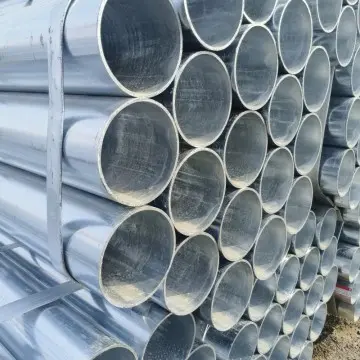
Galvanized Scaffolding Steel Pipe
Hot-dip zinc structural pipes optimized for safe exterior falsework, industrial staging, and heavy piping support towers.
View Product Specs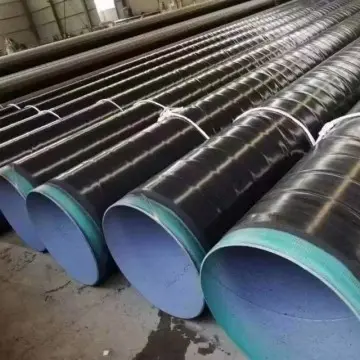
High-Strength Anti-Corrosion Steel Pipe
Fusion-bonded epoxy and multi-layer polyethylene external coatings for buried utility transport and corrosive environments.
View Product Specs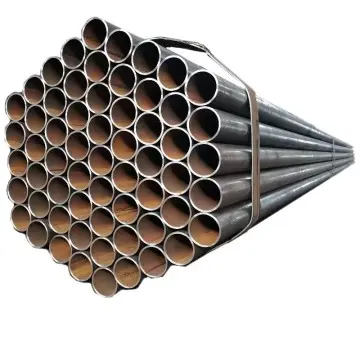
In-Stock Black Carbon Steel Pipe
Precision square-cut and beveled-end black pipes suitable for welding directly into fire sprinkler networks and industrial steam circuits.
View Product Specs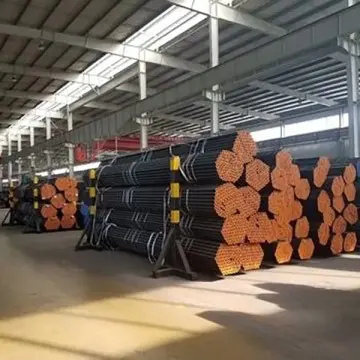
Color-Painted Anti-Corrosion Steel Pipe
Electrostatic powder-coated pipelines engineered for immediate field assembly without additional primer operations.
View Product Specs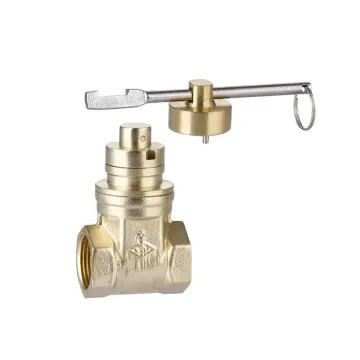
Pressure-Resistant Pipeline Valves
Industrial gate, ball, butterfly, and check valves matched directly to PPR and steel conduit flange configurations.
View Product Specs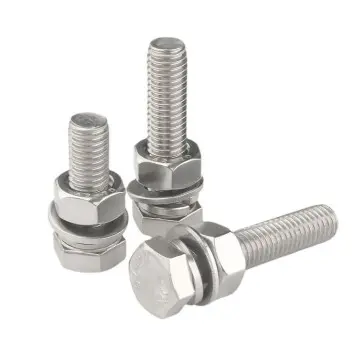
Custom Metal Construction Accessories
Fabricated pipe clamps, strut brackets, seismic anchor plates, and vibration-isolating mounting components.
View Product Specs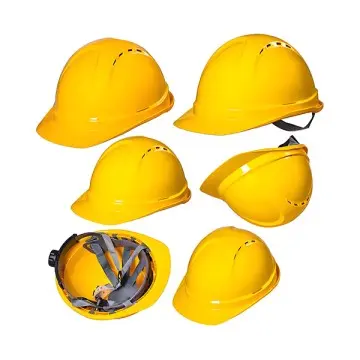
Industrial PPE & Worker Protection
Heavy-duty site safety gear to complement construction and installation work crews across overseas infrastructure hubs.
View Product Specs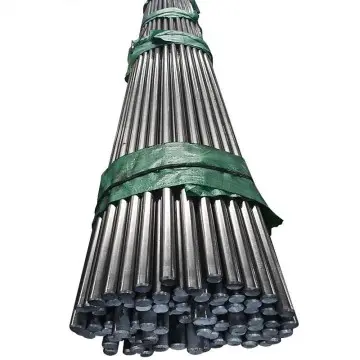
Galvanized Plain Round Carbon Bar
Uniform diameter corrosion-resistant round bars manufactured for high-durability anchor bolts and mechanical linkage shafts.
View Product SpecsInside the HZXY Manufacturing Complex
Take an inside look at our 1,500-acre modern production base in Daqiuzhuang, Tianjin, and Tangshan.
30 Years of Uncompromised Quality & Precision Extrusion
Headquartered in the Daqiuzhuang Industrial Zone of Jinghai District, Tianjin, Tianjin Huizhong Xinyu (HZXY) has engineered an integrated export hub combining raw resin testing, precision gravimetric extrusion, CNC cold/hot forming, and in-house laboratory hydro-burst analysis.
- Batchelor & KraussMaffei multi-layer high-speed extrusion lines
- Continuous ultrasonic wall thickness gauging (±0.05mm precision)
- Export logistics team with full L/C, CAD, and T/T banking credentials
Frequently Asked Questions for Global Procurement
In-depth technical and commercial answers regarding Polypropylene Random Copolymer pipe factory supply.
What is the definitive advantage of Polypropylene Random Copolymer (PPR Type 3) over PVC, PE-RT, and Copper?
Polypropylene Random Copolymer offers an optimal confluence of mechanical stiffness, high heat tolerance, and joint integrity. While standard PVC-U cannot handle fluid temperatures beyond 45°C, and PE-RT is prone to mechanical kinking at high pressures, PPR Type 3 easily handles continuous operation at 70°C (up to 95°C during short-term system anomalies). Compared to copper, PPR eliminates pitting corrosion, scale buildup, and electrolytic pinholes, while cutting raw material procurement budgets by up to 60%.
How does HZXY guarantee discount / wholesale pricing without sacrificing resin quality?
Our cost superiority is rooted in three foundational levers: first, our location in Tianjin's Daqiuzhuang Industrial Zone provides massive scale economy with annual capacities surpassing 10 million tons across structural and fluid lines. Second, we purchase virgin polymer resins in bulk train carloads directly from petrochemical refineries (Sinopec and PetroChina), locking in lowest-cost index feedstock without trader margins. Third, automated high-throughput extrusion lines minimize operator labor scrap rates below 0.3%.
Can international buyers consolidate steel beams, coils, and PPR pipes in the same shipment?
Yes. This is one of HZXY's unique advantages for overseas MEP and civil contractors. Because we manufacture and distribute structural steel (H-beams, angles, channels, deformed rebars), steel conduits, valves, and plastic building materials across our 1,500-acre facilities, you can easily load heavy steel profiles onto the floor of a 40ft HQ ocean container and pack lightweight PPR pipes on top. This drastically lowers total freight ton-mile expenses.
What certifications and Mill Test Reports (MTC) are delivered with export shipments?
Every shipment is furnished with comprehensive MTC EN 10204 3.1 documentation reflecting raw resin melt flow index (MFI), density, carbon black dispersion (for UV-stabilized lines), and tensile rupture elongation. In addition, third-party international inspections by SGS, BV, or TÜV can be facilitated directly at our Tianjin factory or loading port before container seal placement.
What are the lead times and container loading capacities for overseas destinations?
Standard pipeline diameters (20mm to 63mm) are continuously stocked in our Daqiuzhuang and Tangshan warehouses, enabling container stuffing within 7 business days. Custom thickness (SDR6, SDR7.4, SDR11) and multi-layer composites require 12 to 18 days for complete production runs. We ship primarily via Tianjin Xingang Port, with direct shipping lane sailings across Europe, the Middle East, Southeast Asia, Africa, and Latin America.
Explore Complete Production Classifications
Access our specialized category catalogs directly across profile types, alloys, and polymer materials.