
Primary Conduit, Piping & Containment Systems
Explore our top 8 industrial-grade electrical conduits, communication ducts, and matching utility infrastructure piping solutions kept in continuous year-round inventory.
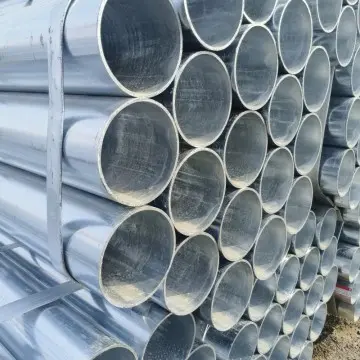
PVC Insulated Rigid Conduit Pipes
High-impact, flame-resistant electrical conduits engineered for commercial wiring containment and concrete encasement.
- Heavy Duty
- Flame Retardant
- 20mm–110mm
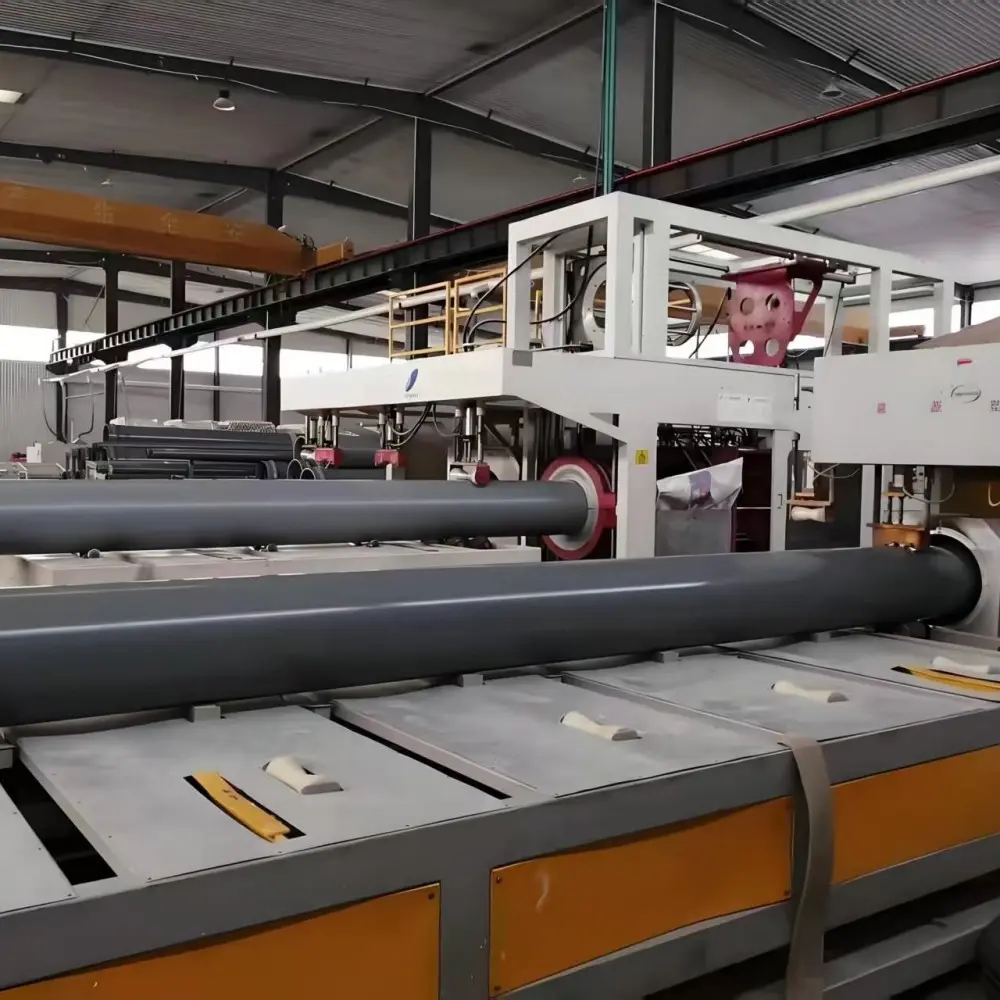
Plastic Building Materials & Conduit Fittings
Comprehensive polymeric junction boxes, conduit couplings, bends, and MEP plastic construction components.
- Molded Fittings
- Impact Resistant
- Full Standard
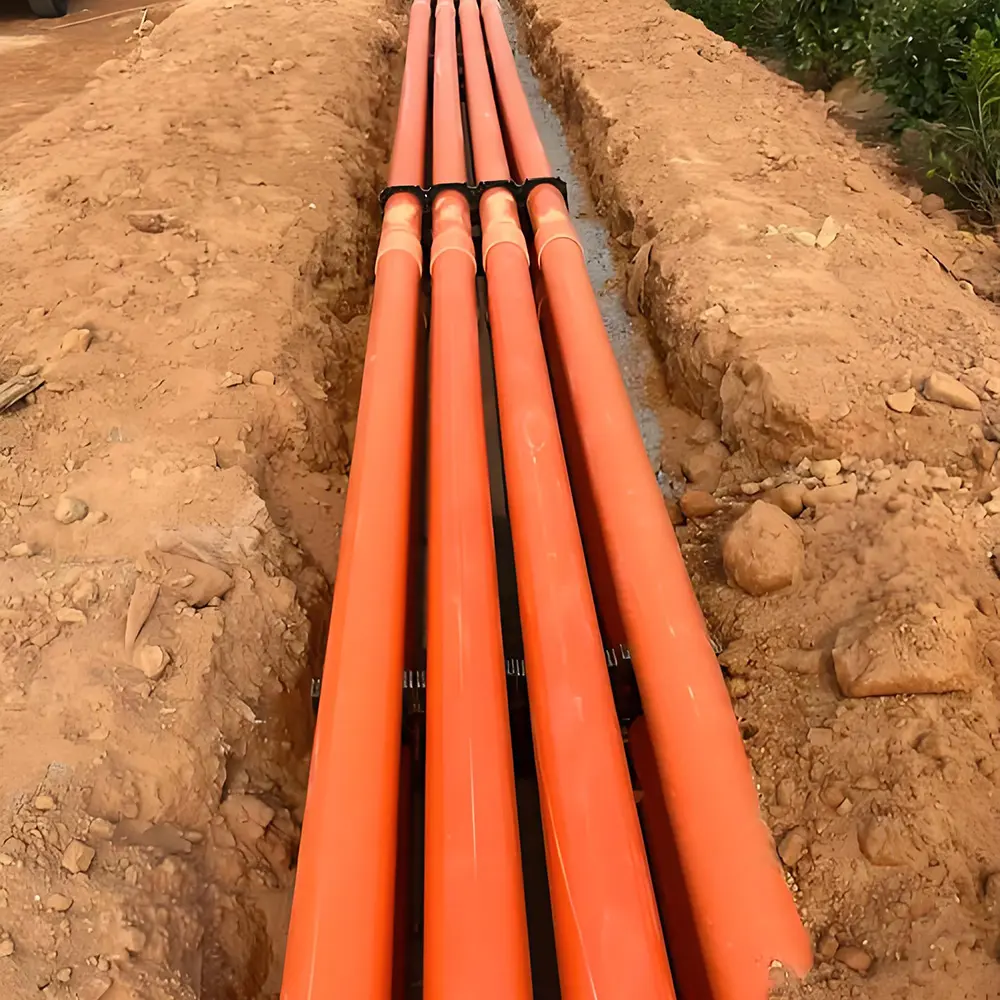
Communication & Fiber Duct Pipes
Silicone-core sub-ducts and multi-cell PVC conduits designed for high-density fiber optic telecommunication burial.
- Low Friction
- Telecom Grade
- Direct Burial
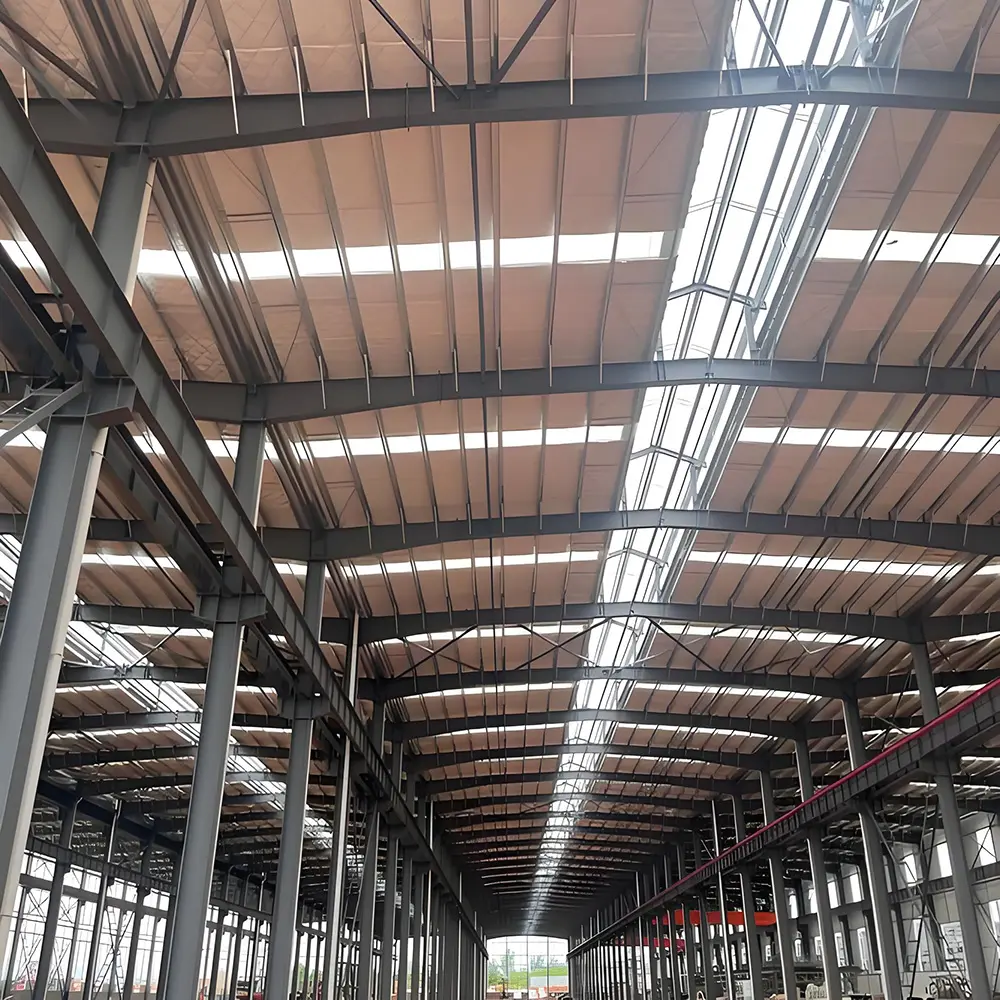
Heavy Drainage & Sump Conduit Systems
Large-bore uPVC gravity drainage and heavy-duty protective sleeving for subterranean power cable routing.
- Ring Stiffness SN4/SN8
- Chemical Proof
- DN50–DN630
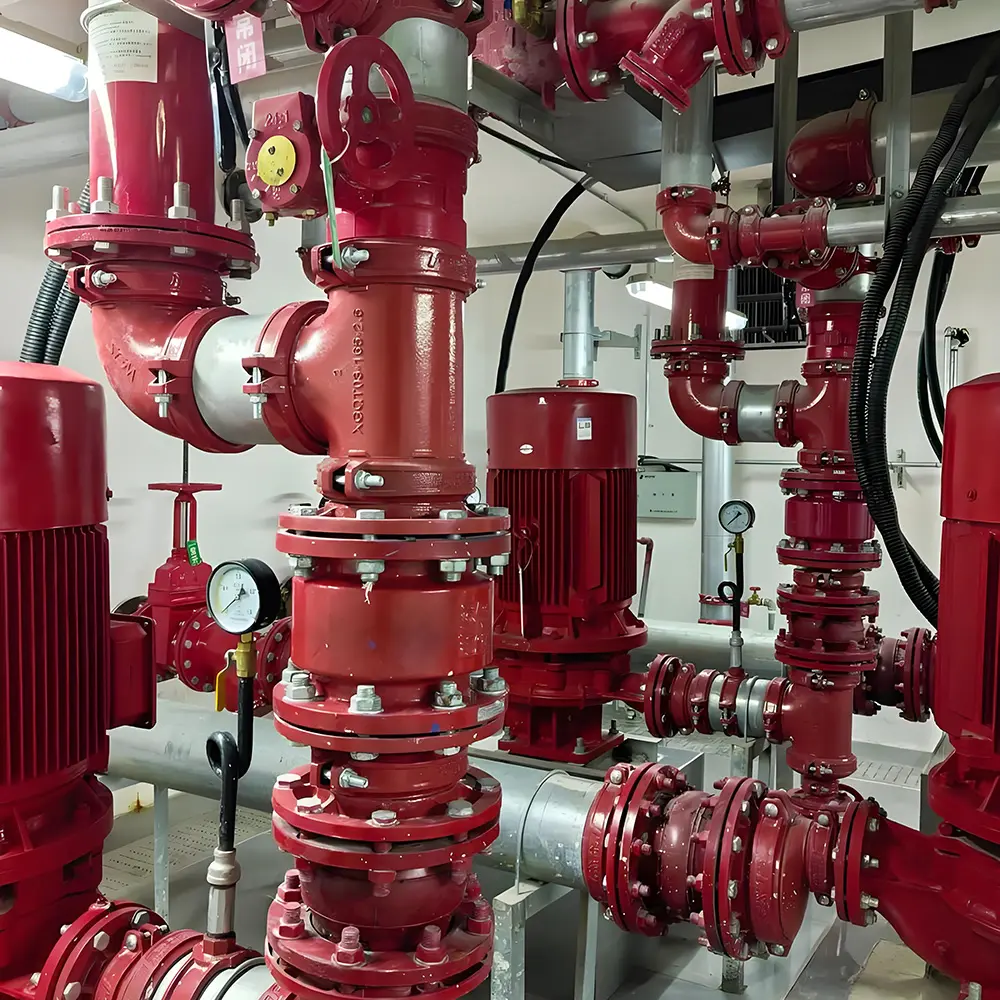
Pressure Water Supply & Cable Sleeving
PVC-M and PVC-O enhanced tenacity pipelines suitable for joint potable water supply and high-pressure fire loops.
- PN10–PN25
- Non-Toxic
- Zero Scaling
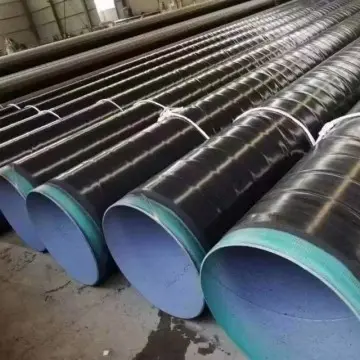
Gas Transmission & Hazard Protective Sleeves
Engineered polyethylene and reinforced casing pipes for gas utility crossings and critical electrical cable shielding.
- High Density
- Stress Crack Proof
- Gas Sealed
Galvanized Structural & EMT Conduit Steel Pipe
Hot-dip zinc-coated rigid steel conduit and scaffolding tubes for explosion-proof and severe industrial wiring containment.
- HDG Coated
- Threaded Ends
- Extreme Toughness
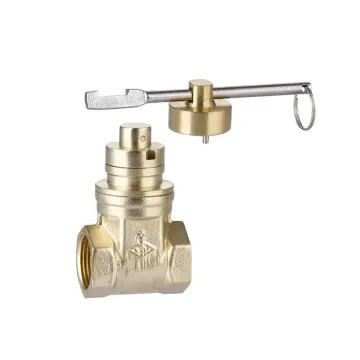
Industrial Valves & Pipeline Accessories
Gate, butterfly, check, and ball valves engineered to integrate seamlessly into complete municipal, HVAC, and power utility grids.
- ANSI / DIN
- Cast & Ductile Iron
- High Pressure
The China Manufacturing Advantage: Economies of Scale & Supply Chain Resilience
An authoritative engineering analysis of why top-tier EPC contractors, industrial electrical wholesalers, and utility ministries consolidate their rigid PVC insulated conduit requirements directly with Chinese production bases.
In modern industrial and commercial infrastructure development, the integrity of the electrical wire management system determines the lifecycle safety, fire resilience, and maintenance operational expenditure of the entire asset. Rigid polyvinyl chloride (uPVC) insulated conduit has systematically superseded conventional metal tubing across a massive spectrum of global electrical installations. The fundamental drivers include absolute corrosion immunity, superior dielectric strength exceeding 25 kV/mm, self-extinguishing flame retardancy, and dramatic weight reductions that accelerate jobsite throughput. However, securing certified, uniform-gauge, and chemically stable discount PVC insulated conduit requires engaging directly with primary manufacturing ecosystems that command vertical polymer synthesis and automated multi-cavity extrusion.
Vertical Compound Integration
By blending high-purity virgin suspension PVC resins with specialized non-heavy metal organotin heat stabilizers, chlorinated polyethylene (CPE) impact modifiers, and micronized calcium carbonate, our Daqiuzhuang extrusion workshops maintain absolute control over wall density, impact ductility, and long-term tensile endurance.
Direct-to-Mill Cost Arbitrage
Procuring discount PVC insulated conduits directly from Tianjin Huizhong Xinyu (HZXY) eliminates secondary trading markups, regional distributor commissions, and fragmented port handling surcharges. Tier-1 engineering contractors realize documented cost reductions of 22% to 35% on complete bills of materials.
Consolidated Mixed-Cargo Logistics
Unlike single-line plastic extruders, our dual production bases across Tianjin and Tangshan integrate structural steel profiles, rebar, galvanized conduits, flat bars, and valves. Buyers consolidate divergent structural and electrical MEP lines into single sea-freight manifests, minimizing port detention and clearance overhead.
Information Gain: Microstructure Densification & UV Stabilization
A critical engineering failure in discounted electrical conduits from secondary suppliers is thermal brittleness caused by excessive calcium carbonate loading (>35%) and poor gelation. HZXY implements closed-loop twin-screw extrusion with continuous ultrasonic wall-thickness scanning and additions of rutile-grade Titanium Dioxide (TiO₂ ≥ 2.5%), ensuring full resistance to photolytic UV degradation even under extreme equatorial ambient exposure.
International Specification Cross-Reference & Physical Thresholds
Harmonized performance metrics bridging Chinese National Standards (GB), American Testing Standards (ASTM/UL), European Norms (EN/IEC), and Australasian Codes (AS/NZS).
Procurement teams serving multinational joint-venture infrastructure frequently navigate complex cross-border engineering specifications. Our dedicated technical testing laboratories certify every extrusion run to conform to the precise mechanical, thermal, and electrical metrics required by major world certifying bodies.
| Classification Parameter | Chinese Standard (GB/T 14823.1) | American Standard (UL 651 / NEMA TC-2) | European Standard (BS EN / IEC 61386-21) | Australasian Standard (AS/NZS 2053) |
|---|---|---|---|---|
| Nominal Sizing Range | 16mm to 110mm Outer Diameter | 1/2" to 6" IPS (Schedule 40 & 80) | 16mm to 63mm Metric Conduits | 16mm to 63mm Heavy Duty |
| Dielectric Breakdown Voltage | ≥ 25.0 kV/mm (at 50 Hz) | ≥ 20.0 kV/mm (Dry test) | ≥ 2.0 kV for 15 min breakdown resistance | ≥ 2.0 kV electric strength test |
| Flame Retardancy & LOI | LOI ≥ 32% (Self-extinguishing < 30s) | UL 94 V-0, Flame Spread < 25 | IEC 60695 Glow-wire 850°C self-extinguish | Non-flame propagating compliance |
| Compressive Strength Class | Medium (750 N) / Heavy (1250 N) | Schedule 40 (Standard) / Sch 80 (Severe) | Class 3 (750 N) / Class 4 (1250 N) | Medium Duty / Heavy Duty (> 1250 N) |
| Impact Resistance (-15°C) | Heavy: 2.0 kg drop at 100mm, 0 fractures | NEMA TC-2 Drop Weight Test Passed | Heavy Impact Class 4 (2.0 kg / -15°C) | Heavy Impact classification certified |
| Continuous Temperature Range | -15°C to +65°C continuous | Rated for 90°C conductors, ambient 50°C | -15°C to +60°C operating class | -15°C to +65°C rated thermal bounds |
Macro Industry Trends: Next-Generation Polymeric Conduits
How evolving building safety mandates, carbon neutrality initiatives, and automated construction methods are revolutionizing the PVC conduit manufacturing landscape.
Low Smoke Zero Halogen (LSZH) Hybrids
While standard uPVC exhibits exceptional flame self-extinguishing capabilities, high-occupancy transit hubs, subterranean subways, and data centers are aggressively specifying Low Smoke Halogen-Free (LSZH) polypropylene and PVC-polyurethane alloy conduits to completely eliminate corrosive hydrochloric acid gas emissions during fire thermal events.
Co-Extrusion Layering Technologies
Modern extrusion lines increasingly utilize tri-layer co-extrusion technology. The inner layer incorporates low-friction silicone slip additives allowing effortless wire pulls over long runs without lubricants. The middle core utilizes recycled uPVC structural mass for carbon reduction, while the outer skin integrates UV-blocking stabilizers and specialized color identification pigments.
BIM Prefabrication & Pre-Bent Assemblies
In response to severe jobsite skilled labor shortages across Europe, North America, and Australia, industrial buyers are transitioning away from field-bending conduits. HZXY supplies factory-molded sweep elbows, expansion joints, and pre-formed bell ends matched down to millimeter tolerances based on Building Information Modeling (BIM) structural schedules.
Mission-Critical Deployment Scenarios Across Global Sectors
Engineered for endurance in subterranean concrete embeds, extreme outdoor solar arrays, corrosive coastal environments, and high-density industrial plants.
High-Rise Slab & Column Embedment
During the pouring of structural concrete slabs, conduits are subjected to immense hydrostatic pressures and aggressive mechanical aggregate vibration. Our heavy-duty GB/T Class 4 and UL Schedule 40 conduits provide the flexural elasticity needed to withstand workers walking on unpoured rebar grids without crushing or wall collapse.
Utility-Scale Photovoltaic Farms
Desert and high-altitude solar power installations demand conduit lines capable of enduring intense UV radiation index values exceeding 11+ and extreme diurnal thermal expansion cycles (-20°C nighttime frost to +60°C surface daytime heat). Our UV-stabilized rigid PVC lines prevent chalking, cracking, and water ingress.
Chemical & Marine Industrial Facilities
Metallic electrical metallic tubing (EMT) fails catastrophically within 24 to 36 months in coastal salt-spray atmospheres, fertilizer factories, and wastewater treatment plants due to galvanic oxidation. Non-metallic uPVC conduit is entirely inert to acids, alkalis, hydrogen sulfide gases, and saline mist, extending system lifespan beyond 50 years.
Subterranean Power Utility Trenching
Municipal power distribution grids utilize multi-way conduit banks encased in lean concrete or direct-buried under roadways. Featuring ring-stiffness ratings exceeding 8 kN/m² and bell-and-spigot solvent-welded joints, our heavy-bore conduits create completely hermetic conduits immune to tree root invasion and groundwater penetration.
Global Corporate Procurement Optimization & Quality Control
Overcoming container dead-freight limits, ensuring zero-defect quality assurance, and coordinating turn-key bills of materials from Daqiuzhuang to 50+ countries.
Nested Conduit Shipping Strategy
Plastic pipes inherently incur "air freight penalties" inside 40ft High Cube containers due to their hollow profile. HZXY provides an engineered nesting packing sequence: 20mm conduits are placed inside 32mm pipes, which are packed inside 50mm and 110mm conduits, or nested directly within structural steel tubes, reducing ocean freight costs per meter by up to 48%.
Mill Test Certification & SGS Audits
Every export consignment ships with comprehensive physical and chemical laboratory test reports (MTR). Our facilities facilitate unhindered pre-shipment third-party inspections by global certification bodies including SGS, Bureau Veritas, Intertek, and TÜV Rheinland for wall thickness verification, VICAT softening points, and spark testing.
Full EPC Package Consolidation
By leveraging our 1,500-acre Daqiuzhuang production ecosystem, overseas buyers simultaneously source electrical PVC conduits, H-beam framing steel, deformed reinforcement bars, galvanized scaffolding tubes, and municipal valves under a unified Letter of Credit (L/C) or T/T framework, dramatically compressing supplier management risk.
Frequently Asked Questions by Global Engineering Buyers
In-depth technical answers addressing material compounding, dimensional standards, field bending, customs documentation, and logistics consolidation.
What is the exact chemical formulation distinction between standard PVC drainage pipe and PVC insulated electrical conduit?
While both products utilize polyvinyl chloride polymer as their foundational resin, electrical insulated conduit requires unplasticized virgin polymer (uPVC) compounded with specialized additives. Electrical conduit formulations eliminate plasticizers to maximize mechanical stiffness and feature advanced flame retardants to guarantee an Oxygen Index (LOI) of ≥ 32%, conforming to UL 94 V-0.
Furthermore, electrical conduits require non-heavy metal organotin heat stabilizers to prevent thermal decomposition under high operating electrical loads and higher dosages of chlorinated polyethylene (CPE) impact modifiers to allow cold bending without shattering. Standard drainage pipes prioritize hoop stiffness and chemical corrosion resistance but lack the extreme dielectric strength (>25 kV/mm) and spark breakdown resistance engineered into certified electrical conduits.
How can overseas buyers verify that discount PVC conduits meet international quality standards without expensive on-site visits?
We provide full transparency through multiple verification mechanisms. First, every production batch is documented with a Mill Test Certificate (MTC) detailing raw resin density, Vicat softening temperature (typically ≥ 82°C), tensile yield strength (≥ 40 MPa), and spark testing results. Second, we routinely facilitate pre-shipment inspections (PSI) conducted by internationally accredited third-party auditing firms such as SGS, Bureau Veritas, or Intertek at our Tianjin and Tangshan production sites.
Third, we supply physical sampling kits via express courier for pre-production mechanical crush testing, solvent-weld compatibility checks, and color matching. Our sales contracts include precise compliance clauses keyed to ASTM, IEC, or GB specifications with formal warranty commitments.
Can rigid PVC insulated conduits be bent on-site, and what are the allowable bending radius parameters?
Yes. Conduits up to 25mm (or 1" IPS) can be cold-bent using internal bending springs inserted into the conduit bore to prevent ovalization and wall kink. For larger diameters (32mm to 110mm / 1-1/4" to 4"), controlled thermal bending using electric heating blankets or hot air blowers (heating the zone uniformly between 110°C and 130°C) is required.
Under international standards (such as NEC Article 352 and IEC 61386), the minimum centerline radius of field bends must not be less than 6 times the nominal conduit diameter for conductors without lead sheathing, ensuring smooth cable pulls without conductor abrasion.
How does HZXY maximize container utilization when shipping lightweight, voluminous conduits alongside heavy structural steel?
Our loading planners utilize specialized volumetric nesting software to balance container gross mass and cubic meter capacity. In mixed-material orders, high-density steel products (such as H-beams, flat steel bars, and deformed rebar) are arranged at the bottom of the container within allowable axle weights. Lightweight PVC conduits and communications sub-ducts are then loaded into the upper spaces.
Additionally, we perform "telescopic bundling," inserting smaller diameter PVC pipes inside larger pipes (e.g., 20mm inside 32mm inside 50mm). This reduces dead shipping volume by up to 50%, translating to significant ocean freight savings per linear meter.
What are the key trade documentation requirements when importing conduits and structural products from Tianjin Port?
Exporting from Tianjin Port requires meticulous documentation to streamline destination customs clearance. Our trade division prepares complete document sets including: Commercial Invoice (cleanly itemizing HS Codes such as 3917 for PVC pipes and 7216 for structural steel), Detailed Packing Lists (specifying bundle counts, net/gross weights, and nested dimensions), Full Clean on Board Ocean Bills of Lading, Certificate of Origin (including Form E, Form F, or RCEP certificates for preferential tariff treatment), and Mill Test Certificates.
Depending on the importing territory, we also coordinate destination-specific conformity documentation like SASO Saber (Saudi Arabia), SONCAP (Nigeria), or CE compliance declarations.
Can HZXY manufacture PVC conduits in custom project colors and custom length specifications?
Yes. While industrial white, light electrical gray (RAL 7035), and dark gray are our primary stock colors, our continuous compounding lines can produce custom colors based on client-provided RAL references (such as orange for high-voltage circuits, red for emergency fire systems, and blue for data lines). Standard export lengths are 2.9 meters, 3.0 meters, 5.8 meters, or 6.0 meters (optimized to match 20ft and 40ft container internal clear lengths), but custom cut-to-length services are readily provided.
Turn-Key Project Package Consolidation Products
Combine electrical conduit consignments with primary structural profiles, merchant steel bars, and coil products directly from our 10-million-ton Tianjin & Tangshan mills.
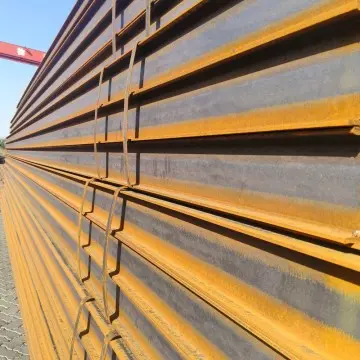
Structural Steel H-Beams & Wide Flanges
Hot-rolled universal beams and columns for heavy warehouse framing, bridge girders, and commercial superstructure frameworks.
- Q235B / Q355B
- A36 / S235JR
- Cut-to-Length
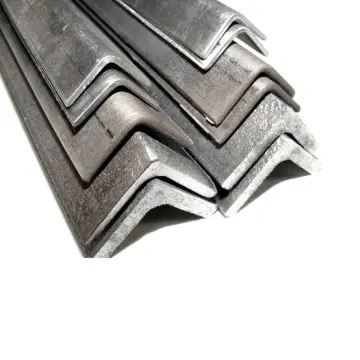
Equal & Unequal Carbon Steel Angle Bar
Galvanized and mill-finish angle iron for electrical tower fabrication, truss framing, and conduit mounting brackets.
- Equal / Unequal
- Galvanized
- Perforated
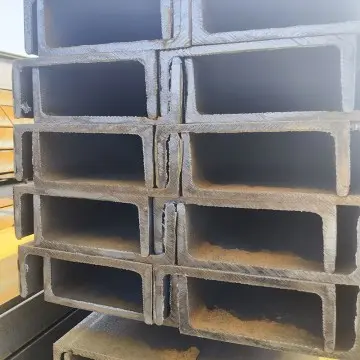
Hot Rolled Galvanized Channel Steel
Structural U-channels and C-channels for purlins, equipment foundation skids, and industrial mezzanine framing.
- UPN / UPE
- Zinc Coated
- High Load
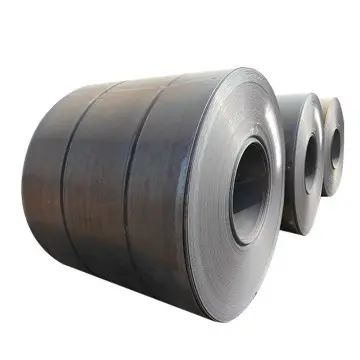
Prime Carbon & Galvanized Steel Coils
Q235B, Q345B, DX51D, and PPGI prepainted color-coated coils suitable for roll-forming, conduit clamps, and roofing.
- HR & CR Coil
- Slitting Available
- Zinc 40-275g
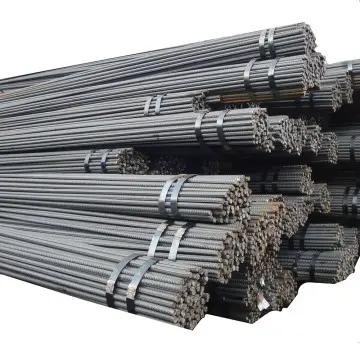
Deformed Steel Concrete Rebar (6mm–40mm)
High-tensile ribbed rebar bundles (HRB400, HRB500, ASTM A615 Gr 60) for heavy civil foundation slabs and bridges.
- High Tensile
- Standard Bundles
- Mill Tagged
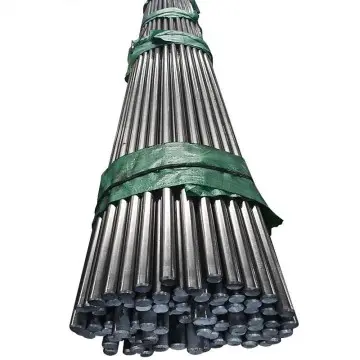
Galvanized Plain Round & Solid Square Bar
Corrosion-resistant smooth steel bars for machinery shafts, grounding rods, anchor bolts, and site fabrication works.
- Hot-Dip Galvanized
- SAE1008 / SAE1080
- Accurate Tolerances
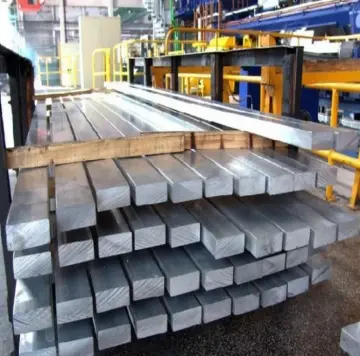
Hot-Dip Galvanized Structural Flat Bar
Anti-corrosion flat steel strips (3mm to 60mm thickness) for lightning protection, electrical grounding grids, and brackets.
- Q235B / Q355B
- High Zinc Layer
- 6m Standard
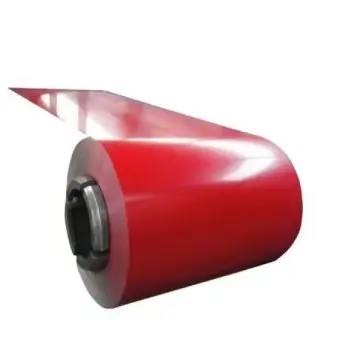
High-Demand Hot Products & Quotes
Access our continuously replenished warehouse stock of PPGI coils, square tubing, structural profiles, and plastic piping.
- Fast Dispatch
- Factory Wholesale
- Global Specs
Trusted by Prestigious Megaprojects Across the Globe
Our consolidated materials, structural steels, and pipe systems have contributed to world-class aviation, sports, bridge, and government infrastructure.
Beijing Daxing International Airport
Delivered comprehensive structural profile sections, piping systems, and technical valves for utility hubs in one of the world's largest single-terminal aviation complexes.
Jiaozhou Bay Marine Sea Bridge
Engineered corrosion-resistant structural steel and protective conduits operating continuously in severe saline marine exposure conditions.
Beijing National Stadium (Bird's Nest)
Fabrication-grade heavy steel elements, long sections, and reliable utility MEP conduits delivered according to strict zero-defect Olympic standards.