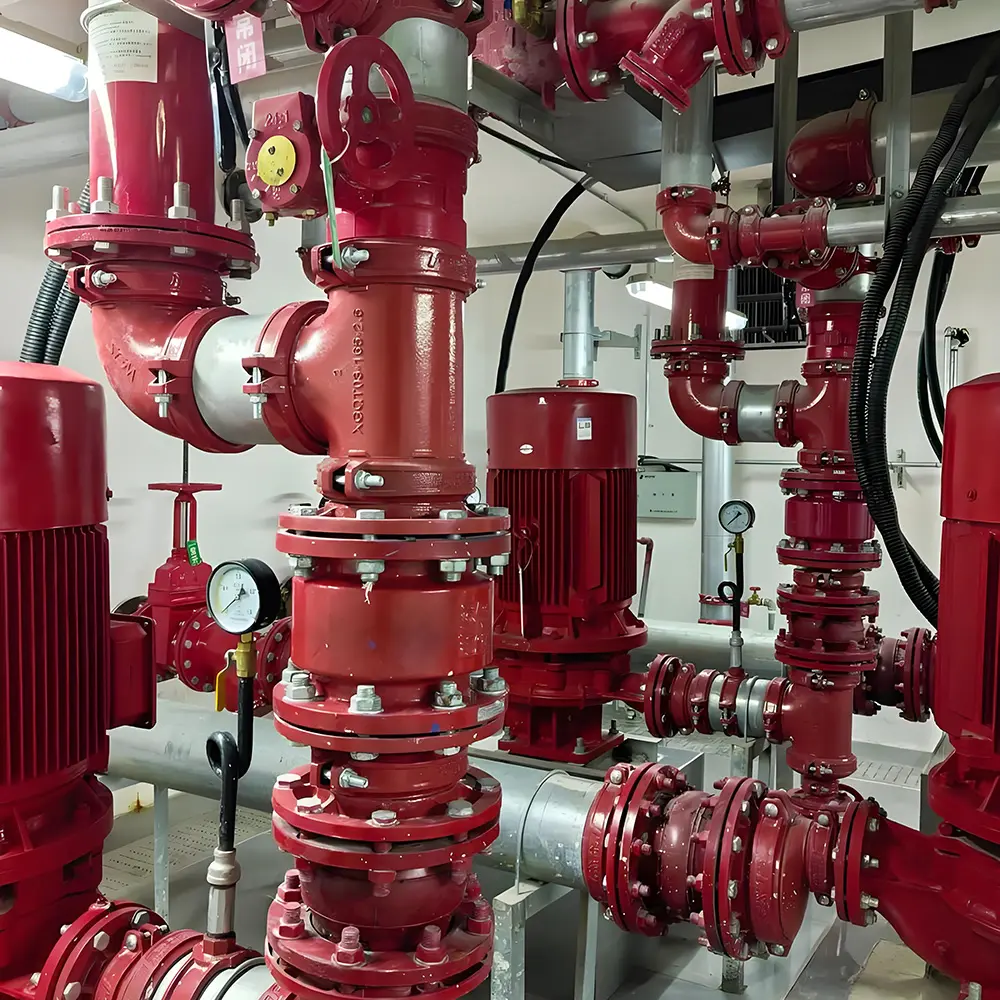
Core Structural & Pipeline Manufacturing Roster
Factory-direct structural steel profiles, high-pressure composite conduit systems, and fluid management lines engineered to EN, ASTM, and GB industrial metrics.
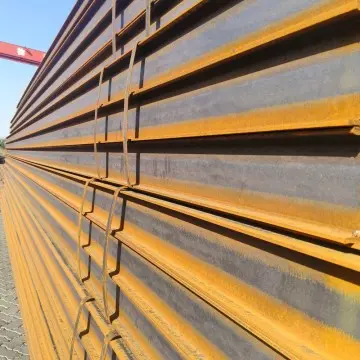
A36 / Q235 Grade Structural H-Beam
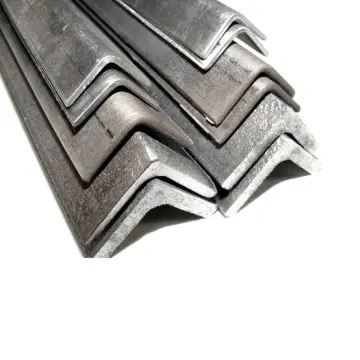
Perforated Galvanized Angle Bar
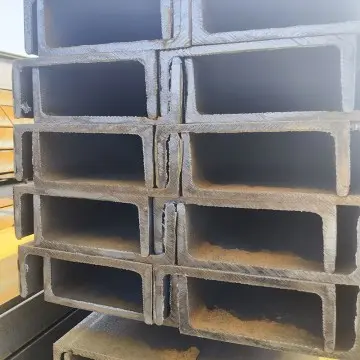
Hot Rolled Galvanized Channel Steel
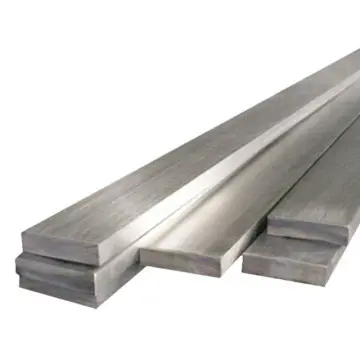
Hot Rolled Q235B Solid Flat Bar
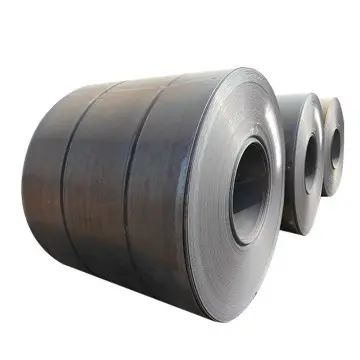
Q235B / Q345B Hot Rolled Steel Coil
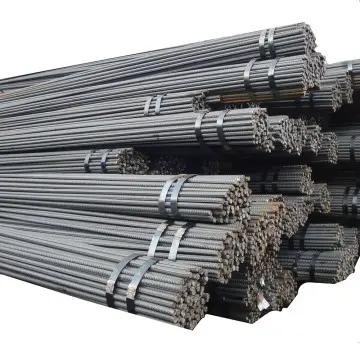
Deformed Concrete Rebar 6mm–12mm
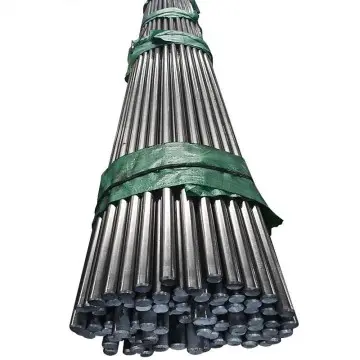
Galvanized Plain Round Bar
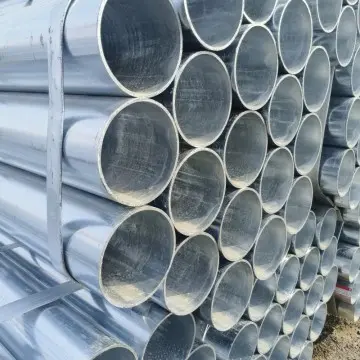
Load-Bearing Galvanized Steel Pipe
Anatomy of Steel Wire Mesh Reinforced Polyethylene Composite Pipes
Steel Wire Mesh Reinforced Polyethylene Pipe (SRPE / SRHDPE) overcomes the traditional mechanical creep limitations of standard thermoplastic conduit while completely neutralizing the interior and exterior electrochemical rust vulnerability inherent to traditional carbon steel.
Helical High-Tensile Skeleton
Utilizes high-strength brass-coated or galvanized steel wire cross-spiraled and resistance-welded into a continuous mesh core. This framework absorbs up to 85% of continuous internal hydraulic hoop stresses, delivering exceptional operating pressure thresholds (PN 0.8 MPa to 3.5+ MPa) without excessive wall thickness.
Maleic Anhydride Grafted Adhesion
Delamination between non-polar HDPE and the high-modulus steel mesh is prevented via high-performance modified adhesive resins (such as maleic anhydride grafted PE). This achieves seamless molecular cross-linking, eliminating stress delamination risks across seismic deflection and dynamic water hammer.
Thermoplastic HDPE Matrix (PE100)
High-density polyethylene encapsulates the structural core both internally and externally. The glass-smooth internal bore guarantees a Hazen-Williams friction factor of C=150, curbing energy consumption during long-distance transmission while preventing scale, bacterial slime, and mineral deposition.
Technical Benchmarking: SRPE Composite Pipe vs Conventional Piping
| Engineering Attribute | Steel Wire Mesh Reinforced Pipe (SRPE) | Standard Solid Wall HDPE (PE100) | Ductile Iron Pipe (DIP) | Epoxy-Coated Carbon Steel Pipe |
|---|---|---|---|---|
| Hydrostatic Pressure Rating | PN 1.0 – PN 3.5+ MPa | PN 0.4 – PN 1.6 MPa (High thickness needed) | PN 1.6 – PN 4.0 MPa | PN 2.0 – PN 6.4+ MPa |
| Corrosion & Chemical Rust | Zero interior/exterior rust; no cathodics | Zero chemical corrosion | Vulnerable to soil acids; needs linings | Vulnerable to pinhole rust and cathodic breakdown |
| Weight Comparison (DN300) | Approx. 18-24 kg/m (Lightweight) | Approx. 32-40 kg/m (Thick SDR wall) | Approx. 65-75 kg/m (Heavy) | Approx. 55-70 kg/m (Heavy) |
| Tensile Creep Resistance | Immune: Continuous steel mesh carries load | Prone to long-term viscoelastic creep | Negligible creep | Negligible creep |
| Roughness Factor (Hazen-Williams) | C = 150 - 155 (Minimal pumping loss) | C = 150 | C = 130 - 140 (Degrades over service) | C = 120 - 130 (Degrades with tuberculation) |
| Joining Methodology | Electrofusion Coupler / Flanged Adaptors | Butt-Fusion or Electrofusion | Push-on Spigot / Mechanical Joint | Circumferential Welding |
Strategic Advantages of Sourcing SRPE from Chinese Manufacturing Clusters
Tier-one Chinese industrial piping clusters—predominantly concentrated in the Daqiuzhuang-Tianjin and Tangshan production corridors—provide unmatched procurement leverage, consolidating metallurgy, polymer processing, and shipping access.
Vertical Upstream Integration
Proximity to China’s highest-capacity steel manufacturing districts ensures immediate availability of certified high-carbon steel wire and structural strip. Sourcing raw wire directly from adjacent Tangshan wire rod mills eliminates inter-province freight markups, buffering global buyers against market price spikes.
Automated Co-Extrusion Tech
Modern Chinese extrusion plants deploy state-of-the-art multi-layer continuous winding lines. High-speed wire braiding, high-vacuum ultrasonic wall thickness gauges, and automated electrofusion fitting production minimize human intervention, delivering consistent yield adherence to CJ/T 189 and ISO standards.
Bespoke Engineering Customization
Engineers can order tailored internal wire mesh diameters, custom SDR pressure ratings, non-standard spool lengths (up to 12 meters or custom coils), and tailor-made electrofusion fittings with pre-embedded smart identification barcodes for error-free installation.
Consolidated Maritime Dispatch
Situated within an hour's drayage distance of Tianjin Xingang Port—one of Asia's primary deep-water shipping terminals—plants can bundle steel sections, valves, PVC lines, and SRPE pipes into optimized consolidated multi-product containers, dramatically reducing ocean freight costs.
Emerging Trends Shaping the Composite Reinforced Pipeline Industry
Driven by global carbon neutralization directives and increasing infrastructure rehabilitation projects, the reinforced composite piping sector is shifting rapidly toward intelligent, higher-pressure, and trenchless engineering paradigms.
Smart IoT Pipeline Monitoring
Embedding fiber-optic sensors and low-voltage conductive traces directly alongside the internal steel wire skeleton during co-extrusion. This enables real-time acoustic pipeline leak detection, ground strain monitoring, and automated cathodic diagnostics for municipal and industrial networks.
Trenchless Subsurface Installation
Urban horizontal directional drilling (HDD) and sliplining demand pipes capable of handling high tensile pulling loads without joint separation. The axial tensile resilience of steel wire mesh reinforced conduits prevents elongation, making them a preferred alternative for congested right-of-way retrofits.
Low-Carbon Thermoplastic Blends
Utilizing bio-circular polyethylene resins and optimizing steel mass fraction significantly decreases the embodied carbon footprint (kg CO2e per meter) of pipeline projects, qualifying installations for green building certifications and international sustainability ratings.
Localized Deployment Scenarios & Sectoral Solutions
From corrosive marine environments to high-pressure mining tailings, SRPE pipelines offer tailored fluid handling performance where standard metallic or plastic conduits fail.
Mining Tailings & Slurry Transport
Extreme interior abrasion from ore slurries, combined with rugged mountainous terrain, typically destroys unlined steel in months. The PE100 inner layer delivers 4x greater abrasion resistance than mild steel, while the wire mesh handles dynamic hydraulic pressure surges.
Municipal High-Pressure Water Mains
Metropolitan transmission trunks require high operating pressure (1.6 to 2.5 MPa) to overcome municipal elevation changes. SRPE delivers this rating at half the weight of ductile iron, drastically reducing crane requirements and heavy machinery operating costs.
Coastal Desalination & Sea Intake
Direct exposure to aggressive hypersaline marine environments causes fast galvanic failure on metallic pipelines. The continuous external HDPE jacket completely insulates the inner wire mesh against saltwater penetration without requiring cathodic anodes.
Petrochemical & Industrial Wastewater
Handling acidic, caustic, or hydrocarbon-rich trade effluents at elevated temperatures. The specialized chemical resistance of cross-linked polyethylene protects structural capacity against chemical degradation, keeping operations compliant with discharge regulations.
Municipal Underground Fire Mains
Underground fire protection lines demand complete joint integrity under high-pressure flow surges. With welded electrofusion couplings, SRPE forms a fully restrained, leak-proof piping network that resists soil settlement and seismic activity.
Agricultural Irrigation & Land Reclamation
Rugged desert farming and saline-alkali land distribution require light, durable, high-pressure pipes. SRPE withstands uneven ground compaction, thermal variations, and ground movement without brittle fractures or crack propagation.
International Procurement Guide: Essential Vetting & QA Checklist
Cross-border procurement of composite pipelines requires rigorous QA/QC vetting to avoid peeling defects, irregular wall thicknesses, and hydrostatic burst failures on site.
1. Material Purity & Virgin Resin Verification
Demand certified proof of 100% virgin polymer raw materials (e.g., Sinopec, Borealis, Sabic PE100). Reprocessed scrap weakens peel strength and creates void defects during continuous hot-melt extrusion. Every batch must include an authorized Melt Flow Index (MFI) test report.
2. Steel Wire Tensile Strength Protocols
Verify that the encapsulated steel wire maintains a minimum ultimate tensile strength exceeding 1,800 to 2,000 MPa. Inspect surface copper-plating or galvanization quality to ensure optimal bonding and corrosion resistance against ambient humidity during manufacturing.
3. Hydrostatic Sustained Pressure Proofing
Insist upon EN ISO 1167 / CJ/T 189 standard burst and long-term hydrostatic testing. Samples must maintain 1.5x design pressure at 20°C for 100 hours and withstand 80°C thermo-hydrostatic endurance runs without hoop delamination or ductile pinhole leaks.
4. Peel Strength Interfacial Adhesion
Peel adhesion between the inner/outer HDPE layers and the wire mesh core must exceed 100 N/cm. Lack of adhesive grafting resin results in catastrophic separation under cyclical vacuum conditions or negative line surge pressure.
5. Third-Party Mill Test Inspection (TPI)
Overseas contracts should always stipulate pre-shipment inspections by independent organizations (such as SGS, BV, or TÜV) to verify wall thickness tolerances, ovality, tensile properties, and socket electrofusion heating wire resistance before port delivery.
6. Consolidation & Port Stowing Strategy
Steel wire mesh reinforced pipes cannot be nested inside each other like loose steel casing without protective cushioning. Specify secure end caps, heavy-duty synthetic webbing straps, and sea-worthy wooden chocks to prevent surface abrasion during open-sea transit.
Frequently Asked Technical & Sourcing Questions
Key technical considerations, standard alignments, and freight logistics answered by our engineering and export team.
What is the primary operational difference between SRPE pipe and conventional steel pipe?
Conventional carbon steel pipes offer exceptional structural strength but are susceptible to aggressive electrochemical rust, scale buildup, and acidic soil degradation, necessitating recurring maintenance and sacrificial anodes. SRPE composites utilize an encapsulated high-tensile steel wire mesh to bear internal fluid pressures while leveraging internal/external virgin HDPE to deliver complete chemical and electrolytic corrosion resistance. The result is a lighter, 50+ year maintenance-free installation without internal diameter narrowing from tuberculation.
How are Steel Wire Mesh Reinforced Pipes joined in the field?
Field installations predominantly use integrated Electrofusion (EF) couplings, which contain pre-wound resistive wire elements. When energized by an automated electrofusion welding unit, the fitting melts and fuses the pipe ends into a homogeneous, fully restrained, leak-proof system. For valve connections, pump transitions, or tie-ins to steel infrastructure, customized electrofusion flange adaptors, stub ends, or mechanical flange transitions with stainless backing rings are utilized.
Can SRPE composite pipes handle vacuum or negative pressure conditions?
Yes. The structural steel wire mesh core, reinforced by chemical grafting to the HDPE matrix, gives SRPE significantly higher ring stiffness (often exceeding SN8 to SN16) than conventional solid-wall plastic pipes of comparable weight. Consequently, it maintains high resistance against external soil loading, transient vacuum shockwaves, and negative operating pressures commonly experienced during rapid valve closures or pump cutoffs.
Where are HZXY's manufacturing bases, and what are the port loading terms?
HZXY operations are anchored in the Daqiuzhuang Industrial Zone, Jinghai District, Tianjin, alongside major manufacturing lines in Tangshan. Export cargo is primarily dispatched from Tianjin Port (Tianjin Xingang), one of northern China’s largest deep-sea hubs. We offer flexible Incoterms—including FOB Tianjin, CIF, CFR, and DDP to designated buyer staging yards—with full container load (FCL) or break-bulk chartering arrangements.
Is third-party quality inspection permitted before shipment dispatch?
Yes, third-party quality audits are routinely accommodated. We regularly host independent testing organizations (including SGS, Bureau Veritas, Intertek, and TÜV) to verify chemical compositions, wall thickness gauges, dimensional tolerances, tensile properties, and hydrostatic burst certifications prior to issuing shipping documents.
Can different pipe lines, valves, and structural steel sections be combined in one bill of materials?
Yes. HZXY provides end-to-end multi-product procurement packages. Overseas contractors can consolidate structural H-beams, channel steels, deformed rebars, galvanized ERW pipes, PVC conduits, industrial valves, and steel wire mesh reinforced pipes into unified export shipments. This consolidation optimizes container cube utilization, streamlines customs documentation, and significantly cuts overall project freight expenses.
Expanded Infrastructure & Utility Supply Series
Reliable materials in continuous production for cross-border municipal, oil, gas, drainage, and structural projects.
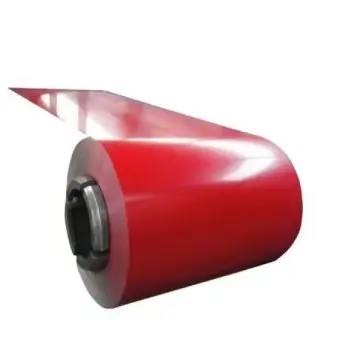
Double-Coated Prepainted PPGI Steel Coil
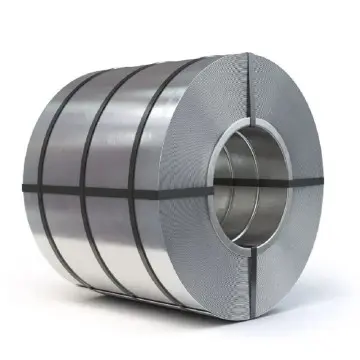
DX51D–DX54D Galvanized Steel Coil
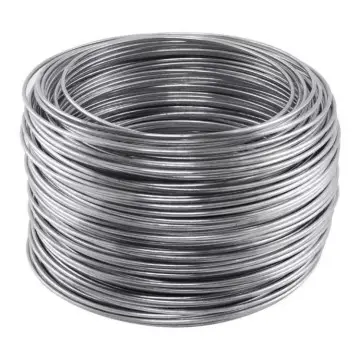
SAE1080 / Q235 Hot Rolled Wire Rod
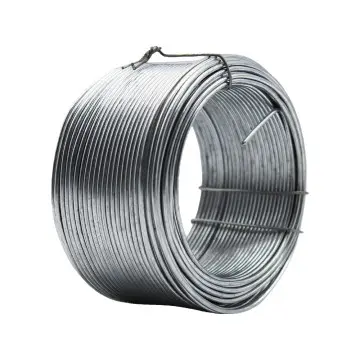
SAE1006 / SAE1008 Cold Drawn Wire
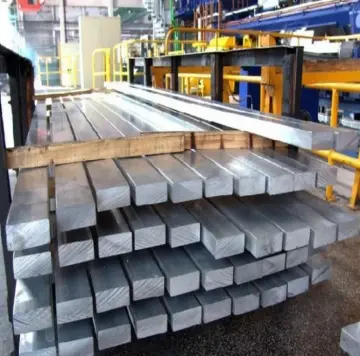
Q235 / Q355 HDG Heavy Flat Steel
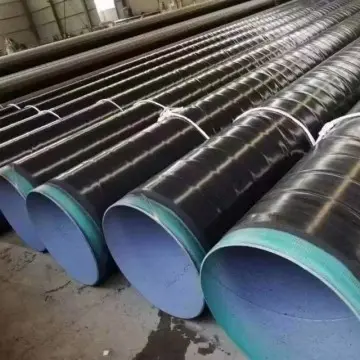
Industrial Anti-Corrosion Coated Steel Pipe
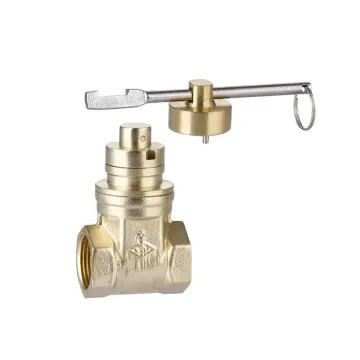
Pressure-Resistant Heavy Industrial Valves