
Premium Commercial Drainage, Conduit & Supply Lines
Precision-machined high-density polyethylene and structural conduits ready for consolidated dispatch from our Tianjin and Tangshan logistics hubs.
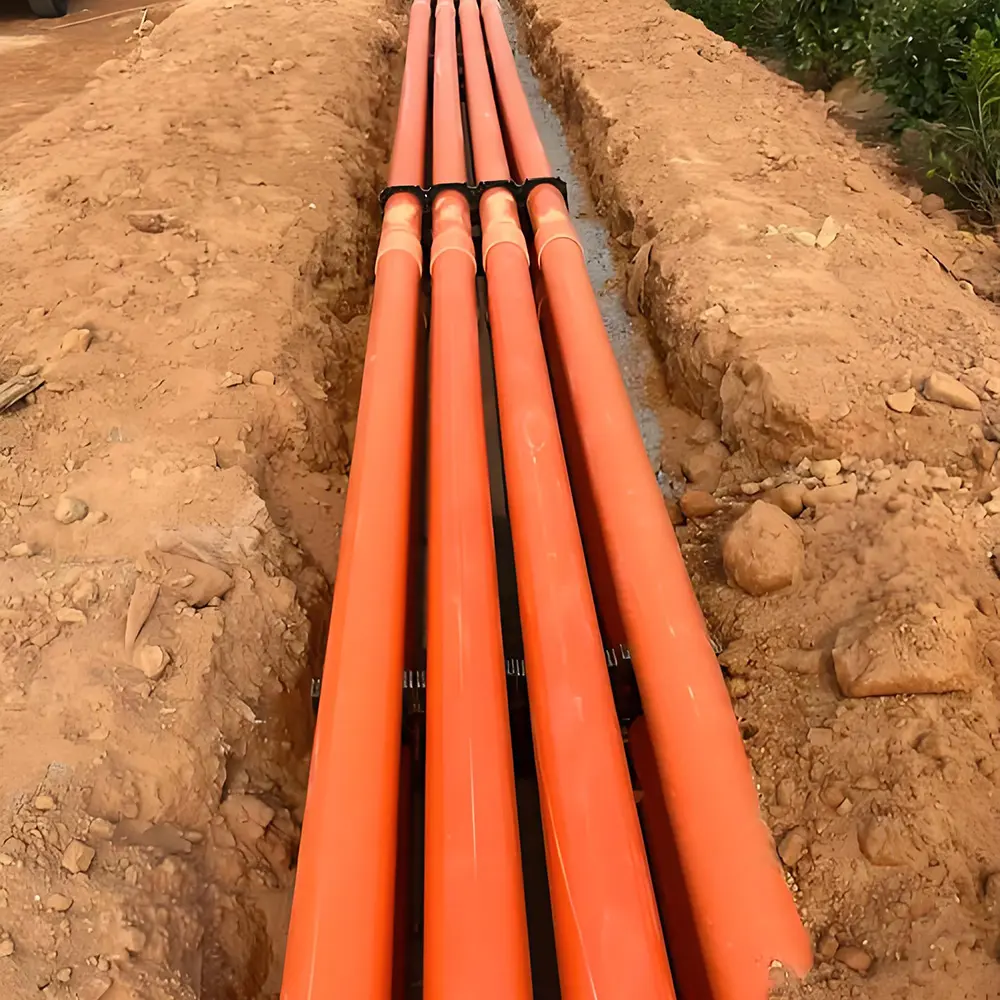
HDPE Same-Floor Drainage & Sanitary Wastewater Piping
Electrofusion-welded high-density polyethylene pipes designed for acoustic decoupling, zero below-slab penetration, and high flow velocity.
View Drainage Pipes & Pricelist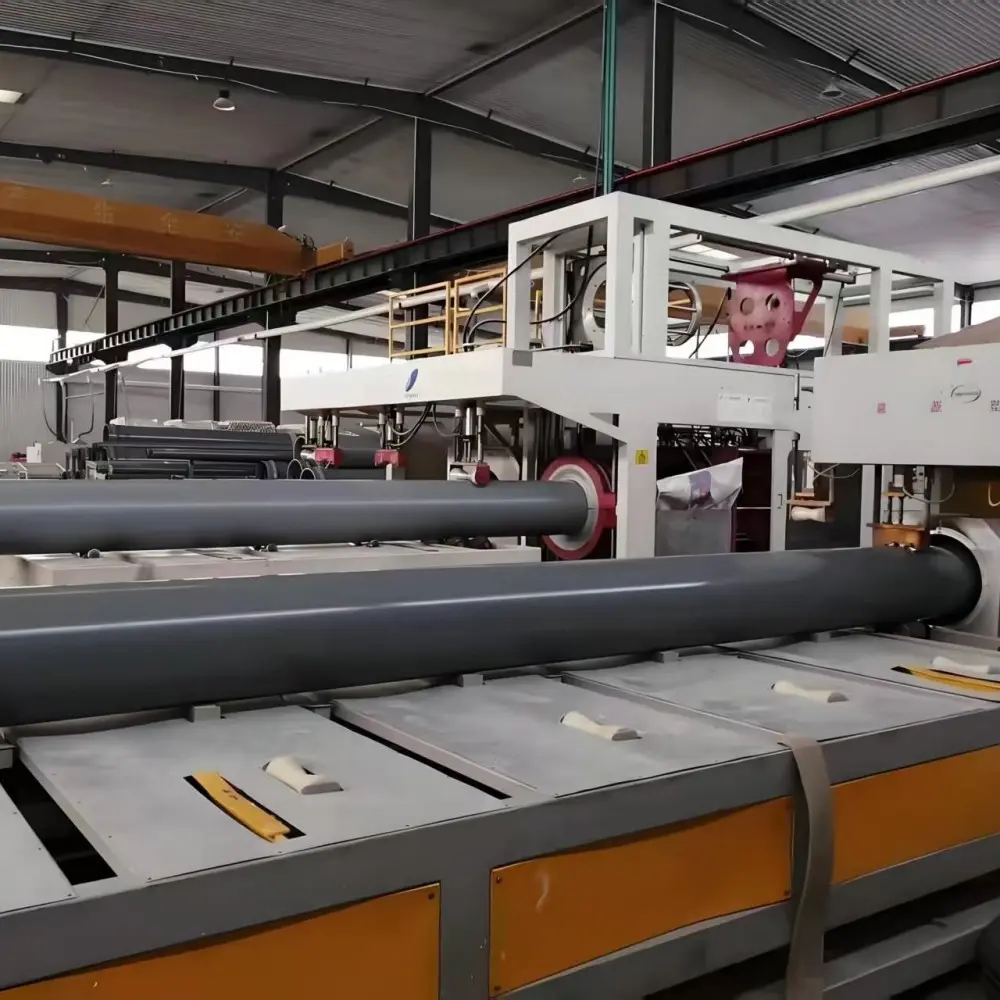
Engineered Plastic Building Materials & Trapped Inlets
Comprehensive modular fittings, same-floor branch connectors, cleanouts, water seal traps, and electrofusion inspection sockets.
Explore Plastic Materials
PE 100 Clean Potable Water Supply Pipeline Solutions
Virgin resin high-pressure polyethylene lines for residential risers, continuous loop booster stations, and municipal tap feeds.
Inspect Water Supply Pipes
Rigid Impact-Resistant In-Wall Electrical Conduits
Halogen-controlled, non-crush conduit raceways designed for installation within light-gauge false wall cavities and floor screeds.
Access Conduit Solutions
Subsurface & Shaft Communication Cable Ducts
Silicone-lubricated high-density polyethylene microducts and multi-way cabling corridors for building automation and smart sensors.
View Communication Pipes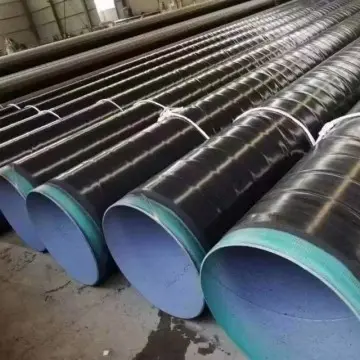
Engineered Polyethylene Gas Transmission Tubing
High-integrity fuel gas distribution pipe with high resistance to rapid crack propagation and long-term chemical permeation.
Request Gas Pipe Quotes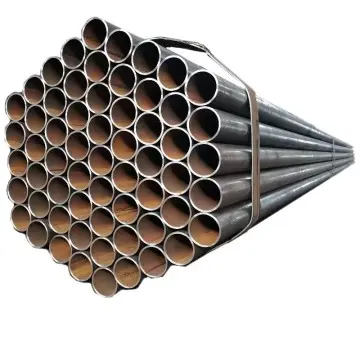
Structural & Pressure Steel Pipes for Hybrid MEP Shafts
Galvanized and black ERW pipes serving as primary structural drainage discharge risers, vent loop headers, and mechanical casing.
Browse Steel Pipe Factory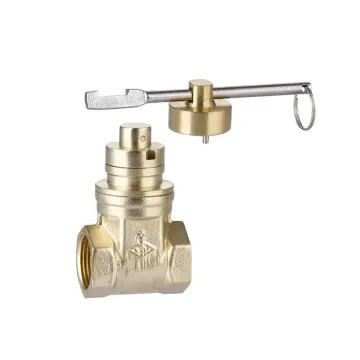
Industrial Drainage Valves & Vacuum Relievers
Gate, butterfly, check, and air admittance valves engineered to eliminate siphonage and balance barometric loops across multi-story stacks.
View Industrial Valves RangeEngineering Architecture: PE Same-Floor Drainage Systems
Same-floor drainage (SFD)—frequently categorized into in-wall concealed systems and shallow floor embedded channels—represents a structural departure from conventional multi-tenant cross-floor plumbing. By routing all sanitary discharges into an in-wall vertical shaft without coring through the lower occupant’s ceiling slab, PE Same-Floor Drainage Systems eliminate property boundary disputes, eradicate seismic leakage points, and drastically reduce acoustic hydraulic water hammer noise.
Structural Integrity & Core Elimination
Traditional under-slab drainage requires extensive diamond core drilling through primary structural reinforced concrete slabs. Each penetration creates potential pathways for capillary micro-cracking and water infiltration. HDPE same-floor installations maintain complete slab continuity, protecting the post-tensioned tendon arrays and mitigating long-term structural degradation.
Acoustic Decoupling & Sound Attenuation
Wastewater tumbling through exposed PVC pipes underneath residential ceilings regularly exceeds 45 to 55 dB(A). High-Density Polyethylene (HDPE-100) incorporates a molecular chain elasticity that dampens airborne and structure-borne sound. Enclosed within dry-wall partition frames using rubber-isolated anchors, system noise drops below 18 dB(A), complying with luxury DIN 4109 acoustic standards.
Butt Fusion & Electrofusion Homogeneity
Unlike PVC solvent cement bonds that degrade under thermal expansion and dynamic loading, HDPE pipe fittings form a 100% monolithic joint via computer-controlled electrofusion collars or automated butt-welding. The welded joint matches or exceeds the parent pipe tensile rating, preventing joint separation during building seismic settlement.
When selecting same-floor drainage, specifying high-density polyethylenes with an absolute wall roughness factor ($k \le 0.007\text{ mm}$) facilitates rapid self-scouring velocity ($v \ge 0.7\text{ m/s}$) even at reduced gradients of 1:100. This low-friction coefficient prevents grease aggregation, hair retention, and sediment crystallization in residential graywater runs.
Engineering Comparison: HDPE Same-Floor vs. Conventional Suspended PVC Systems
| Performance Metric | HDPE Same-Floor System (In-Wall / Embedded) | Conventional Under-Slab Suspended PVC | Cast Iron Hubless (Traditional High-Rise) |
|---|---|---|---|
| Slab Penetrations | 0 per fixture (Only 1 Main Riser Stack) | 3–6 core holes per bathroom | 3–6 core holes per bathroom |
| Joint Longevity & Method | 100% Homogeneous Electrofusion / Butt-Weld | Solvent weld (Vulnerable to VOC dry-out) | Mechanical Neoprene Couplings & Bands |
| Acoustic Rating (DIN 4109) | < 20 dB(A) (Concealed with sound dampening) | 42–55 dB(A) (High audible transfer) | 22–28 dB(A) (Heavy mass attenuation) |
| Maintenance Autonomy | 100% Contained within individual unit | Requires access to lower neighbor's ceiling | Requires lower floor access / ceiling hatches |
| Chemical & Thermal Limit | -40°C to +95°C continuous; pH 0–14 resistant | 0°C to +60°C; vulnerable to solvents & lye | Moderate chemical resistance; acidic corrosion risk |
| Design Life Span | > 50 Years (Zero stress corrosion cracking) | 15–20 Years (Embrittlement risk) | 30–40 Years (Rust scaling risk) |
Global Procurement Requirements: RFQ Preparation & Sourcing Realities
Procuring engineered HDPE same-floor systems for massive mixed-use developments, medical campuses, and 60-story multi-family towers requires granular specifications that prevent on-site delays. Procurement directors must account for dimensioning tolerances, material test reports, and supply-chain logistics.
1. Raw Material Purity & Density Classifications
Enterprise tenders must enforce the use of 100% pre-compounded virgin PE 100 or PE 80 high-density resins with carbon black dispersion ($≥ 2.25\%$). Recycled regrind or post-consumer polymer fillers drastically impair hoop stress performance and result in rapid thermal crack development under intermittent hot wastewater discharge (commercial kitchens, high-temp dishwashers, and autoclaves). HZXY provides Mill Test Certificates (MTC) certifying ISO 1183 density ($0.95–0.96\text{ g/cm}^3$) and ISO 1133 Melt Flow Rates ($0.2–0.5\text{ g/10 min}$ at $190^\circ\text{C}/5\text{kg}$).
2. In-Wall Dimensional Tolerances & SDR Requirements
Space-constrained drywall cavities (often restricted to 120 mm to 150 mm structural stud spaces) demand tight ovality and wall thickness tolerances. Procurement specifications must define standard dimension ratios—typically SDR 26 (PN4) for low-head gravitational discharge or SDR 33 for vertical stack columns. Non-standard wall thicknesses can misalign electrofusion internal heating copper coils, causing cold welds or over-melt burn-through.
3. Modular Pre-Fabrication & Spool Drafting
Tier-1 general contractors increasingly mandate off-site modular plumbing assembly to reduce expensive on-site mechanical trade labor. Sourcing contracts with HZXY can incorporate custom-cut pipe runs, shop-welded multi-inlet branches, and factory-pressure-tested horizontal manifolds packaged per building floor quadrant, expediting floor cycle installation from days to hours.
4. Incoterms, Consolidation & Container Packing Security
Piping systems carry high dimensional bulk relative to mass, making unoptimized ocean shipping cost-inefficient. Tianjin Huizhong Xinyu leverages its 1,500-acre Tianjin/Tangshan infrastructure to nest smaller pipes (e.g., DN 50, DN 75) inside large-diameter drainage tubes (DN 110, DN 160), or consolidates polymer pipes with structural steel framing, angle brackets, and valve crates, maximizing TEU volume utilization and slashing freight costs per linear meter.
Engineering Methodologies: In-Wall False Wall vs. Shallow Sunken Slab
Achieving hydraulic self-cleansing without floor penetrations relies on two core design methodologies. Selecting the correct system geometry influences MEP shaft allocation, ceiling heights, and overall project cost.
In-Wall Concealed (Wall-Hung Fixtures)
Commonly specified in high-density European and Asian metro projects, all sanitary appliances (wall-hung water closets, lavatories, concealed shower traps) mount to a pre-assembled galvanised structural steel subframe concealed behind a 150–200 mm dry-wall enclosure. Drainage conduits connect directly to an in-wall horizontal collector that feeds the main soil stack.
- Key Benefit: Completely flat structural concrete floors. Zero backfill dead-load added to foundations.
- Hydraulics: Shorter horizontal runs yield high velocity with minimal pipe gradient requirements.
- Aesthetics & Hygiene: Wall-mounted toilets eliminate floor grime seams and facilitate automated sweeping.
Shallow Sunken Slab (Backfilled Channel Installation)
The structural bathroom floor is cast 250–350 mm lower than adjacent living zones. HDPE pipes are laid over a waterproof elastomeric membrane, surrounded by lightweight foamed concrete or expanded clay aggregate (ceramsite), and finished with a top screed.
- Key Benefit: Accommodates conventional floor-mounted sanitary ware without requiring in-wall cistern enclosures.
- Structural Tradeoff: Additional structural dead-load (approx. $1.5\text{ kN/m}^2$) requires heavier floor reinforcement.
- Risk Mitigation: Requires secondary floor drain traps and electrofusion joints with 100% hydro-testing before backfill.
Hydraulic Air Admittance & Aerator De-aerator Stack Dynamics
In high-rise drainage columns, descending waste creates severe positive and negative pneumatic pressure waves that can siphon the 50 mm water trap seals of fixtures. Conventional systems combat this by running a secondary parallel vent stack. With HZXY’s advanced HDPE same-floor engineering packages, aerator-type fittings (such as specialized mixing chambers and high-capacity air admittance valves) break falling water velocity, mix air and water into an annular spiraled sheet flow, and preserve sanitary water seals across 30+ story drops without requiring an auxiliary venting riser. This slashes MEP vertical shaft footprint by up to 35%.
Technical Roadmap: The Next Decade in Smart Drainage Systems
The commercial building sector is evolving rapidly toward digitized BIM lifecycle monitoring, circular plastics, and non-destructive maintenance architectures.
1. BIM-Embedded Digital Twins
All HZXY pipe spools, electrofusion sleeves, and wall-mounting brackets are mapped into precision Autodesk Revit & IFC parametric BIM objects. Collision detection between structural steel framing, HVAC ducting, and PE drainage channels occurs digitally before factory cutting, eliminating clash-induced site revisions.
2. Smart Conductive Leak Interception
Next-generation same-floor installations embed continuous passive sensor filaments along the bottom outer wall of concealed HDPE pipes. Connected to building management systems (BMS), these sensors identify micro-sweating, seal failures, or fixture overtopping in real time, notifying facility management before drywall saturation occurs.
3. Low-Carbon Bio-HDPE & 100% Recyclability
Embodied carbon reduction is key to LEED Platinum and BREEAM certifications. HZXY’s materials science roadmap integrates certified mass-balanced bio-based polyethylene polymers derived from renewable feedstocks. Polyethylene retains high thermal stability, enabling closed-loop off-site grinding and recycling at end-of-life.
4. Self-Calibrating Barometric Relievers
Transitioning from mechanical rubber spring valves to micro-diaphragm aerodynamic pressure equalizers. These units adjust their vent orifices based on vertical stack discharge velocity, completely neutralizing sewer gas trans-migration during intense wet-weather hydraulic surcharges.
Global Landscape: Market Realities Across Key Continents
The global transition toward same-floor drainage varies based on regional plumbing codes, multi-family construction practices, and urban density pressures.
Asia-Pacific (APAC) Mega-Urbanization
Rapid skyscraper construction across China, Southeast Asia, and Australia has driven high adoption rates. In China, government building mandates require individual property rights delineation in multi-family units, establishing same-floor drainage as the baseline design standard for modern residential construction. Sourcing from our Tianjin industrial base gives regional buyers low shipping transit times and bulk-order flexibility.
Europe: Strict Acoustic & Circular Mandates
Western and Northern European markets (Germany, UK, Scandinavia) operate under stringent sound standards (DIN 4109 and VDI 4100). The market demands documented sound reduction ratings below 20 dB(A) along with Environmental Product Declarations (EPDs). HDPE’s weldability and absence of toxic chlorinated solvents make it the preferred material over PVC.
Middle East (GCC): Mega-Projects & Extreme Temperatures
Driven by Saudi Giga-projects (NEOM, Red Sea) and UAE high-rises, GCC project owners encounter extreme thermal cycles where ambient soil and wall temperatures reach 50°C. HDPE’s continuous elongation capacity and high resistance to chemical cleaners and descaling agents make it the primary choice over hubless cast iron.
The Americas: Code Modernization & Commercial High-Rises
While traditional North American multi-family housing historically favored cast-iron stacks or PVC solvent lines, progressive urban centers across the US, Canada, and Latin America are amending plumbing codes to approve PE electrofusion systems in luxury high-rises and healthcare facilities, motivated by lower structural slab weights and long-term leak prevention.
Localized Compliance, Quality Standards & Assurance Guarantees
Every meter of high-density polyethylene same-floor pipe and associated structural steel support leaves our Tianjin and Tangshan manufacturing bases with comprehensive certification.
International Norm Compliance
Certified to EN 1519 (Plastic piping systems for soil and waste discharge within the building structure - PE), ISO 8770, ASTM F714, and AS/NZS 4441. Products undergo continuous melt mass-flow rate testing, longitudinal reversion analysis, and high-temperature hydrostatic internal pressure evaluations.
Independent Third-Party Verification
HZXY welcomes global inspection authorities—including SGS, Bureau Veritas, Intertek, and TÜV Rheinland—to conduct pre-shipment inspections (PSI). Tests include dimensional verification, ring stiffness testing (ISO 9969), impact drop testing, and electrofusion joint pull-off stress testing at our dedicated laboratory facilities.
Full Project Traceability
Every extrusion run features continuous laser-etched production lot tracking, specifying raw material batch, production date, extrusion line, wall thickness, and pressure rating. This ensures complete traceability across multi-year phase construction programs.
Located within the Daqiuzhuang Industrial Zone, Jinghai District, Tianjin, HZXY operates alongside northern China's largest raw material supplies and rolling mills. Outbound shipments are transported directly via highway express corridors to Tianjin Port (Xingang), securing swift vessel berthing and reduced transit times to Southeast Asian, Middle Eastern, European, and American deep-water harbors.
Complete Bill of Materials: Steel Sections, Coils & Pipeline Hardware
Consolidate your entire civil, structural, and sanitary plumbing requirements within a single procurement order to lower freight costs.
Structural Steel Profiles: H-Beams, Channels & Angles
Primary structural sections for high-rise frames, MEP support mezzanines, bridge spans, and heavy equipment platforms.
View Steel Profiles Quotes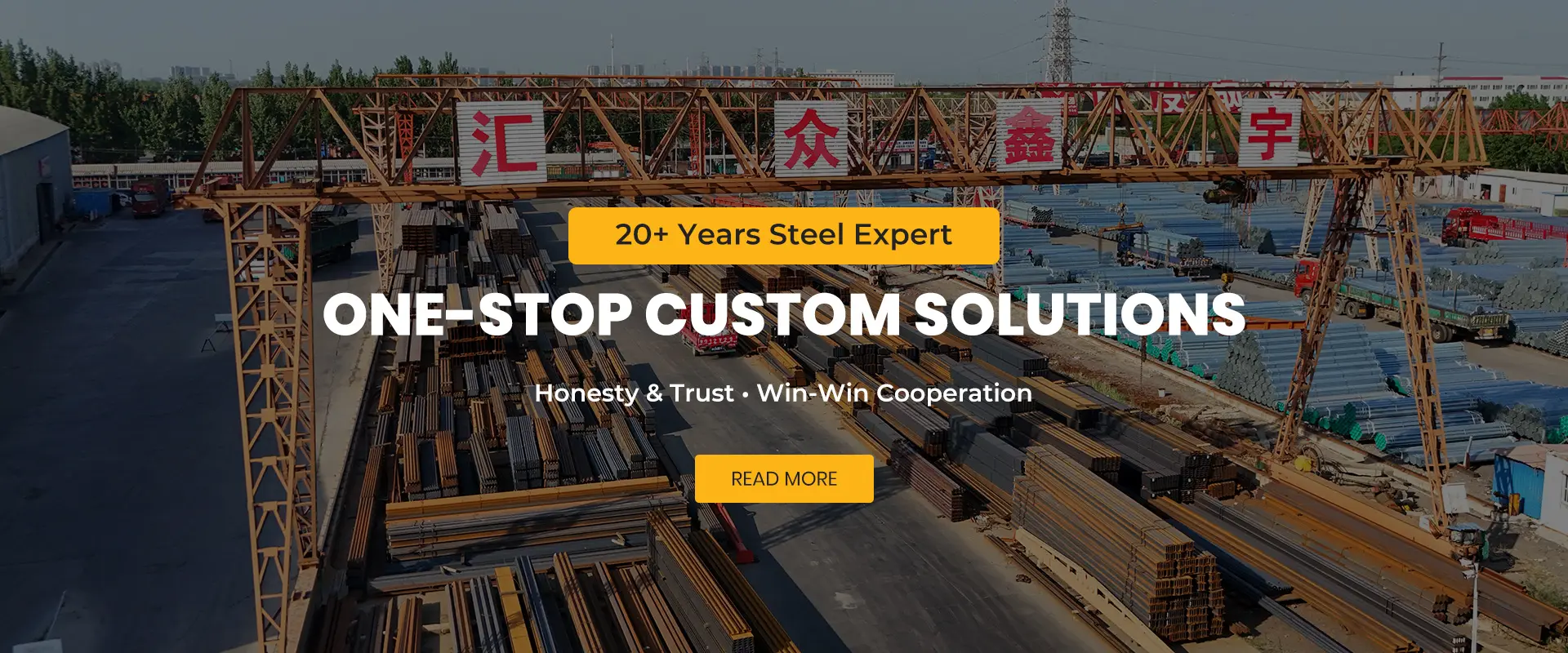
Galvanized, PPGI & Carbon Steel Coils
Engineered for roll-forming into drywall studs, MEP enclosure brackets, roofing sheets, and duct systems.
Inspect Steel Coil Inventory
Deformed Concrete Rebar & High-Carbon Wire Rods
High-tensile reinforcement rebar bundles for deep foundation piles, core shear walls, and suspended slab reinforcement.
Explore Long Steel Factory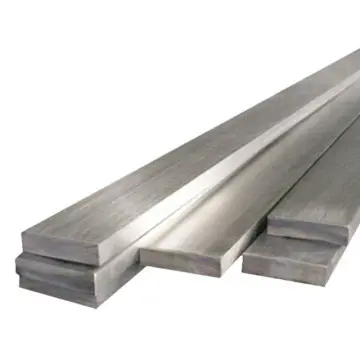
Galvanized Structural Flat Steel & Grounding Bars
Anti-corrosion flat steel bars used for MEP earthing grids, structural bracket manufacturing, and architectural trim.
View Flat Bar Catalog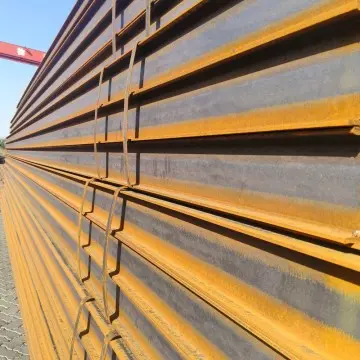
Heavy Industrial H-Beam & Universal Column Girders
Primary structural beams for high-rise multi-family frame cores, sports stadium spans, and industrial logistics facilities.
Request H-Beam Quotes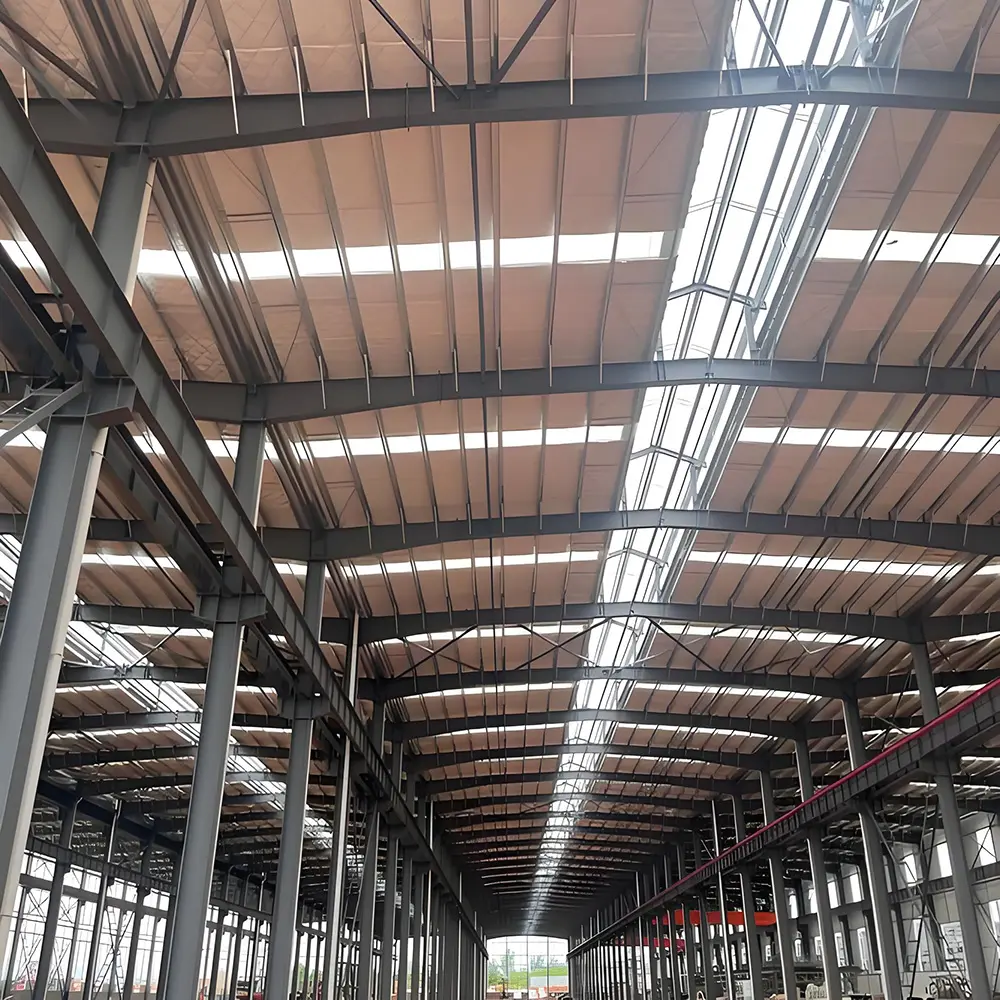
Standard Structural I-Beams & Overhead Racks
High-strength load-bearing sections used for overhead mechanical shaft lifting beams and structural crane tracks.
Check I-Beam Pricelist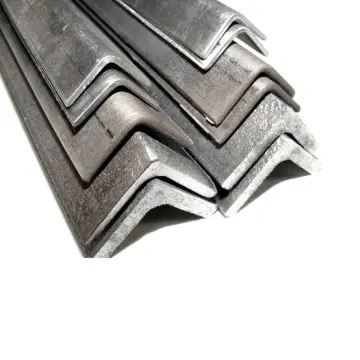
Galvanized Structural Angle Bar & Pipe Support Struts
Pre-punched and hot-dip galvanized angles designed for pipe hanger frames, cable trays, and structural brackets.
Browse Angle Bar Factory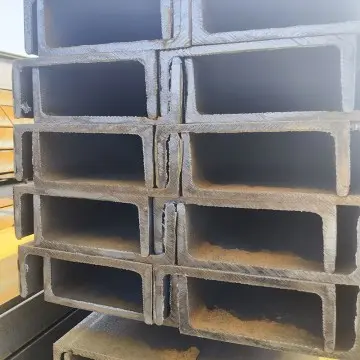
C & U Structural Steel Channel for MEP Framing
Versatile structural channel members for false wall framing, equipment base supports, and plumbing shaft bracing.
View Channel Suppliers ListFrequently Asked Questions: Technical, Procurement & Logistics
Common inquiries from international MEP engineers, project managers, and sourcing directors.
Why is HDPE specified over PVC for same-floor drainage systems?
1. Monolithic Jointing: HDPE joints are created via electrofusion or butt-welding, which melts the polymer into a continuous pipe run. This eliminates the solvent cements used in PVC, which are prone to chemical embrittlement and drying out inside enclosed drywall cavities.
2. Elastic Flexibility & Acoustic Dampening: High-density polyethylene absorbs vibration and water impact, dampening noise. It also bends without fracturing during building settlement or seismic events.
3. Thermal & Chemical Resistance: HDPE handles continuous hot waste discharges up to 80°C (and intermittent spikes to 95°C), whereas PVC-U softens and warps above 60°C.
How do same-floor systems prevent sewer trap dry-out and negative pressure siphoning?
What parameters are required to calculate an accurate containerized quote?
1. Bill of Materials (BOM) or Schedule: Pipe outside diameters (OD 50 mm, 75 mm, 90 mm, 110 mm, 160 mm, 200 mm), required SDR/pressure classes, wall thickness, and spool lengths.
2. Fitting Breakout: Quantities of electrofusion couplers, 45°/87.5° elbows, swept reducing branches, inspection cleanouts, and floor drain assemblies.
3. Consolidated Material Inclusions: Requirements for ancillary structural support frames, hot-dip galvanized angles, valves, or steel pipe risers.
4. Delivery Destination: Final destination port (e.g., Jebel Ali, Rotterdam, Santos, Lagos, Singapore) to formulate FOB Tianjin, CIF, or CFR terms.
Can HDPE same-floor drainage pipes be direct-cast into concrete floor slabs?
How does HZXY manage quality control and pre-shipment inspections?
Can HZXY combine plastic piping products with structural steel in one ocean container?
Request an Engineered Same-Floor Drainage Proposal
Send your project drawings, bill of quantities, or plumbing schedule to our technical sales team. Receive prompt pricing, hydraulic sizing verification, and optimized container packing plans.