
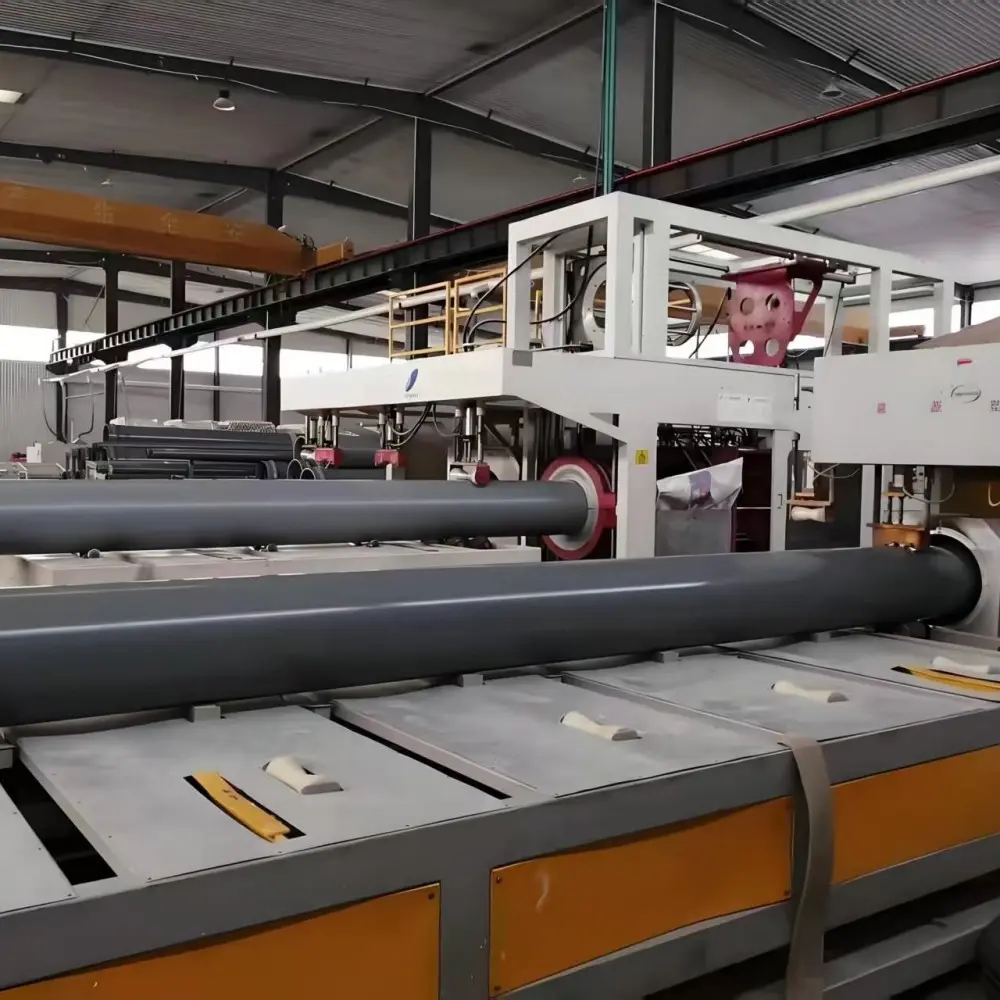
High-Voltage PVC-C Buried Cable Conduits
Modified high-temperature resistant chlorinated polyvinyl chloride conduits engineered for underground power grid lines.
Explore Conduits →Stocked year-round from our Tianjin and Tangshan production facilities to support turnkey MEP, power transmission, and municipal infrastructure procurement.
Modified high-temperature resistant chlorinated polyvinyl chloride conduits engineered for underground power grid lines.
Explore Conduits →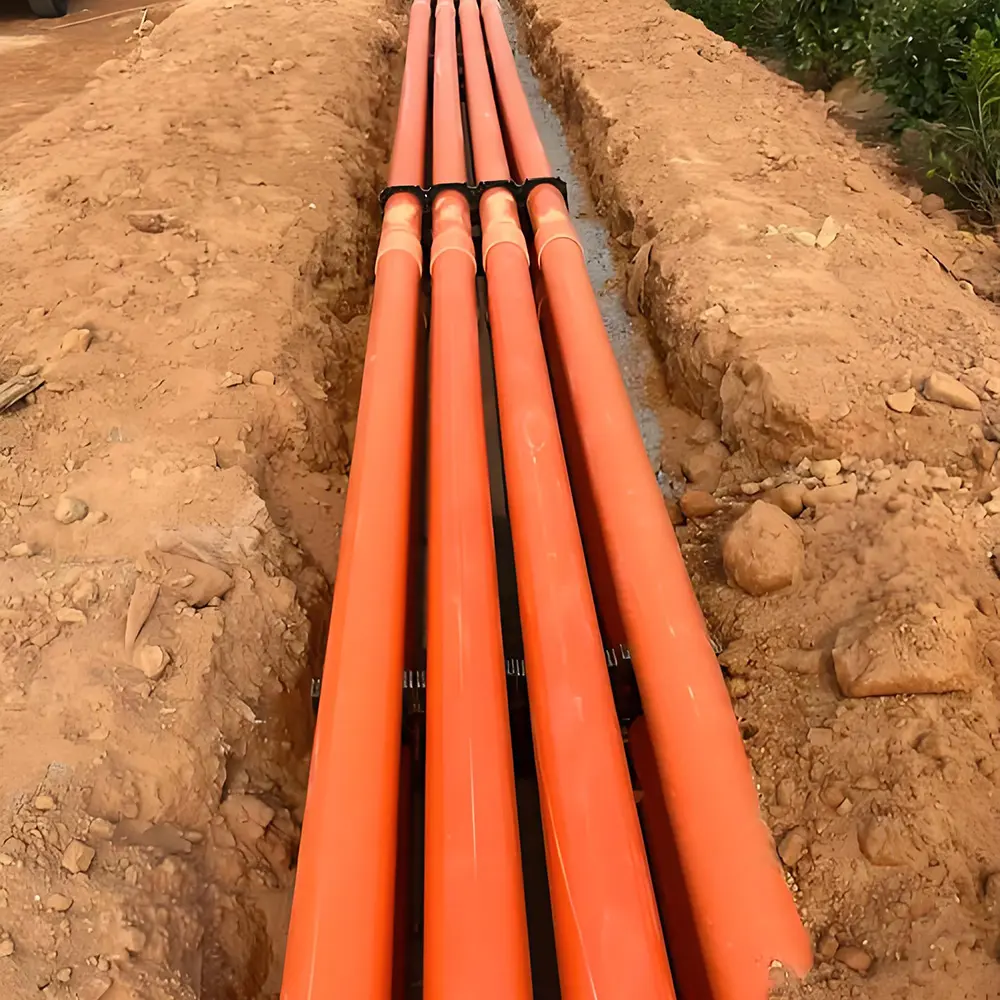
Durable optical fiber and communication cable protection pipes with low friction coefficient for underground utility tunnels.
Explore Comms Pipe →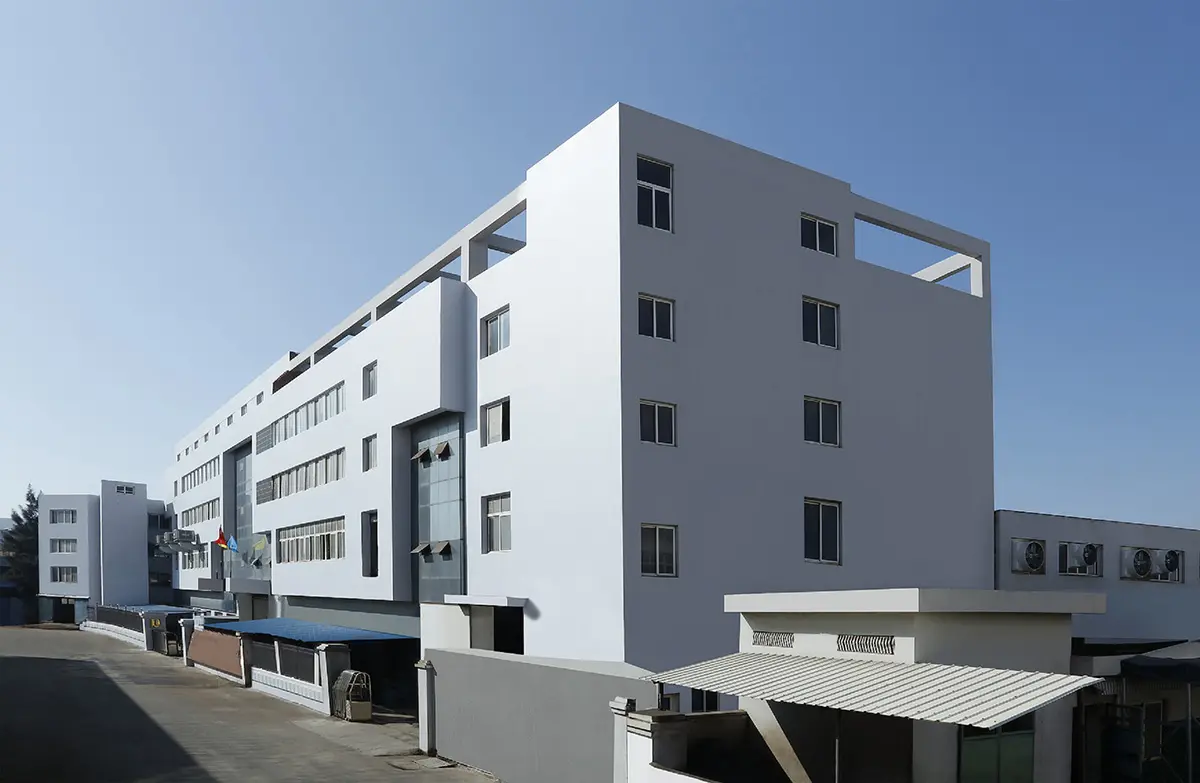
Comprehensive PVC, PE, and composite duct systems tailored for commercial construction, civil works, and cable trenching.
Explore Materials →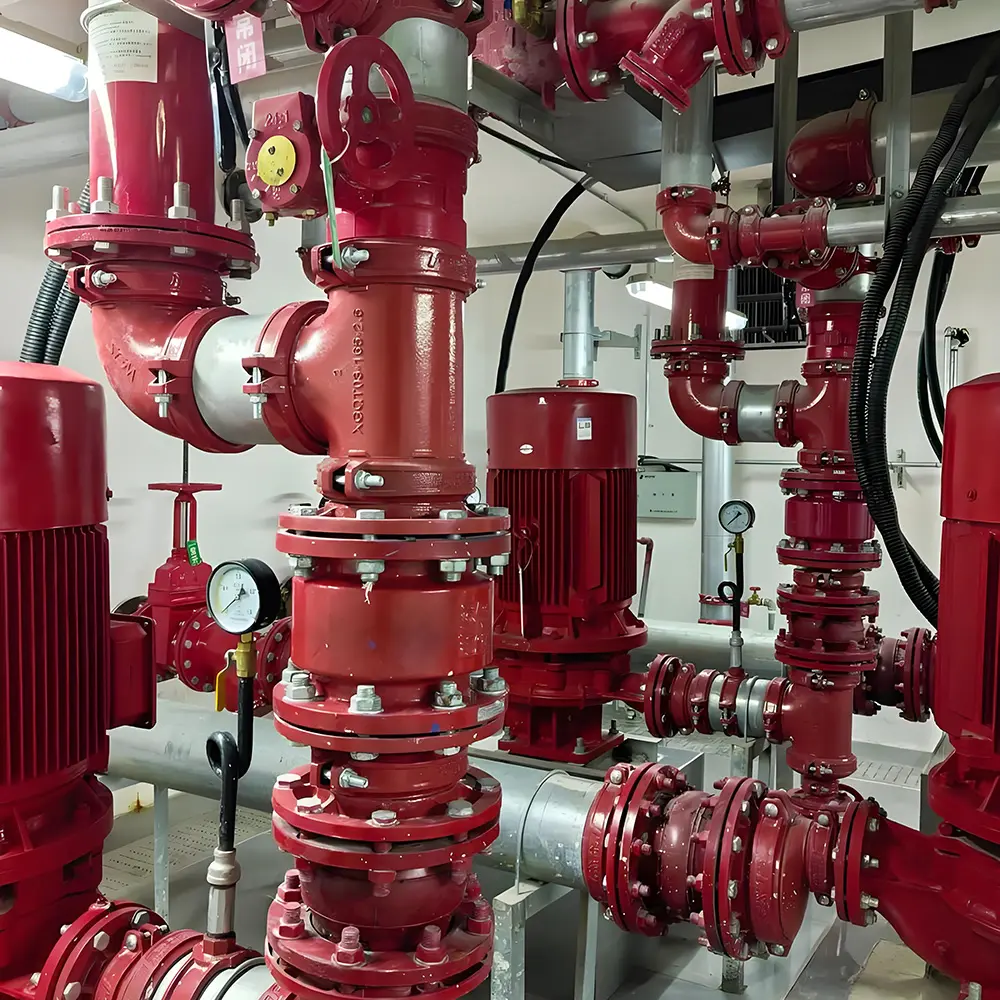
High-density polyethylene and rigid PVC pressure pipes certified for industrial potable water networks and MEP schemes.
Explore Water Supply →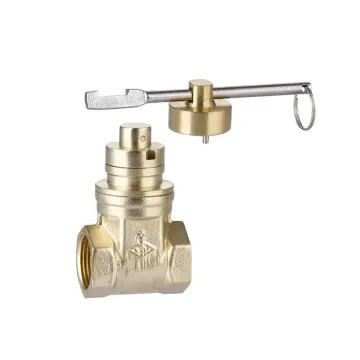
Ring-stiffness rated sewer and storm drainage conduits engineered to endure massive soil overburdens and traffic loadings.
Explore Drainage →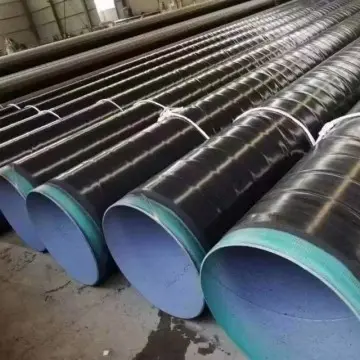
Butt-fusion compatible PE pipes delivering maximum safety, stress crack resistance, and longevity for fuel gases.
Explore Gas Pipes →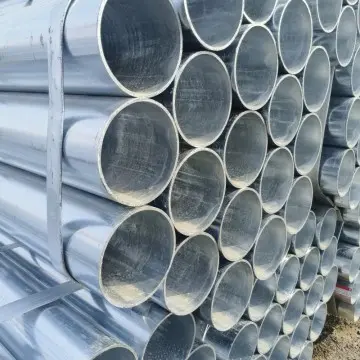
Rigid metallic casing pipes for bridge crossings, shallow road boring, mechanical protection, and framing.
Explore Steel Pipe →
Pressure-rated gate, butterfly, and check valves matched precisely to your plastic and metallic pipeline bills of materials.
Explore Valves →As national power grids transition from vulnerable overhead distribution networks to resilient subterranean transmission systems, the material integrity of cable encasement conduits has become critical to grid reliability. High-voltage (HV) and extra-high-voltage (EHV) cables emit significant thermal energy during peak load operational cycles. Traditional standard PVC-U or concrete ducting frequently succumbs to thermal degradation, structural deformation, and dielectric breakdown under combined electro-thermal stress.
Chlorinated Polyvinyl Chloride (PVC-C) buried power cable conduits represent the definitive technical solution to these subterranean engineering challenges. By introducing post-chlorination chemistry to standard PVC resin—elevating chlorine content from approximately 56% to between 65% and 69%—PVC-C conduits deliver substantially enhanced heat distortion temperatures, superior ring stiffness, flame retardance, and mechanical shock absorption. When deployed across direct-buried cable trenches, encased duct banks, or horizontal directional drilling (HDD) bores, PVC-C maintains dimensional roundness and internal clearance over a 50+ year operational design life.
To withstand dynamic surface soil loadings (such as AASHTO H-20 / HS-20 truck transit), thermal dissipation from continuous cable ampere loading, and seismic or tectonic soil shifts, modern PVC-C power conduits are manufactured according to stringent international benchmarks including GB/T 24993, ASTM F441/F441M, and DIN standards. Below is an engineering comparison demonstrating the technical superiority of PVC-C against alternative conduit compounds:
| Physical Property Parameter | PVC-C Power Conduit | Standard PVC-U Duct | High-Density Polyethylene (HDPE) | Fiberglass Reinforced (FRE) |
|---|---|---|---|---|
| Vicat Softening Point (°C) | ≥ 93°C – 105°C | ≤ 76°C – 80°C | ≈ 110°C (Melt Risk at High Loads) | > 130°C |
| Ring Stiffness (SN / kN/m²) | SN8 – SN16 (High Bearing) | SN4 – SN8 | SN4 – SN8 (Requires Deep Compaction) | SN10 – SN20 |
| Coefficient of Friction (μ) | 0.18 – 0.25 (Ultra-Smooth) | 0.25 – 0.35 | 0.30 – 0.40 | 0.35 – 0.45 |
| Flame Retardant Oxygen Index (LOI) | ≥ 40% (Self-Extinguishing) | ≈ 32% | < 20% (Combustible) | ≥ 30% |
| Chemical & Soil Acid Resistance | Immune to pH 2.0 – 12.0 | High | High | Moderate (Resin Sensitive) |
| Tensile Strength (Yield) | ≥ 50.0 MPa | ≈ 40.0 MPa | ≈ 22.0 MPa | ≥ 60.0 MPa |
The molecular engineering behind high-grade PVC-C ensures that even in scenarios where an electrical cable experiences an abrupt short circuit, generating flash core temperatures well beyond 120°C, the conduit's structural shell will neither soften catastrophically nor propagate open combustion. With an electrical breakdown strength surpassing 30 kV/mm, PVC-C functions as a heavy-duty secondary dielectric barrier, eliminating stray eddy current induction, preventing galvanic corrosion, and isolating phase cables from earth currents.
Integrating raw polymer synthesis, high-speed multi-screw extrusion, and streamlined deep-water export logistics to reduce project procurement costs by up to 35%.
China hosts the world's most concentrated chlor-alkali and specialty polymer synthesis clusters. Direct factory access to virgin chlorinated polyvinyl chloride resin mitigates international resin price volatility, guaranteeing stable supply during sudden market shifts.
Equipped with German and domestic computerized counter-rotating conical twin-screw extrusion systems, our plants achieve exact wall-thickness uniformity (tolerance within ±0.15 mm) and continuous online laser-calibrated outer diameters.
Every export lot undergoes comprehensive testing: Vicat softening temperature, fall-weight impact at 0°C, flattening resistance under 50% deflection, and high-voltage dielectric leakage before issuing factory Mill Test Certificates.
Strategically positioned close to Tianjin Port, our freight logistics team specializes in "telescopic pipe nesting" (nesting smaller diameter conduits inside larger sizes), dramatically cutting maritime freight expenditure per linear meter.
Conduits are precision-flared with integrated R-type rubber ring sockets or plain solvent-weld bells. Our automated forming machinery produces reliable water-tight joint seals rated to 0.1 MPa without secondary field shaping.
Through Tianjin Huizhong Xinyu (HZXY), overseas infrastructure contractors leverage a consolidated supply chain: simultaneously loading H-beams, structural steels, reinforcing rebar, industrial valves, and PVC-C buried cable conduits in a single commercial invoice and shipping package, cutting customs overhead and project delay risks.
From metro power arteries to extreme chemical refineries, PVC-C conduits provide uncompromised mechanical shield protection.
Replacing unsightly and weather-vulnerable overhead high-voltage lines across metropolitan centers. Installed directly under road sub-bases using multi-tier duct banks separated by engineered plastic cable spacers.
Connecting high-amperage array inverters, transformer stepping stations, and substation links across vast, open desert or high-alkaline terrains where soil salts rapidly corrode standard metallic pipes.
Supplying electrical traction and signalling cable conduits in enclosed railway cuttings, tunnel passages, and station foundations where halogen-free, non-toxic, and low-smoke flammability ratings are required.
Meeting high dynamic wheel load criteria for Category II/III airfield lighting and ground radar cables placed beneath heavy concrete aprons subject to constant commercial aircraft landing stresses.
Providing total immunity against brackish water table intrusion, marine splash-zone salts, sulfuric gases, and aromatic solvents that compromise ordinary ductile iron or PVC compounds.
Housing incoming multi-megawatt redundant power feeder circuits, ensuring zero service disruption from thermal cable overheating and facilitating pull-through cable upgrades.
Standard factory dimensions available for quick shipping or custom extrusion to EPC specifications.
| Nominal Outer Diameter (OD mm) | Wall Thickness Class (Regular / Thickened mm) | Nominal Inner Diameter (ID mm) | Socket Type | Ring Stiffness (SN Rating) | Typical Cable Voltage Application |
|---|---|---|---|---|---|
| Φ 75 mm | 3.0 / 4.0 mm | 69.0 / 67.0 mm | Rubber Seal / Solvent Socket | SN8 (≥ 8.0 kN/m²) | Low-Voltage Secondary Feeders (1kV) |
| Φ 110 mm | 3.5 / 5.0 mm | 103.0 / 100.0 mm | Expanded Bell with EPDM Seal | SN8 / SN10 | Medium Voltage Distribution (10kV–35kV) |
| Φ 139 mm | 4.5 / 6.0 mm | 130.0 / 127.0 mm | Expanded Bell with EPDM Seal | SN8 / SN10 | Medium-to-High Distribution (35kV) |
| Φ 160 mm | 5.0 / 7.0 mm | 150.0 / 146.0 mm | Flexible Elastomeric Socket | SN10 / SN12 | High Voltage Feeders (66kV–110kV) |
| Φ 200 mm | 6.5 / 9.0 mm | 187.0 / 182.0 mm | Heavy-Duty Integrated Seal Bell | SN12 / SN16 | Transmission Cable Mains (110kV–220kV) |
| Φ 225 mm | 7.5 / 10.5 mm | 210.0 / 204.0 mm | Heavy-Duty Integrated Seal Bell | SN16 (Overburden > 6m) | Extra High-Voltage Transmission (220kV–500kV) |
1. Trench Bedding: Excavated trenches must be cleared of sharp rock fragments. A compacted sand or gravel bedding layer of at least 100 mm to 150 mm thickness should precede conduit placement.
2. Spacer Brackets: When multi-phase conduits are grouped into banks, modular snap-in plastic spacers should be installed at intervals of 1.5 meters to 2.0 meters along the conduit run. This maintains adequate spacing between conduits to support heat dissipation.
3. Cable Pulling Lubrication: Although PVC-C provides an exceptionally slick inner wall, high-density pulling greases or cable-compatible lubricants are advised on long bends to keep pulling tension well below conductor yield limits.
Engineering clarifications on material specifications, international compliance, and shipment details.
PVC-C is chemically post-chlorinated, elevating chlorine content to 65%–69%. This raises its Vicat softening temperature above 93°C (compared to ~76°C for PVC-U), preventing thermal deformation under high cable current loading and during electrical overload faults.
Yes. High-strength PVC-C pipes with ring stiffness SN10 to SN16 are designed for direct burial under standard road overburdens (1.0m to 1.5m), provided proper sand bedding and uniform backfill compaction are applied, eliminating expensive concrete encasement costs.
Our conduits feature integral bell sockets fitted with durable elastomeric (EPDM) sealing rings for fast push-fit assembly, accommodating thermal expansion while resisting 0.1 MPa groundwater ingress. Solvent-cemented smooth-bell sockets are also available on request.
Yes. As a comprehensive materials group with facilities in Tianjin and Tangshan, we routinely consolidate structural steel profiles (H-beams, rebar, steel pipe) with PVC/PE conduits and valves, streamlining supply chains and reducing ocean freight costs.
Yes. Every export lot includes factory Mill Test Certificates verifying dimensions, ring stiffness, impact resistance, and softening temperature. Independent inspection agencies appointed by the client are welcome at our factory prior to container loading.
Standard metric sizes (Φ110, Φ160, Φ200) are maintained in inventory for rapid dispatch within 5–7 days. Custom extrusions, non-standard wall thicknesses, and special project markings typically ship in 14–20 days through Tianjin Port.
Consolidate your heavy industrial structural components with non-metallic ducting to optimize procurement logistics.
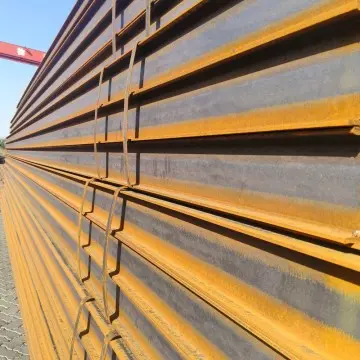
Hot-rolled wide flange steel beams engineered for substation framing, high-rise frameworks, and bridge girders.
Explore H-Beams →
Heavy industrial support joists and vertical load-bearing columns produced to ASTM, GB, EN, and JIS standards.
Explore I-Beams →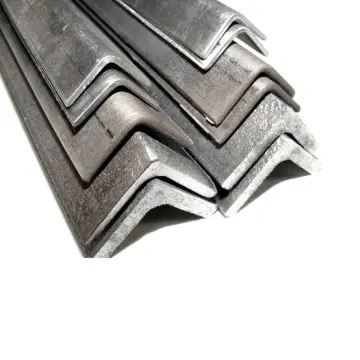
Equal and unequal carbon angles for electrical transmission towers, bracing frames, and machinery mounts.
Explore Angle Steel →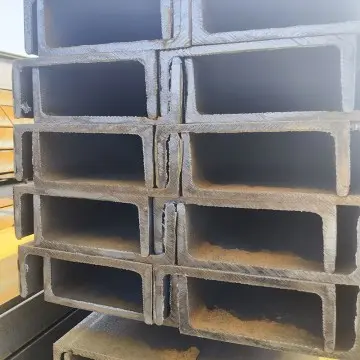
Precision-rolled channel profiles for civil construction, secondary architectural support, and foundation tracks.
Explore Channel Steel →
One-stop source for heavy building framing, including deep processing like drilling, punching, and welding to drawing.
Explore Profiles →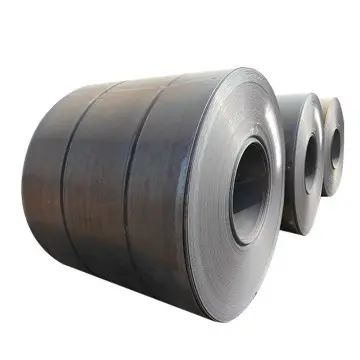
Premium mill coil stock including DX51D zinc-coated and Q235B/Q355B coils suited for roll-forming and stamping.
Explore Coils →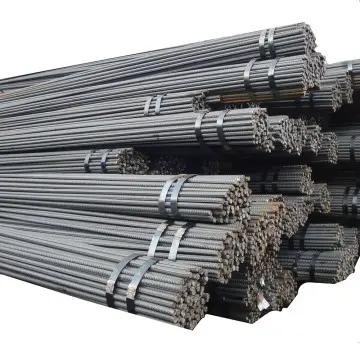
High-tensile deformed rebar (6mm–40mm) and high-carbon industrial wire rods for civil infrastructure cages.
Explore Rebar →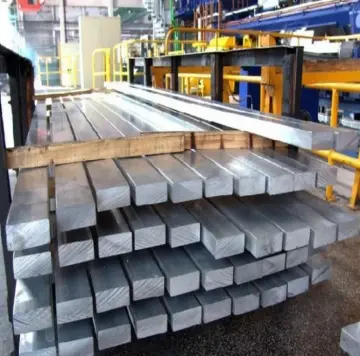
Corrosion-resistant grounding and electrical earthing flat steel bars essential for high-voltage substation safety networks.
Explore Flat Steel →