
Featured Steel & Composite Piping Solutions
Immediate dispatch inventory and bespoke OEM fabrications from our ISO9001 certified manufacturing facilities.
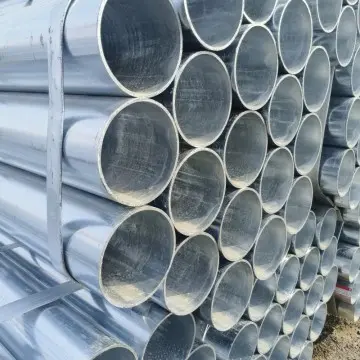
Galvanized Scaffolding & Composite Shell Pipe
View Product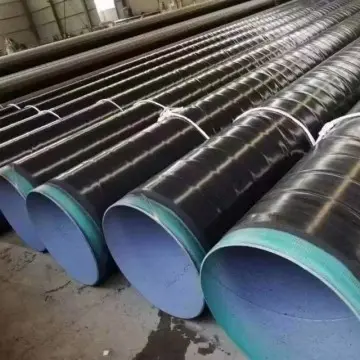
Industrial Multi-Layer Anti-Corrosion Steel Pipe
View Product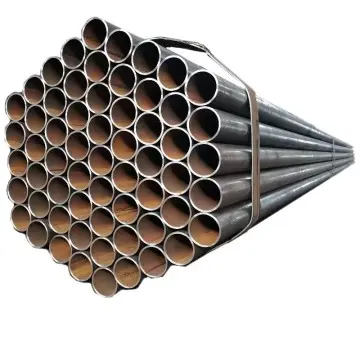
Black Heavy Structural & Core Seamless Tube
View Product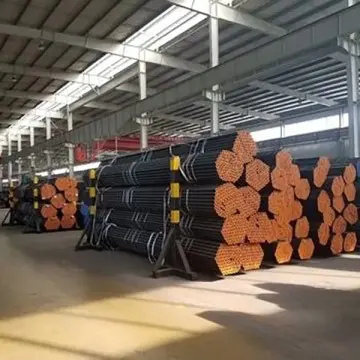
High-Pressure Municipal Water Supply Pipe
View Product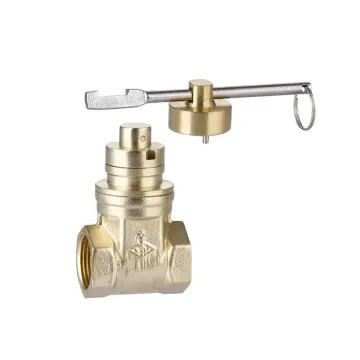
High Pressure Control Valves & Couplings
View Product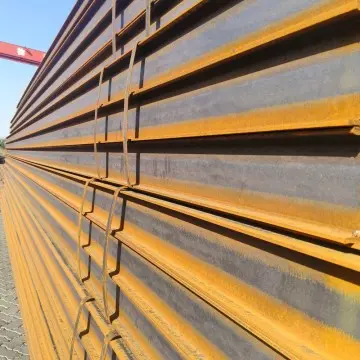
Underground Pipe Support Beams & Brackets
View Product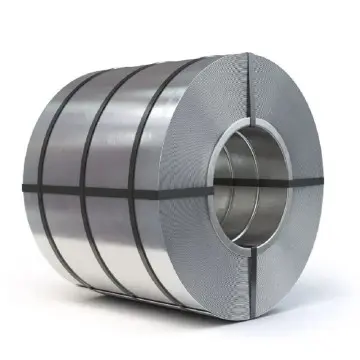
Galvanized Steel Coils for Pipe Reinforcement
View Product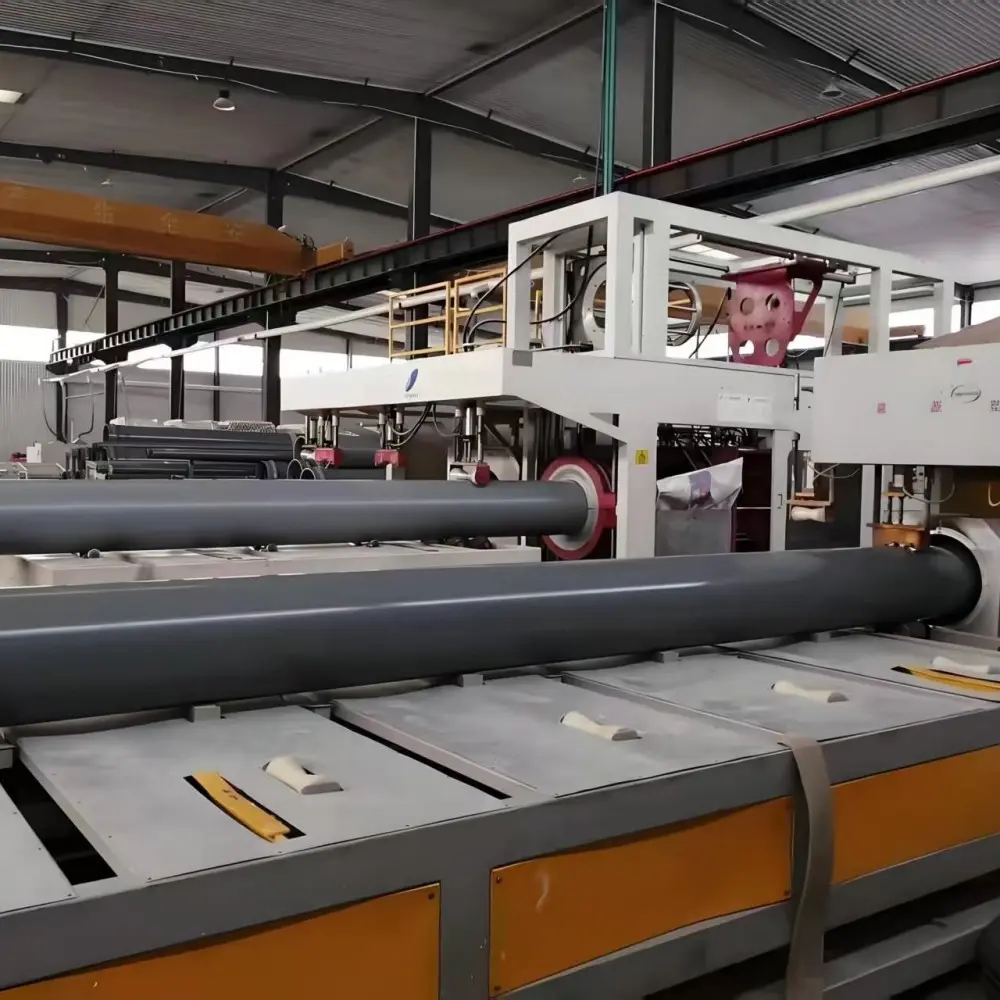
Electrofusion & Butt-Fusion Transition Fittings
View ProductThe Engineering Logic Behind Steel-Wire Mesh PE Reinforced Composite Pipe
Modern infrastructure projects encounter deep buried pressures, harsh chemical groundbeds, and tectonic movement. Discover how China's integrated Daqiuzhuang industrial belt pioneers hybrid steel-polymer piping systems.
Tri-Layer Composite Co-Extrusion
Unlike plain solid-wall PE100 pipes, the Steel Mesh PE Reinforced Composite Pipe (SRCP) incorporates high-strength cold-drawn brass-coated helical steel wire mesh as the structural matrix, encapsulated with continuous dual-side high-density polyethylene via a graft-modified adhesive resin (tie-layer).
- Eliminates creeping deformation under sustained static head.
- Wall thickness reduced by up to 35% compared to standard SDR11 HDPE.
- Significantly higher hydraulic throughput with uniform inner smoothness (Hazen-Williams C=150).
Cost Engineering & Operational ROI
Chinese OEM manufacturing leverage combines high-grade automated steel wire winding with precision extruder crossheads. The resulting pipe balances carbon steel strength (pressure ratings up to 6.4 MPa / 64 bar) with thermoplastic chemical inertia.
- No cathodic protection, exterior tar coating, or zinc sacrificial anodes required.
- Ultra-low pipeline installation costs via continuous coiled lengths (up to DN110) or standard 6m/12m joints.
- Certified design operational lifecycle exceeding 50 years in acid, alkali, and saline soils.
Full Standard Compliance (GB, ASTM, ISO)
Production workflows adhere to stringent ASTM F2435 (Standard Specification for Steel Reinforced Polyethylene Composite Pipe), CJ/T 189-2007, and ISO standards. Every production cycle is validated through hydrostatic bust testing, peel strength validation, and rapid crack propagation (RCP) checks.
- Tensile yield matrix certified for high seismic fault tolerance.
- Mill test certificates (EN 10204 Type 3.1) provided with each delivery lot.
- Accepted by worldwide third-party inspection firms (SGS, BV, Intertek, Lloyd's).
Why Global EPCs Source Steel-Plastic Composites from Daqiuzhuang & Tangshan
Daqiuzhuang (Tianjin) and Tangshan represent the epicenter of China’s structural steel and tubular innovation. By marrying direct mill-run wire rod processing (SAE1006 / SAE1080) with modern high-polymer compounding lines, our industrial footprint eliminates middleman distribution surcharges. This allows EPC project directors and bulk municipal importers to achieve 20–30% net procurement savings without sacrificing burst safety margins.
Precision Manufacturing & Testing Facilities
Take a tour of our Tianjin and Tangshan fabrication centers. From wire drawing and extrusion to strict hydrostatic verification.
Daqiuzhuang Production Base: Complete Vertical Integration
Spanning over 1,500 acres across Tianjin and Tangshan, Tianjin Huizhong Xinyu (HZXY) maintains specialized cold roll-forming workshops, PVC/PE extrusion lines, and heavy-duty steel pipe galvanizing departments. Our fully equipped test laboratory performs tensile, ring stiffness, peel strength, and hydrostatic evaluations around the clock.
Zero-Delamination Bonding
Maleic anhydride grafted PE creates a chemical bridge preventing core layer detachment under cyclic surge.
Complete Fitting Suite
Supply includes dedicated electrofusion couplers, flange adaptors, and custom carbon steel transition sleeves.
Engineered for Harsh Industrial & Geotechnical Deployments
Where traditional PVC becomes brittle and pure carbon steel corrodes, PE reinforced composite pipe delivers optimal resilience.
Mining Tailings & Deep Dewatering
Abrasion from slurries and deep-pit slurry backfilling destroys regular polyethylene conduits. SRCP provides 4x superior abrasion resistance against abrasive rock tailings while supporting 2.5 to 5.0 MPa vertical pumping heads.
Mining Technical SpecsMunicipal High-Pressure Gas Distribution
Standard PE gas pipelines are typically limited to 0.4–0.7 MPa. Steel-reinforced PE composite systems elevate gas delivery ceilings up to 2.5 MPa, eliminating the rapid crack propagation (RCP) vulnerability of large-diameter gas lines.
Gas Pipe SpecificationsDesalination & Marine Subsea Outfalls
Withstanding internal hydrostatic shock and the extreme corrosive impact of hot brine and tidal salinity, SRCP requires no external coating maintenance, remaining biologically inert and anti-fouling over half a century.
Water Transmission DataChemical Processing & Corrosive Effluents
Resistant to inorganic acids, bases, salts, and industrial chemical discharge up to 70°C. Delivers complete resistance to micro-biological corrosion (MIC) and soil stress cracking.
Drainage PipelinesTrenchless Directional Drilling (HDD)
High tensile strength derived from internal longitudinal wire components allows long-distance pull-back via horizontal directional drilling under rivers, highways, and existing urban infrastructure without stretching or necking.
Conduit & Trenchless GuidesDistrict Geothermal & Thermal Spring Mains
Superior insulation efficiency over bare steel. Low thermal conductivity (approx. 0.43 W/m·K) avoids severe temperature loss during long-haul transport of thermal spring water and HVAC hydronic loops.
Hydronic AccessoriesPerformance Comparison: Steel Mesh Composite vs Conventional Piping
Review physical parameters, design safety factors, and hydraulic properties across major material classes.
| Performance Metric | PE Reinforced Composite Pipe (SRCP) | Monolithic HDPE (PE100) | Ductile Iron Pipe (DIP) | Carbon Steel Pipe (Q235B/API 5L) |
|---|---|---|---|---|
| Nominal Pressure (PN) | Up to 6.4 MPa (64 Bar) | Typically ≤ 1.6–2.0 MPa | 2.5 to 4.0 MPa | High Pressure (> 10 MPa) |
| Corrosion Resistance | Total internal & external inertia | Total internal & external inertia | Requires internal mortar / Zn wrap | Requires 3LPE, FBE, or cathodic rigs |
| Weight / Transport Efficiency | Lightweight (1/4 to 1/6 of steel) | Lightweight (1/7 of steel) | Extremely Heavy | Heavy |
| Creep & Surge Resistance | High: Steel core restrains thermal creep | Moderate: Subject to pressure relaxation | High | High |
| Roughness Factor (Hazen-Williams) | C = 150 (Smooth, non-scaling) | C = 150 (Smooth, non-scaling) | C = 120–130 (Tuberculation risk) | C = 100–120 (Scales over time) |
| Joint Integrity Method | Electrofusion & Flanged Ends | Butt Fusion Welding | Push-on Spigot & Socket (Tyton) | Butt Welded (Requires NDT inspection) |
| Design Service Life | 50+ Years (ISO/ASTM qualified) | 50 Years | 30–50 Years | 20–30 Years (Subject to soil ions) |
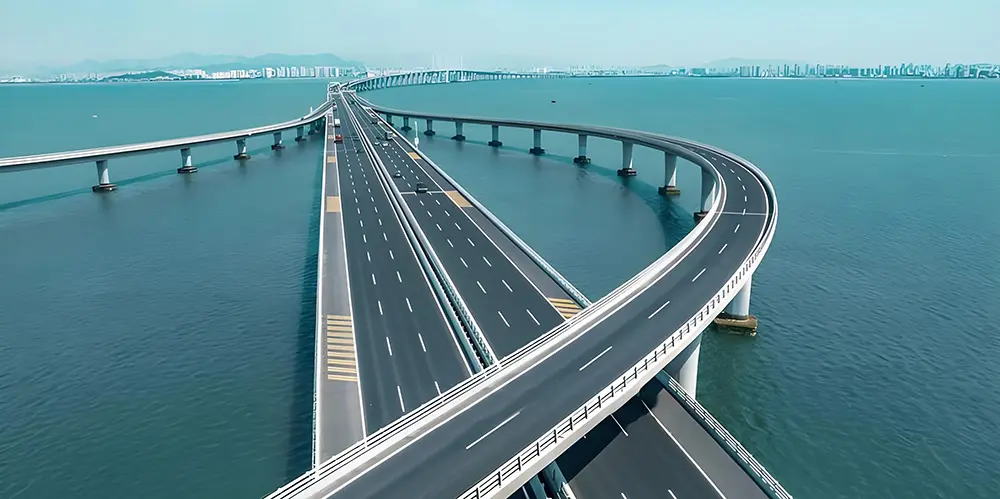
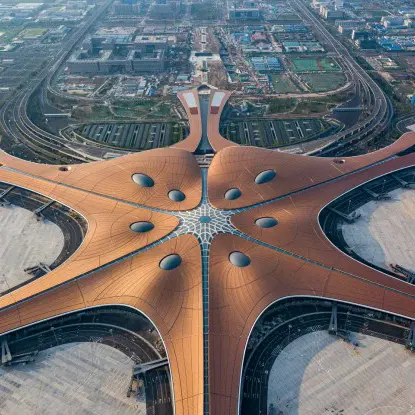
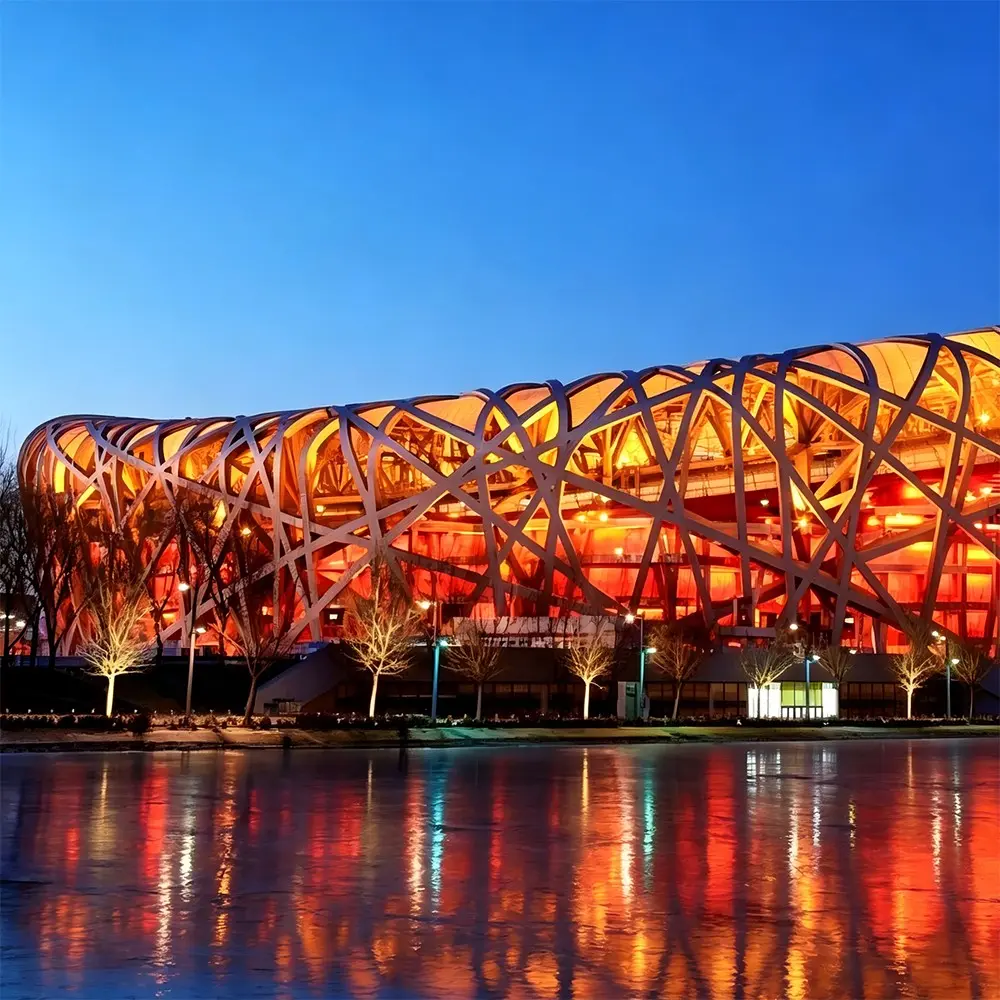
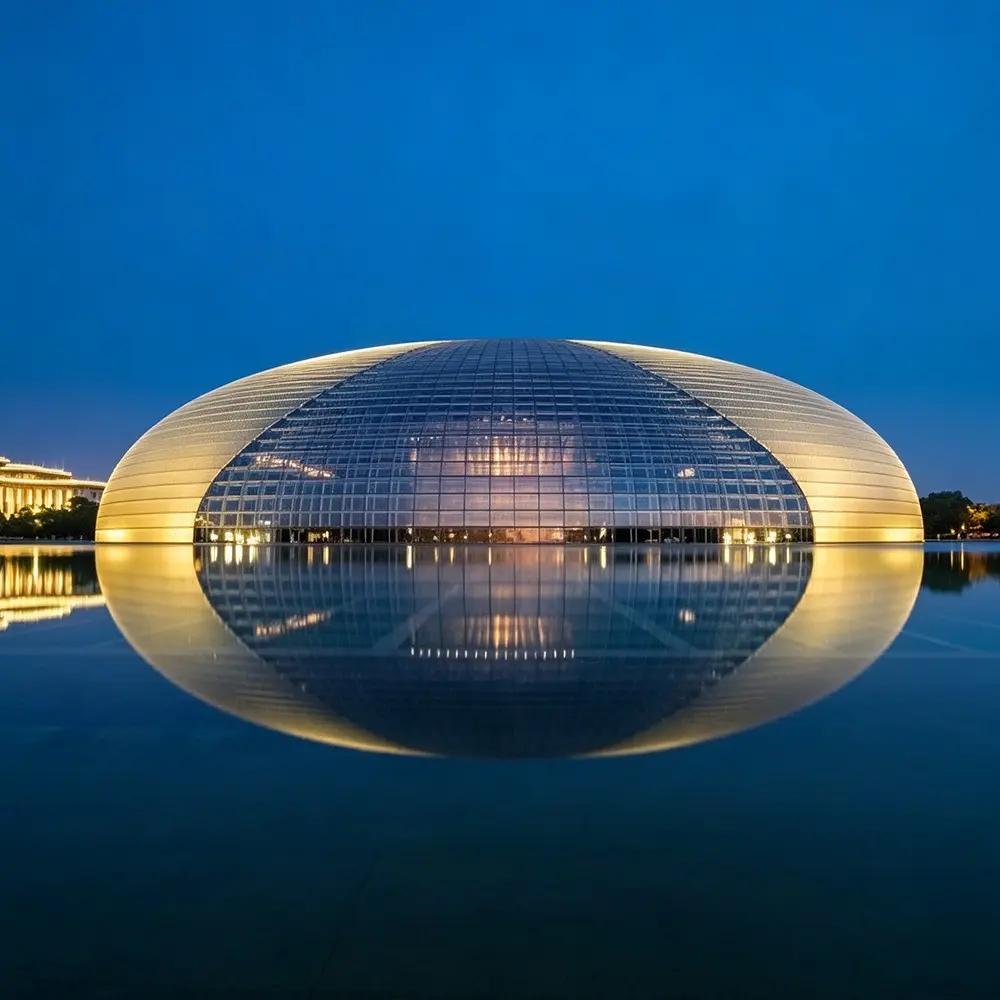
Supplied to Global & National Landmark Infrastructure
Demonstrated operational integrity in projects with zero tolerance for material failure.

Standard Operating Procedure for International Orders
A systematic process designed to eliminate cross-border risk, ensure dimensional accuracy, and accelerate port dispatch.
1. Specification & Drawing Audit
Our bilingual technical engineering desk evaluates your tender requirements, analyzing working pressure (PN), standard equivalents (GB/T 32439, ASTM F2435, ISO 4427), ring stiffness class (SN8 to SN16+), and chemical media conditions.
2. Precision Compound Extrusion
Continuous helical winding of high-tensile steel wire with dual-side graft polymer extrusion. Real-time ultrasonic wall thickness checks ensure concentricity, uniform bond strength, and defect-free core lamination.
3. Hydrostatic & Mechanical QA
Batch testing includes 100-hour and 1000-hour sustained hydrostatic pressure holds at elevated temperatures, ring flexibility deflection tests, and electrofusion joint peel verification conducted on-site.
4. Third-Party Inspection (TPI)
We welcome inspections by SGS, Bureau Veritas, or customer-appointed engineers. Complete mill test reports, zinc-coating thickness certificates, and dimensional records are generated prior to container sealing.
5. Maritime Nesting & Port Staging
Direct access to Tianjin Xingang Port allows for specialized pipe-in-pipe nesting logistics (smaller diameters loaded inside larger tubes), slashing international ocean freight costs per cubic meter by up to 40%.
One-Stop Mixed Cargo Consolidations
Consolidate steel pipes, H-beams, reinforcing rebar, PVC conduit, and gate valves into a single bill of lading (B/L) to cut port handling overheads and simplify customs clearance.
Frequently Asked Questions by Overseas Pipeline Engineers
Direct technical guidance covering design life, fusion joining methods, temperature limits, and port handling.
What is the structural difference between SRCP and traditional solid-wall PE100?
Standard solid-wall PE100 relies purely on polymer mass to resist pressure, meaning higher working pressures demand extreme wall thicknesses that severely reduce internal bore diameter and increase weight. Steel Reinforced Composite Pipe (SRCP) embeds high-strength, brass-coated steel wire mesh between internal and external PE layers. This steel skeletal framework absorbs over 70% of hoop stress, cutting total wall thickness by up to 35% while sustaining working pressures up to 6.4 MPa without creeping.
How are PE Reinforced Composite Pipes connected on site?
The primary joining methodology uses dedicated Steel Mesh Reinforced Electrofusion Couplers. Integrated electrical resistance wires melt both pipe surfaces into a homogeneous, leak-tight weld. For tie-ins with pumps, valves, or metallic lines, we supply custom factory-molded PE-to-Steel flanged transition fittings or mechanical grooved coupling joints.
Where is HZXY located, and which port do you load from?
Our corporate headquarters and primary manufacturing facilities are located in the Daqiuzhuang Industrial Zone, Jinghai District, Tianjin, China, with secondary steel processing bases in Tangshan. Over 90% of our international orders are loaded at Tianjin Xingang Port (only 60 km from our logistics yards), ensuring efficient shipping lanes to Southeast Asia, the Middle East, Africa, and the Americas.
Can composite pipes handle cyclic pressure surges and water hammer?
Yes. The high modulus of the helical steel wire core provides superior burst resistance against sudden pressure surges. At the same time, the inner and outer HDPE layers act as a dampening buffer, giving the composite system better surge absorption than rigid carbon steel or ductile iron, while preventing rapid crack propagation.
What are the working temperature thresholds for reinforced composite pipes?
The standard operating temperature range is -40°C to +60°C. For industrial effluent and geothermal applications with continuous temperatures up to 80°C, we provide modified raised temperature formulations (PE-RT reinforced composite pipe), ensuring complete structural safety under continuous thermal stress.
Can I combine composite piping with structural steel in one container shipment?
Absolutely. As a full-scope producer of H-beams, channel sections, rebar, steel coil, and plastic utilities, we frequently build unified project shipments. Customers save significant freight expenditure by nesting smaller-diameter pipes inside larger units and loading steel structural plates in the bottom of the container.
Structural, Tubular & Fluid Transmission Components
Factory-direct structural steel profiles, piping networks, and fluid infrastructure products ready for global sea-freight dispatch.
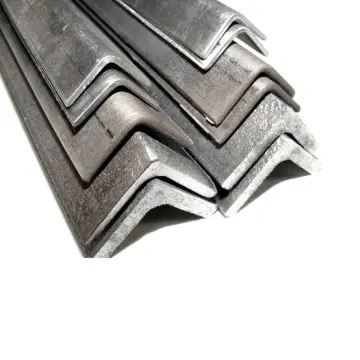
Galvanized Angle Steel Structural Bracing
View Product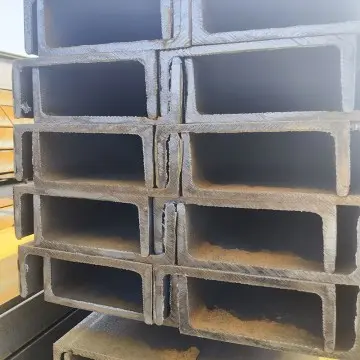
Hot-Rolled Galvanized Channel Supports
View Product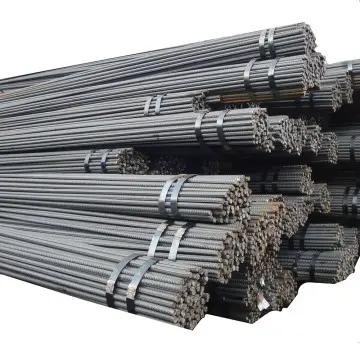
High-Tensile Concrete Reinforcing Rebar
View Product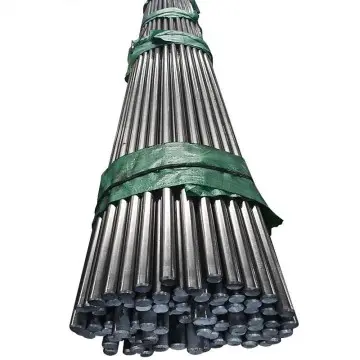
Galvanized Plain Round Structural Bar
View Product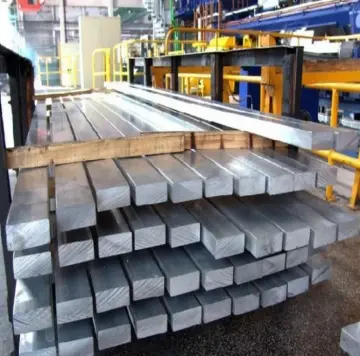
Hot-Dip Galvanized Flat Steel Grounding Bar
View Product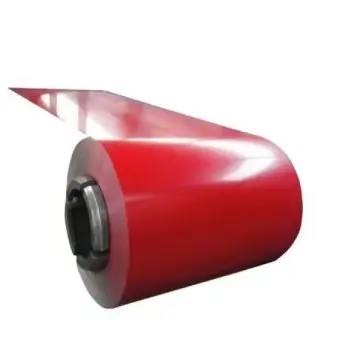
Prepainted Coated Steel Sheet & Coils
View Product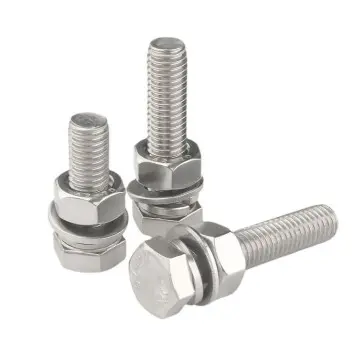
Heavy Pipeline Fasteners & Accessories
View Product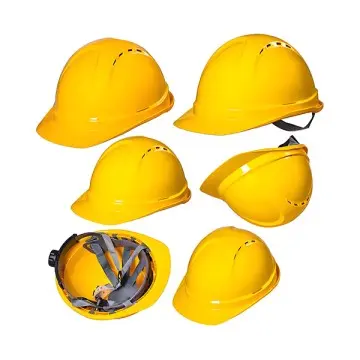
Industrial Jobsite Protection Equipment
View ProductRequest Technical Specifications, Price Rosters, or OEM Engineering Support
Speak directly with our bilingual pipeline engineering and international logistics team in Tianjin.