Does CE Certification (EN 1090) satisfy building code authorities in Mexico?
Yes. In Mexico, structural steel designs must comply with the Reglamento de Construcciones and the Normas Técnicas Complementarias (NTC-RCDF) or the CFE seismic manual, which frequently cite AISC 360/341 and ASTM standards. The CE Marking under EN 1090-1 and EN 1090-2 (Execution Classes EXC2 and EXC3) imposes factory quality control, welding certifications, and metallurgical testing protocols that exceed standard ASTM minimums. We furnish EN 10204 3.1 Mill Test Certificates detailing yield, tensile, elongation, and Charpy impact values with full traceability, ensuring rapid approval by local Mexican Peritos de Obra and Directores Responsables de Obra (DRO).
What is the total transit and lead time from Tianjin to Mexican industrial sites?
Our standard prefabrication timeline for 1,000 to 5,000 metric tons of custom structural steel ranges from 30 to 45 business days. Maritime ocean transit from Tianjin Port (Xingang) to the Port of Manzanillo or Lázaro Cárdenas on the Pacific Coast takes approximately 22 to 28 days via direct container vessels or break-bulk charters. Customs clearance and bonded road transit to major industrial parks across Monterrey, Guadalajara, Querétaro, or San Luis Potosí typically takes 4 to 7 business days, providing a reliable 9 to 11-week total door-to-jobsite cycle.
Can HZXY fabricate members directly to US AISC and ASTM standards for Mexico?
Absolutely. While our manufacturing centers are certified under European CE directives, over 60% of our international output is fabricated to American AISC 360, AISC 341 (seismic provisions), and AWS D1.1 (structural welding code) requirements. We routinely stock and fabricate ASTM A36, ASTM A572 Grade 50, and ASTM A992 wide-flange beams, structural tubes (ASTM A500 Gr. B/C), and cold-formed sections widely preferred by US-based engineering firms operating industrial projects in Mexico.
How does HZXY accommodate seismic ductility requirements for Central & Southern Mexico?
For buildings situated in high-risk seismic zones (Zones C and D according to the CFE Civil Works Seismic Manual, such as Mexico City, Michoacán, and Oaxaca), we supply Special Moment-Resisting Frame (SMRF) assemblies fabricated with fine-grain killed steels (e.g., Q355D / S355J2 / ASTM A992). These steels feature strict chemical controls (low carbon equivalent, phosphorus, and sulfur) and undergo verified Charpy V-notch impact testing at -20°C (≥ 27 Joules) to guarantee severe plastic deformation capacity without brittle fracture.
Can multiple product categories be consolidated into one shipping bill of materials?
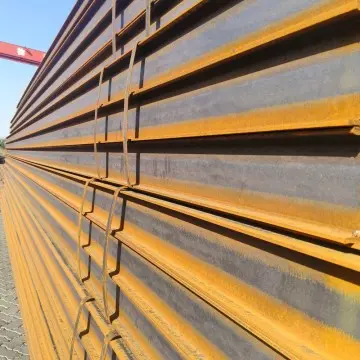
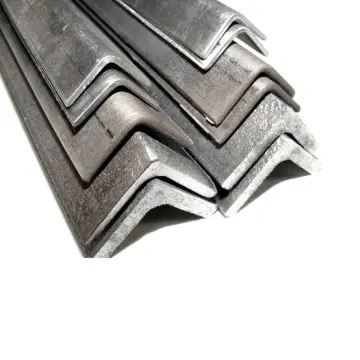
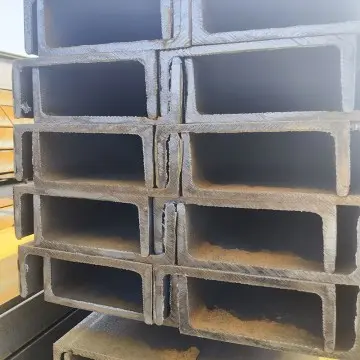
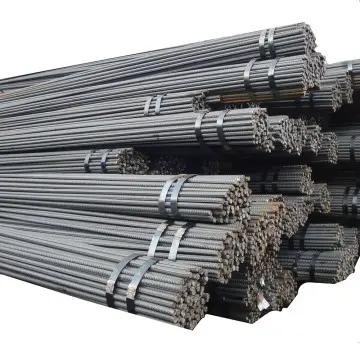
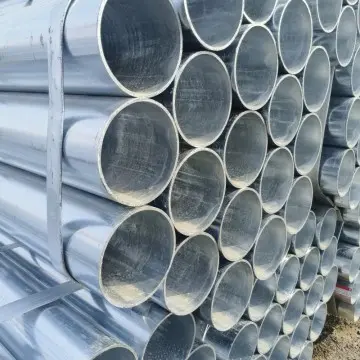
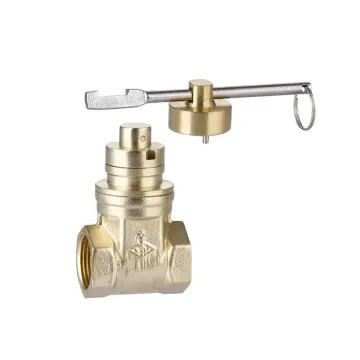
Yes. Consolidating full project material packages is a core competitive strength of Tianjin Huizhong Xinyu. You can bundle structural H-beams, angle cross-bracing, C/Z purlins, concrete reinforcing deformed bar (rebar), scaffolding pipes, water drainage PVC/PE piping, and industrial fire protection valves into a single synchronized shipment, drastically reducing customs administrative burdens and sea freight dead space.
Are independent third-party inspections (SGS, Bureau Veritas, TÜV) accepted before vessel loading?
We welcome and regularly facilitate pre-shipment inspections by independent international testing bodies, including SGS, Bureau Veritas (BV), Intertek, and TÜV Rheinland. Inspectors verify steel chemical composition, dimensional tolerances (EN 10034 / ASTM A6), weld seam integrity through Non-Destructive Testing (UT/MT), zinc coating thickness, and export seaworthy packaging at our Tianjin and Tangshan yards before release.
What tariff classification (HS Code) is applied for Mexican customs importations?
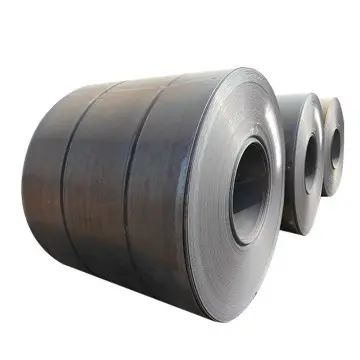
Prefabricated structural steel framing systems and worked elements generally classify under HS Code 7308.90 (Structures and parts of structures of iron or steel). Unworked steel profile sections classify under HS 7216, and rolled plates under HS 7208. We provide precise commercial invoices, packing lists with heat number tags, and certified Mill Test Reports formatted to ensure smooth tariff processing and USMCA-aligned documentation with your Mexican customs broker (Agente Aduanal).
What are your payment terms and trade instruments for Mexican buyers?
We offer flexible, secure international payment structures including Irrevocable Letters of Credit at Sight (L/C at Sight) issued by reputable international or Mexican financial institutions (such as BBVA México, Banorte, or Santander), as well as standard Telegraphic Transfer (T/T) milestones (deposit with balance paid against Bill of Lading copy). Dedicated financing arrangements can be reviewed for long-term strategic EPC framework agreements.