
Discount Gas Transmission Pipe Suppliers & Manufacturer in Japan
Engineered high-yield gas transmission pipelines, JIS/API compliant steel solutions, and resilient energy networks connecting Daqiuzhuang manufacturing efficiency to Japanese municipal and industrial hubs.
Send Inquiry NowDiscount Gas Transmission & Structural Pipeline Units
Premium factory-direct pipe systems certified for municipal energy transmission, structural utility grids, and seismic-resistant Japanese building requirements.
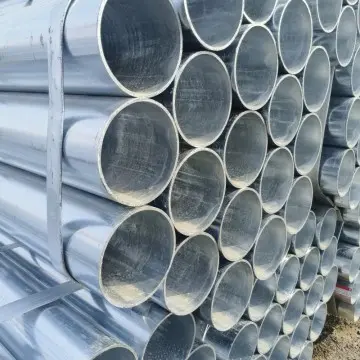
Galvanized Scaffolding & Gas Utility Support Pipe
- Zinc Coated
- ERW / Welded
- High Load-Bearing
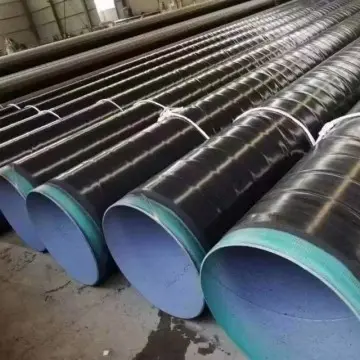
Industrial High-Strength Anti-Corrosion Coated Gas Pipe
- 3PE / FBE Coated
- Gas Transmission
- JIS G3454 / API 5L
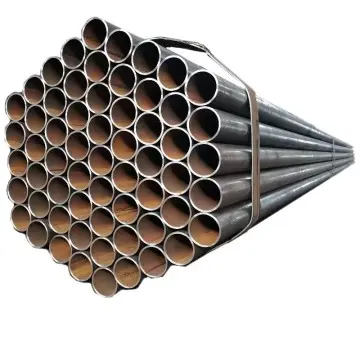
In-Stock Heavy-Wall Black Steel Pipe for Gas Mains
- Seamless / ERW
- Black Finish
- Pressure Resistant
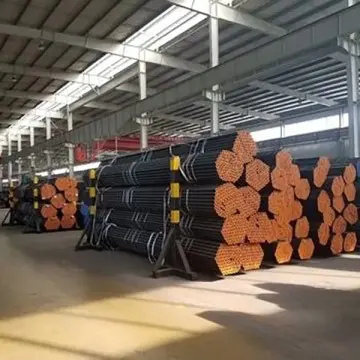
Color-Painted Anti-Corrosion Sprayed Steel Pipe
- Custom RAL Color
- Polyurethane Coated
- Underground Ready
Gas Transmission Pipeline Infrastructure in Japan & Global Shifts
A rigorous industrial perspective on shifting LNG import dependencies, decarbonized pipeline retrofits, seismic standards, and cross-border manufacturing synergies.
Japan's Gas Grid Realities & Demands
As the world's leading importer of liquefied natural gas (LNG), Japan’s energy matrix depends fundamentally on ultra-reliable high-pressure trunklines connecting regasification coastal terminals (Tokyo Bay, Osaka Bay, Ise Bay) to urban utility grids. The Japanese market strictly mandates JIS G3452, JIS G3454, and JIS G3457 pipe formulations, prioritizing ductile yield behavior under high-magnitude seismic movements.
Hydrogen & Synthetic Methane Transition
Under METI's Strategic Energy Plan, Japan is accelerating infrastructure blending tests for hydrogen and e-methane (synthetic methane). Gas transmission pipes must now mitigate hydrogen embrittlement risks. Micro-alloyed low-carbon steel chemistry (controlled sulfur & phosphorus ≤ 0.005%) processed through Thermo-Mechanical Controlled Processing (TMCP) is becoming the baseline requirement for future-ready pipelines.
Global Procurement Volatility & Cost Pressures
Rising raw material indices, tight carbon-neutral mill quotas, and elevated regional processing costs across East Asia have squeezed engineering margins for EPC contractors. Overseas buyers require discounted yet rigorously certified structural and pipeline steel packages, driving strategic procurement consolidation toward integrated high-capacity rolling centers in Tianjin.
The Daqiuzhuang Industrial Advantage: Scale, Speed & Precision
Operating inside northern China's premier steel core allows Tianjin Huizhong Xinyu (HZXY) to deliver unmatched cost efficiency, precision rolling, and immediate deep-water port access.
Full Value-Chain Integration
Situated in Daqiuzhuang, Jinghai District, Tianjin, with secondary facilities in Tangshan across 1,500 acres, HZXY eliminates intermediate handling costs. Raw billet smelting, hot-rolling coils, longitudinal ERW/LSAW seam welding, 3PE anti-corrosion exterior coating, and internal epoxy flow-lining take place within a consolidated logistics corridor, reducing turnaround cycles by up to 35% compared to fragmented suppliers.
Stringent Multi-Standard Metallurgical Control
Every gas transmission batch undergoes 100% full-body non-destructive testing (NDT), automated ultrasonic weld examination, hydrostatic burst tests up to 50 MPa, and Charpy V-Notch impact testing down to -40°C. Standard conformity includes JIS G3454, JIS G3457, API Spec 5L (PSL1 & PSL2 Gr. B through X70), EN 10208, and GB/T 9711, delivered with verified 3.1/3.2 Mill Test Certificates.
Established Manufacturing Baseline in Tianjin
Acres of Integrated Production Facilities
Tons Annual Output Capacity
Global Export Countries & Regions
Gas Transmission Pipeline Engineering Specifications
Comparing Japanese Industrial Standards (JIS) against international specifications for engineering cross-reference and procurement clarity.
| Standard / Spec | Equivalent Grade | Min. Yield (MPa) | Tensile Strength (MPa) | Recommended Coating | Target Local Application |
|---|---|---|---|---|---|
| JIS G3454 (STPG 370) | ASTM A53 Gr. B / Q235B | 215 | 370 - 510 | Galvanized / Epoxy | Medium-pressure city gas distribution in Tokyo/Kanto |
| JIS G3454 (STPG 410) | ASTM A106 Gr. B / Q355B | 245 | 410 - 550 | 3PE / Fusion Bonded Epoxy | Industrial gas feeding & thermal plant supply |
| JIS G3457 (STPY 400) | API 5L Gr. B / L245 | 225 | 400 min. | Heavy Polyethylene / FBE | Large diameter arc-welded trunk water/gas networks |
| API 5L PSL2 (X52 / L360) | JIS Equivalent SM490B | 360 | 460 - 760 | 3LPE / 3LPP Tri-layer | High-pressure regional transmission lines & LNG interlinks |
| API 5L PSL2 (X65 / L450) | TMCP Micro-alloyed | 450 | 535 - 760 | 3LPE + Concrete Weight | Subsea landfall lines & seismically active mountain corridors |
Localization Scenarios: Japan Infrastructure & Global Benchmark Works
From seismic reinforcement zones across Honshu to mega-scale civil installations, our materials satisfy demanding environmental tolerances.
Seismic Sub-surface Gas Feeders
In high earthquake hazard regions like the Tokai and Kansai zones, ground shifting can fracture rigid welds. Our high-ductility welded pipes utilize controlled sulfur-content steels with elevated elongation ratings (>25%) to preserve integrity during ground deformation.
Coastal LNG Terminal Offtake Piping
Marine environments along Chiba, Yokohama, and Kitakyushu subject external pipeline walls to aggressive chloride-induced salt spray corrosion. We apply specialized 3-layer polyethylene (3PE) coating systems that surpass 30-year design lifetimes under buried salinity conditions.
High-Yield Landmark Engineering
HZXY structural materials and specialized valve/pipe systems have verified operational track records across monumental ventures including Beijing Daxing International Airport, National Stadium (Bird's Nest), and Qingdao Jiaozhou Bay Bridge.
Global Enterprise Sourcing: Overcoming Lead-Time & Tariff Barriers
How international EPC firms, Japanese general trading companies (Sogo Shosha), and utility contractors optimize bill-of-materials procurement.
Bill-of-Materials Consolidation
Instead of managing separate contracts for transmission line pipes, structural H-beams for pipe racks, and flow-control valves, buyers bundle complete packages in a single consignment. This eliminates redundant freight clearing expenses and streamlines project timelines.
Pre-Fabrication & End Preparation
To reduce steep labor costs across Japanese job sites, all gas transmission pipes can arrive pre-beveled (30° / 37.5° for automated orbital welding), grooved, threaded, or flanged, pre-cleaned, and capped with heavy-duty impact-resistant protectors.
Verified Third-Party Compliance
We routinely facilitate third-party audits with global verification authorities including SGS, TÜV, BV, and Lloyd's Register at our Tianjin staging yards prior to loading at Tianjin Port, ensuring zero arrival non-conformity risks.
Frequently Asked Questions: Gas Pipeline Procurement for Japan
In-depth responses covering JIS compliance, pressure containment limits, anti-corrosion applications, and export logistics.
How do HZXY gas transmission pipes comply with Japanese Industrial Standards (JIS)?
We manufacture gas pipes directly aligned with JIS G3454 (Carbon Steel Pipes for Pressure Service) and JIS G3457 (Arc Welded Carbon Steel Pipe). Our chemical refining utilizes ladle vacuum degassing to maintain carbon equivalents (CEq/Pcm) within tight tolerances, ensuring field weldability that matches traditional domestic Japanese steel pipe performance.
What anti-corrosion coating options are recommended for high-humidity and coastal soil in Japan?
For buried gas networks along coastal plains (such as Tokyo Bay or Osaka prefectures), we provide 3PE (Three-Layer Polyethylene) coating consisting of a high-performance fusion bonded epoxy primer, a copolymer adhesive inter-layer, and a high-density polyethylene outer shield. This provides cathodic disbondment resistance up to 80°C and high dielectric strength against stray ground currents.
What is the difference between API 5L PSL1 and PSL2 for natural gas trunklines?
PSL2 introduces mandatory Charpy impact fracture toughness criteria, restricted chemical yield-to-tensile ratios, tighter wall thickness tolerances, and mandatory automated ultrasonic inspection along the full weld seam. For flammable natural gas transmission and urban gas mains in seismically active environments, API 5L PSL2 (Gr. B, X42, X52, X60, X65) is strongly advised over PSL1.
Can HZXY supply custom spool lengths to avoid on-site cutting in tight Japanese urban corridors?
Yes. While 6-meter, 11.8-meter, and 12-meter standard export container lengths are common, our CNC precision sawing lines can cut fixed lengths to specific mill tolerances (+/- 2mm) according to isometric engineering drawings, significantly reducing field cutting and labor expenses on site.
Where are orders dispatched from, and what is the typical transit duration to Japanese ports?
Orders are consolidated at our dedicated storage facilities in Daqiuzhuang, Tianjin, and loaded directly through Tianjin Port (Xingang). Containerized and break-bulk shipments to main Japanese ports—including Tokyo, Yokohama, Nagoya, Osaka, and Kobe—typically have ocean transit times of only 3 to 6 days.
How can engineers obtain material test reports (MTR) and product catalogs?
Complete mill test certificates under EN 10204 3.1 are provided with all dispatches. You can also request comprehensive physical product catalogs and dimensional tables via our Request a Catalog portal or by contacting our team at [email protected].
Structural Steel, Long Profiles & Pipeline Ancillaries
Complete project bill-of-materials available for consolidated shipping alongside your gas pipeline consignments.
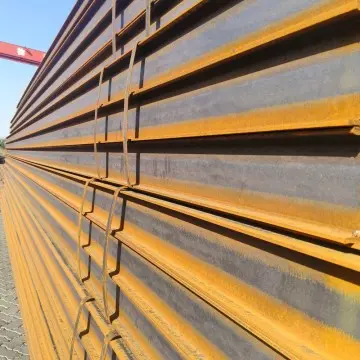
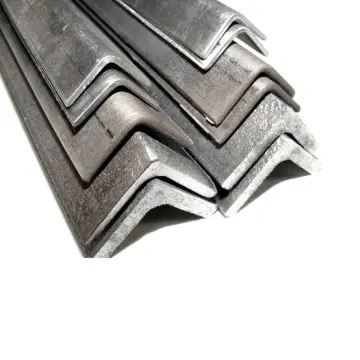
Perforated Galvanized Carbon Steel Angle Bar
- Equal / Unequal
- Galvanized
- Support Frames
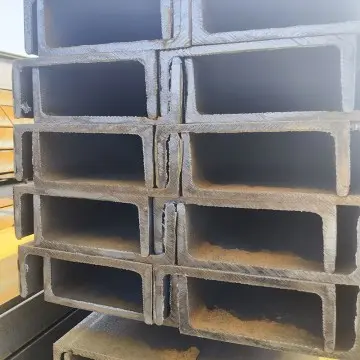
Hot Rolled Galvanized Channel Steel for Pipe Racks
- U / C Channel
- Heavy HDG
- Corrosion Proof
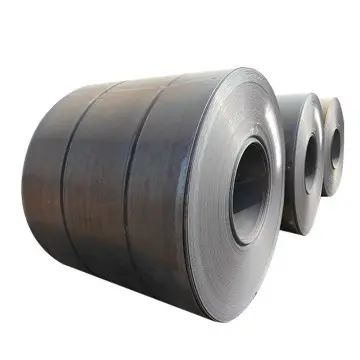
Q235B / Q345B Hot Rolled & Cold Rolled Steel Coil
- HR & CR Coil
- Slitting Available
- Pipe Raw Material
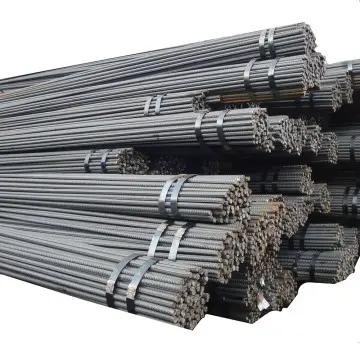
Deformed Steel Rebar 6 mm – 12 mm for Foundations
- Ribbed Bar
- High Tensile
- Standard Bundled
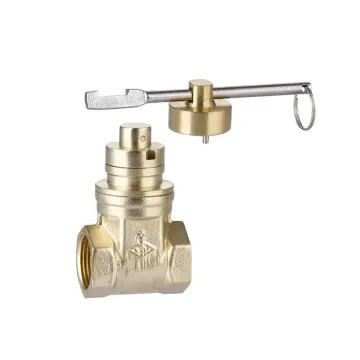
Pressure-Resistant Valves for Gas & Utility Networks
- Gate / Ball / Check
- Gas & HVAC Spec
- ANSI / JIS Flanged
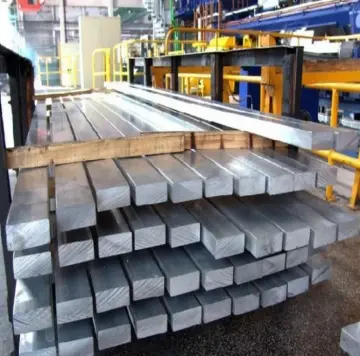
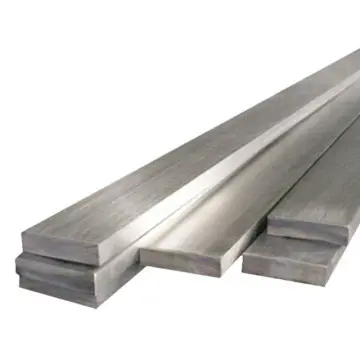
Q235 / Q355 Hot-Dip Galvanized Flat Steel Bar
- 3–60 mm Thickness
- HDG Zinc Shield
- Earthing & Utility
Accelerate Your Gas Transmission Infrastructure Procurement
Direct mill pricing, consolidated cargo loads from Tianjin Port, and complete metallurgical documentation conforming to JIS, API, and EN criteria.