Macroeconomic Demands & The Local Fabrication Deficit
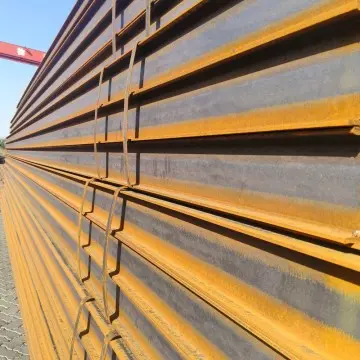
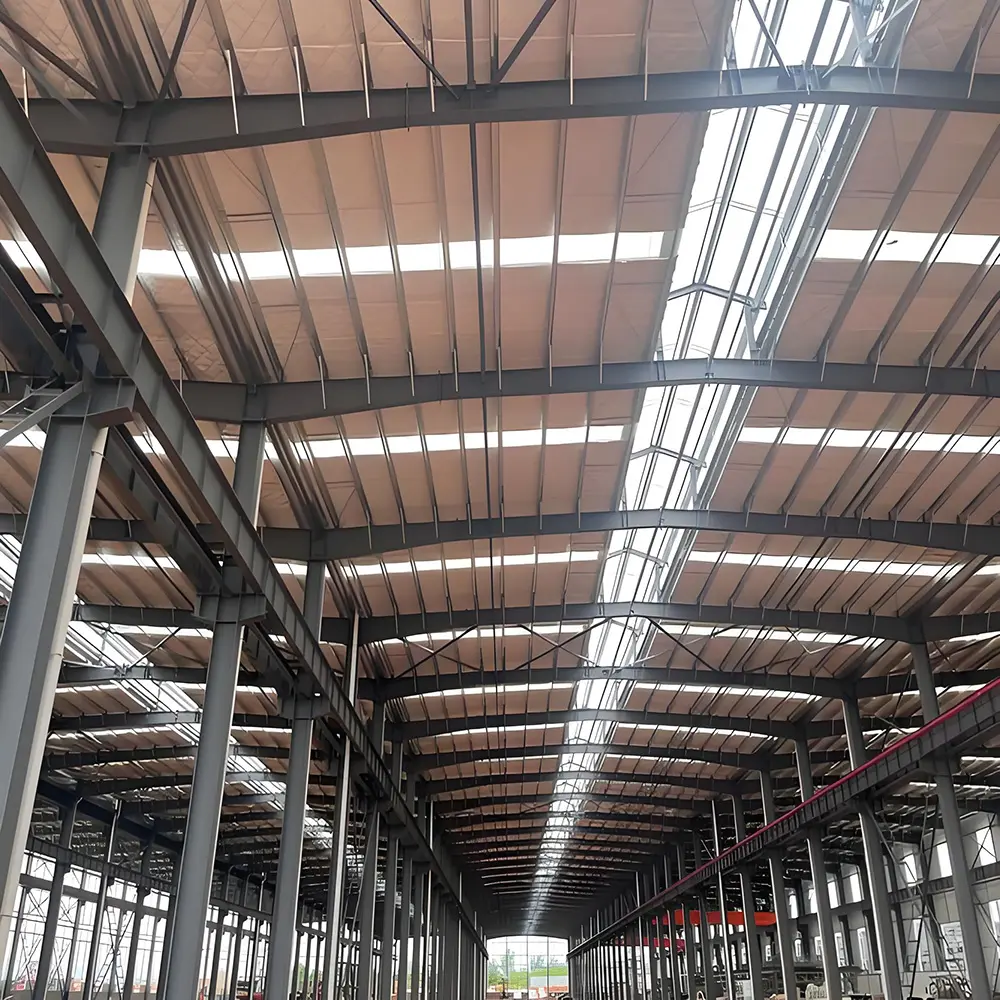
The Kingdom of Saudi Arabia is experiencing an unprecedented structural steel surge fueled by the National Industrial Development and Logistics Program (NIDLP) and Vision 2030 initiatives. Landmark undertakings such as The Line at NEOM, Trojena, the Red Sea Project, and massive urban expansions in Riyadh demand millions of metric tons of wide-flange I-beams, universal columns, and specialized structural profiles.
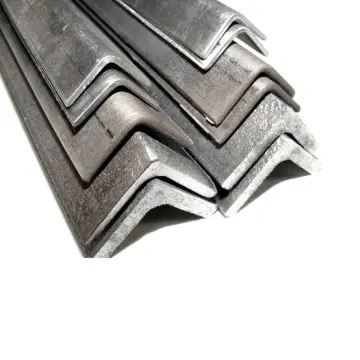
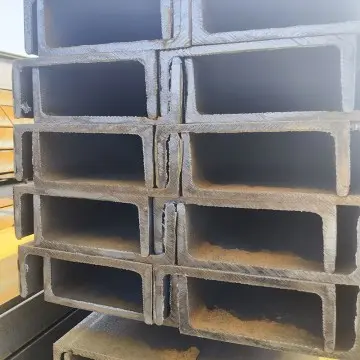
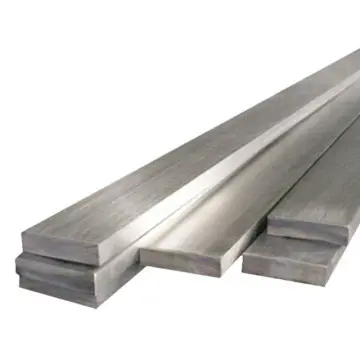
While domestic mills have made substantial progress in commercial rebars, the localized capacity for extra-heavy hot-rolled structural shapes, specialized alloy I-beams (such as ASTM A992, A572 Gr. 50, and S355JR), and high-spec corrosion-resistant galvanized profiles remains under pressure. This has catalyzed top-tier engineering, procurement, and construction (EPC) conglomerates to partner with agile, large-scale ODM steel manufacturers capable of bridging technical throughput gaps.
Harsh Environmental Demands: Desert Heat & Maritime Salinity
Civil infrastructure throughout the Arabian Peninsula confronts harsh operating conditions: continuous diurnal thermal fluctuations exceeding 45°C, severe chloride-laden coastal winds along the Red Sea and Arabian Gulf, and high ambient abrasion from airborne silica sands. Standard generic profiles deteriorate rapidly if metallurgical uniformity and coating chemistries are not engineered precisely.
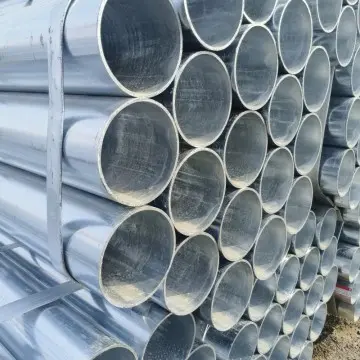
HZXY addresses this via automated continuous hot-dip immersion baths ensuring zinc thickness levels exceeding 85 μm (610 g/m²), verified according to ASTM A123 / ISO 1461 standards. Furthermore, steel chemistry is tightly optimized with restricted carbon equivalents (CEV ≤ 0.42%) to ensure seamless jobsite weldability without premature hydrogen embrittlement or micro-cracking.